plastic self adhesive tape for construction
CN → US| HS编码 | 关税税率 | 原产国 | 目的国 | 文档 |
|---|---|---|---|---|
| 3919102055 | 40.8% | CN | US | 官方文档 |
| 3919905060 | 40.8% | CN | US | 官方文档 |
| 4811412100 | 35.0% | CN | US | 官方文档 |
| 4811411000 | 35.0% | CN | US | 官方文档 |
| 3919102055 | 40.8% | CN | US | 官方文档 |
商品图片
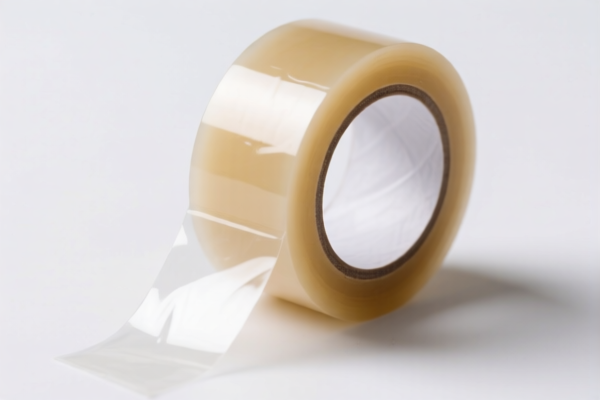
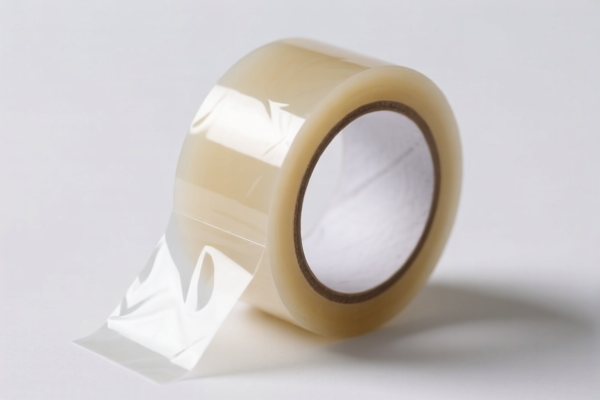

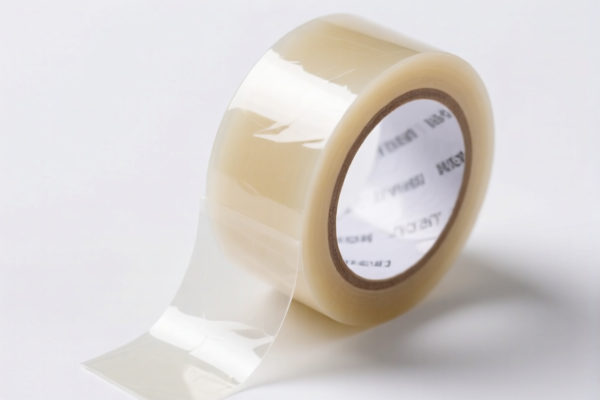
AI分析
🏗️ Plastic Self-Adhesive Tape for Construction
🌐 HS Code Reference & Customs Clearance Guide | 2026 Latest Tariff Analysis | Professional Entry Strategy
📌 I. Product Definition & Classification: Do You Really Know "Construction Adhesive Tape"?
Plastic self-adhesive tapes are indispensable materials in the construction industry, used for sealing, bonding, reinforcing, and protecting surfaces. In international trade, these products are primarily classified based on their base material (Plastic vs. Paper) and form (Strip/Roll, Self-Adhesive).
Key Classification Logic:
Plastic-Based (Polymer): If the backing is made of PVC, PE, PP, or other plastics, it falls under Chapter 39.
Paper-Based: If the backing is paper or cellulose fiber, it falls under Chapter 48.
⚠️ Critical Distinction Point:
- Material Matters: Misclassifying a plastic tape as paper (or vice versa) leads to significant duty differences due to the "Section 301" and "Section 122" tariffs.
- Self-Adhesive Nature: The term "Self-Adhesive" is crucial. If it requires a separate adhesive applicator, it might be classified differently, but standard rolls fall under the specific HS codes listed below.
📦 II. HS Code Classification Details (2026 Latest Tariff Authority Cross-Reference)
Based on the provided data, here are the specific HS Codes and their rationales for "Plastic Self-Adhesive Tape for Construction":
| HS Code | Product Description | Summary/Logic | Total Tax Rate (China Origin) |
|---|---|---|---|
3919.10.20.55 |
Plastic Self-Adhesive Colored Tape | Matches form (strip/roll), material (plastic), and self-adhesive attribute. Often used for colored marking or sealing in construction. | 40.8% |
3919.90.50.60 |
Plastic Self-Adhesive Tape (General) | Matches material (plastic) and form logic for non-specific colored tapes. Broad category for plastic self-adhesive strips. | 40.8% |
4811.41.21.00 |
Paper-Based Self-Adhesive Colored Tape | Base material is paper/cellulose. Used if the construction tape has a paper backing (e.g., masking tape, certain sealing tapes). | 35.0% |
4811.41.10.00 |
Self-Adhesive Paper Tape | Self-adhesive tape where the primary component is paper. Fits the "self-adhesive" attribute and tape form. | 35.0% |
🔍 Key Reminder:
- Plastic Tapes (3919...) carry a higher total tax burden (40.8%) compared to Paper Tapes (4811...) (35.0%).
- The difference stems from the Base Tariff: Plastic has a 5.8% base tariff, while Paper has a 0.0% base tariff.
- Section 122 & 301 Tariffs apply to both categories, significantly increasing the cost.
💰 III. 2026 Latest Tariff Rate Breakdown (Including Additional Taxes & Policy Surcharges)
✅ Applicable Country: United States (US)
✅ Origin: China (CN)
✅ Effective Time: Current rates apply as per Section 301 and Section 122 enforcement.
🎯 1. Plastic Self-Adhesive Tapes (3919.10.20.55 / 3919.90.50.60)
| Item | Content |
|---|---|
| Base Tariff | 5.8% (Ad Valorem) |
| Section 301 Additional Tariff | +25.0% (Trade Act of 1974, Section 301) |
| Section 122 Tariff | +10.0% (Emergency tariffs on specific imports) |
| Total Tax Rate | 40.8% |
| Tax Calculation | CIF Value × 40.8% |
| De Minimis Exemption | ❌ Not Eligible (Section 301 and 122 tariffs generally exclude de minimis relief) |
| Legal Basis Path | HTSUS:3919 → USITC Footnote 301:9903.88.01 → Section 122 Authority |
📌 Explanation:
- The 25% is the standard Section 301 tariff for most Chinese plastic products.
- The 10% is an additional surcharge under Section 122, applied to emergency imports.
- Total 40.8% is a high-cost barrier. Importers must budget accordingly.
🎯 2. Paper-Based Self-Adhesive Tapes (4811.41.21.00 / 4811.41.10.00)
| Item | Content |
|---|---|
| Base Tariff | 0.0% (Ad Valorem) |
| Section 301 Additional Tariff | +25.0% (Trade Act of 1974, Section 301) |
| Section 122 Tariff | +10.0% (Emergency tariffs on specific imports) |
| Total Tax Rate | 35.0% |
| Tax Calculation | CIF Value × 35.0% |
| De Minimis Exemption | ❌ Not Eligible |
| Legal Basis Path | HTSUS:4811 → USITC Footnote 301:9903.88.01 → Section 122 Authority |
📌 Note:
- Even with a 0% base tariff, the 35% total rate is still substantial.
- Savings: Choosing a paper-based tape can save 5.8% per unit value compared to plastic, assuming technical feasibility.
🛠️ IV. Customs Clearance Practical Advice (Battle-Tested Pitfall Avoidance)
✅ 1. Required Documentation Checklist (Mandatory)
| Document | Mandatory? | Notes |
|---|---|---|
| ✅ Product Specification Sheet | ✔️ | Must clearly state: Material (Plastic/Paper), Dimensions, Adhesive Type, Color. |
| ✅ Product Photos | ✔️ | Show the roll, the adhesive side, and any labeling indicating "Self-Adhesive". |
| ✅ Commercial Invoice | ✔️ | Must explicitly describe the product: e.g., "Plastic Self-Adhesive Tape, for Construction Sealing". Avoid vague terms like "Tape". |
| ✅ Origin Certificate | ✔️ | If not from China, may qualify for lower/no Section 301 tariffs. |
| ✅ HS Code Pre-Ruling | ✔️ | Highly recommended to avoid misclassification penalties. |
✅ 2. Declaration Tips (Critical Keywords)
🔥 "Material First, Form Second, Purpose Third!"
| Scenario | Correct Declaration | Incorrect Practice |
|---|---|---|
| Plastic Tape (Construction) | 3919.10.20.55 or 3919.90.50.60 + "Plastic Self-Adhesive Tape" |
Misclassifying as "Construction Material" without material detail → Audit Risk |
| Paper Tape (Construction) | 4811.41.21.00 or 4811.41.10.00 + "Paper Self-Adhesive Tape" |
Using plastic HS code for paper tape → Overpayment of duty |
| Mixed Package (Plastic + Paper) | Split Declaration | Combining into one line item → Confusion, potential misclassification |
✅ 3. Special Cases Handling
| Scenario | Recommendation |
|---|---|
| OEM/White Label Tapes | Ensure the invoice reflects the actual product characteristics, not just the brand. |
| Tapes with Special Coatings | If coated with rubber, acrylic, or silicone, ensure the base material is still clearly identified. |
| Construction-Specific Use | While "for construction" is the use case, HS codes are based on material and form, not end-use. Do not try to use a "Construction Goods" HS code. |
🌍 V. Global Market Comparison (2026 Latest)
| Country/Region | Recommended HS Code | Tariff (China Origin) | Certification Requirements | Notes |
|---|---|---|---|---|
| 🇺🇸 USA | 3919... (Plastic) |
40.8% | None specific for tape | High tariff due to Sec 301 & 122 |
| 🇺🇸 USA | 4811... (Paper) |
35.0% | None specific for tape | Slightly lower tariff |
| 🇨🇳 China | 3919... |
5.8% | CCC (if applicable) | Base tariff only |
| 🇪🇺 EU | 3919... |
~6.5% | REACH Compliance | No Section 301 equivalent |
| 🇨🇦 Canada | 3919... |
~0-6% | CAN-PLA (if applicable) | CUSMA benefits possible |
📌 Conclusion:
- The US market is the most challenging due to the 40.8% / 35.0% total tariff burden.
- Paper-based tapes offer a 5.8% cost advantage over plastic tapes in the US.
- EU/Canada are more tariff-friendly, but regulatory compliance (REACH, etc.) is critical.
📌 VI. Common Errors & Pitfall Guide (Lessons from Experience)
❌ Error 1: Classifying all tapes under a generic "Adhesive Tape" code without specifying material.
👉 Consequence: Customs may apply the highest possible rate or demand a manual examination → Delays.
❌ Error 2: Ignoring the Section 122 Tariff.
👉 Consequence: Unexpected 10% charge on top of the 25% Section 301 → Profit Margin Erosion.
❌ Error 3: Using "Construction Tape" as the sole product description.
👉 Consequence: Customs may question the material type → Request for additional documentation.
✅ Correct Practice:
"Plastic Self-Adhesive Tape, PVC Backing, Colored, for Construction Joint Sealing, Model XYZ, Roll 50m x 10mm"
🎯 VII. Conclusion: Professional Declaration, Cost Optimization
🎯 Remember This Mantra:
🔹 "Plastic is 40.8%, Paper is 35.0%. Base tariff drives the difference."
🔹 "Material is Key, Use is Secondary. Declare Clearly, Pay Less!"
📌 Pro Tip:
If your tapes can technically be made with a paper backing without compromising performance, switch to
4811HS Codes to save 5.8% per unit value.
Always apply for Pre-Rulings for large shipments to secure your HS Code classification in advance.
📣 Immediate Action:
📞 Consult a licensed customs broker.
📸 Provide high-resolution photos of the tape backing and adhesive side.
📄 Prepare detailed product specifications.
✨ Professional Customs Clearance Starts with Accurate Classification!
💼 Every Percentage Point Saved is Pure Profit!
用户评价
关于 HS 编码归类
协调制度(HS)是由世界海关组织(WCO)制定的国际贸易商品分类标准。全球 200 多个国家采用 HS 系统作为海关关税、贸易统计和进出口监管的基础。
每个 HS 编码遵循以下层级结构:
- 章(2 位)——商品大类(例如:第 84 章:机器和机械设备)
- 品目(4 位)——章内的更具体分类
- 子目(6 位)——国际通用细分,所有 WCO 成员国统一使用
- 本国细分(8-10 位)——各国自行扩展的细分编码,如美国 HTSUS 10 位编码
正确的 HS 编码归类对于顺利通关、准确缴纳关税和遵守贸易法规至关重要。错误归类可能导致海关延误、多缴关税或罚款。
从CN进口到US时,适用的关税税率可能包括:
- 最惠国(MFN)税率——适用于 WTO 成员国的标准关税税率
- 普通税率——适用于无贸易协定国家
- 贸易救济关税——附加关税,如 301 条款(反倾销)、232 条款(国家安全)或反补贴税
本页内容仅供参考。如需正式归类,请咨询当地海关或持牌报关代理。