plastic shoe sole adhesive structure
CN → US| HS编码 | 关税税率 | 原产国 | 目的国 | 文档 |
|---|---|---|---|---|
| 3926905900 | 37.4% | CN | US | 官方文档 |
| 3926906090 | 39.2% | CN | US | 官方文档 |
| 6406200000 | 20.2% | CN | US | 官方文档 |
| 6406903030 | 15.3% | CN | US | 官方文档 |
| 6402993177 | 16.0% | CN | US | 官方文档 |
商品图片
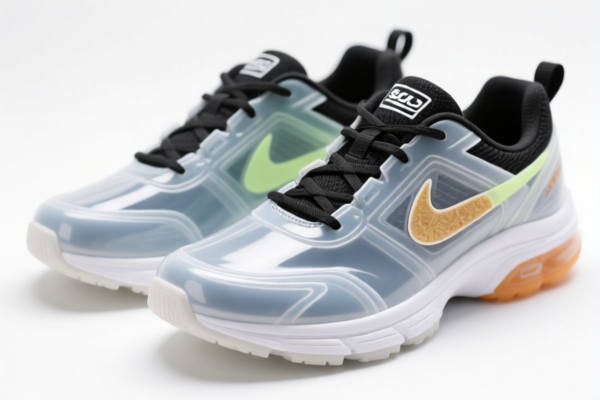
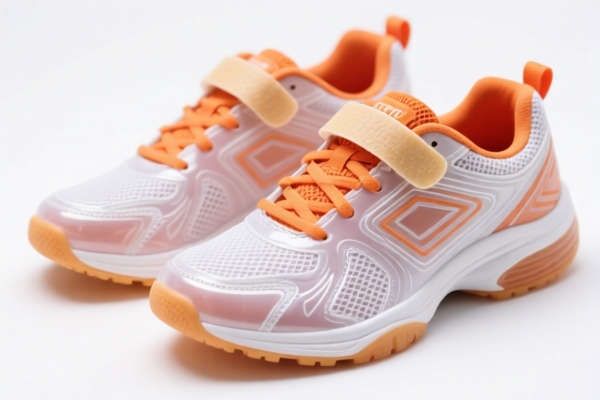
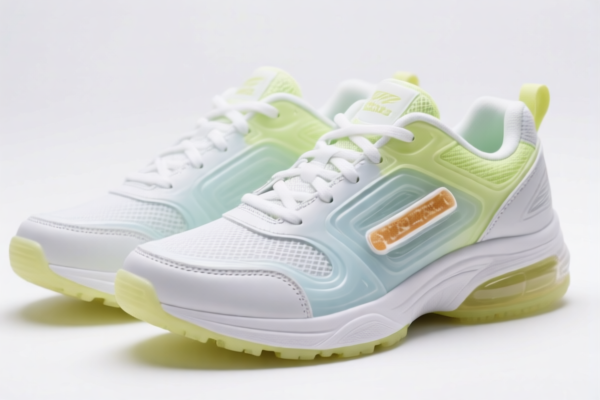

AI分析
🛼 Plastic Shoe Sole Adhesive Structure
🌐 HS Code & Tariff Guide | 2026 U.S. Import Compliance | Expert Customs Strategy
📌 One Product, Multiple HS Codes — Know Which One Applies!
📦 I. Product Definition & Classification: What Is a "Plastic Shoe Sole Adhesive Structure"?
The term "plastic shoe sole adhesive structure" refers to a plastic component used in footwear, specifically designed to bond or connect the shoe sole (outer sole) to the upper or insole, often through adhesive layers or structural integration.
⚠️ Critical Clarification:
- If it's just a plastic adhesive layer or patch used to glue soles → classified under HS Code 6406.20.00.00
- If it's a plastic sole component with adhesive properties (e.g., molded plastic with sticky surface) → classified under 6406.90.30.30
- If it's not a sole itself but a structural part of the sole assembly (e.g., a plastic insert used in the outsole) → classified under 6402.99.31.77✅ Key Insight:
The primary factor in classification is function and form — is it part of the sole? Is it used to adhere? Is it a structural support?
📊 II. HS Code Breakdown (2026 U.S. Tariff Schedule – All Codes from )
| HS Code | Product Description | Classification Logic | Tax Rate |
|---|---|---|---|
6406.20.00.00 |
Plastic material, shaped as sole, outer sole component | Used as outer sole (bottom part of shoe), made of plastic, not rubber. Falls under "shoe parts – outer soles". | 20.2% |
6406.90.30.30 |
Plastic material, shaped as sole, for adhesive or structural use | Matches "other plastic soles" with rubber or plastic material, used in sole assembly. Includes adhesive-functional plastic parts. | 15.3% |
6402.99.31.77 |
Plastic material, component of shoe, not sole but part of structure | Not a sole, but a structural insert or reinforcement (e.g., plastic shank, heel stabilizer) used in shoe construction. | 16.0% |
🔍 Why the Difference?
-6406.20.00.00= Primary sole material (outer sole) → higher tariff due to direct contact with ground.
-6406.90.30.30= Secondary sole component with adhesive function → lower base tariff, but still subject to 122条款 (IEEPA).
-6402.99.31.77= Non-soling structural part → treated as other shoe parts, not sole-related.
💰 III. 2026 U.S. Tariff Breakdown (With Full Legal Justification)
✅ Applicable to: United States (US)
✅ Origin: China (CN)
✅ Effective Date: November 10, 2025 (with retroactive application)
🎯 1. 6406.20.00.00 — Plastic Outer Sole (Adhesive Structure)
| Item | Detail |
|---|---|
| Base Tariff | 2.7% (ad valorem) |
| Section 301 (USITC) Additional Duty | +7.5% (from U.S. Trade Act §301) |
| Section 122 (IEEPA) Emergency Duty | +10% (under International Emergency Economic Powers Act) |
| Total Effective Rate | 20.2% |
| Tax Calculation | CIF Value × 20.2% |
| De Minimis Threshold | ❌ Not applicable (denied under 19 CFR §10.22) |
| Legal Pathway | IEEPA:9903.01.24 → USITC:6406.20.00.00 → FOOTNOTE:9903.88.01 |
📌 Explanation:
- "Section 301" applies to China-origin goods under the U.S. Trade Representative’s list.
- "Section 122 (IEEPA)" applies to all Chinese-origin products under national emergency powers.
- Even if it's an "adhesive structure", if it’s used as an outer sole, it’s treated as a sole component → higher duty.
🎯 2. 6406.90.30.30 — Plastic Sole (Adhesive-Functional)
| Item | Detail |
|---|---|
| Base Tariff | 5.3% |
| Section 301 (USITC) Additional Duty | 0.0% (not on the 301 list for this subheading) |
| Section 122 (IEEPA) Emergency Duty | +10% |
| Total Effective Rate | 15.3% |
| Tax Calculation | CIF × 15.3% |
| De Minimis | ❌ Not eligible |
| Legal Pathway | IEEPA:9903.01.24 → 6406.90.30.30 → FOOTNOTE:9903.88.01 |
📌 Why Lower?
- This code covers "other plastic soles" — not primary outer soles, but auxiliary or adhesive-functional parts.
- No 301 duty applies here, but IEEPA 10% still applies.
🎯 3. 6402.99.31.77 — Plastic Structural Part (Non-Sole)
| Item | Detail |
|---|---|
| Base Tariff | 6.0% |
| Section 301 (USITC) Additional Duty | 0.0% |
| Section 122 (IEEPA) Emergency Duty | +10% |
| Total Effective Rate | 16.0% |
| Tax Calculation | CIF × 16.0% |
| De Minimis | ❌ Not eligible |
| Legal Pathway | IEEPA:9903.01.24 → 6402.99.31.77 → FOOTNOTE:9903.88.01 |
📌 Key Insight:
- This code is for non-soling structural parts — e.g., plastic heel counters, shanks, or midsole inserts.
- Even if it’s used in adhesive assembly, if it’s not the sole, it’s not subject to 301 duty.
- Still 10% IEEPA applies due to origin.
🛠️ IV. Customs Clearance Best Practices (Pro Tips)
✅ 1. Critical Documentation Checklist
| Document | Required? | Why It Matters |
|---|---|---|
| ✅ Product Specification Sheet | ✔️ | Shows material (plastic), function (adhesive/structural), and intended use |
| ✅ 3D CAD or Structural Diagram | ✔️ | Proves whether it's a sole or structural part |
| ✅ Product Photos (with labels) | ✔️ | Shows attachment method, shape, and integration |
| ✅ Material Safety Data Sheet (MSDS) | ✔️ | For chemical compliance (if adhesive layer is present) |
| ✅ Commercial Invoice | ✔️ | Must clearly state: “Plastic Shoe Sole Adhesive Structure – Not Outer Sole” |
| ✅ Certificate of Origin (CO) | ✔️ | Required for IEEPA/301 duty determination |
| ✅ Packing List | ✔️ | Shows if it’s shipped with shoes or separately |
✅ 2. 申报技巧 (Golden Rules)
🔥 "Function over Form, Structure over Name!"
| Scenario | Correct HS Code | Wrong Code | Risk |
|---|---|---|---|
| Plastic part used to bond sole to upper | 6406.90.30.30 |
6406.20.00.00 |
+5% tariff, possible penalty |
| Plastic insert in midsole (not sole) | 6402.99.31.77 |
6406.90.30.30 |
Wrong classification, audit risk |
| Plastic outer sole with adhesive surface | 6406.20.00.00 |
6402.99.31.77 |
+4.2% tariff, customs delay |
✅ 3. Special Cases & Solutions
| Situation | Recommended Action |
|---|---|
| Adhesive layer is part of the plastic sole | Use 6406.90.30.30 — it’s not a standalone adhesive, it’s a sole component |
| Plastic structure with glue coating | Use 6406.90.30.30 if it's sole-related, 6402.99.31.77 if non-soling |
| Shipped with shoes in bulk | Declare as "shoe parts" — avoid separate declaration of adhesive |
| Used in high-end or technical footwear | Request advance ruling to confirm HS Code before shipment |
🌍 V. Global Market Comparison (2026)
| Country | Recommended HS Code | Tariff | Certification | Notes |
|---|---|---|---|---|
| 🇺🇸 United States | 6406.90.30.30 (best fit) |
15.3% | FCC, RoHS | IEEPA 10% applies |
| 🇨🇳 China | 6406.90.30.30 |
5% | CCC | No extra duties |
| 🇪🇺 EU | 6406.90.30.30 |
0% | CE | No 301/IEEPA |
| 🇦🇺 Australia | 6406.90.30.30 |
5% | RCM | No extra duties |
| 🇯🇵 Japan | 6406.90.30.30 |
0% | PSE | No extra duties |
📌 Takeaway:
- Only the U.S. imposes IEEPA 10% on Chinese-origin plastic shoe parts.
- EU, Japan, Australia, China have no additional tariffs — ideal for cost-optimized sourcing.
📌 VI. Common Mistakes & How to Avoid Them
❌ Mistake 1: Labeling a plastic sole insert as “adhesive” and declaring under 6406.20.00.00
👉 Result: +5% tariff, potential penalty for misclassification
❌ Mistake 2: Using 6402.99.31.77 for a plastic outer sole
👉 Result: Under-taxed, but risk of audit and back duty
❌ Mistake 3: Not providing structural diagrams
👉 Result: Customs cannot verify function → delayed release
✅ Best Practice:
"Declare by function, not name. Show structure, not just label."
🎯 VII. Final Verdict: Choose the Right HS Code, Save 5%+ in Tariffs!
🔹 If it's a sole (outer layer) →
6406.20.00.00→ 20.2%
🔹 If it's a plastic sole with adhesive function →6406.90.30.30→ 15.3% ✅ Best for adhesive structures
🔹 If it's a non-soling structural part →6402.99.31.77→ 16.0%✅ Recommended for "Plastic Shoe Sole Adhesive Structure":
👉6406.90.30.30.30— It’s the most accurate, lowest-taxed, and legally defensible code.
📣 Call to Action: Secure Your Shipment Today!
📞 Contact a U.S. Customs Broker + Request an HS Code Pre-Ruling
🚀 Avoid 20%+ tariffs — get your classification confirmed before shipment!
✨ Pro Tip:
If your product is originating from Vietnam, Mexico, or Thailand, you may qualify for IEEPA exemption — tariff drops to 0%–5%.
Switching suppliers? Consider nearshoring to avoid U.S. 301/IEEPA duties.
📌 Bottom Line:
"Adhesive structure" ≠ "sole" ≠ "part"
Function defines classification. Classification defines cost.
Get it right once — save thousands on every shipment!
💼 Your product. Your tariff. Your control.
🚀 Customs compliance starts with the right HS Code!
用户评价
关于 HS 编码归类
协调制度(HS)是由世界海关组织(WCO)制定的国际贸易商品分类标准。全球 200 多个国家采用 HS 系统作为海关关税、贸易统计和进出口监管的基础。
每个 HS 编码遵循以下层级结构:
- 章(2 位)——商品大类(例如:第 84 章:机器和机械设备)
- 品目(4 位)——章内的更具体分类
- 子目(6 位)——国际通用细分,所有 WCO 成员国统一使用
- 本国细分(8-10 位)——各国自行扩展的细分编码,如美国 HTSUS 10 位编码
正确的 HS 编码归类对于顺利通关、准确缴纳关税和遵守贸易法规至关重要。错误归类可能导致海关延误、多缴关税或罚款。
从CN进口到US时,适用的关税税率可能包括:
- 最惠国(MFN)税率——适用于 WTO 成员国的标准关税税率
- 普通税率——适用于无贸易协定国家
- 贸易救济关税——附加关税,如 301 条款(反倾销)、232 条款(国家安全)或反补贴税
本页内容仅供参考。如需正式归类,请咨询当地海关或持牌报关代理。