plastic shoe sole adhesive structure
CN → US| HS Code | Tariff Rate | Origin | Destination | Doc |
|---|---|---|---|---|
| 3926905900 | 37.4% | CN | US | Official Doc |
| 3926906090 | 39.2% | CN | US | Official Doc |
| 6406200000 | 20.2% | CN | US | Official Doc |
| 6406903030 | 15.3% | CN | US | Official Doc |
| 6402993177 | 16.0% | CN | US | Official Doc |
Product Images
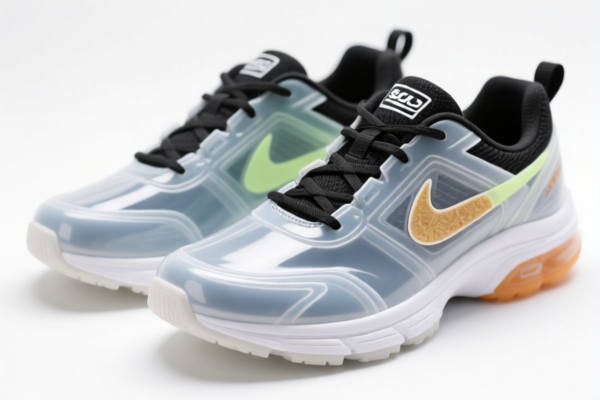
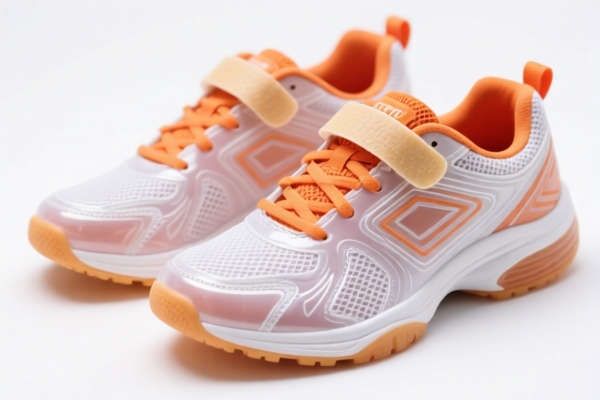
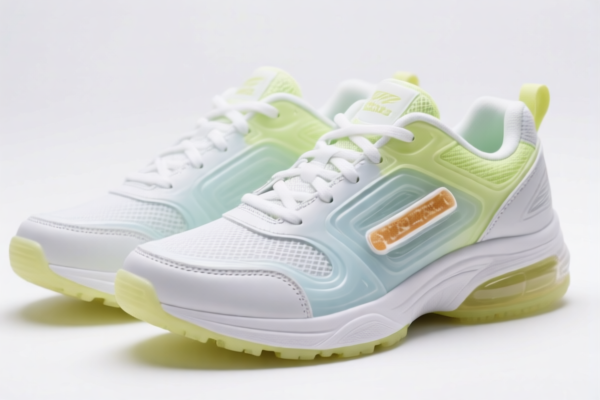

AI Analysis
🛼 Plastic Shoe Sole Adhesive Structure
🌐 HS Code & Tariff Guide | 2026 U.S. Import Compliance | Expert Customs Strategy
📌 One Product, Multiple HS Codes — Know Which One Applies!
📦 I. Product Definition & Classification: What Is a "Plastic Shoe Sole Adhesive Structure"?
The term "plastic shoe sole adhesive structure" refers to a plastic component used in footwear, specifically designed to bond or connect the shoe sole (outer sole) to the upper or insole, often through adhesive layers or structural integration.
⚠️ Critical Clarification:
- If it's just a plastic adhesive layer or patch used to glue soles → classified under HS Code 6406.20.00.00
- If it's a plastic sole component with adhesive properties (e.g., molded plastic with sticky surface) → classified under 6406.90.30.30
- If it's not a sole itself but a structural part of the sole assembly (e.g., a plastic insert used in the outsole) → classified under 6402.99.31.77✅ Key Insight:
The primary factor in classification is function and form — is it part of the sole? Is it used to adhere? Is it a structural support?
📊 II. HS Code Breakdown (2026 U.S. Tariff Schedule – All Codes from )
| HS Code | Product Description | Classification Logic | Tax Rate |
|---|---|---|---|
6406.20.00.00 |
Plastic material, shaped as sole, outer sole component | Used as outer sole (bottom part of shoe), made of plastic, not rubber. Falls under "shoe parts – outer soles". | 20.2% |
6406.90.30.30 |
Plastic material, shaped as sole, for adhesive or structural use | Matches "other plastic soles" with rubber or plastic material, used in sole assembly. Includes adhesive-functional plastic parts. | 15.3% |
6402.99.31.77 |
Plastic material, component of shoe, not sole but part of structure | Not a sole, but a structural insert or reinforcement (e.g., plastic shank, heel stabilizer) used in shoe construction. | 16.0% |
🔍 Why the Difference?
-6406.20.00.00= Primary sole material (outer sole) → higher tariff due to direct contact with ground.
-6406.90.30.30= Secondary sole component with adhesive function → lower base tariff, but still subject to 122条款 (IEEPA).
-6402.99.31.77= Non-soling structural part → treated as other shoe parts, not sole-related.
💰 III. 2026 U.S. Tariff Breakdown (With Full Legal Justification)
✅ Applicable to: United States (US)
✅ Origin: China (CN)
✅ Effective Date: November 10, 2025 (with retroactive application)
🎯 1. 6406.20.00.00 — Plastic Outer Sole (Adhesive Structure)
| Item | Detail |
|---|---|
| Base Tariff | 2.7% (ad valorem) |
| Section 301 (USITC) Additional Duty | +7.5% (from U.S. Trade Act §301) |
| Section 122 (IEEPA) Emergency Duty | +10% (under International Emergency Economic Powers Act) |
| Total Effective Rate | 20.2% |
| Tax Calculation | CIF Value × 20.2% |
| De Minimis Threshold | ❌ Not applicable (denied under 19 CFR §10.22) |
| Legal Pathway | IEEPA:9903.01.24 → USITC:6406.20.00.00 → FOOTNOTE:9903.88.01 |
📌 Explanation:
- "Section 301" applies to China-origin goods under the U.S. Trade Representative’s list.
- "Section 122 (IEEPA)" applies to all Chinese-origin products under national emergency powers.
- Even if it's an "adhesive structure", if it’s used as an outer sole, it’s treated as a sole component → higher duty.
🎯 2. 6406.90.30.30 — Plastic Sole (Adhesive-Functional)
| Item | Detail |
|---|---|
| Base Tariff | 5.3% |
| Section 301 (USITC) Additional Duty | 0.0% (not on the 301 list for this subheading) |
| Section 122 (IEEPA) Emergency Duty | +10% |
| Total Effective Rate | 15.3% |
| Tax Calculation | CIF × 15.3% |
| De Minimis | ❌ Not eligible |
| Legal Pathway | IEEPA:9903.01.24 → 6406.90.30.30 → FOOTNOTE:9903.88.01 |
📌 Why Lower?
- This code covers "other plastic soles" — not primary outer soles, but auxiliary or adhesive-functional parts.
- No 301 duty applies here, but IEEPA 10% still applies.
🎯 3. 6402.99.31.77 — Plastic Structural Part (Non-Sole)
| Item | Detail |
|---|---|
| Base Tariff | 6.0% |
| Section 301 (USITC) Additional Duty | 0.0% |
| Section 122 (IEEPA) Emergency Duty | +10% |
| Total Effective Rate | 16.0% |
| Tax Calculation | CIF × 16.0% |
| De Minimis | ❌ Not eligible |
| Legal Pathway | IEEPA:9903.01.24 → 6402.99.31.77 → FOOTNOTE:9903.88.01 |
📌 Key Insight:
- This code is for non-soling structural parts — e.g., plastic heel counters, shanks, or midsole inserts.
- Even if it’s used in adhesive assembly, if it’s not the sole, it’s not subject to 301 duty.
- Still 10% IEEPA applies due to origin.
🛠️ IV. Customs Clearance Best Practices (Pro Tips)
✅ 1. Critical Documentation Checklist
| Document | Required? | Why It Matters |
|---|---|---|
| ✅ Product Specification Sheet | ✔️ | Shows material (plastic), function (adhesive/structural), and intended use |
| ✅ 3D CAD or Structural Diagram | ✔️ | Proves whether it's a sole or structural part |
| ✅ Product Photos (with labels) | ✔️ | Shows attachment method, shape, and integration |
| ✅ Material Safety Data Sheet (MSDS) | ✔️ | For chemical compliance (if adhesive layer is present) |
| ✅ Commercial Invoice | ✔️ | Must clearly state: “Plastic Shoe Sole Adhesive Structure – Not Outer Sole” |
| ✅ Certificate of Origin (CO) | ✔️ | Required for IEEPA/301 duty determination |
| ✅ Packing List | ✔️ | Shows if it’s shipped with shoes or separately |
✅ 2. 申报技巧 (Golden Rules)
🔥 "Function over Form, Structure over Name!"
| Scenario | Correct HS Code | Wrong Code | Risk |
|---|---|---|---|
| Plastic part used to bond sole to upper | 6406.90.30.30 |
6406.20.00.00 |
+5% tariff, possible penalty |
| Plastic insert in midsole (not sole) | 6402.99.31.77 |
6406.90.30.30 |
Wrong classification, audit risk |
| Plastic outer sole with adhesive surface | 6406.20.00.00 |
6402.99.31.77 |
+4.2% tariff, customs delay |
✅ 3. Special Cases & Solutions
| Situation | Recommended Action |
|---|---|
| Adhesive layer is part of the plastic sole | Use 6406.90.30.30 — it’s not a standalone adhesive, it’s a sole component |
| Plastic structure with glue coating | Use 6406.90.30.30 if it's sole-related, 6402.99.31.77 if non-soling |
| Shipped with shoes in bulk | Declare as "shoe parts" — avoid separate declaration of adhesive |
| Used in high-end or technical footwear | Request advance ruling to confirm HS Code before shipment |
🌍 V. Global Market Comparison (2026)
| Country | Recommended HS Code | Tariff | Certification | Notes |
|---|---|---|---|---|
| 🇺🇸 United States | 6406.90.30.30 (best fit) |
15.3% | FCC, RoHS | IEEPA 10% applies |
| 🇨🇳 China | 6406.90.30.30 |
5% | CCC | No extra duties |
| 🇪🇺 EU | 6406.90.30.30 |
0% | CE | No 301/IEEPA |
| 🇦🇺 Australia | 6406.90.30.30 |
5% | RCM | No extra duties |
| 🇯🇵 Japan | 6406.90.30.30 |
0% | PSE | No extra duties |
📌 Takeaway:
- Only the U.S. imposes IEEPA 10% on Chinese-origin plastic shoe parts.
- EU, Japan, Australia, China have no additional tariffs — ideal for cost-optimized sourcing.
📌 VI. Common Mistakes & How to Avoid Them
❌ Mistake 1: Labeling a plastic sole insert as “adhesive” and declaring under 6406.20.00.00
👉 Result: +5% tariff, potential penalty for misclassification
❌ Mistake 2: Using 6402.99.31.77 for a plastic outer sole
👉 Result: Under-taxed, but risk of audit and back duty
❌ Mistake 3: Not providing structural diagrams
👉 Result: Customs cannot verify function → delayed release
✅ Best Practice:
"Declare by function, not name. Show structure, not just label."
🎯 VII. Final Verdict: Choose the Right HS Code, Save 5%+ in Tariffs!
🔹 If it's a sole (outer layer) →
6406.20.00.00→ 20.2%
🔹 If it's a plastic sole with adhesive function →6406.90.30.30→ 15.3% ✅ Best for adhesive structures
🔹 If it's a non-soling structural part →6402.99.31.77→ 16.0%✅ Recommended for "Plastic Shoe Sole Adhesive Structure":
👉6406.90.30.30.30— It’s the most accurate, lowest-taxed, and legally defensible code.
📣 Call to Action: Secure Your Shipment Today!
📞 Contact a U.S. Customs Broker + Request an HS Code Pre-Ruling
🚀 Avoid 20%+ tariffs — get your classification confirmed before shipment!
✨ Pro Tip:
If your product is originating from Vietnam, Mexico, or Thailand, you may qualify for IEEPA exemption — tariff drops to 0%–5%.
Switching suppliers? Consider nearshoring to avoid U.S. 301/IEEPA duties.
📌 Bottom Line:
"Adhesive structure" ≠ "sole" ≠ "part"
Function defines classification. Classification defines cost.
Get it right once — save thousands on every shipment!
💼 Your product. Your tariff. Your control.
🚀 Customs compliance starts with the right HS Code!
Customer Reviews
About HS Code Classification
The Harmonized System (HS) is an internationally standardized nomenclature developed by the World Customs Organization (WCO) to classify traded products. Over 200 countries use the HS system as the basis for customs tariffs, trade statistics, and import/export regulations.
Each HS code follows a hierarchical structure:
- Chapter (2 digits) — Broad category of goods (e.g., Chapter 84: Machinery and Mechanical Appliances)
- Heading (4 digits) — More specific grouping within the chapter
- Subheading (6 digits) — Internationally standardized breakdown, used by all WCO member countries
- National subdivisions (8-10 digits) — Country-specific extensions for further classification, such as US HTSUS 10-digit codes
Correct HS code classification is essential for smooth customs clearance, accurate duty payment, and compliance with trade regulations. Misclassification can lead to customs delays, overpayment of duties, or penalties.
When importing from CN to US, the applicable tariff rates may include:
- Most-Favored-Nation (MFN) rate — The standard duty rate applied to WTO members
- General rate — Applied to countries without trade agreements
- Trade remedy duties — Additional tariffs such as Section 301 (anti-dumping), Section 232 (national security), or countervailing duties
The information provided on this page is for reference purposes only. For official classification, please consult with your local customs authority or a licensed customs broker.