plastic spools high temperature resistant
CN → US| HS编码 | 关税税率 | 原产国 | 目的国 | 文档 |
|---|---|---|---|---|
| 3916903000 | 41.5% | CN | US | 官方文档 |
| 3926909989 | 22.8% | CN | US | 官方文档 |
| 3926906090 | 39.2% | CN | US | 官方文档 |
| 8448399000 | 17.5% | CN | US | 官方文档 |
| 3916905000 | 40.8% | CN | US | 官方文档 |
商品图片
AI分析
🧵 Plastic Spools – High Temperature Resistant (高强度塑料线轴)
🌐 HS Code Reference & Customs Clearance Guide | 2026 Latest Tariff Analysis | Professional Clearance Strategy
📌 One, Product Definition: What are "High-Temperature Resistant Plastic Spools"?
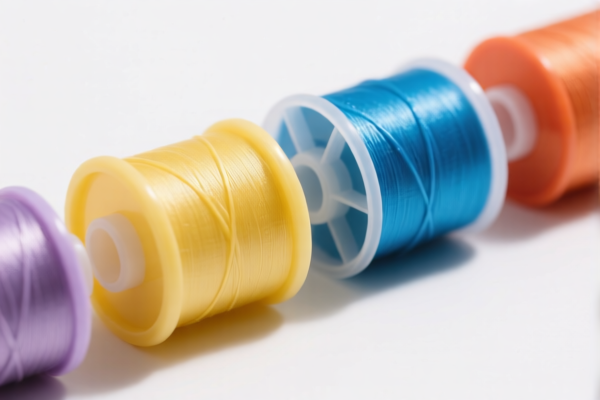
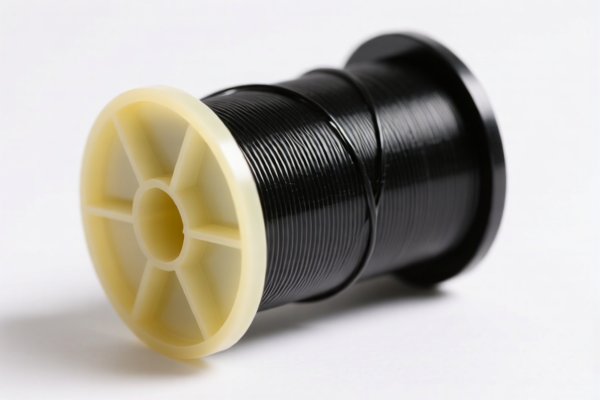
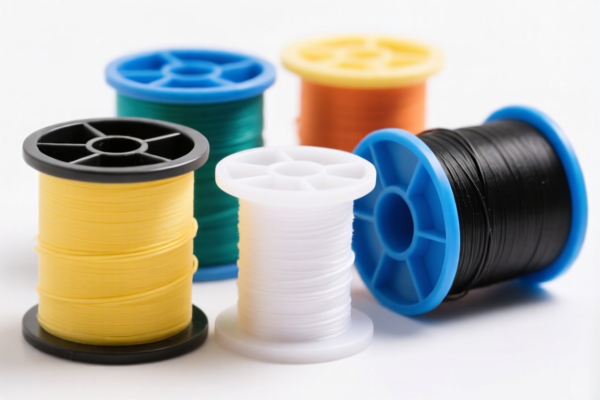
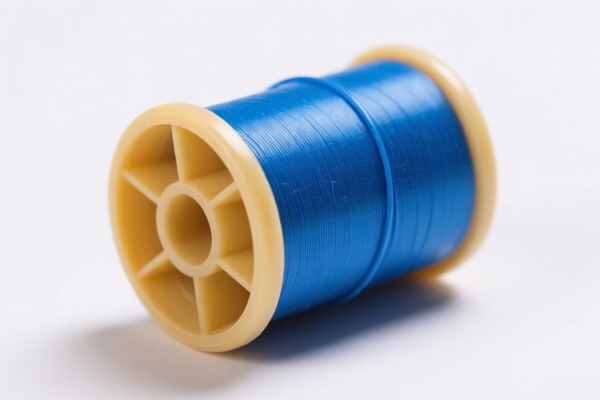
High-temperature resistant plastic spools are industrial components used for winding, storing, and transporting monofilaments, rods, bars, or other extended materials. They are engineered with specialized polymers (such as PEEK, PTFE, or reinforced Nylon) to withstand thermal stress. In international trade, their classification depends heavily on their form factor (spool shape vs. general part) and function (general use vs. specific machinery accessory).
⚠️ Key Classification Logic:
- If the spool is primarily used for winding single filaments, rods, or bars, it may fall under Chapter 39 (Articles of Plastics) or Chapter 84 (Machinery Parts).
- If it is considered a part of textile machinery, it may fall under Chapter 84.
- If it is a general plastic article without a specific machinery function, it falls under Chapter 39.
📦 Two. HS Code Classification Details (2026 Latest Tariff Authority)
| HS Code | Product Description | Application Scenario | Tax Rate (Total) |
|---|---|---|---|
3916.90.30.00 |
Plastic spools for winding monofilaments, rods, bars, etc. | Industrial filament winding, material storage | 41.5% |
3926.90.99.89 |
Other plastic articles (Spools/Cylinders as spare parts) | General purpose plastic spools,轴/卷类零配件 | 22.8% |
3926.90.60.90 |
Other plastic articles (No mechanical belt conflict) | General plastic items, no specific machinery function | 39.2% |
8448.39.90.00 |
Auxiliary machinery/accessories for textile machines | Textile industry spools, no metal conflict | 17.5% |
3916.90.50.00 |
Other plastic products (Miscellaneous forms) | General plastic articles, no specific classification | 40.8% |
🔍 Key Distinction:
- Chapter 39 (Plastics): Applied when the spool is viewed as a material container or general plastic item.
- Chapter 84 (Machinery): Applied when the spool is strictly an accessory for textile or processing machinery.
- Tariff Volatility: The total tax rate ranges from 17.5% to 41.5%, driven heavily by Section 301 and IEEPA tariffs.
💰 Three. 2026 Latest Tariff Rate Breakdown (Including Surcharges)
✅ Applicable Country: United States (US)
✅ Origin: China (CN)
✅ Effective Date: From November 10, 2025 (and subsequent imports)
🎯 1. 3916.90.30.00 – Plastic Spools for Monofilaments/Rods
| Item | Details |
|---|---|
| Base Duty Rate | 6.5% (Ad Valorem) |
| Section 301 Surcharge | +25.0% |
| 122 Clause Tariff | +10.0% |
| Total Tax Rate | 41.5% |
| Tax Calculation | CIF Value × 41.5% |
| De Minimis Exemption | ❌ Not Allowed (deny_de_minimis) |
| Legal Basis Path | USITC:3916.90.30.00 → SECTION:301 → SECTION:122 |
📌 Explanation:
- This code covers spools specifically designed for winding monofilaments, rods, or bars.
- The 41.5% total rate is among the highest, combining the base tariff, the aggressive Section 301 tariff, and the 122 Clause.
- Warning: High cost impact. Ensure the product description explicitly mentions "for monofilaments/rods" to justify this code, or risk reclassification.
🎯 2. 3926.90.99.89 – Other Plastic Articles (Spools/Cylinders)
| Item | Details |
|---|---|
| Base Duty Rate | 5.3% (Ad Valorem) |
| Section 301 Surcharge | +7.5% |
| 122 Clause Tariff | +10.0% |
| Total Tax Rate | 22.8% |
| Tax Calculation | CIF Value × 22.8% |
| De Minimis Exemption | ❌ Not Allowed (deny_de_minimis) |
| Legal Basis Path | USITC:3926.90.99.89 → SECTION:301 → SECTION:122 |
📌 Note:
- This is a "catch-all" for plastic spools that don’t fit the specific "monofilament/rod" definition but are still axis/cylinder-shaped parts.
- Cost Saving: The Section 301 rate is only 7.5% (vs. 25% for others), making this the most economical classification for general plastic spools.
- Use this if the spool is not exclusively for textile machinery but is a general industrial plastic part.
🎯 3. 3926.90.60.90 – Other Plastic Articles (No Belt Conflict)
| Item | Details |
|---|---|
| Base Duty Rate | 4.2% (Ad Valorem) |
| Section 301 Surcharge | +25.0% |
| 122 Clause Tariff | +10.0% |
| Total Tax Rate | 39.2% |
| Tax Calculation | CIF Value × 39.2% |
| De Minimis Exemption | ❌ Not Allowed (deny_de_minimis) |
| Legal Basis Path | USITC:3926.90.60.90 → SECTION:301 → SECTION:122 |
📌 Explanation:
- This code applies to plastic articles that are not belts or belting.
- Despite a low base rate (4.2%), the 25% Section 301 surcharge pushes the total to 39.2%.
- Only use this if the spool doesn’t fit the "axis/cylinder" (3926.90.99.89) or "monofilament/rod" (3916.90.30.00) descriptions.
🎯 4. 8448.39.90.00 – Textile Machinery Accessories
| Item | Details |
|---|---|
| Base Duty Rate | 0.0% (Ad Valorem) |
| Section 301 Surcharge | +7.5% |
| 122 Clause Tariff | +10.0% |
| Total Tax Rate | 17.5% |
| Tax Calculation | CIF Value × 17.5% |
| De Minimis Exemption | ❌ Not Allowed (deny_de_minimis) |
| Legal Basis Path | USITC:8448.39.90.00 → SECTION:301 → SECTION:122 |
📌 Strategic Advantage:
- Lowest Tax Rate (17.5%)!
- If your plastic spools are used exclusively or predominantly in textile machinery (e.g., winding yarn, thread, or fibers for weaving/knitting), this is the best classification.
- Key Requirement: Must prove connection to textile machinery. No metal conflicts allowed.
🎯 5. 3916.90.50.00 – Other Plastic Products (Miscellaneous)
| Item | Details |
|---|---|
| Base Duty Rate | 5.8% (Ad Valorem) |
| Section 301 Surcharge | +25.0% |
| 122 Clause Tariff | +10.0% |
| Total Tax Rate | 40.8% |
| Tax Calculation | CIF Value × 40.8% |
| De Minimis Exemption | ❌ Not Allowed (deny_de_minimis) |
| Legal Basis Path | USITC:3916.90.50.00 → SECTION:301 → SECTION:122 |
📌 Note:
- This is a residual code for plastic products in Chapter 39, Heading 3916, that don’t fit other subheadings.
- High tax rate (40.8%) due to the 25% Section 301 surcharge. Avoid unless no other classification fits.
🛠️ Four. Customs Clearance Practical Advice (Pitfall Avoidance Guide)
✅ 1. Required Documentation Checklist
| Document | Mandatory? | Description |
|---|---|---|
| ✅ Product Specification Sheet | ✔️ | Must specify material (e.g., PEEK, PTFE), temperature resistance range, and dimensions. |
| ✅ Product Photos (Labeled) | ✔️ | Clear images showing the spool shape, winding format, and any labels. |
| ✅ Commercial Invoice | ✔️ | Must clearly state "Plastic Spool, High Temp Resistant" and HS Code. |
| ✅ Packing List | ✔️ | Detail quantity, weight, and packaging type. |
| ✅ Usage Declaration | ✔️ | Explain if used for textile machinery (for 8448.39.90.00) or general filament winding (for 3916). |
| ✅ Certificate of Origin | ✔️ | For potential future preferential claims (though currently limited for CN origin). |
✅ 2. Declaration Strategies (Critical Tips)
🔥 “Know the Use, Pick the Code, Save 20% Tax!”
| Scenario | Recommended HS Code | Reason |
|---|---|---|
| Textile Machine Part | 8448.39.90.00 |
Lowest tax (17.5%). Must prove textile use. |
| General Industrial Spool (Axis/Cylinder) | 3926.90.99.89 |
Moderate tax (22.8%). Good for general winding. |
| Spool for Monofilaments/Rods | 3916.90.30.00 |
High tax (41.5%). Specific to extended forms. |
| Other Plastic Articles | 3926.90.60.90 or 3916.90.50.00 |
High tax (39-41%). Avoid if possible. |
⚠️ Warning:
- Do Not Split Shipments: If a shipment contains both textile spools and general spools, do not mix declarations unless justified.
- Material Proof: High-temp resistance must be supported by material certificates (e.g., TDS, MSDS).
✅ 3. Special Cases
| Case | Handling Advice |
|---|---|
| Spools with Metal Axles | If metal parts are integral, the product may be classified under Chapter 73/76/83 (Metal) or remain plastic if metal is minor. Consult a specialist. |
| Custom-Designed Spools | Provide CAD drawings and client design specs to support specific HS Code justification. |
| Mixed Packaging | If spools are packed with cables/filaments, declare separately to avoid misclassification. |
🌍 Five. Global Market Comparison (2026 Latest)
| Country/Region | Recommended HS Code | Total Tax (CN Origin) | Certification | Notes |
|---|---|---|---|---|
| 🇺🇸 USA | 8448.39.90.00 (Best) |
17.5% | None Specific | Lowest rate for textile use. General plastic: 22.8%–41.5%. |
| 🇨🇳 China | 3916.90.30.00 or 8448.39.90.00 |
6.5%–10% | CCC (if applicable) | Base tax only. No Section 301. |
| 🇪🇺 EU | 3926.90.99 |
0%–6.5% | REACH, RoHS | Lower base tariffs. No US-style surcharges. |
| 🇬🇧 UK | 3926.90.99 |
0%–6.5% | UKCA, REACH | Post-Brexit rules similar to EU. |
| 🇯🇵 Japan | 3926.90.99 |
3%–5% | PSE (if electrical) | Competitive rates. |
📌 Conclusion:
- The US market is the most complex and costly due to Section 301 and 122 Clause tariffs.
- Strategic Move: If possible, classify as Textile Machinery Accessory (8448.39.90.00) to reduce tax to 17.5%.
- If not textile, use3926.90.99.89for 22.8% instead of the 40%+ options.
📌 Six. Common Errors & Pitfall Avoidance (Lessons Learned)
❌ Error 1: Declaring all plastic spools as 3916.90.30.00 (41.5%) without justification.
👉 Consequence: Overpayment of tax. If it’s a general plastic part, use 3926.90.99.89 (22.8%).
❌ Error 2: Misclassifying textile spools as general plastic (3926).
👉 Consequence: Under-declaration risk if customs audits and finds textile use. Use 8448.39.90.00 (17.5%) correctly.
❌ Error 3: Ignoring the 122 Clause Tariff (+10%).
👉 Consequence: Unexpected tax bill at customs. All Chinese plastic spools face this surcharge.
❌ Error 4: Failing to provide Material Certificates for high-temp resistance.
👉 Consequence: Customs may doubt the product description, leading to delays or reclassification.
✅ Correct Approach:
"High-Temperature Resistant Plastic Spool, Made of PEEK, for Textile Machinery Winding, Model XYZ, No Metal Components"
🎯 Seven. Conclusion: Professional Classification, Cost Optimization!
🎯 Key Takeaway:
🔹 "Textile Use = 17.5% | General Plastic Axis = 22.8% | Monofilament/Rod = 41.5%"
🔹 "Don’t pay 41.5% if you can pay 17.5%! Justify your use case!"
📌 Pro Tip:
- If your spools are shipped from Vietnam or Malaysia, check if they qualify for IEEPA exemptions or lower tariffs.
- Apply for an Advance Ruling with US Customs if you have a large, consistent shipment. This locks in the HS Code and tax rate, reducing audit risk.
📣 Immediate Action:
📞 Contact a professional customs broker.
📄 Prepare Product TDS and Usage Declaration.
🚀 Optimize your HS Code to save up to 24% in taxes!
✨ Smart Customs Clearance, From Accurate Classification!
💼 Every Percent Saved is Profit Earned!
用户评价
关于 HS 编码归类
协调制度(HS)是由世界海关组织(WCO)制定的国际贸易商品分类标准。全球 200 多个国家采用 HS 系统作为海关关税、贸易统计和进出口监管的基础。
每个 HS 编码遵循以下层级结构:
- 章(2 位)——商品大类(例如:第 84 章:机器和机械设备)
- 品目(4 位)——章内的更具体分类
- 子目(6 位)——国际通用细分,所有 WCO 成员国统一使用
- 本国细分(8-10 位)——各国自行扩展的细分编码,如美国 HTSUS 10 位编码
正确的 HS 编码归类对于顺利通关、准确缴纳关税和遵守贸易法规至关重要。错误归类可能导致海关延误、多缴关税或罚款。
从CN进口到US时,适用的关税税率可能包括:
- 最惠国(MFN)税率——适用于 WTO 成员国的标准关税税率
- 普通税率——适用于无贸易协定国家
- 贸易救济关税——附加关税,如 301 条款(反倾销)、232 条款(国家安全)或反补贴税
本页内容仅供参考。如需正式归类,请咨询当地海关或持牌报关代理。