polypropylene woven bags moisture proof
CN → US| HS编码 | 关税税率 | 原产国 | 目的国 | 文档 |
|---|---|---|---|---|
| 3923290000 | 38.0% | CN | US | 官方文档 |
| 6305330080 | 25.9% | CN | US | 官方文档 |
| 6305330010 | 25.9% | CN | US | 官方文档 |
| 3923290000 | 38.0% | CN | US | 官方文档 |
| 6305330080 | 25.9% | CN | US | 官方文档 |
商品图片
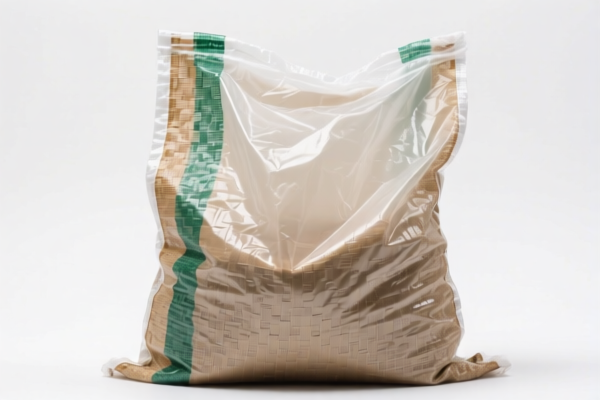
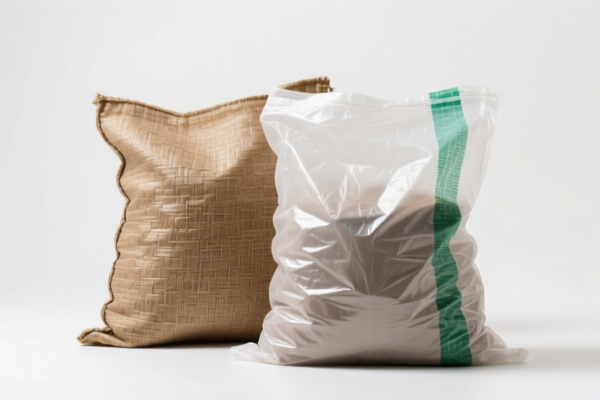
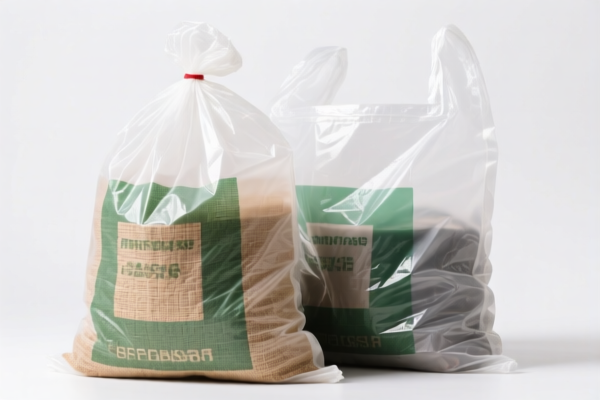
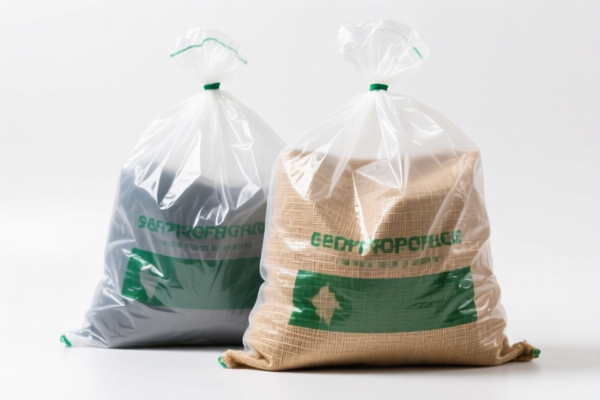
AI分析
🌾 Polypropylene Woven Bags (Moisture-Proof Treatment)
🌐 HS Code Reference & Customs Clearance Guide | 2026 Latest Tariff Analysis | Professional-Level Clearance Strategy
📌 I. Product Definition & Classification: What Are "Moisture-Proof Polypropylene Woven Bags"?
Polypropylene (PP) woven bags are heavy-duty packaging solutions widely used for agricultural products, chemicals, plastics, and construction materials. When labeled as "moisture-proof," it typically implies one of the following structures: 1. Laminated Bags: PP woven fabric laminated with a thin plastic film (PP or PE) to block moisture. 2. Coated Bags: PP woven fabric coated with a polymer to enhance water resistance. 3. Valve/Bottom-Open Bags: Special shapes for bulk filling, often with moisture barriers.
⚠️ Key Distinction in Classification:
- If the bag is primarily plastic material (e.g., laminated with significant plastic film, or treated as a plastic container) → It often falls under Chapter 39 (Plastics and Articles Thereof).
- If the bag is primarily textile material (PP woven fabric is the main structural component, even if coated) → It often falls under Chapter 63 (Other made-up textile articles).Critical Note: US Customs (CBP) frequently scrutinizes this distinction. "Moisture-proof" features alone do not determine the chapter; the principal material and manufacturing process do.
📦 II. HS Code Classification Details (2026 Latest Tariff Authority Comparison)
Based on the provided data, here are the two possible classification paths. Choose the one that matches your actual product structure.
| HS Code | Product Description | Key Characteristics | Applicable Scenario |
|---|---|---|---|
| 3923.29.00.00 | Plastics; Articles for the conveyance or packing of goods, of plastics: Other | - Material: Plastic (PP woven laminated/coated counts as plastic article). - Form: Sacks, bags, pouches. - Feature: Moisture-proof via lamination/coating is considered a plastic packaging article. |
- Bags where the plastic film/lamination is integral and defines the "plastic" nature. - Often used for anti-aging, UV-resistant, or heavy-duty laminated sacks. - Example: "Anti-tear PP woven bag with PP film lamination." |
| 6305.33.00.80 | Sacks and bags, of a kind used for the packing of goods, made up of textile materials: Other: Of polypropylene strips or the like | - Material: Textile (PP woven fabric). - Form: Sacks/bags for packaging. - Feature: General-purpose PP woven bags. |
- Standard PP woven bags, even if slightly water-resistant due to coating. - When the primary characteristic is the woven textile fabric. |
| 6305.33.00.10 | Sacks and bags, of a kind used for the packing of goods, made up of textile materials: Other: Of polypropylene strips or the like: Of polypropylene (PP) or polyethylene (PE) strips | - Material: Textile (PP/PE strips). - Form: Sacks/bags. - Feature: Specific definition of PP/PE strip-made bags. |
- Standard PP woven bags with clear PP/PE strip composition. - Often used for agricultural packaging (rice, wheat, fertilizer). |
🔍 Critical Classification Logic:
- Path A (3923.29.00.00): If the bag is laminated with a continuous plastic film, CBP may classify it as a "plastic article" because the plastic layer provides the primary utility (moisture barrier).
- Path B (6305.33.00.*): If the bag is just coated or woven without a significant separate film layer, it remains a "textile article."
- "Anti-tear" Feature: Mentioning "anti-tear" (as in the data) does not change the chapter but confirms the durability typical of PP woven products.
💰 III. 2026 Latest Tariff Rate Breakdown (Including Additional Duties & Policy Surcharges)
✅ Applicable Country: United States (US)
✅ Country of Origin: China (CN)
✅ Effective Time: November 10, 2025 onwards (and subsequent imports)
🎯 1. HS Code 3923.29.00.00 – Plastic Packing Articles (Laminated PP Bags)
| Item | Detail |
|---|---|
| Base Tariff Rate | 3.0% (Most Favored Nation rate) |
| Section 301 Additional Tariff | +25.0% (From USITC Footnote 9903.01.25) |
| Section 122 Tariff (IEEPA) | +10.0% (Targeted China/Heritage Products) |
| Total Effective Tariff | 38.0% |
| Tax Calculation | CIF Value × 38.0% |
| De Minimis Exemption? | ❌ NO (Section 301 tariffs apply; de minimis does not waive 301 duties) |
| Legal Basis Path | IEEPA:9903.01.25 → IEEPA:9903.01.24 → USITC:3923.29.00.00 → FOOTNOTE:9903.88.01 |
📌 Explanation:
- The 3.0% base rate is low, but the 25% Section 301 duty is the major cost driver.
- The 10% Section 122 duty is an additional surcharge specific to certain Chinese goods under the International Emergency Economic Powers Act.
- Total 38% is a high barrier for low-margin plastic packaging.
🎯 2. HS Code 6305.33.00.80 & 6305.33.00.10 – Textile PP Woven Bags
| Item | Detail |
|---|---|
| Base Tariff Rate | 8.4% (MFN rate for textile bags) |
| Section 301 Additional Tariff | +7.5% (Note: Lower than 25% for some textile categories under specific exclusions or different HTS interpretations, but see warning below) |
| Section 122 Tariff (IEEPA) | +10.0% |
| Total Effective Tariff | 25.9% |
| Tax Calculation | CIF Value × 25.9% |
| De Minimis Exemption? | ❌ NO (Section 301 tariffs apply) |
| Legal Basis Path | IEEPA:9903.01.24 → IEEPA:9901.25 → USITC:6305.33.00.* → FOOTNOTE:9903.88.01 |
📌 Explanation:
- The base rate (8.4%) is higher than the plastic base rate (3.0%).
- However, the Section 301 duty is only 7.5% (significantly lower than the 25% for plastics).
- The 10% Section 122 applies regardless.
- Total 25.9% is lower than 38.0%, making this classification more cost-effective IF the product qualifies as a textile article.⚠️ Warning:
If CBP reclassifies your6305bag as3923(plastic), you will face the 38.0% rate. Proper documentation is key to maintaining the 25.9% rate.
🛠️ IV. Customs Clearance Practical Advice (Avoiding Pitfalls)
✅ 1. Essential Documentation Checklist (Non-Negotiable)
| Document | Required? | Purpose |
|---|---|---|
| ✅ Product Specification Sheet | ✔️ | Must state: "PP Woven Fabric," "Lamination Type" (if any), "Water Resistance Level." |
| ✅ Material Composition Breakdown | ✔️ | Detail the % of PP fabric vs. plastic film. If film < 5%, argue for "Textile" (6305). If film is structural, "Plastic" (3923). |
| ✅ Product Photos | ✔️ | Clear shots of the bag surface, edges, and any lamination layer. |
| ✅ Commercial Invoice | ✔️ | Must describe goods as "PP Woven Sacks for Packaging," not just "Bags." |
| ✅ Packing List | ✔️ | Weight and dimensions of each bag. |
| ✅ Origin Certificate | ✔️ | To prove China origin (triggering tariffs) or non-China origin (avoiding tariffs). |
✅ 2. Declaration Strategy (Key Mnemonics)
🔥 "Material Matters: Fabric = 6305 (25.9%), Plastic = 3923 (38.0%)"
| Scenario | Correct Declaration | Incorrect Declaration | Consequence |
|---|---|---|---|
| Standard PP Woven Bag (Coated) | 6305.33.00.10 - "PP Woven Sacks, Moisture-Resistant" |
3923.29.00.00 - "Plastic Bags" |
Overpayment of ~12.1% duty. |
| Laminated PP Bag (With Plastic Film) | 3923.29.00.00 - "Laminated PP Sacks" |
6305.33.00.80 - "Textile Bags" |
Risk of reclassification, penalties, and back-taxes. |
| Anti-Tear PP Bag | 3923.29.00.00 (if laminated) or 6305.33.00.10 (if woven) |
Generic "Packaging Bags" | Ambiguity leads to CBP audit. |
✅ 3. Special Handling for "Moisture-Proof" Claim
| Issue | Advice |
|---|---|
| If Laminated | Clearly state "Laminated with PP Film" in the invoice. This supports 3923 classification but accepts the higher rate. |
| If Coated Only | State "Polypropylene Woven Fabric, Water-Resistant Coating." This supports 6305 classification and the lower rate. |
| Avoid "Plastic" in Name | If using 6305, avoid calling it a "Plastic Bag." Use "Textile Bag" or "PP Woven Sack." |
🌍 V. Global Market Comparison (2026)
| Country/Region | Recommended HS Code | Tariff Rate | Notes |
|---|---|---|---|
| 🇺🇸 USA | 6305.33.00.10 |
25.9% | Best option if textile classification is valid. |
| 🇺🇸 USA | 3923.29.00.00 |
38.0% | Applies to laminated/plastic-heavy bags. |
| 🇪🇺 EU | 6305.33.00 |
0% - 4% | No Section 301 equivalent. Lower base rates. |
| 🇨🇳 China | 6305.33.00 |
8.4% | Import duty only. No additional tariffs. |
📌 Conclusion:
- For US imports, the 25.9% rate (6305.33.00.10) is significantly cheaper than 38.0% (3923.29.00.00).
- Strategy: If your bag is only coated (not laminated), ensure your documentation emphasizes the textile nature of the PP woven fabric to justify the6305classification.
- If the bag is heavily laminated (plastic film visible as a separate layer),3923may be unavoidable.
📌 VI. Common Mistakes & Pitfalls (Blood & Tears Lessons)
❌ Mistake 1: Calling all PP bags "Plastic Bags" in the invoice.
👉 Result: CBP may classify as 3923 (38.0%) even if it's a simple woven bag.
👉 Fix: Use "PP Woven Sacks" or "Textile Packaging Bags."
❌ Mistake 2: Ignoring the "Lamination" vs. "Coating" distinction.
👉 Result: Misclassification leads to audits and back-taxes.
👉 Fix: Provide a material breakdown showing the structure of the bag.
❌ Mistake 3: Assuming "Moisture-Proof" = Plastic.
👉 Result: "Moisture-proof" can be achieved via coating on textile.
👉 Fix: Specify "Water-Resistant Coating" if applicable.
✅ Correct Declaration Example:
"Polypropylene Woven Sacks, Moisture-Resistant, Coated Surface, For Agricultural Packaging, Model XYZ, Made in China"
🎯 VII. Conclusion: Smart Classification, Cost Savings!
🎯 Remember the Mnemonic:
🔹 "Woven Fabric = 6305 (25.9%), Laminated Plastic = 3923 (38.0%)."
🔹 "Coated is Textile, Laminated is Plastic."
🔹 "HS Code decides your cost, 12.1% difference is real!"
📌 Pro Tip:
If you have high volume imports, consider applying for a CBP Binding Ruling before shipment. This legally locks in the HS Code classification, preventing disputes at customs.
📣 Immediate Action:
📞 Contact your customs broker with the material breakdown of your bags.
🚀 Decide: Is it Coated (Textile, 25.9%) or Laminated (Plastic, 38.0%)?
💼 Precision in description saves thousands in tariffs!
✨ Professional Customs Clearance Starts with Accurate Classification!
💼 Every dollar saved in tariffs is pure profit!
用户评价
关于 HS 编码归类
协调制度(HS)是由世界海关组织(WCO)制定的国际贸易商品分类标准。全球 200 多个国家采用 HS 系统作为海关关税、贸易统计和进出口监管的基础。
每个 HS 编码遵循以下层级结构:
- 章(2 位)——商品大类(例如:第 84 章:机器和机械设备)
- 品目(4 位)——章内的更具体分类
- 子目(6 位)——国际通用细分,所有 WCO 成员国统一使用
- 本国细分(8-10 位)——各国自行扩展的细分编码,如美国 HTSUS 10 位编码
正确的 HS 编码归类对于顺利通关、准确缴纳关税和遵守贸易法规至关重要。错误归类可能导致海关延误、多缴关税或罚款。
从CN进口到US时,适用的关税税率可能包括:
- 最惠国(MFN)税率——适用于 WTO 成员国的标准关税税率
- 普通税率——适用于无贸易协定国家
- 贸易救济关税——附加关税,如 301 条款(反倾销)、232 条款(国家安全)或反补贴税
本页内容仅供参考。如需正式归类,请咨询当地海关或持牌报关代理。