polypropylene woven bags moisture proof
CN → US| HS Code | Tariff Rate | Origin | Destination | Doc |
|---|---|---|---|---|
| 3923290000 | 38.0% | CN | US | Official Doc |
| 6305330080 | 25.9% | CN | US | Official Doc |
| 6305330010 | 25.9% | CN | US | Official Doc |
| 3923290000 | 38.0% | CN | US | Official Doc |
| 6305330080 | 25.9% | CN | US | Official Doc |
Product Images
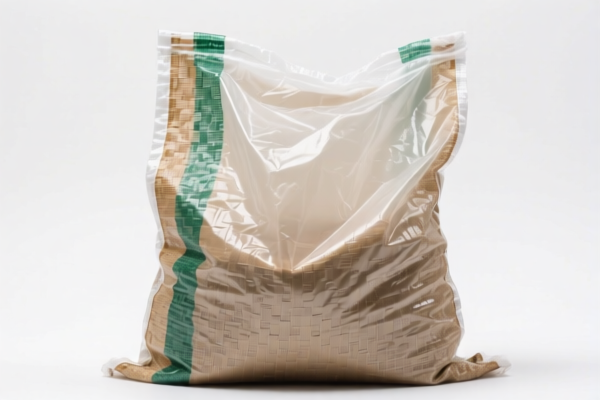
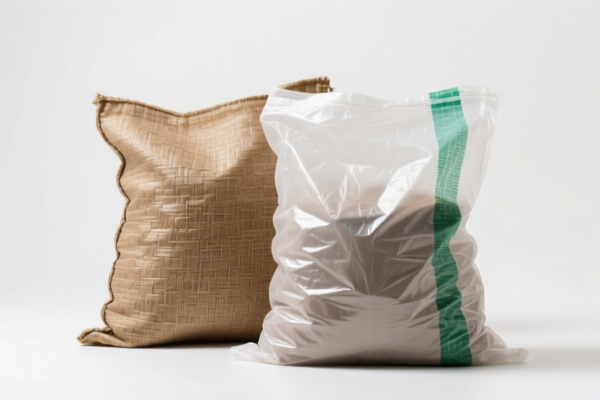
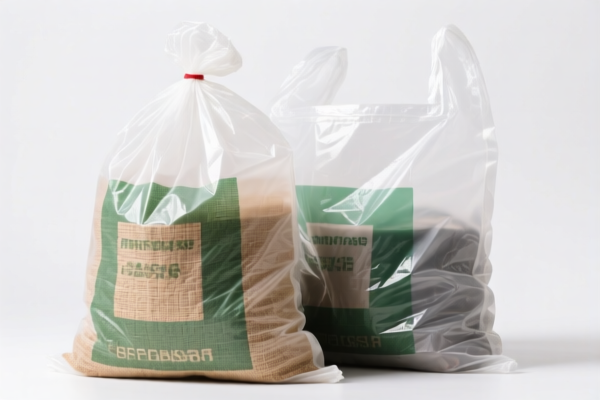
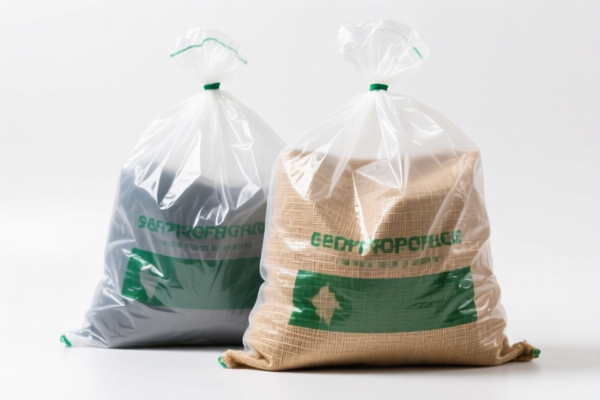
AI Analysis
🌾 Polypropylene Woven Bags (Moisture-Proof Treatment)
🌐 HS Code Reference & Customs Clearance Guide | 2026 Latest Tariff Analysis | Professional-Level Clearance Strategy
📌 I. Product Definition & Classification: What Are "Moisture-Proof Polypropylene Woven Bags"?
Polypropylene (PP) woven bags are heavy-duty packaging solutions widely used for agricultural products, chemicals, plastics, and construction materials. When labeled as "moisture-proof," it typically implies one of the following structures: 1. Laminated Bags: PP woven fabric laminated with a thin plastic film (PP or PE) to block moisture. 2. Coated Bags: PP woven fabric coated with a polymer to enhance water resistance. 3. Valve/Bottom-Open Bags: Special shapes for bulk filling, often with moisture barriers.
⚠️ Key Distinction in Classification:
- If the bag is primarily plastic material (e.g., laminated with significant plastic film, or treated as a plastic container) → It often falls under Chapter 39 (Plastics and Articles Thereof).
- If the bag is primarily textile material (PP woven fabric is the main structural component, even if coated) → It often falls under Chapter 63 (Other made-up textile articles).Critical Note: US Customs (CBP) frequently scrutinizes this distinction. "Moisture-proof" features alone do not determine the chapter; the principal material and manufacturing process do.
📦 II. HS Code Classification Details (2026 Latest Tariff Authority Comparison)
Based on the provided data, here are the two possible classification paths. Choose the one that matches your actual product structure.
| HS Code | Product Description | Key Characteristics | Applicable Scenario |
|---|---|---|---|
| 3923.29.00.00 | Plastics; Articles for the conveyance or packing of goods, of plastics: Other | - Material: Plastic (PP woven laminated/coated counts as plastic article). - Form: Sacks, bags, pouches. - Feature: Moisture-proof via lamination/coating is considered a plastic packaging article. |
- Bags where the plastic film/lamination is integral and defines the "plastic" nature. - Often used for anti-aging, UV-resistant, or heavy-duty laminated sacks. - Example: "Anti-tear PP woven bag with PP film lamination." |
| 6305.33.00.80 | Sacks and bags, of a kind used for the packing of goods, made up of textile materials: Other: Of polypropylene strips or the like | - Material: Textile (PP woven fabric). - Form: Sacks/bags for packaging. - Feature: General-purpose PP woven bags. |
- Standard PP woven bags, even if slightly water-resistant due to coating. - When the primary characteristic is the woven textile fabric. |
| 6305.33.00.10 | Sacks and bags, of a kind used for the packing of goods, made up of textile materials: Other: Of polypropylene strips or the like: Of polypropylene (PP) or polyethylene (PE) strips | - Material: Textile (PP/PE strips). - Form: Sacks/bags. - Feature: Specific definition of PP/PE strip-made bags. |
- Standard PP woven bags with clear PP/PE strip composition. - Often used for agricultural packaging (rice, wheat, fertilizer). |
🔍 Critical Classification Logic:
- Path A (3923.29.00.00): If the bag is laminated with a continuous plastic film, CBP may classify it as a "plastic article" because the plastic layer provides the primary utility (moisture barrier).
- Path B (6305.33.00.*): If the bag is just coated or woven without a significant separate film layer, it remains a "textile article."
- "Anti-tear" Feature: Mentioning "anti-tear" (as in the data) does not change the chapter but confirms the durability typical of PP woven products.
💰 III. 2026 Latest Tariff Rate Breakdown (Including Additional Duties & Policy Surcharges)
✅ Applicable Country: United States (US)
✅ Country of Origin: China (CN)
✅ Effective Time: November 10, 2025 onwards (and subsequent imports)
🎯 1. HS Code 3923.29.00.00 – Plastic Packing Articles (Laminated PP Bags)
| Item | Detail |
|---|---|
| Base Tariff Rate | 3.0% (Most Favored Nation rate) |
| Section 301 Additional Tariff | +25.0% (From USITC Footnote 9903.01.25) |
| Section 122 Tariff (IEEPA) | +10.0% (Targeted China/Heritage Products) |
| Total Effective Tariff | 38.0% |
| Tax Calculation | CIF Value × 38.0% |
| De Minimis Exemption? | ❌ NO (Section 301 tariffs apply; de minimis does not waive 301 duties) |
| Legal Basis Path | IEEPA:9903.01.25 → IEEPA:9903.01.24 → USITC:3923.29.00.00 → FOOTNOTE:9903.88.01 |
📌 Explanation:
- The 3.0% base rate is low, but the 25% Section 301 duty is the major cost driver.
- The 10% Section 122 duty is an additional surcharge specific to certain Chinese goods under the International Emergency Economic Powers Act.
- Total 38% is a high barrier for low-margin plastic packaging.
🎯 2. HS Code 6305.33.00.80 & 6305.33.00.10 – Textile PP Woven Bags
| Item | Detail |
|---|---|
| Base Tariff Rate | 8.4% (MFN rate for textile bags) |
| Section 301 Additional Tariff | +7.5% (Note: Lower than 25% for some textile categories under specific exclusions or different HTS interpretations, but see warning below) |
| Section 122 Tariff (IEEPA) | +10.0% |
| Total Effective Tariff | 25.9% |
| Tax Calculation | CIF Value × 25.9% |
| De Minimis Exemption? | ❌ NO (Section 301 tariffs apply) |
| Legal Basis Path | IEEPA:9903.01.24 → IEEPA:9901.25 → USITC:6305.33.00.* → FOOTNOTE:9903.88.01 |
📌 Explanation:
- The base rate (8.4%) is higher than the plastic base rate (3.0%).
- However, the Section 301 duty is only 7.5% (significantly lower than the 25% for plastics).
- The 10% Section 122 applies regardless.
- Total 25.9% is lower than 38.0%, making this classification more cost-effective IF the product qualifies as a textile article.⚠️ Warning:
If CBP reclassifies your6305bag as3923(plastic), you will face the 38.0% rate. Proper documentation is key to maintaining the 25.9% rate.
🛠️ IV. Customs Clearance Practical Advice (Avoiding Pitfalls)
✅ 1. Essential Documentation Checklist (Non-Negotiable)
| Document | Required? | Purpose |
|---|---|---|
| ✅ Product Specification Sheet | ✔️ | Must state: "PP Woven Fabric," "Lamination Type" (if any), "Water Resistance Level." |
| ✅ Material Composition Breakdown | ✔️ | Detail the % of PP fabric vs. plastic film. If film < 5%, argue for "Textile" (6305). If film is structural, "Plastic" (3923). |
| ✅ Product Photos | ✔️ | Clear shots of the bag surface, edges, and any lamination layer. |
| ✅ Commercial Invoice | ✔️ | Must describe goods as "PP Woven Sacks for Packaging," not just "Bags." |
| ✅ Packing List | ✔️ | Weight and dimensions of each bag. |
| ✅ Origin Certificate | ✔️ | To prove China origin (triggering tariffs) or non-China origin (avoiding tariffs). |
✅ 2. Declaration Strategy (Key Mnemonics)
🔥 "Material Matters: Fabric = 6305 (25.9%), Plastic = 3923 (38.0%)"
| Scenario | Correct Declaration | Incorrect Declaration | Consequence |
|---|---|---|---|
| Standard PP Woven Bag (Coated) | 6305.33.00.10 - "PP Woven Sacks, Moisture-Resistant" |
3923.29.00.00 - "Plastic Bags" |
Overpayment of ~12.1% duty. |
| Laminated PP Bag (With Plastic Film) | 3923.29.00.00 - "Laminated PP Sacks" |
6305.33.00.80 - "Textile Bags" |
Risk of reclassification, penalties, and back-taxes. |
| Anti-Tear PP Bag | 3923.29.00.00 (if laminated) or 6305.33.00.10 (if woven) |
Generic "Packaging Bags" | Ambiguity leads to CBP audit. |
✅ 3. Special Handling for "Moisture-Proof" Claim
| Issue | Advice |
|---|---|
| If Laminated | Clearly state "Laminated with PP Film" in the invoice. This supports 3923 classification but accepts the higher rate. |
| If Coated Only | State "Polypropylene Woven Fabric, Water-Resistant Coating." This supports 6305 classification and the lower rate. |
| Avoid "Plastic" in Name | If using 6305, avoid calling it a "Plastic Bag." Use "Textile Bag" or "PP Woven Sack." |
🌍 V. Global Market Comparison (2026)
| Country/Region | Recommended HS Code | Tariff Rate | Notes |
|---|---|---|---|
| 🇺🇸 USA | 6305.33.00.10 |
25.9% | Best option if textile classification is valid. |
| 🇺🇸 USA | 3923.29.00.00 |
38.0% | Applies to laminated/plastic-heavy bags. |
| 🇪🇺 EU | 6305.33.00 |
0% - 4% | No Section 301 equivalent. Lower base rates. |
| 🇨🇳 China | 6305.33.00 |
8.4% | Import duty only. No additional tariffs. |
📌 Conclusion:
- For US imports, the 25.9% rate (6305.33.00.10) is significantly cheaper than 38.0% (3923.29.00.00).
- Strategy: If your bag is only coated (not laminated), ensure your documentation emphasizes the textile nature of the PP woven fabric to justify the6305classification.
- If the bag is heavily laminated (plastic film visible as a separate layer),3923may be unavoidable.
📌 VI. Common Mistakes & Pitfalls (Blood & Tears Lessons)
❌ Mistake 1: Calling all PP bags "Plastic Bags" in the invoice.
👉 Result: CBP may classify as 3923 (38.0%) even if it's a simple woven bag.
👉 Fix: Use "PP Woven Sacks" or "Textile Packaging Bags."
❌ Mistake 2: Ignoring the "Lamination" vs. "Coating" distinction.
👉 Result: Misclassification leads to audits and back-taxes.
👉 Fix: Provide a material breakdown showing the structure of the bag.
❌ Mistake 3: Assuming "Moisture-Proof" = Plastic.
👉 Result: "Moisture-proof" can be achieved via coating on textile.
👉 Fix: Specify "Water-Resistant Coating" if applicable.
✅ Correct Declaration Example:
"Polypropylene Woven Sacks, Moisture-Resistant, Coated Surface, For Agricultural Packaging, Model XYZ, Made in China"
🎯 VII. Conclusion: Smart Classification, Cost Savings!
🎯 Remember the Mnemonic:
🔹 "Woven Fabric = 6305 (25.9%), Laminated Plastic = 3923 (38.0%)."
🔹 "Coated is Textile, Laminated is Plastic."
🔹 "HS Code decides your cost, 12.1% difference is real!"
📌 Pro Tip:
If you have high volume imports, consider applying for a CBP Binding Ruling before shipment. This legally locks in the HS Code classification, preventing disputes at customs.
📣 Immediate Action:
📞 Contact your customs broker with the material breakdown of your bags.
🚀 Decide: Is it Coated (Textile, 25.9%) or Laminated (Plastic, 38.0%)?
💼 Precision in description saves thousands in tariffs!
✨ Professional Customs Clearance Starts with Accurate Classification!
💼 Every dollar saved in tariffs is pure profit!
Customer Reviews
About HS Code Classification
The Harmonized System (HS) is an internationally standardized nomenclature developed by the World Customs Organization (WCO) to classify traded products. Over 200 countries use the HS system as the basis for customs tariffs, trade statistics, and import/export regulations.
Each HS code follows a hierarchical structure:
- Chapter (2 digits) — Broad category of goods (e.g., Chapter 84: Machinery and Mechanical Appliances)
- Heading (4 digits) — More specific grouping within the chapter
- Subheading (6 digits) — Internationally standardized breakdown, used by all WCO member countries
- National subdivisions (8-10 digits) — Country-specific extensions for further classification, such as US HTSUS 10-digit codes
Correct HS code classification is essential for smooth customs clearance, accurate duty payment, and compliance with trade regulations. Misclassification can lead to customs delays, overpayment of duties, or penalties.
When importing from CN to US, the applicable tariff rates may include:
- Most-Favored-Nation (MFN) rate — The standard duty rate applied to WTO members
- General rate — Applied to countries without trade agreements
- Trade remedy duties — Additional tariffs such as Section 301 (anti-dumping), Section 232 (national security), or countervailing duties
The information provided on this page is for reference purposes only. For official classification, please consult with your local customs authority or a licensed customs broker.