popsicle moulds
CN → US| HS编码 | 关税税率 | 原产国 | 目的国 | 文档 |
|---|---|---|---|---|
| 3924104000 | 13.4% | CN | US | 官方文档 |
| 8438909090 | 37.8% | CN | US | 官方文档 |
| 3924905650 | 20.9% | CN | US | 官方文档 |
| 8438800000 | 35.0% | CN | US | 官方文档 |
| 7323999030 | 88.4% | CN | US | 官方文档 |
商品图片
AI分析
🍦 Popsicle Moulds & Ice Cream Manufacturing Equipment
🌐 HS Code Reference & Customs Clearance Guide | 2026 Latest Tariff Breakdown | Professional Clearance Strategy
📌 Part 1: Product Definition & Classification – What Exactly Are "Popsicle Moulds"?
In international trade, "popsicle moulds" are not a single monolithic category. They are split into two distinct legal and physical forms, leading to drastically different tax implications:
1. Consumer-Grade Plastic Moulds:
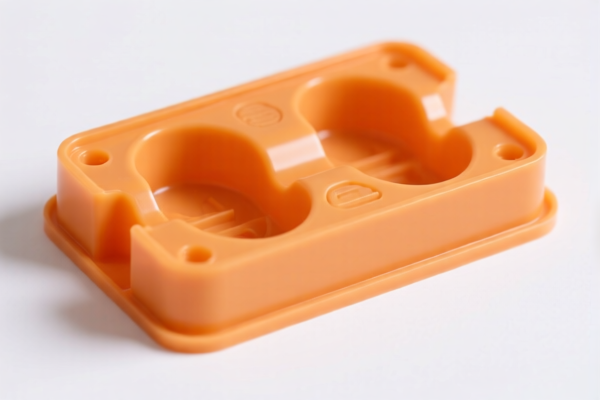
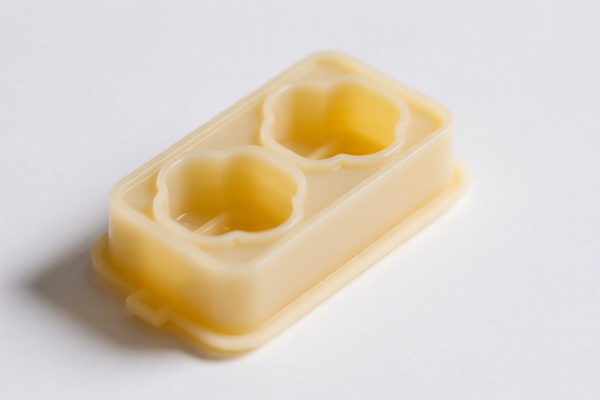
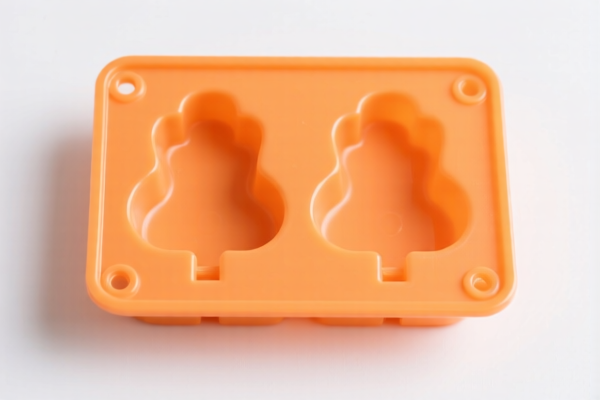
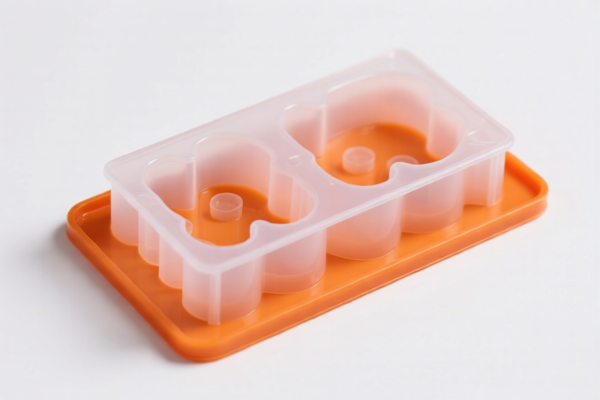
Small, portable plastic trays used in home freezers. These are classified as household articles.
2. Industrial-Grade Metal Moulds & Machine Parts:
Large-scale aluminum/steel moulds used in commercial ice cream factories or machinery attachments for automatic ice pop production lines. These are classified as machinery parts or metal kitchenware.
⚠️ Key Distinction Point:
- If it is a small plastic tray for home use → It falls under Household Articles (HS 3924).
- If it is a large metal mould for industrial machines or a part of an ice cream maker → It falls under Machinery Parts (HS 8438) or Metal Kitchenware (HS 7323).
- Customs Alert: Misclassifying an industrial metal mould as a "plastic household item" is a common error that leads to severe penalties due to the massive tariff difference.
📦 Part 2: HS Code Classification Details (2026 Latest Tariff Authority)
Based on the provided data, here are the 5 precise classifications for popsicle-related items. Note the huge disparity in tax rates based on material and usage.
| HS Code | Product Description | Usage Scenario | Material/Type | Total Tax Rate |
|---|---|---|---|---|
3924.10.40.00 |
Plastic Tableware/Kitchenware (Mould Form) | Home popsicle trays, silicone molds | Plastic (Kitchenware) | 13.4% |
3924.90.56.50 |
Other Plastic Kitchen Articles | General plastic kitchen tools, non-standard molds | Plastic (Other Kitchen) | 20.9% |
8438.90.90.90 |
Parts of Food/Drink Prep Machinery | Industrial ice pop machine components | Metal/Plastic (Machinery Part) | 37.8% |
8438.80.00.00 |
Attachments for Food Prep Machinery | Moulds attached to industrial production lines | Metal/Plastic (Machine Accessory) | 35.0% |
7323.99.90.30 / 7323.99.90.80 |
Iron/Steel Tableware & Other Kitchen Items | Large industrial steel ice block moulds | Steel/Iron (Metal) | 88.4% |
🔍 Critical Reminder:
- Plastic vs. Metal: Plastic household moulds (3924) are significantly cheaper to import than metal ones (7323).
- Machinery vs. Article: If the mould is integral to a machine (e.g., a rotating drum in a factory), it may be classified under8438(Machinery) rather than3924(Goods).
- The "Steel Trap": If you import large steel blocks used for freezing, do not mistake them for "kitchenware." The tariff jumps to 88.4% due to steel-specific trade restrictions.
💰 Part 3: 2026 Latest Tariff Rate Breakdown (Including Surcharges)
✅ Applicable Country: USA
✅ Country of Origin: China (CN)
✅ Effective Date: November 10, 2025 (and subsequent imports)
🎯 1. 3924.10.40.00 – Plastic Tableware (Moulds for Popsicles)
| Item | Content |
|---|---|
| Base Tariff | 3.4% |
| Section 301 Surcharge | 7.5% (Standard USITC Surcharge) |
| Section 122 Tariff | 10% (New 2025/2026 Policy) |
| Total Tariff | 13.4% |
| Tax Calculation | CIF Value × 13.4% |
| De Minimis Exemption | ❌ Not Eligible (Plastic goods from China generally do not qualify under current strictures for this specific code if deemed commercial) |
| Legal Path | HTS:3924.10.40.00 → Section 301: 7.5% → Section 122: 10% |
📌 Explanation:
This is the most favorable rate for standard plastic popsicle molds. It combines a low base tariff with moderate surcharges. Ideal for B2B shipments of silicone or plastic trays.
🎯 2. 3924.90.56.50 – Other Plastic Kitchen Articles
| Item | Content |
|---|---|
| Base Tariff | 3.4% |
| Section 301 Surcharge | 7.5% |
| Section 122 Tariff | 10% |
| Total Tariff | 20.9% |
| Tax Calculation | CIF Value × 20.9% |
| De Minimis Exemption | ❌ Not Eligible |
| Legal Path | HTS:3924.90.56.50 → Section 301: 7.5% → Section 122: 10% |
📌 Note:
Used for plastic kitchen items that don't fit the "tableware" definition strictly. Slightly higher than3924.10, but still manageable compared to metal alternatives.
🎯 3. 8438.90.90.90 – Parts of Food Preparation Machinery (Ice Pop Production)
| Item | Content |
|---|---|
| Base Tariff | 2.8% |
| Section 301 Surcharge | 25.0% (High Tariff for Machinery Parts) |
| Section 122 Tariff | 10% |
| Total Tariff | 37.8% |
| Tax Calculation | CIF Value × 37.8% |
| De Minimis Exemption | ❌ Not Eligible |
| Legal Path | HTS:8438.90.90.90 → Section 301: 25% → Section 122: 10% |
📌 Explanation:
If the "mould" is a replaceable part for an industrial ice cream machine, it is classified as a machine part. The Section 301 surcharge jumps to 25%, nearly doubling the cost compared to plastic household items.
🎯 4. 8438.80.00.00 – Attachments for Food Prep Machinery
| Item | Content |
|---|---|
| Base Tariff | 0.0% |
| Section 301 Surcharge | 25.0% |
| Section 122 Tariff | 10% |
| Total Tariff | 35.0% |
| Tax Calculation | CIF Value × 35.0% |
| De Minimis Exemption | ❌ Not Eligible |
| Legal Path | HTS:8438.80.00.00 → Section 301: 25% → Section 122: 10% |
📌 Note:
Similar to above, but sometimes "attachments" (if permanently attached or specific to the machine) have a 0% base. However, the 25% Section 301 surcharge remains, making it expensive.
🎯 5. 7323.99.90.30 & 7323.99.90.80 – Steel/Iron Tableware & Other Items
| Item | Content |
|---|---|
| Base Tariff | 3.4% |
| Section 301 Surcharge | 25.0% |
| Section 122 Tariff | 10% |
| Steel/Aluminum/Copper Surcharge | 50% (Specific Metal Penalty) |
| Total Tariff | 88.4% |
| Tax Calculation | CIF Value × 88.4% |
| De Minimis Exemption | ❌ Not Eligible |
| Legal Path | HTS:7323.99.90.30 → Section 301: 25% → Section 122: 10% → Metal Surcharge: 50% |
🚨 CRITICAL WARNING:
- Do Not Import Steel Moulds Lightly!
- If your popsicle mould is made of iron or steel (e.g., large industrial blocks), it triggers an additional 50% tariff specifically for steel/aluminum/copper products.
- Total Cost Impact: Nearly 90% tax. This category is often a trap for importers assuming all moulds are cheap.
🛠️ Part 4: Practical Customs Clearance Advice (Pitfall Avoidance Guide)
✅ 1. Preparation Checklist (Non-negotiable)
| Document | Required? | Explanation |
|---|---|---|
| ✅ Material Declaration | ✔️ | Must specify: 100% Plastic (Food Grade) vs. Steel/Iron. Customs will test for metal. |
| ✅ Product Photos | ✔️ | Show scale. Small home moulds look different from industrial steel blocks. |
| ✅ Function Description | ✔️ | "Home Use Plastic Mould" vs. "Part for Industrial Ice Cream Machine". |
| ✅ Commercial Invoice | ✔️ | Clearly state "Plastic Popsicle Mould" or "Steel Ice Block Mould". Never use vague terms like "Container". |
| ✅ HS Code Pre-ruling | ✔️ | Highly recommended for steel items to avoid 88.4% surprises. |
✅ 2. Classification Strategy (The Golden Rules)
| Scenario | Correct HS Code | Risk if Incorrect |
|---|---|---|
| Small plastic/silicone tray for home | 3924.10.40.00 |
Misclassifying as steel → 88.4% |
| Bulk plastic kitchen tools | 3924.90.56.50 |
Misclassifying as machinery → 35%+ |
| Metal drum part for ice cream machine | 8438.90.90.90 |
Misclassifying as plastic → Severe Fraud Penalty |
| Large steel freezing block | 7323.99.90.30 |
Ignoring steel surcharge → 88.4% Total |
🔥 Mnemonic:
"Plastic is Cheap (13-21%), Machinery is Mid (35-38%), Steel is Deadly (88%)."
✅ 3. Special Cases Handling
| Case | Advice |
|---|---|
| Mixed Shipments (Plastic + Steel) | Declare Separately. Do not combine. Steel items will inflate the tax rate for the entire shipment if not itemized correctly. |
| OEM Custom Moulds | Provide design specs. If the mould is unique to a machine, argue for 8438 classification to potentially lower base tax (but still pay 25% Section 301). |
| Small Samples | If value is very low, check if de minimis applies. However, for steel items, de minimis exemptions are often revoked or strictly monitored. |
🌍 Part 5: Global Market Comparison (2026)
| Country/Region | Recommended HS Code | Tariff (China Origin) | Key Requirement | Note |
|---|---|---|---|---|
| 🇺🇸 USA | 3924.10.40.00 (Plastic) |
13.4% | FDA Food Contact | 88.4% for Steel |
| 🇺🇸 USA | 7323.99.90.30 (Steel) |
88.4% | No Specific | Avoid if possible |
| 🇪🇺 EU | 3924.10.40.00 |
~3-4% + VAT | EU Food Contact Compliance | No Section 301/122 |
| 🇨🇳 China | 3924.10.40.00 |
3.4% + VAT | CCC (if applicable) | Low tax, strict safety |
📌 Conclusion:
- USA is the most aggressive market for these goods due to Section 122 and Section 301 tariffs.
- Steel imports are heavily penalized. Consider using food-grade plastic or silicone for moulds to save ~75% in tariffs.
- If you must import steel machinery parts, budget for 35-38% total tax, but ensure they are strictly "parts" to avoid the 50% steel surcharge (if they qualify as machinery parts8438rather than tableware7323).
📌 Part 6: Common Mistakes & Blood-Curdling Lessons
❌ Mistake 1: Calling steel freezing blocks "kitchenware" to avoid Section 301
👉 Consequence: Customs detects steel → Applies 88.4% tariff + fines.
❌ Mistake 2: Mixing plastic moulds with steel parts in one shipment
👉 Consequence: If not itemized, customs may apply the highest tariff rate to the whole lot → 88.4% on everything.
❌ Mistake 3: Ignoring "Section 122" (10%)
👉 Consequence: Underestimating costs by 10%. This new tariff is active on almost all goods from China.
❌ Mistake 4: Assuming "Moulds" are always 3924
👉 Consequence: If it's a machine part, it should be 8438. Misclassification leads to customs audits and delays.
✅ Correct Approach:
"Plastic Popsicle Mould, Food Grade, for Home Use" →
3924.10.40.00(13.4%)
"Steel Ice Block Mould, Industrial" →7323.99.90.30(88.4%) - Avoid if possible.
🎯 Part 7: Conclusion – Professional Classification, Cost Savings, Efficiency!
🎯 Remember the Golden Rules:
🔹 "Plastic is King (13-21%), Steel is Enemy (88%), Machinery is Middle (35-38%)."
🔹 "Section 122 is 10% everywhere. Don't forget it!"
🔹 "Itemize Steel Separately. Never Hide Metal."
📌 Pro Tip:
If your business involves large-scale ice cream production, consider sourcing plastic or silicone moulds instead of steel. The 75% tariff difference can make or break your profit margin.
For industrial machine parts, ensure your supplier provides detailed machine integration manuals to justify 8438 classification over 7323.
📣 Immediate Action:
📞 Consult a customs broker for Pre-Ruling on steel items.
🚀 Switch to plastic/silicone where possible to cut costs by 75%.
📝 Clearly label all shipments with material composition.
✨ Professional Clearance Starts with Accurate Classification!
💼 Your Margin Depends on Your HS Code!
用户评价
关于 HS 编码归类
协调制度(HS)是由世界海关组织(WCO)制定的国际贸易商品分类标准。全球 200 多个国家采用 HS 系统作为海关关税、贸易统计和进出口监管的基础。
每个 HS 编码遵循以下层级结构:
- 章(2 位)——商品大类(例如:第 84 章:机器和机械设备)
- 品目(4 位)——章内的更具体分类
- 子目(6 位)——国际通用细分,所有 WCO 成员国统一使用
- 本国细分(8-10 位)——各国自行扩展的细分编码,如美国 HTSUS 10 位编码
正确的 HS 编码归类对于顺利通关、准确缴纳关税和遵守贸易法规至关重要。错误归类可能导致海关延误、多缴关税或罚款。
从CN进口到US时,适用的关税税率可能包括:
- 最惠国(MFN)税率——适用于 WTO 成员国的标准关税税率
- 普通税率——适用于无贸易协定国家
- 贸易救济关税——附加关税,如 301 条款(反倾销)、232 条款(国家安全)或反补贴税
本页内容仅供参考。如需正式归类,请咨询当地海关或持牌报关代理。