popsicle moulds
CN → US| HS Code | Tariff Rate | Origin | Destination | Doc |
|---|---|---|---|---|
| 3924104000 | 13.4% | CN | US | Official Doc |
| 8438909090 | 37.8% | CN | US | Official Doc |
| 3924905650 | 20.9% | CN | US | Official Doc |
| 8438800000 | 35.0% | CN | US | Official Doc |
| 7323999030 | 88.4% | CN | US | Official Doc |
Product Images
AI Analysis
🍦 Popsicle Moulds & Ice Cream Manufacturing Equipment
🌐 HS Code Reference & Customs Clearance Guide | 2026 Latest Tariff Breakdown | Professional Clearance Strategy
📌 Part 1: Product Definition & Classification – What Exactly Are "Popsicle Moulds"?
In international trade, "popsicle moulds" are not a single monolithic category. They are split into two distinct legal and physical forms, leading to drastically different tax implications:
1. Consumer-Grade Plastic Moulds:
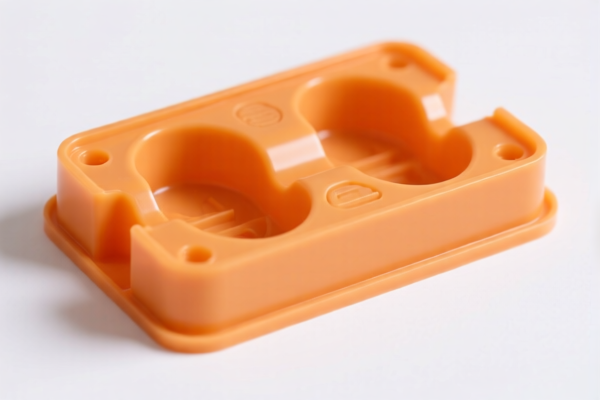
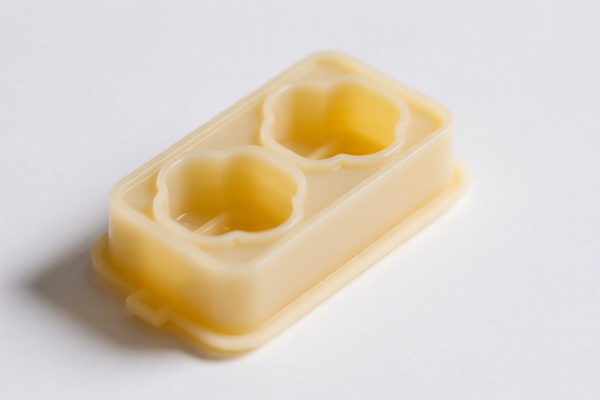
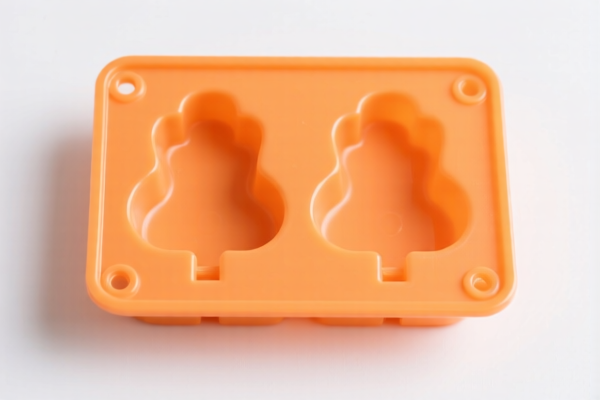
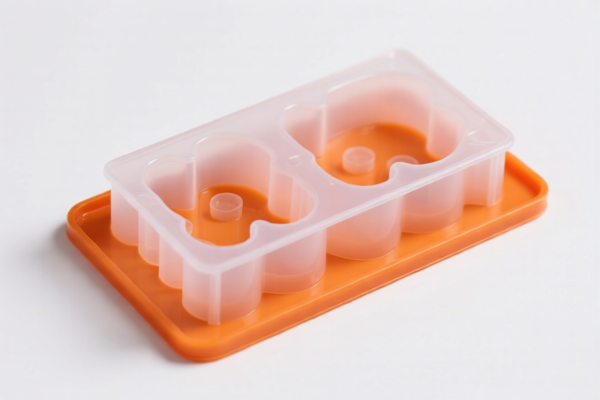
Small, portable plastic trays used in home freezers. These are classified as household articles.
2. Industrial-Grade Metal Moulds & Machine Parts:
Large-scale aluminum/steel moulds used in commercial ice cream factories or machinery attachments for automatic ice pop production lines. These are classified as machinery parts or metal kitchenware.
⚠️ Key Distinction Point:
- If it is a small plastic tray for home use → It falls under Household Articles (HS 3924).
- If it is a large metal mould for industrial machines or a part of an ice cream maker → It falls under Machinery Parts (HS 8438) or Metal Kitchenware (HS 7323).
- Customs Alert: Misclassifying an industrial metal mould as a "plastic household item" is a common error that leads to severe penalties due to the massive tariff difference.
📦 Part 2: HS Code Classification Details (2026 Latest Tariff Authority)
Based on the provided data, here are the 5 precise classifications for popsicle-related items. Note the huge disparity in tax rates based on material and usage.
| HS Code | Product Description | Usage Scenario | Material/Type | Total Tax Rate |
|---|---|---|---|---|
3924.10.40.00 |
Plastic Tableware/Kitchenware (Mould Form) | Home popsicle trays, silicone molds | Plastic (Kitchenware) | 13.4% |
3924.90.56.50 |
Other Plastic Kitchen Articles | General plastic kitchen tools, non-standard molds | Plastic (Other Kitchen) | 20.9% |
8438.90.90.90 |
Parts of Food/Drink Prep Machinery | Industrial ice pop machine components | Metal/Plastic (Machinery Part) | 37.8% |
8438.80.00.00 |
Attachments for Food Prep Machinery | Moulds attached to industrial production lines | Metal/Plastic (Machine Accessory) | 35.0% |
7323.99.90.30 / 7323.99.90.80 |
Iron/Steel Tableware & Other Kitchen Items | Large industrial steel ice block moulds | Steel/Iron (Metal) | 88.4% |
🔍 Critical Reminder:
- Plastic vs. Metal: Plastic household moulds (3924) are significantly cheaper to import than metal ones (7323).
- Machinery vs. Article: If the mould is integral to a machine (e.g., a rotating drum in a factory), it may be classified under8438(Machinery) rather than3924(Goods).
- The "Steel Trap": If you import large steel blocks used for freezing, do not mistake them for "kitchenware." The tariff jumps to 88.4% due to steel-specific trade restrictions.
💰 Part 3: 2026 Latest Tariff Rate Breakdown (Including Surcharges)
✅ Applicable Country: USA
✅ Country of Origin: China (CN)
✅ Effective Date: November 10, 2025 (and subsequent imports)
🎯 1. 3924.10.40.00 – Plastic Tableware (Moulds for Popsicles)
| Item | Content |
|---|---|
| Base Tariff | 3.4% |
| Section 301 Surcharge | 7.5% (Standard USITC Surcharge) |
| Section 122 Tariff | 10% (New 2025/2026 Policy) |
| Total Tariff | 13.4% |
| Tax Calculation | CIF Value × 13.4% |
| De Minimis Exemption | ❌ Not Eligible (Plastic goods from China generally do not qualify under current strictures for this specific code if deemed commercial) |
| Legal Path | HTS:3924.10.40.00 → Section 301: 7.5% → Section 122: 10% |
📌 Explanation:
This is the most favorable rate for standard plastic popsicle molds. It combines a low base tariff with moderate surcharges. Ideal for B2B shipments of silicone or plastic trays.
🎯 2. 3924.90.56.50 – Other Plastic Kitchen Articles
| Item | Content |
|---|---|
| Base Tariff | 3.4% |
| Section 301 Surcharge | 7.5% |
| Section 122 Tariff | 10% |
| Total Tariff | 20.9% |
| Tax Calculation | CIF Value × 20.9% |
| De Minimis Exemption | ❌ Not Eligible |
| Legal Path | HTS:3924.90.56.50 → Section 301: 7.5% → Section 122: 10% |
📌 Note:
Used for plastic kitchen items that don't fit the "tableware" definition strictly. Slightly higher than3924.10, but still manageable compared to metal alternatives.
🎯 3. 8438.90.90.90 – Parts of Food Preparation Machinery (Ice Pop Production)
| Item | Content |
|---|---|
| Base Tariff | 2.8% |
| Section 301 Surcharge | 25.0% (High Tariff for Machinery Parts) |
| Section 122 Tariff | 10% |
| Total Tariff | 37.8% |
| Tax Calculation | CIF Value × 37.8% |
| De Minimis Exemption | ❌ Not Eligible |
| Legal Path | HTS:8438.90.90.90 → Section 301: 25% → Section 122: 10% |
📌 Explanation:
If the "mould" is a replaceable part for an industrial ice cream machine, it is classified as a machine part. The Section 301 surcharge jumps to 25%, nearly doubling the cost compared to plastic household items.
🎯 4. 8438.80.00.00 – Attachments for Food Prep Machinery
| Item | Content |
|---|---|
| Base Tariff | 0.0% |
| Section 301 Surcharge | 25.0% |
| Section 122 Tariff | 10% |
| Total Tariff | 35.0% |
| Tax Calculation | CIF Value × 35.0% |
| De Minimis Exemption | ❌ Not Eligible |
| Legal Path | HTS:8438.80.00.00 → Section 301: 25% → Section 122: 10% |
📌 Note:
Similar to above, but sometimes "attachments" (if permanently attached or specific to the machine) have a 0% base. However, the 25% Section 301 surcharge remains, making it expensive.
🎯 5. 7323.99.90.30 & 7323.99.90.80 – Steel/Iron Tableware & Other Items
| Item | Content |
|---|---|
| Base Tariff | 3.4% |
| Section 301 Surcharge | 25.0% |
| Section 122 Tariff | 10% |
| Steel/Aluminum/Copper Surcharge | 50% (Specific Metal Penalty) |
| Total Tariff | 88.4% |
| Tax Calculation | CIF Value × 88.4% |
| De Minimis Exemption | ❌ Not Eligible |
| Legal Path | HTS:7323.99.90.30 → Section 301: 25% → Section 122: 10% → Metal Surcharge: 50% |
🚨 CRITICAL WARNING:
- Do Not Import Steel Moulds Lightly!
- If your popsicle mould is made of iron or steel (e.g., large industrial blocks), it triggers an additional 50% tariff specifically for steel/aluminum/copper products.
- Total Cost Impact: Nearly 90% tax. This category is often a trap for importers assuming all moulds are cheap.
🛠️ Part 4: Practical Customs Clearance Advice (Pitfall Avoidance Guide)
✅ 1. Preparation Checklist (Non-negotiable)
| Document | Required? | Explanation |
|---|---|---|
| ✅ Material Declaration | ✔️ | Must specify: 100% Plastic (Food Grade) vs. Steel/Iron. Customs will test for metal. |
| ✅ Product Photos | ✔️ | Show scale. Small home moulds look different from industrial steel blocks. |
| ✅ Function Description | ✔️ | "Home Use Plastic Mould" vs. "Part for Industrial Ice Cream Machine". |
| ✅ Commercial Invoice | ✔️ | Clearly state "Plastic Popsicle Mould" or "Steel Ice Block Mould". Never use vague terms like "Container". |
| ✅ HS Code Pre-ruling | ✔️ | Highly recommended for steel items to avoid 88.4% surprises. |
✅ 2. Classification Strategy (The Golden Rules)
| Scenario | Correct HS Code | Risk if Incorrect |
|---|---|---|
| Small plastic/silicone tray for home | 3924.10.40.00 |
Misclassifying as steel → 88.4% |
| Bulk plastic kitchen tools | 3924.90.56.50 |
Misclassifying as machinery → 35%+ |
| Metal drum part for ice cream machine | 8438.90.90.90 |
Misclassifying as plastic → Severe Fraud Penalty |
| Large steel freezing block | 7323.99.90.30 |
Ignoring steel surcharge → 88.4% Total |
🔥 Mnemonic:
"Plastic is Cheap (13-21%), Machinery is Mid (35-38%), Steel is Deadly (88%)."
✅ 3. Special Cases Handling
| Case | Advice |
|---|---|
| Mixed Shipments (Plastic + Steel) | Declare Separately. Do not combine. Steel items will inflate the tax rate for the entire shipment if not itemized correctly. |
| OEM Custom Moulds | Provide design specs. If the mould is unique to a machine, argue for 8438 classification to potentially lower base tax (but still pay 25% Section 301). |
| Small Samples | If value is very low, check if de minimis applies. However, for steel items, de minimis exemptions are often revoked or strictly monitored. |
🌍 Part 5: Global Market Comparison (2026)
| Country/Region | Recommended HS Code | Tariff (China Origin) | Key Requirement | Note |
|---|---|---|---|---|
| 🇺🇸 USA | 3924.10.40.00 (Plastic) |
13.4% | FDA Food Contact | 88.4% for Steel |
| 🇺🇸 USA | 7323.99.90.30 (Steel) |
88.4% | No Specific | Avoid if possible |
| 🇪🇺 EU | 3924.10.40.00 |
~3-4% + VAT | EU Food Contact Compliance | No Section 301/122 |
| 🇨🇳 China | 3924.10.40.00 |
3.4% + VAT | CCC (if applicable) | Low tax, strict safety |
📌 Conclusion:
- USA is the most aggressive market for these goods due to Section 122 and Section 301 tariffs.
- Steel imports are heavily penalized. Consider using food-grade plastic or silicone for moulds to save ~75% in tariffs.
- If you must import steel machinery parts, budget for 35-38% total tax, but ensure they are strictly "parts" to avoid the 50% steel surcharge (if they qualify as machinery parts8438rather than tableware7323).
📌 Part 6: Common Mistakes & Blood-Curdling Lessons
❌ Mistake 1: Calling steel freezing blocks "kitchenware" to avoid Section 301
👉 Consequence: Customs detects steel → Applies 88.4% tariff + fines.
❌ Mistake 2: Mixing plastic moulds with steel parts in one shipment
👉 Consequence: If not itemized, customs may apply the highest tariff rate to the whole lot → 88.4% on everything.
❌ Mistake 3: Ignoring "Section 122" (10%)
👉 Consequence: Underestimating costs by 10%. This new tariff is active on almost all goods from China.
❌ Mistake 4: Assuming "Moulds" are always 3924
👉 Consequence: If it's a machine part, it should be 8438. Misclassification leads to customs audits and delays.
✅ Correct Approach:
"Plastic Popsicle Mould, Food Grade, for Home Use" →
3924.10.40.00(13.4%)
"Steel Ice Block Mould, Industrial" →7323.99.90.30(88.4%) - Avoid if possible.
🎯 Part 7: Conclusion – Professional Classification, Cost Savings, Efficiency!
🎯 Remember the Golden Rules:
🔹 "Plastic is King (13-21%), Steel is Enemy (88%), Machinery is Middle (35-38%)."
🔹 "Section 122 is 10% everywhere. Don't forget it!"
🔹 "Itemize Steel Separately. Never Hide Metal."
📌 Pro Tip:
If your business involves large-scale ice cream production, consider sourcing plastic or silicone moulds instead of steel. The 75% tariff difference can make or break your profit margin.
For industrial machine parts, ensure your supplier provides detailed machine integration manuals to justify 8438 classification over 7323.
📣 Immediate Action:
📞 Consult a customs broker for Pre-Ruling on steel items.
🚀 Switch to plastic/silicone where possible to cut costs by 75%.
📝 Clearly label all shipments with material composition.
✨ Professional Clearance Starts with Accurate Classification!
💼 Your Margin Depends on Your HS Code!
Customer Reviews
About HS Code Classification
The Harmonized System (HS) is an internationally standardized nomenclature developed by the World Customs Organization (WCO) to classify traded products. Over 200 countries use the HS system as the basis for customs tariffs, trade statistics, and import/export regulations.
Each HS code follows a hierarchical structure:
- Chapter (2 digits) — Broad category of goods (e.g., Chapter 84: Machinery and Mechanical Appliances)
- Heading (4 digits) — More specific grouping within the chapter
- Subheading (6 digits) — Internationally standardized breakdown, used by all WCO member countries
- National subdivisions (8-10 digits) — Country-specific extensions for further classification, such as US HTSUS 10-digit codes
Correct HS code classification is essential for smooth customs clearance, accurate duty payment, and compliance with trade regulations. Misclassification can lead to customs delays, overpayment of duties, or penalties.
When importing from CN to US, the applicable tariff rates may include:
- Most-Favored-Nation (MFN) rate — The standard duty rate applied to WTO members
- General rate — Applied to countries without trade agreements
- Trade remedy duties — Additional tariffs such as Section 301 (anti-dumping), Section 232 (national security), or countervailing duties
The information provided on this page is for reference purposes only. For official classification, please consult with your local customs authority or a licensed customs broker.