raw bovine hide butts and bends
CN → US| HS编码 | 关税税率 | 原产国 | 目的国 | 文档 |
|---|---|---|---|---|
| 4101901010 | 17.5% | CN | US | 官方文档 |
商品图片
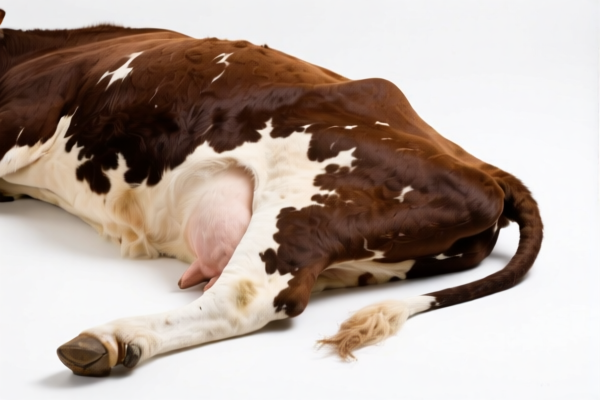

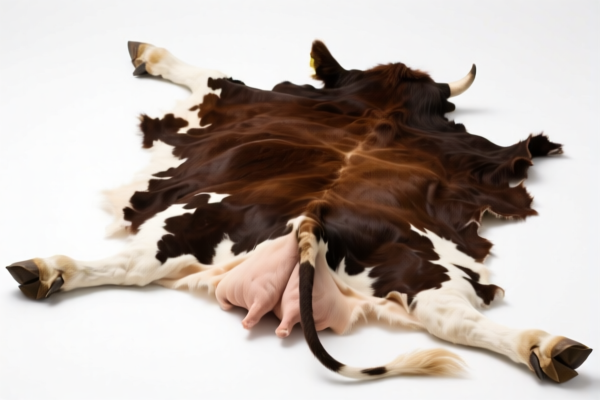

AI分析
🐂 Raw Bovine Hide Butts and Bends (Unprocessed)
🌐 HS Code Reference & Customs Clearance Guide | 2026 Latest Tariff Analysis | Professional Entry Strategy
📌 I. Product Definition & Classification: Do You Know "Bovine Hides"?
"Raw Bovine Hide Butts and Bends" refers to the skins of cattle (including buffalo) that have not been tanned, parchment-dressed, or further prepared. They are preserved through salting, drying, liming, or pickling.
In international trade, the distinction between "Butts/Bends" and other parts (like bellies or sides) is critical for valuation and classification.
Key Definition:
- Butts: The shoulder and neck area of the hide.
- Bends: The main loin and saddle area.
- Exclusions: Bellies, cheeks, and shanks are excluded from this specific sub-heading.
- State: Fresh or wet-salted only. If pretanned, it falls under a different category.
⚠️ Critical Distinction Point:
- If the hide is fresh or wet-salted → Goes to 4101.90.10.10.
- If the hide is pretanned or fully tanned → Goes to 4104 or 4105 categories.
- If it is dry-salted or limed specifically for further processing → Still 4101, but verify if "fresh/wet-salted" matches your specific logistics chain. Note: The provided data specifically targets "Fresh or wet-salted: Butts and bends".
📦 II. HS Code Classification Details (2026 Official Tariff Alignment)
Based on the provided data source:
| HS Code | Product Description | Applicable Condition | Preservation State |
|---|---|---|---|
4101.90.10.10 |
Raw hides and skins of bovine animals: Other, including butts, bends and bellies: Not pretanned: Of bovine animals: Fresh or wet-salted: Butts and bends | Strictly Butts & Bends | Fresh OR Wet-Salted |
🔍 Key Reminder:
- This HS Code excludes hides that are pretanned. If the hides have undergone any tanning process, this code is invalid.
- It excludes parts other than butts and bends (e.g., pure bellies or shanks) if they are declared separately as "Other".
- The "Not pretanned" clause is vital. Even light pre-treatment can shift classification to Chapter 4104/4105.
💰 III. 2026 Latest Tariff Rate Breakdown (Detailed Tax Clauses)
✅ Applicable Country: China (Exporting to US/Global Market with US Import Data context implied by tax structure)
✅ Product Origin: Likely China or China-manufactured goods subject to Section 301/IEEPA rules
✅ Effective Time: Current regulations apply
🎯 1. 4101.90.10.10 — Raw Bovine Hides (Butts and Bends, Fresh/Wet-Salted)
| Item | Content |
|---|---|
| Base Tariff (MFN) | 0.0% |
| Additional Tariff (Section 301/IEEPA) | +7.5% |
| Total Tax Rate | 7.5% |
| Tax Calculation | Ad Valorem (CIF Value × 7.5%) |
| De Minimis Exemption | ❌ Not Eligible (Generally, agricultural/raw materials >$800 are not exempt in many contexts, but specifically, this code is subject to the 7.5% add-on). |
| Legal Basis Path | Tariff:4101.90.10.10 → Base:0% + Add-on:7.5% = 7.5% |
📌 Explanation:
- The Base Tariff is 0%, reflecting the low duty on raw agricultural/animal products in many jurisdictions to encourage trade in raw materials.
- The 7.5% Additional Tariff is the crucial cost driver. This is likely a result of trade tensions (e.g., US Section 301 tariffs or equivalent retaliatory measures).
- Total Landed Duty Cost: You must budget for 7.5% of the CIF value as pure tariff duty. This is significantly lower than finished leather goods (which can exceed 10-15%), but it eats into the thin margins of raw hide trading.
🛠️ IV. Customs Clearance Operational Advice (Practical Pitfall Guide)
✅ 1. Required Documentation Checklist (Non-Negotiable)
| Document | Mandatory? | Notes |
|---|---|---|
| ✅ Commercial Invoice | ✔️ | Must clearly state: "Raw Bovine Hides, Butts and Bends, Wet-Salted, Not Pretanned" |
| ✅ Packing List | ✔️ | Specify weight (Net/Gross) and count. Hides are often traded by weight. |
| ✅ Health Certificate / Veterinary Certificate | ✔️ | Critical: Proof of freedom from Foot and Mouth Disease (FMD) and other animal diseases. |
| ✅ Tanning/Pretanning Declaration | ✔️ | Explicitly declare "Not Pretanned" to justify HS 4101. If pretanned, you risk misclassification. |
| ✅ Preservation Method Certificate | ✔️ | Confirm "Fresh" or "Wet-Salted". Dry-salted hides might have different documentation needs depending on destination. |
| ✅ Bill of Lading (B/L) | ✔️ | Ensure proper stowage conditions noted (e.g., "Keep Dry") |
✅ 2. Declaration Strategy (Key Mantra)
🔥 "Clear State, Specific Part, No Tanning, Documented!"
| Situation | Correct Declaration | Wrong Action |
|---|---|---|
| Hides are Wet-Salted | 4101.90.10.10 |
Misdeclare as "Dry" → Higher risk of inspection |
| Hides include Bellies | Separate Line Item | Bundle with Butts/Bends → May trigger "Other" classification (different duty if applicable) |
| Hides are Pretanned | 4104.11... or similar |
Use 4101.90.10.10 → Severe Penalty for Misclassification |
| Mixed Containers (Hides + Leather) | Split Declaration | Mixed申报 → Delay, fines, or seizure |
✅ 3. Special Handling Tips
| Scenario | Advice |
|---|---|
| High Moisture Content | Ensure "Wet-Salted" is accurately declared. Excessive moisture can lead to quarantine risks. |
| Odor Control | Use sealed, odor-proof containers. Complaints from neighbors/ports can lead to costly inspections. |
| Origin Proof | Provide detailed country of origin. Some countries have quotas or bans on hides from specific FMD-affected zones. |
| Price Valuation | Raw hide prices fluctuate with the global leather market. Use recent transaction values to avoid customs valuation disputes. |
🌍 V. Global Market Context (2026 Snapshot)
| Market | HS Code | Base Rate | Additional Duty | Total Est. | Remarks |
|---|---|---|---|---|---|
| 🇺🇸 USA | 4101.90.10.10 |
0% | 7.5% | 7.5% | Subject to Section 301 list |
| 🇨🇳 China (Import) | 4101.90.10.10 |
Varies (Often 0-5%) | 0% | 0-5% | Check specific FTAs |
| 🇪🇺 EU | 4101.21/29 |
0% | 0% | 0% | Generally duty-free for raw hides |
| 🇯🇵 Japan | 4101.21 |
3.5% | 0% | 3.5% | Lower than US rates |
📌 Conclusion:
- The USA is the most expensive market for raw bovine hides due to the 7.5% add-on tariff.
- EU and Japan are more favorable for raw material imports.
- If your end-market is the US, factor in the 7.5% duty in your pricing strategy.
📌 VI. Common Errors & Pitfalls (Lessons Learned)
❌ Error 1: Declaring "Pretanned Hides" as "Raw"
👉 Consequence: Customs will reclassify to Chapter 4104 (Tanned Leather). If the new rate is higher, you face back-duties + penalties. If lower, you still face fines for misdeclaration.
❌ Error 2: Mixing "Butts/Bends" with "Bellies"
👉 Consequence: The HS Code 4101.90.10.10 is specific. If you declare a mixed lot without separating values, customs may audit the entire shipment, causing delays.
❌ Error 3: Ignoring Veterinary Health Certificates
👉 Consequence: Rejection of Entry. Animal products are high-risk. No vet cert = No entry.
❌ Error 4: Not Specifying "Wet-Salted" vs. "Dry-Salted"
👉 Consequence: While both may fall under 4101, "Fresh" or "Wet-Salted" has specific preservation requirements. Incorrect declaration can lead to spoilage disputes or quarantine holds.
✅ Correct Practice:
"Raw Bovine Hides, Butts and Bends, Wet-Salted, Untanned, Country of Origin: [X], Vet Cert #[Number]"
🎯 VII. Conclusion: Precision in Raw Material Trade
🎯 Remember:
🔹 "Raw hides, no tanning, butts & bends, 7.5% tax in US!"
🔹 "Vet Cert is King, Invoice is Queen, Accuracy is Everything!"
📌 Pro Tip:
For shipments to the USA, consider Advance Rulings if your product state is borderline (e.g., slightly dried vs. wet-salted). This provides legal certainty before shipment.
Also, monitor Section 301 exclusions periodically, as rates can change.
📣 Immediate Action:
📞 Verify Vet Cert requirements with the destination country's agricultural department.
📄 Ensure Invoice explicitly states "Not Pretanned" to justify the 0% base rate.
📊 Calculate Landed Cost: CIF + 7.5% Duty + Insurance + Freight + Handling.
✨ Professional Customs Clearance Starts with Accurate Classification!
💼 Your Raw Hide, Your Competitive Edge, Your Accurate Duty!
用户评价
关于 HS 编码归类
协调制度(HS)是由世界海关组织(WCO)制定的国际贸易商品分类标准。全球 200 多个国家采用 HS 系统作为海关关税、贸易统计和进出口监管的基础。
每个 HS 编码遵循以下层级结构:
- 章(2 位)——商品大类(例如:第 84 章:机器和机械设备)
- 品目(4 位)——章内的更具体分类
- 子目(6 位)——国际通用细分,所有 WCO 成员国统一使用
- 本国细分(8-10 位)——各国自行扩展的细分编码,如美国 HTSUS 10 位编码
正确的 HS 编码归类对于顺利通关、准确缴纳关税和遵守贸易法规至关重要。错误归类可能导致海关延误、多缴关税或罚款。
从CN进口到US时,适用的关税税率可能包括:
- 最惠国(MFN)税率——适用于 WTO 成员国的标准关税税率
- 普通税率——适用于无贸易协定国家
- 贸易救济关税——附加关税,如 301 条款(反倾销)、232 条款(国家安全)或反补贴税
本页内容仅供参考。如需正式归类,请咨询当地海关或持牌报关代理。