raw bovine hide butts and bends
CN → US| HS Code | Tariff Rate | Origin | Destination | Doc |
|---|---|---|---|---|
| 4101901010 | 17.5% | CN | US | Official Doc |
Product Images
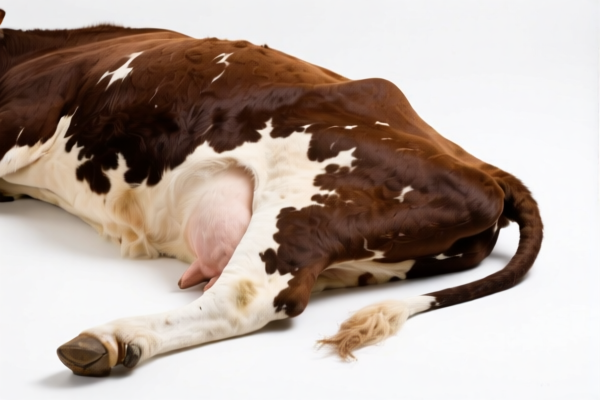

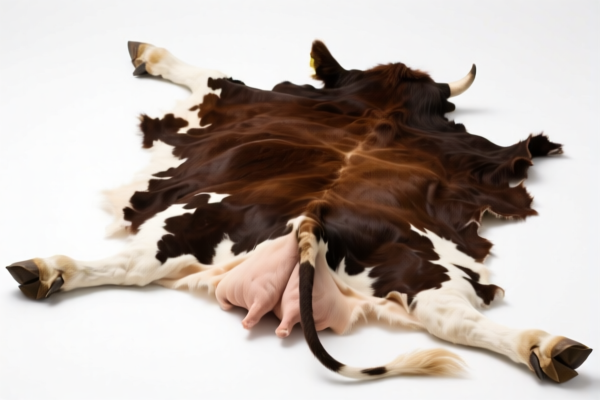

AI Analysis
🐂 Raw Bovine Hide Butts and Bends (Unprocessed)
🌐 HS Code Reference & Customs Clearance Guide | 2026 Latest Tariff Analysis | Professional Entry Strategy
📌 I. Product Definition & Classification: Do You Know "Bovine Hides"?
"Raw Bovine Hide Butts and Bends" refers to the skins of cattle (including buffalo) that have not been tanned, parchment-dressed, or further prepared. They are preserved through salting, drying, liming, or pickling.
In international trade, the distinction between "Butts/Bends" and other parts (like bellies or sides) is critical for valuation and classification.
Key Definition:
- Butts: The shoulder and neck area of the hide.
- Bends: The main loin and saddle area.
- Exclusions: Bellies, cheeks, and shanks are excluded from this specific sub-heading.
- State: Fresh or wet-salted only. If pretanned, it falls under a different category.
⚠️ Critical Distinction Point:
- If the hide is fresh or wet-salted → Goes to 4101.90.10.10.
- If the hide is pretanned or fully tanned → Goes to 4104 or 4105 categories.
- If it is dry-salted or limed specifically for further processing → Still 4101, but verify if "fresh/wet-salted" matches your specific logistics chain. Note: The provided data specifically targets "Fresh or wet-salted: Butts and bends".
📦 II. HS Code Classification Details (2026 Official Tariff Alignment)
Based on the provided data source:
| HS Code | Product Description | Applicable Condition | Preservation State |
|---|---|---|---|
4101.90.10.10 |
Raw hides and skins of bovine animals: Other, including butts, bends and bellies: Not pretanned: Of bovine animals: Fresh or wet-salted: Butts and bends | Strictly Butts & Bends | Fresh OR Wet-Salted |
🔍 Key Reminder:
- This HS Code excludes hides that are pretanned. If the hides have undergone any tanning process, this code is invalid.
- It excludes parts other than butts and bends (e.g., pure bellies or shanks) if they are declared separately as "Other".
- The "Not pretanned" clause is vital. Even light pre-treatment can shift classification to Chapter 4104/4105.
💰 III. 2026 Latest Tariff Rate Breakdown (Detailed Tax Clauses)
✅ Applicable Country: China (Exporting to US/Global Market with US Import Data context implied by tax structure)
✅ Product Origin: Likely China or China-manufactured goods subject to Section 301/IEEPA rules
✅ Effective Time: Current regulations apply
🎯 1. 4101.90.10.10 — Raw Bovine Hides (Butts and Bends, Fresh/Wet-Salted)
| Item | Content |
|---|---|
| Base Tariff (MFN) | 0.0% |
| Additional Tariff (Section 301/IEEPA) | +7.5% |
| Total Tax Rate | 7.5% |
| Tax Calculation | Ad Valorem (CIF Value × 7.5%) |
| De Minimis Exemption | ❌ Not Eligible (Generally, agricultural/raw materials >$800 are not exempt in many contexts, but specifically, this code is subject to the 7.5% add-on). |
| Legal Basis Path | Tariff:4101.90.10.10 → Base:0% + Add-on:7.5% = 7.5% |
📌 Explanation:
- The Base Tariff is 0%, reflecting the low duty on raw agricultural/animal products in many jurisdictions to encourage trade in raw materials.
- The 7.5% Additional Tariff is the crucial cost driver. This is likely a result of trade tensions (e.g., US Section 301 tariffs or equivalent retaliatory measures).
- Total Landed Duty Cost: You must budget for 7.5% of the CIF value as pure tariff duty. This is significantly lower than finished leather goods (which can exceed 10-15%), but it eats into the thin margins of raw hide trading.
🛠️ IV. Customs Clearance Operational Advice (Practical Pitfall Guide)
✅ 1. Required Documentation Checklist (Non-Negotiable)
| Document | Mandatory? | Notes |
|---|---|---|
| ✅ Commercial Invoice | ✔️ | Must clearly state: "Raw Bovine Hides, Butts and Bends, Wet-Salted, Not Pretanned" |
| ✅ Packing List | ✔️ | Specify weight (Net/Gross) and count. Hides are often traded by weight. |
| ✅ Health Certificate / Veterinary Certificate | ✔️ | Critical: Proof of freedom from Foot and Mouth Disease (FMD) and other animal diseases. |
| ✅ Tanning/Pretanning Declaration | ✔️ | Explicitly declare "Not Pretanned" to justify HS 4101. If pretanned, you risk misclassification. |
| ✅ Preservation Method Certificate | ✔️ | Confirm "Fresh" or "Wet-Salted". Dry-salted hides might have different documentation needs depending on destination. |
| ✅ Bill of Lading (B/L) | ✔️ | Ensure proper stowage conditions noted (e.g., "Keep Dry") |
✅ 2. Declaration Strategy (Key Mantra)
🔥 "Clear State, Specific Part, No Tanning, Documented!"
| Situation | Correct Declaration | Wrong Action |
|---|---|---|
| Hides are Wet-Salted | 4101.90.10.10 |
Misdeclare as "Dry" → Higher risk of inspection |
| Hides include Bellies | Separate Line Item | Bundle with Butts/Bends → May trigger "Other" classification (different duty if applicable) |
| Hides are Pretanned | 4104.11... or similar |
Use 4101.90.10.10 → Severe Penalty for Misclassification |
| Mixed Containers (Hides + Leather) | Split Declaration | Mixed申报 → Delay, fines, or seizure |
✅ 3. Special Handling Tips
| Scenario | Advice |
|---|---|
| High Moisture Content | Ensure "Wet-Salted" is accurately declared. Excessive moisture can lead to quarantine risks. |
| Odor Control | Use sealed, odor-proof containers. Complaints from neighbors/ports can lead to costly inspections. |
| Origin Proof | Provide detailed country of origin. Some countries have quotas or bans on hides from specific FMD-affected zones. |
| Price Valuation | Raw hide prices fluctuate with the global leather market. Use recent transaction values to avoid customs valuation disputes. |
🌍 V. Global Market Context (2026 Snapshot)
| Market | HS Code | Base Rate | Additional Duty | Total Est. | Remarks |
|---|---|---|---|---|---|
| 🇺🇸 USA | 4101.90.10.10 |
0% | 7.5% | 7.5% | Subject to Section 301 list |
| 🇨🇳 China (Import) | 4101.90.10.10 |
Varies (Often 0-5%) | 0% | 0-5% | Check specific FTAs |
| 🇪🇺 EU | 4101.21/29 |
0% | 0% | 0% | Generally duty-free for raw hides |
| 🇯🇵 Japan | 4101.21 |
3.5% | 0% | 3.5% | Lower than US rates |
📌 Conclusion:
- The USA is the most expensive market for raw bovine hides due to the 7.5% add-on tariff.
- EU and Japan are more favorable for raw material imports.
- If your end-market is the US, factor in the 7.5% duty in your pricing strategy.
📌 VI. Common Errors & Pitfalls (Lessons Learned)
❌ Error 1: Declaring "Pretanned Hides" as "Raw"
👉 Consequence: Customs will reclassify to Chapter 4104 (Tanned Leather). If the new rate is higher, you face back-duties + penalties. If lower, you still face fines for misdeclaration.
❌ Error 2: Mixing "Butts/Bends" with "Bellies"
👉 Consequence: The HS Code 4101.90.10.10 is specific. If you declare a mixed lot without separating values, customs may audit the entire shipment, causing delays.
❌ Error 3: Ignoring Veterinary Health Certificates
👉 Consequence: Rejection of Entry. Animal products are high-risk. No vet cert = No entry.
❌ Error 4: Not Specifying "Wet-Salted" vs. "Dry-Salted"
👉 Consequence: While both may fall under 4101, "Fresh" or "Wet-Salted" has specific preservation requirements. Incorrect declaration can lead to spoilage disputes or quarantine holds.
✅ Correct Practice:
"Raw Bovine Hides, Butts and Bends, Wet-Salted, Untanned, Country of Origin: [X], Vet Cert #[Number]"
🎯 VII. Conclusion: Precision in Raw Material Trade
🎯 Remember:
🔹 "Raw hides, no tanning, butts & bends, 7.5% tax in US!"
🔹 "Vet Cert is King, Invoice is Queen, Accuracy is Everything!"
📌 Pro Tip:
For shipments to the USA, consider Advance Rulings if your product state is borderline (e.g., slightly dried vs. wet-salted). This provides legal certainty before shipment.
Also, monitor Section 301 exclusions periodically, as rates can change.
📣 Immediate Action:
📞 Verify Vet Cert requirements with the destination country's agricultural department.
📄 Ensure Invoice explicitly states "Not Pretanned" to justify the 0% base rate.
📊 Calculate Landed Cost: CIF + 7.5% Duty + Insurance + Freight + Handling.
✨ Professional Customs Clearance Starts with Accurate Classification!
💼 Your Raw Hide, Your Competitive Edge, Your Accurate Duty!
Customer Reviews
About HS Code Classification
The Harmonized System (HS) is an internationally standardized nomenclature developed by the World Customs Organization (WCO) to classify traded products. Over 200 countries use the HS system as the basis for customs tariffs, trade statistics, and import/export regulations.
Each HS code follows a hierarchical structure:
- Chapter (2 digits) — Broad category of goods (e.g., Chapter 84: Machinery and Mechanical Appliances)
- Heading (4 digits) — More specific grouping within the chapter
- Subheading (6 digits) — Internationally standardized breakdown, used by all WCO member countries
- National subdivisions (8-10 digits) — Country-specific extensions for further classification, such as US HTSUS 10-digit codes
Correct HS code classification is essential for smooth customs clearance, accurate duty payment, and compliance with trade regulations. Misclassification can lead to customs delays, overpayment of duties, or penalties.
When importing from CN to US, the applicable tariff rates may include:
- Most-Favored-Nation (MFN) rate — The standard duty rate applied to WTO members
- General rate — Applied to countries without trade agreements
- Trade remedy duties — Additional tariffs such as Section 301 (anti-dumping), Section 232 (national security), or countervailing duties
The information provided on this page is for reference purposes only. For official classification, please consult with your local customs authority or a licensed customs broker.