raw wool wool fat
CN → US| HS编码 | 关税税率 | 原产国 | 目的国 | 文档 |
|---|---|---|---|---|
| 5101114000 | 35.0% | CN | US | 官方文档 |
| 5101191000 | 35.0% | CN | US | 官方文档 |
| 1506000000 | 37.3% | CN | US | 官方文档 |
| 3304991000 | 35.0% | CN | US | 官方文档 |
| 3304995000 | 35.0% | CN | US | 官方文档 |
商品图片
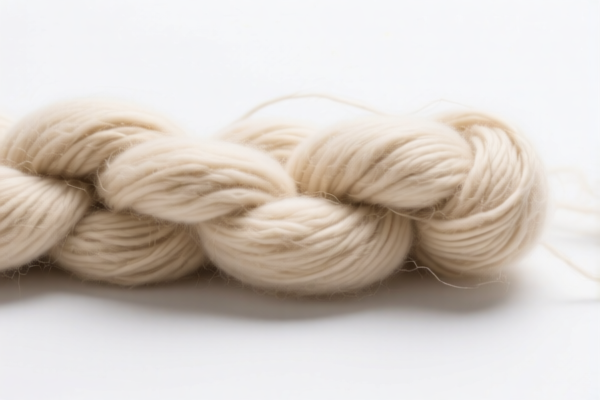
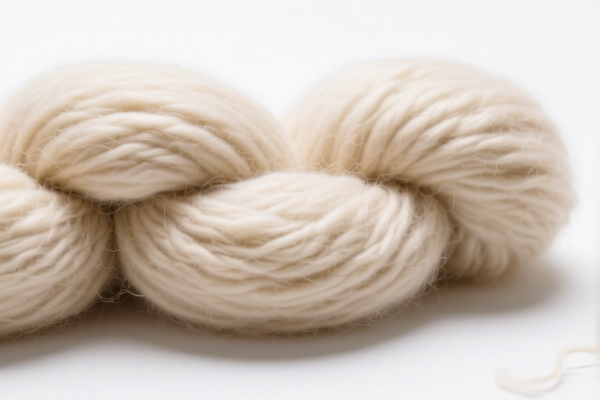
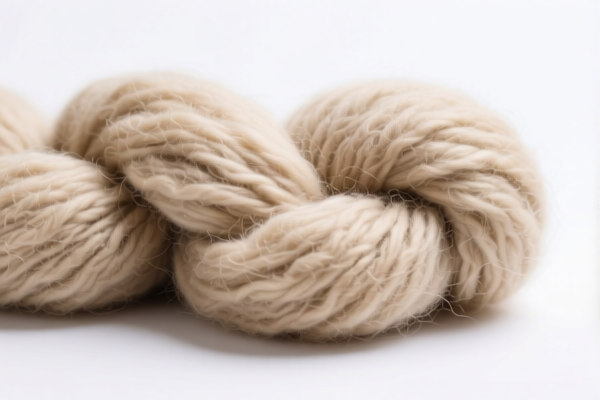

AI分析
🐑 Raw Wool & Lanolin (Sheep’s Fat): The Dual-Dimension Trade | 2026 Customs Classification Guide
🌐 HS Code Reference & Clearance Guide | Latest Tariff Analysis for Raw Wool & Wool Fat | Professional Clearance Strategies
📌 I. Product Definition & Classification: What Exactly Are You Importing?
In international trade, sheep-derived products are split into two distinct categories based on their physical state and intended use. Confusing "raw wool" with "lanolin" or misclassifying cosmetic-grade lanolin leads to severe customs penalties.
1. Raw Wool (未梳理羊毛): The primary fiber extracted from sheep, in its natural state (including grease/oil). It is the foundational material for textile manufacturing. * Key Characteristic: Long, staple fibers; not carded or combed. * Classification Focus: Is it fiber or grease?
2. Wool Fat/Lanolin (羊毛脂): A yellow, waxy substance secreted by sebaceous glands of wool-bearing animals. It is obtained as a by-product of wool scouring. * Key Characteristic: Viscous/waxy; used in cosmetics, ointments, or industrial lubricants. * Classification Focus: Is it raw material, industrial oil, or cosmetic ingredient?
⚠️ Critical Distinction Point:
- If the product is fibrous and unprocessed → Chapter 51 (Raw Wool)
- If the product is waxy/oily and extracted → Chapter 15 (Animal Fats) or Chapter 33 (Cosmetics)
- Misclassification Risk: Declaring Lanolin as "Raw Wool" will result in rejection, as the physical form is entirely different.
📦 II. HS Code Classification Details (2026 Authorized Mapping)
Based on your provided data, here is the precise breakdown of HS Codes, summaries, and tax liabilities for Raw Wool and Wool Fat/Lanolin.
| HS Code | Product Summary | Application Scenario | Tax Status |
|---|---|---|---|
5101.11.40.00 |
Raw wool (grease wool), not carded or combed, in primary form | Textile factories; initial stage of yarn spinning | 35.0% Total Tax |
5101.19.10.00 |
Other raw wool (grease wool), not carded or combed, containing oil | Non-metric grade wool; specific oil-content variations | 35.0% Total Tax |
1506.00.00.00 |
Wool fat (Lanolin), classified as other animal fats | Industrial lubricants; basic chemical raw materials | 37.3% Total Tax |
3304.99.10.00 |
Wool fat (Lanolin), used as skin care oil component | Skincare formulations; moisturizers; lotions | 35.0% Total Tax |
3304.99.50.00 |
Wool fat (Lanolin), raw material for cosmetics/skin care preparations | Finished cosmetic ingredients; beauty product bases | 35.0% Total Tax |
🔍 Key Insight:
- Raw Wool (5101.11/19) is taxed at 35% due to high punitive tariffs.
- Wool Fat (1506) has a slightly higher base rate (2.3%) + punitive tariffs, totaling 37.3%.
- Cosmetic-Grade Lanolin (3304) benefits from a 0% base rate but still carries the full punitive burden (35%).
💰 III. 2026 Latest Tariff Rate Breakdown (Including Add-on Taxes & Policies)
✅ Applicable Country: United States (US)
✅ Origin: China (CN)
✅ Effective Date: November 10, 2025 (and subsequent imports)
🎯 1. 5101.11.40.00 & 5101.19.10.00 —— Raw Wool (Unprocessed)
| Item | Detail |
|---|---|
| Base Tariff Rate | 0.0% (Ad Valorem) |
| Section 301 Add-on Tariff | +25.0% |
| Section 122 Tariff | +10.0% |
| Total Effective Tax Rate | 35.0% |
| Tax Calculation Base | CIF Value × 35% |
| De Minimis Exemption? | ❌ NO (Denied) |
| Legal Authority Path | USITC:5101.11/19 → Section 301 → Section 122 |
📌 Explanation:
- Although the base MFN rate for raw wool is 0%, the 25% Section 301 tariff (retaliatory trade measure) and 10% Section 122 tariff (national security/emergency powers) are aggressively applied.
- Total: 35%. This is a high-cost import. Do not attempt to split shipments to avoid detection.
🎯 2. 1506.00.00.00 —— Wool Fat (Industrial/Animal Fat Category)
| Item | Detail |
|---|---|
| Base Tariff Rate | 2.3% (Ad Valorem) |
| Section 301 Add-on Tariff | +25.0% |
| Section 122 Tariff | +10.0% |
| Total Effective Tax Rate | 37.3% |
| Tax Calculation Base | CIF Value × 37.3% |
| De Minimis Exemption? | ❌ NO (Denied) |
| Legal Authority Path | USITC:1506.00.00.00 → Section 301 → Section 122 |
📌 Note:
- This code is for unrefined or semi-refined wool fat intended for industrial use (e.g., leather processing, non-cosmetic lubricants).
- The 37.3% rate is the highest among all listed codes. Ensure your product specification matches "industrial fat" and not cosmetic ingredients.
🎯 3. 3304.99.10.00 & 3304.99.50.00 —— Wool Fat (Cosmetic/Skin Care Grade)
| Item | Detail |
|---|---|
| Base Tariff Rate | 0.0% (Ad Valorem) |
| Section 301 Add-on Tariff | +25.0% |
| Section 122 Tariff | +10.0% |
| Total Effective Tax Rate | 35.0% |
| Tax Calculation Base | CIF Value × 35% |
| De Minimis Exemption? | ❌ NO (Denied) |
| Legal Authority Path | USITC:3304.99.10/50 → Section 301 → Section 122 |
📌 Distinction Between Sub-codes:
-3304.99.10.00: Specifically for lanolin used as a skin care oil component (e.g., in creams, balms).
-3304.99.50.00: For lanolin as a general cosmetic preparation raw material.
- Both carry the same 35% total tax, but the base rate is 0% (lower than raw wool's implicit burden). This makes cosmetic-grade lanolin slightly more favorable if base rates were to change, but currently, the punitive tariffs dominate.
🛠️ IV. Clearance Practical Advice (Avoiding Pitfalls)
✅ 1. Documentation Checklist (Mandatory)
| Document | Required? | Description |
|---|---|---|
| ✅ Product Specification Sheet | ✔️ | Must clearly state: "Raw Wool" vs. "Wool Fat/Lanolin", grade, oil content, viscosity. |
| ✅ Composition Analysis Report | ✔️ | For Lanolin: Provide % purity, water content, and chemical composition. Critical for distinguishing between 1506 (industrial) and 3304 (cosmetic). |
| ✅ Commercial Invoice | ✔️ | Must accurately describe the product using HS Code descriptions. E.g., "Lanolin USP Grade" not just "Wool Fat". |
| ✅ Certificate of Origin (CO) | ✔️ | Required to prove origin (China) for tariff calculation. |
| ✅ Safety Data Sheet (SDS) | ✔️ | Required for all chemical/organic imports. Confirms hazard class and handling. |
| ✅ Labeling/Marketing Materials | ✔️ | If claiming "Cosmetic Use", provide label proofs to justify 3304 classification. |
✅ 2. Declaration Strategy (Key Mantra)
🔥 "Fiber goes to Ch.51, Wax goes to Ch.15/33. Be precise, save big!"
| Scenario | Correct HS Code | Wrong Declaration | Consequence |
|---|---|---|---|
| Unprocessed Sheep Wool | 5101.11.40.00 / 5101.19.10.00 |
Declared as "Textile Material" vaguely | Delayed inspection, possible 35% tax + penalty |
| Refined Lanolin for Skincare | 3304.99.10.00 / 3304.99.50.00 |
Declared as "Animal Fat" (1506) |
Higher tax (37.3% vs 35%)? Actually same punitive rate, but compliance risk if usage doesn't match description. |
| Crude Lanolin (Industrial) | 1506.00.00.00 |
Declared as "Cosmetic Ingredient" | Severe Penalty: Misdeclaration of high-risk chemical. Customs may detain for FDA/USDA review. |
| Wool Grease (By-product of washing) | 1506.00.00.00 |
Declared as "Raw Wool" | Rejection: Physical form mismatch. |
✅ 3. Special Cases & Handling
| Case | Handling Advice |
|---|---|
| Mixed Shipments (Wool + Lanolin) | Must split declarations. Do not combine under one HS Code. Each requires its own line item and documentation. |
| "Organic" or "Certified" Lanolin | Ensure the certificate matches the HS Code definition. Cosmetic certification does not automatically justify 3304 if the product is industrial grade. |
| Small Sample Imports | ❌ No De Minimis Exemption. Even small quantities of Wool/Wool Fat from China are subject to 35-37.3% tariffs. |
| Re-exported Wool Fat | If originally imported into China, re-exported to US: Still subject to Chinese origin rules. Tariffs apply. |
🌍 V. Global Market Comparison (2026 Outlook)
| Country/Region | Recommended HS Code | Base Tariff | Add-ons | Total Estimate | Notes |
|---|---|---|---|---|---|
| 🇺🇸 USA | 5101.11.40.00 (Wool) / 3304.99.10.00 (Lanolin) |
0% | 35% (301+122) | 35% | Strict scrutiny on origin. |
| 🇺🇸 USA | 1506.00.00.00 (Industrial Lanolin) |
2.3% | 35% (301+122) | 37.3% | Highest rate. |
| 🇨🇳 China | 5101.11.40.00 |
0% | 0% | 0% | Export duty may apply. |
| 🇪🇺 EU | 5101.11 (Wool) |
7.5% | 0% | 7.5% | No Section 301/122 equivalent. |
| 🇪🇺 EU | 1506.00 (Lanolin) |
4% | 0% | 4% | Preferential rates may apply with trade deals. |
| 🇬🇧 UK | 5101.11 (Wool) |
7.5% | 0% | 7.5% | Post-Brexit tariff schedule. |
📌 Conclusion:
- The US market is significantly more expensive for Chinese Wool and Lanolin due to Section 301 and 122 tariffs.
- If possible, consider sourcing from non-China origins (e.g., Australia, New Zealand) to avoid punitive tariffs, especially for large-volume imports.
- EU/UK rates are substantially lower, making them more competitive for cost-sensitive buyers.
📌 VI. Common Errors & Pitfalls (Blood & Tears Lessons)
❌ Error 1: Labeling "Wool Fat" as "Cosmetic Ingredient" when it is Industrial Grade
👉 Consequence: Customs seizure for misdeclaration of chemical safety. FDA/USDA intervention.
❌ Error 2: Using "Textile Raw Material" as a generic description for Wool
👉 Consequence: Ambiguity leads to manual examination, delays, and potential misclassification fines.
❌ Error 3: Ignoring Section 122 Tariff
👉 Consequence: Assuming only 25% tax applies. You will owe an additional 10% upon audit.
❌ Error 4: Combining Raw Wool and Lanolin in one HS Code
👉 Consequence: Rejection of entry. Each product has distinct HS Codes and tax liabilities.
✅ Correct Practice:
"Lanolin, Refined, USP Grade, for use in Skincare Formulations. HS Code: 3304.99.10.00. Origin: China."
🎯 VII. Conclusion: Precise Classification Saves Costs!
🎯 Remember the Mantra:
🔹 "Wool is Fiber, Fat is Wax. 35% or 37.3%, Know the Max!"
🔹 "HS Code Defines the Tax. 0% Base doesn't Mean 0% Total."
🔹 "Split Shipments, Clear Descriptions, Avoid Delays."
📌 Pro Tip:
If your Wool or Lanolin originates from countries other than China (e.g., Australia, New Zealand, Uruguay), you may qualify for lower or zero punitive tariffs.
👉 Recommendation:
📞 Apply for an Advance Ruling (Pre-Ruling) from CBP before shipping.
📄 Provide Detailed Product Specs to confirm3304vs1506for Lanolin.
🚀 Optimize Your Supply Chain to mitigate the 35-37.3% tariff burden.
📣 Immediate Action:
✅ Verify Product Form (Fiber vs. Wax)
✅ Choose Correct HS Code (5101,1506, or3304)
✅ Prepare Full Documentation (SDS, Invoice, CO)
🚀 Clear Customs Smoothly, Maximize Profit Margins!
✨ Professional Clearance Starts with Accurate Classification!
💼 Your Cost Efficiency Depends on the Right HS Code!
用户评价
关于 HS 编码归类
协调制度(HS)是由世界海关组织(WCO)制定的国际贸易商品分类标准。全球 200 多个国家采用 HS 系统作为海关关税、贸易统计和进出口监管的基础。
每个 HS 编码遵循以下层级结构:
- 章(2 位)——商品大类(例如:第 84 章:机器和机械设备)
- 品目(4 位)——章内的更具体分类
- 子目(6 位)——国际通用细分,所有 WCO 成员国统一使用
- 本国细分(8-10 位)——各国自行扩展的细分编码,如美国 HTSUS 10 位编码
正确的 HS 编码归类对于顺利通关、准确缴纳关税和遵守贸易法规至关重要。错误归类可能导致海关延误、多缴关税或罚款。
从CN进口到US时,适用的关税税率可能包括:
- 最惠国(MFN)税率——适用于 WTO 成员国的标准关税税率
- 普通税率——适用于无贸易协定国家
- 贸易救济关税——附加关税,如 301 条款(反倾销)、232 条款(国家安全)或反补贴税
本页内容仅供参考。如需正式归类,请咨询当地海关或持牌报关代理。