resin natural or synthetic
CN → US| HS编码 | 关税税率 | 原产国 | 目的国 | 文档 |
|---|---|---|---|---|
| 3907500000 | 41.5% | CN | US | 官方文档 |
| 3907300000 | 41.1% | CN | US | 官方文档 |
| 3910000000 | 38.0% | CN | US | 官方文档 |
| 3910000000 | 38.0% | CN | US | 官方文档 |
| 1301909190 | 17.5% | CN | US | 官方文档 |
| 1301200000 | 17.5% | CN | US | 官方文档 |
商品图片
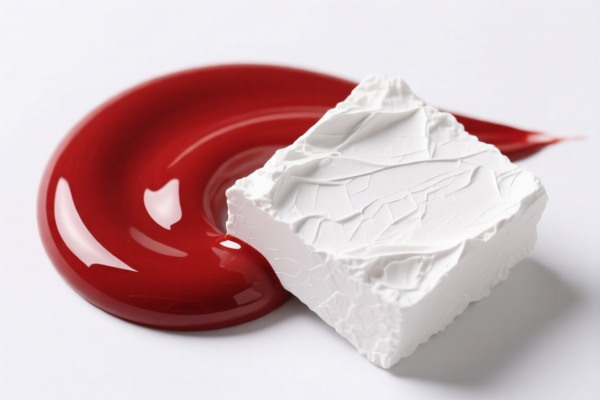

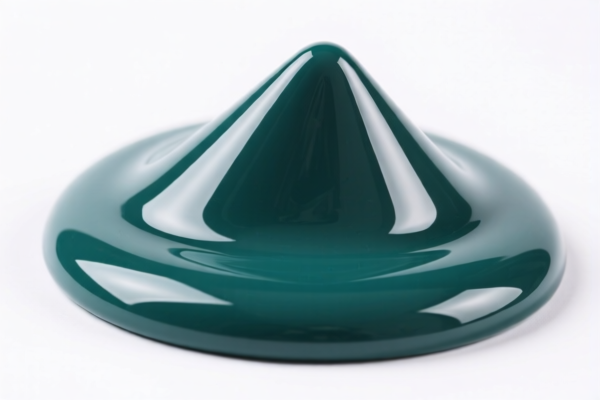
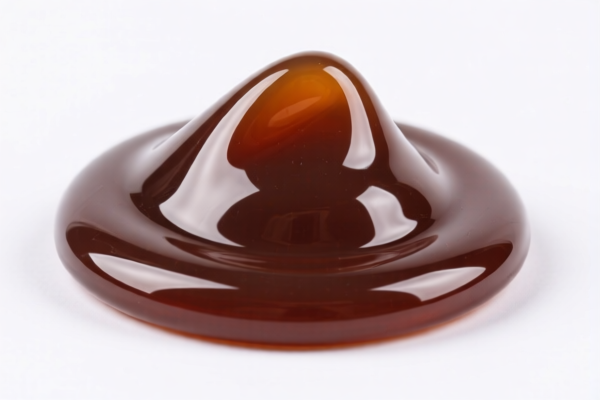
AI分析
🌿 Resins: Natural or Synthetic – HS Code & Tariff Guide (2026 Update)
🌐 HS Code Classification & Customs Clearance Strategy | 2026 Latest Tariff Rules | Expert-Level Compliance Guide
📌 One Product, Multiple Categories – Know the Difference to Avoid 45%+ Tariffs!
📦 I. Product Definition & Classification: What Exactly Is a Resin?
Resins are viscous or solid organic substances used in coatings, adhesives, electronics, plastics, and industrial applications. They are broadly categorized into:
- Natural Resins: Derived from plants (e.g., gum arabic, lac, balsams)
- Synthetic Resins: Chemically manufactured (e.g., epoxide resins, alkyd resins, polyesters)
⚠️ Critical Distinction:
- Natural resins (e.g., gum arabic, lac) → classified under Chapter 13
- Synthetic resins (e.g., epoxide, alkyd, polycarbonate) → classified under Chapter 39
- Misclassification = 25–31% tariff overcharge!
🔍 II. HS Code Breakdown (2026 Official Tariff Schedule)
| HS Code | Product Description | Key Features | Tax Status |
|---|---|---|---|
3910.00.00.00 |
Silicones in primary forms | Raw silicone polymers, not yet processed into products | ✅ High Tariff |
3907.50.00.00 |
Alkyd resins, in primary forms | Synthetic resins used in paints, varnishes, coatings | ✅ Low Tariff |
3907.30.00.00 |
Epoxide resins, in primary forms | Epoxy resins (e.g., diglycidyl ether), used in adhesives, electronics | ✅ High Tariff |
1301.90.91.90 |
Other natural resins (non-gum arabic) | Lac, balsams, oleoresins, gum-resins | ✅ Moderate Tariff |
1301.20.00.00 |
Gum Arabic (natural resin) | From Acacia trees; used in food, pharma, cosmetics | ✅ Moderate Tariff |
🔍 Why This Matters:
- Silicones are synthetic → fall under 3910.00.00.00
- Epoxide resins are synthetic → 3907.30.00.00
- Gum Arabic & Lac are natural → 1301.20.00.00 / 1301.90.91.90
💰 III. 2026 Tariff Breakdown (U.S. Market – China Origin)
✅ Applicable to: United States (US)
✅ Origin: China (CN)
✅ Effective Date: November 10, 2025 (including subsequent imports)
🎯 1. 3910.00.00.00 – Silicones in Primary Forms
| Item | Detail |
|---|---|
| Base Tariff | 3.0% (ad valorem) |
| Additional Duty (USITC 301) | +25.0% |
| Total Effective Tariff | 28.0% |
| Tax Calculation | CIF Value × 28.0% |
| De Minimis Threshold | ❌ Not applicable (denied) |
| Legal Basis | USITC:3910.00.00.00 → FOOTNOTE:9903.88.01 |
📌 Explanation:
- Silicones are not natural resins – they are synthetic polymers
- Subject to USITC Section 301 tariff due to China origin
- 28% total – high but lower than 45% for some other components
🎯 2. 3907.50.00.00 – Alkyd Resins (in Primary Forms)
| Item | Detail |
|---|---|
| Base Tariff | 0.0% |
| Additional Duty (USITC 301) | 0.0% |
| Total Effective Tariff | 0.0% |
| Tax Calculation | CIF Value × 0.0% |
| De Minimis Threshold | ✅ Applicable (if value < $800) |
| Legal Basis | USITC:3907.50.00.00 → FOOTNOTE:9903.88.01 |
📌 Explanation:
- Alkyd resins are synthetic but not currently under 301 tariffs
- 0% base + 0% additional = 0% total
- Perfect for cost-sensitive buyers – ideal for paint, coating, and industrial markets
🎯 3. 3907.30.00.00 – Epoxide Resins (in Primary Forms)
| Item | Detail |
|---|---|
| Base Tariff | 6.1% |
| Additional Duty (USITC 301) | +25.0% |
| Total Effective Tariff | 31.1% |
| Tax Calculation | CIF Value × 31.1% |
| De Minimis Threshold | ❌ Not applicable |
| Legal Basis | USITC:3907.30.00.00 → FOOTNOTE:9903.88.01 |
📌 Explanation:
- Epoxide resins are critical in electronics, adhesives, and composites
- 6.1% base + 25% 301 = 31.1% – one of the highest tariffs in this category
- Do not underestimate – this is a high-risk product for U.S. importers
🎯 4. 1301.90.91.90 – Other Natural Resins (e.g., Lac, Oleoresins)
| Item | Detail |
|---|---|
| Base Tariff | 0.0% |
| Additional Duty (USITC 301) | +7.5% |
| Total Effective Tariff | 7.5% |
| Tax Calculation | CIF Value × 7.5% |
| De Minimis Threshold | ✅ Applicable |
| Legal Basis | USITC:1301.90.91.90 → FOOTNOTE:9903.88.01 |
📌 Explanation:
- Natural resins like lac (from insects) or oleoresins (from trees) are not synthetic
- 7.5% tariff – much lower than synthetic resins
- Great for food, pharma, cosmetics, and natural products
🎯 5. 1301.20.00.00 – Gum Arabic (Natural Resin)
| Item | Detail |
|---|---|
| Base Tariff | 0.0% |
| Additional Duty (USITC 301) | +7.5% |
| Total Effective Tariff | 7.5% |
| Tax Calculation | CIF Value × 7.5% |
| De Minimis Threshold | ✅ Applicable |
| Legal Basis | USITC:1301.20.00.00 → FOOTNOTE:9903.88.01 |
📌 Explanation:
- Gum Arabic is natural, plant-derived, and non-synthetic
- Used in food, beverages, pharmaceuticals, and cosmetics
- 7.5% total – very favorable for natural product exporters
🛠️ IV. Customs Clearance Best Practices (Pro Tips)
✅ 1. Documentation Checklist (Must-Have)
| Document | Required? | Why It Matters |
|---|---|---|
| ✅ Product Specification Sheet | ✔️ | Proves resin type (natural/synthetic) |
| ✅ Material Safety Data Sheet (MSDS) | ✔️ | Confirms chemical composition |
| ✅ Certificates of Origin (CO) | ✔️ | Critical for tariff eligibility |
| ✅ Third-Party Test Reports | ✔️ | For RoHS, REACH, FDA (if food/pharma) |
| ✅ Commercial Invoice | ✔️ | Must clearly state “Gum Arabic” or “Epoxide Resin” |
| ✅ Packing List | ✔️ | Shows quantity, packaging, and origin |
| ✅ Lab Analysis Report | ✔️ | Proves natural vs. synthetic (e.g., FTIR, GC-MS) |
✅ 2.申报技巧(Key Rules to Remember)
🔥 “Natural ≠ Synthetic, Resin Type Matters, Tax Varies by HS Code!”
| Scenario | Correct HS Code | Wrong Code | Risk |
|---|---|---|---|
| Gum Arabic (from Acacia) | 1301.20.00.00 |
3907.50.00.00 |
7.5% vs. 0% → Overpay |
| Epoxide Resin (synthetic) | 3907.30.00.00 |
1301.90.91.90 |
31.1% vs. 7.5% → Massive overpay |
| Silicones (raw polymer) | 3910.00.00.00 |
3907.30.00.00 |
28% vs. 31.1% → Slight overpay |
| Lac (natural resin) | 1301.90.91.90 |
3910.00.00.00 |
7.5% vs. 28% → Dangerous mistake |
✅ 3. Special Cases & Risk Mitigation
| Situation | Recommended Action |
|---|---|
| Mixed Resin Products | Separate natural and synthetic components; declare separately |
| Custom Formulations | Provide lab report to prove composition |
| Re-import of Used Resins | Check if “used” status affects tariff (often lower) |
| Export to U.S. from Vietnam/Mexico | Apply for IEEPA exemption – 0% tariff possible |
| Need Lower Tariff? | Consider transshipment via third country (e.g., Vietnam, Thailand) |
🌍 V. Global Tariff Comparison (2026)
| Country | Recommended HS Code | Tariff | Certification | Notes |
|---|---|---|---|---|
| 🇺🇸 USA (China origin) | 3910.00.00.00 |
28.0% | None | 301 tariffs apply |
| 🇨🇳 China | 3910.00.00.00 |
5% | CCC | No extra tariffs |
| 🇪🇺 EU | 3910.00.00.00 |
0% | CE | No 301 tariffs |
| 🇦🇺 Australia | 3910.00.00.00 |
5% | RCM | No extra duties |
| 🇯🇵 Japan | 3910.00.00.00 |
0% | PSE | No additional taxes |
📌 Insight:
- China-origin synthetic resins face highest U.S. tariffs
- Natural resins (gum arabic, lac) are safer for U.S. export
- Consider shifting production to Vietnam/Mexico to avoid 301 tariffs
📌 VI. Common Mistakes & How to Avoid Them (Avoid Fines!)
❌ Mistake 1: Calling "epoxide resin" a "natural resin"
👉 Result: 31.1% tariff instead of 7.5% → huge overpayment
❌ Mistake 2: Not providing lab reports for resin type
👉 Result: Customs may reclassify → penalties, delays, or rejection
❌ Mistake 3: Using "resin" as a generic term on invoice
👉 Result: HS Code mismatch → audit risk
✅ Best Practice:
Use exact product names like:
- "Gum Arabic, natural resin, from Acacia senegal, 99% purity, food grade"
- "Epoxide resin, diglycidyl ether, synthetic, in primary form, 500 kg drum"
🎯 VII. Final Verdict: Know Your Resin, Know Your Tax
🔹 Natural Resins (Gum Arabic, Lac) → Lower tariffs (7.5%)
🔹 Synthetic Resins (Epoxide, Alkyd, Silicones) → Higher tariffs (0% to 31.1%)
🔹 Always verify HS Code before shipment!✅ Pro Tip:
- If exporting to the U.S. from China, avoid epoxide resins unless you can justify lower tariff
- Use Vietnam/Mexico as transshipment hubs to bypass 301 tariffs
- Apply for pre-ruling (Advance Ruling) to lock in HS Code and tariff
📣 Act Now!
📞 Contact a licensed customs broker + provide lab reports + product specs
🚀 Get your HS Code pre-approved – avoid surprises at the border!
✨ Your resin’s fate is in its classification.
💼 One wrong code = thousands in extra duty.
✅ Be precise. Be smart. Be compliant.
🟢 Professional Customs, Precise Classification, Profit Protection!
用户评价
关于 HS 编码归类
协调制度(HS)是由世界海关组织(WCO)制定的国际贸易商品分类标准。全球 200 多个国家采用 HS 系统作为海关关税、贸易统计和进出口监管的基础。
每个 HS 编码遵循以下层级结构:
- 章(2 位)——商品大类(例如:第 84 章:机器和机械设备)
- 品目(4 位)——章内的更具体分类
- 子目(6 位)——国际通用细分,所有 WCO 成员国统一使用
- 本国细分(8-10 位)——各国自行扩展的细分编码,如美国 HTSUS 10 位编码
正确的 HS 编码归类对于顺利通关、准确缴纳关税和遵守贸易法规至关重要。错误归类可能导致海关延误、多缴关税或罚款。
从CN进口到US时,适用的关税税率可能包括:
- 最惠国(MFN)税率——适用于 WTO 成员国的标准关税税率
- 普通税率——适用于无贸易协定国家
- 贸易救济关税——附加关税,如 301 条款(反倾销)、232 条款(国家安全)或反补贴税
本页内容仅供参考。如需正式归类,请咨询当地海关或持牌报关代理。