rose cloth stickers
CN → US| HS编码 | 关税税率 | 原产国 | 目的国 | 文档 |
|---|---|---|---|---|
| 5807902090 | 38.3% | CN | US | 官方文档 |
| 6217108500 | 24.6% | CN | US | 官方文档 |
| 6117809570 | 32.1% | CN | US | 官方文档 |
| 6117909095 | 32.1% | CN | US | 官方文档 |
| 5807102090 | 38.3% | CN | US | 官方文档 |
商品图片
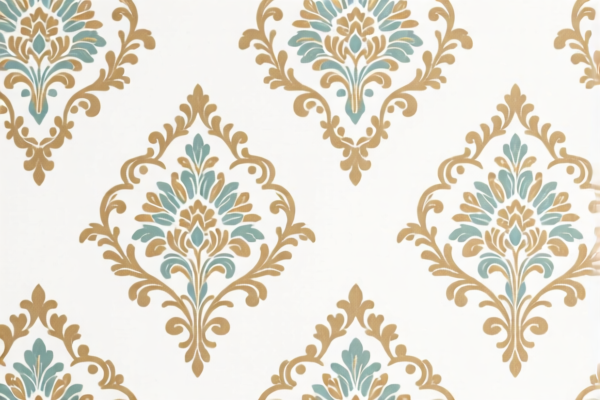
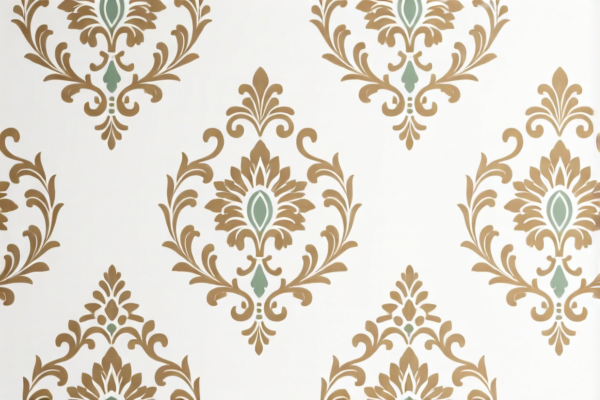
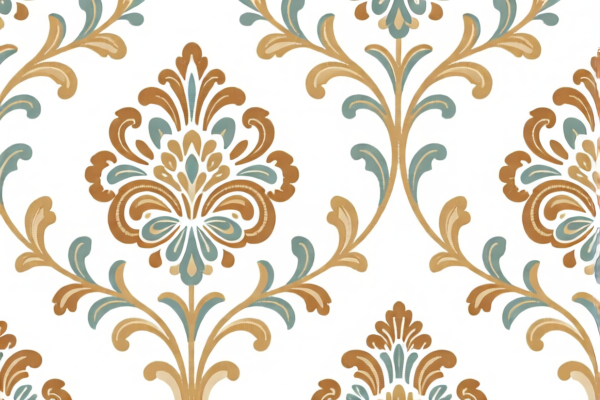

AI分析
🌹 Rose Cloth Stickers (Textile Appliques & Embellishments)
🌐 HS Code Reference & Customs Clearance Guide | 2026 Latest Tariff Analysis | Professional Clearance Strategy
📌 I. Product Definition: What Exactly Are "Rose Cloth Stickers"?
Rose cloth stickers, commonly known in the textile industry as appliques, patches, or embroidered/cut-work embellishments, are decorative textile items designed to be attached to garments, bags, or accessories. They typically feature rose motifs and are made from various fabrics (woven, knitted, non-woven) often combined with backing materials (adhesive, heat-seal, or sew-on).
In international trade, they are classified based on their material composition (knitted vs. woven) and their function (labels, badges, or general garment accessories).
⚠️ Key Classification Distinction:
- If the item is primarily a label, badge, or insignia made of textile material → It falls under Heading 5807.
- If the item is a general accessory for garments (decorative but not a label/badge) → It falls under Heading 6217 or 6117.
- Crucial Note: The presence of an adhesive backing does not automatically change the HS code if the primary function remains textile-based, but it may trigger additional regulatory checks (e.g., chemical compliance).
📦 II. HS Code Classification Details (2026 Latest Tariff Authority Mapping)
Based on the provided data, here are the 5 specific HS Codes applicable to "Rose Cloth Stickers," along with their descriptions and tax implications.
| HS Code | Product Description | Taxable Rate (Total) | Tax Breakdown Detail |
|---|---|---|---|
| 5807.10.20.90 | Textile labels, badges, or insignia (Rose motif) | 38.3% | Base Tariff: 3.3% Section 301 (Add-on): 25.0% Section 122 Tariff: 10.0% |
| 6217.10.95.50 | Other made-up clothing accessories (Rose cloth sticker as garment accessory) | 32.1% | Base Tariff: 14.6% Section 301 (Add-on): 7.5% Section 122 Tariff: 10.0% |
| 5807.90.20.90 | Textile labels/badges (Other categories, non-specific) | 38.3% | Base Tariff: 3.3% Section 301 (Add-on): 25.0% Section 122 Tariff: 10.0% |
| 6217.10.85.00 | Other made-up parts of garments or clothing accessories | 24.6% | Base Tariff: 14.6% Section 301 (Add-on): 0.0% Section 122 Tariff: 10.0% |
| 6117.80.95.70 | Knitted or crocheted clothing accessories (Other) | 32.1% | Base Tariff: 14.6% Section 301 (Add-on): 7.5% Section 122 Tariff: 10.0% |
🔍 Priority Insight:
- Lowest Tax Option:6217.10.85.00at 24.6% is the most cost-effective classification if the product can be legally defined as a "garment accessory" rather than a "label/badge."
- Highest Tax Option:5807.10.20.90and5807.90.20.90at 38.3% carry the highest Section 301 duty (25%), making them significantly more expensive.
- Material Dependency: Knitted products (6117.80.95.70) are taxed at 32.1%, while woven products (6217.10.95.50) are also 32.1%, but specific sub-codes may vary.
💰 III. 2026 Latest Tariff Rate Breakdown (US Market Focus)
✅ Applicable Country: United States (US)
✅ Origin: China (CN) (Note: Section 122 and Section 301 tariffs typically apply to Chinese-origin goods)
✅ Effective Time: Current regulations (2025-2026)
🎯 1. 5807.10.20.90 & 5807.90.20.90 —— Textile Labels/Badges (Highest Cost)
| Item | Content |
|---|---|
| Base Tariff | 3.3% (Ad Valorem) |
| Section 301 Add-on | +25.0% (From USITC Footnote 9903.88.01) |
| Section 122 Tariff | +10.0% (Special measure for textiles/apparel) |
| Total Effective Rate | 38.3% |
| Tax Calculation | CIF Value × 38.3% |
| De Minimis Exemption | ❌ Not Eligible |
| Legal Authority Path | Section 301: 9903.88.01 → Section 122: 9903.12.01 → USITC: 5807.10.20.90 |
📌 Explanation:
- Why so high? These codes are categorized under "Textile Labels and Badges," which are subject to the maximum Section 301 tariff (25%) due to strategic trade policies.
- Section 122: Adds an extra 10% specifically targeting textile imports to protect domestic manufacturing.
- Risk: This is a high-cost classification. Misclassification here can lead to significant overpayment.
🎯 2. 6217.10.95.50 & 6117.80.95.70 —— Garment Accessories (Medium Cost)
| Item | Content |
|---|---|
| Base Tariff | 14.6% (Ad Valorem) |
| Section 301 Add-on | +7.5% (Reduced rate for certain accessories) |
| Section 122 Tariff | +10.0% |
| Total Effective Rate | 32.1% |
| Tax Calculation | CIF Value × 32.1% |
| De Minimis Exemption | ❌ Not Eligible |
| Legal Authority Path | Section 301: 9903.01.24 → Section 122: 9903.12.01 → USITC: 6217.10.95.50 |
📌 Explanation:
- Savings: By classifying as "Accessories" rather than "Labels/Badges," you save 6.2% compared to the 5807 codes.
- Condition: The product must not be primarily used as a brand label or insignia. It must be a decorative element (e.g., a rose patch sewn onto a jeans pocket).
🎯 3. 6217.10.85.00 —— Other Made-Up Garment Parts (Lowest Cost)
| Item | Content |
|---|---|
| Base Tariff | 14.6% (Ad Valorem) |
| Section 301 Add-on | 0.0% (Exempt or lower tier) |
| Section 122 Tariff | +10.0% |
| Total Effective Rate | 24.6% |
| Tax Calculation | CIF Value × 24.6% |
| De Minimis Exemption | ❌ Not Eligible |
| Legal Authority Path | Section 122: 9903.12.01 → USITC: 6217.10.85.00 |
📌 Explanation:
- Biggest Savings: This code has 0% Section 301 duty, resulting in the lowest total tax of 24.6%.
- Strategy: If your rose cloth stickers can be described as "parts of garments" or "general accessories" (not specific labels), this is the optimal classification for cost reduction.
🛠️ IV. Customs Clearance Practical Advice (Real-World Pitfall Avoidance)
✅ 1. Documentation Checklist (Non-Negotiable)
| Document | Required | Description |
|---|---|---|
| ✅ Product Specification Sheet | ✔️ | Detailed breakdown: Material (e.g., 100% Cotton, Polyester), backing type (iron-on, sew-on), dimensions. |
| ✅ Product Photos | ✔️ | High-res images showing the front (rose design), back (fabric texture), and any adhesive/lining. |
| ✅ Commercial Invoice | ✔️ | Must clearly state: "Rose Cloth Stickers (Textile Garment Accessories)" and avoid vague terms like "Sticker" (which implies paper/plastic). |
| ✅ Bill of Lading / Packing List | ✔️ | Item weight and volume details. |
| ✅ Origin Certificate (CO) | ✔️ | To prove origin (China) and confirm applicable tariffs. |
| ✅ Usage Declaration | ✔️ | Explain how the item is used (e.g., "Sewn onto denim jackets for decoration"). |
✅ 2. Classification Strategy (Key Mantra)
🔥 "Label/Badge = High Tax; Accessory = Low Tax; Be Specific!"
| Scenario | Recommended HS Code | Reasoning |
|---|---|---|
| Product has a brand logo + "Made in China" text | 5807.10.20.90 |
Clearly a Label/Badge. High tax (38.3%). |
| Purely decorative rose pattern, no brand text | 6217.10.85.00 |
Best classified as Garment Accessory. Lowest tax (24.6%). |
| Knitted rose patch (e.g., crochet style) | 6117.80.95.70 |
Material is Knitted, not woven. Medium tax (32.1%). |
| Rose patch with adhesive backing | 6217.10.85.00 or 5807 |
Adhesive does not change classification. Focus on function (decoration vs. labeling). |
✅ 3. Special Handling Cases
| Case | Handling Advice |
|---|---|
| OEM Custom Rose Stickers | Provide client design proofs. If they are custom for a specific brand, they may be deemed "Labels" → Higher Tax. |
| Mixed Materials (Cloth + Plastic Eyelets) | The textile component dominates. Still classified under 5807/6217/6117. |
| Samples for Evaluation | If shipped under De Minimis ( <$800), ensure they are clearly marked "SAMPLES - NOT FOR RESALE" and value is low. However, Section 122/301 may still apply depending on current enforcement. |
| Chemical Compliance | Ensure rose dyes meet CPSIA (for kids' items) or Prop 65 (California) standards. Non-compliance leads to detention, regardless of HS Code. |
🌍 V. Global Market Comparison (2026 Update)
| Country/Region | Recommended HS Code | Est. Total Duty | Notes |
|---|---|---|---|
| 🇺🇸 USA | 6217.10.85.00 |
24.6% | Best option. Avoid 5807 if possible. |
| 🇨🇳 China | 5807.10.20.90 |
~3-5% | Low import duty for domestic production/re-export. |
| 🇪🇺 EU | 5807.90.20.90 |
4.5% | No Section 301/122 equivalents. Standard MFN rate. |
| 🇬🇧 UK | 5807.90.20.90 |
4.5% | Post-Brexit tariffs similar to EU for textiles. |
📌 Conclusion:
- The US market is the most complex due to Section 301 and Section 122 tariffs.
- Strategy: Always aim for6217.10.85.00(24.6%) by positioning the product as a general garment accessory rather than a label/badge.
📌 VI. Common Mistakes & Pitfalls (Lessons Learned)
❌ Mistake 1: Calling it a "Sticker" or "Iron-On Label"
👉 Consequence: Customs may classify it as 5807 (Label) → 38.3% Tax.
✅ Fix: Use terms like "Textile Applique," "Decorative Patch," or "Garment Embellishment."
❌ Mistake 2: Ignoring Section 122 Tariff
👉 Consequence: Even with a low base tariff, the 10% Section 122 adds up.
✅ Fix: Calculate total landed cost including all add-ons.
❌ Mistake 3: Misclassifying Knitted vs. Woven
👉 Consequence: 6117 (Knitted) vs 6217 (Woven). Different tax rates.
✅ Fix: Check fabric construction. If it's knitted (stretchy, looped), use 6117.80.95.70. If woven (flat, non-stretch), use 6217.
❌ Mistake 4: Assuming "De Minimis" Applies
👉 Consequence: Section 122 and 301 tariffs do not apply to de minimis exemptions in many cases.
✅ Fix: For shipments <$800, consult a broker. If Section 122 applies, you may still owe duties.
🎯 VII. Conclusion: Optimize Your Tax Strategy
🎯 Key Takeaways:
🔹 "Accessory > Label": Classify as
6217.10.85.00for 24.6% tax.
🔹 "Label = 38.3%": Avoid5807codes unless legally required.
🔹 "Knitted vs. Woven": Verify fabric structure to choose between6117and6217.
🔹 "Section 122 is Universal": The 10% textile tariff applies to most of these codes.
📌 Pro Tip:
If your rose cloth stickers are embroidered and used for branding, you might be forced into
5807.
If they are cut-work fabric patches for decoration, fight for6217.10.85.00.
Action: Request a Binding Ruling from US Customs (CBP) before large-scale shipments to lock in the 24.6% rate.
📣 Immediate Action Plan:
1. Identify Function: Is it a label or a decoration?
2. Check Material: Knitted or Woven?
3. Select HS Code: Aim for 6217.10.85.00.
4. Document: Prepare specs emphasizing "decorative accessory" status.
🚀 Clear Customs Efficiently, Reduce Costs, Maximize Profit!
✨ Precision in Classification is the Key to Competitive Pricing!
💼 Every 1% in Duty Savings = 1% More Margin!
用户评价
关于 HS 编码归类
协调制度(HS)是由世界海关组织(WCO)制定的国际贸易商品分类标准。全球 200 多个国家采用 HS 系统作为海关关税、贸易统计和进出口监管的基础。
每个 HS 编码遵循以下层级结构:
- 章(2 位)——商品大类(例如:第 84 章:机器和机械设备)
- 品目(4 位)——章内的更具体分类
- 子目(6 位)——国际通用细分,所有 WCO 成员国统一使用
- 本国细分(8-10 位)——各国自行扩展的细分编码,如美国 HTSUS 10 位编码
正确的 HS 编码归类对于顺利通关、准确缴纳关税和遵守贸易法规至关重要。错误归类可能导致海关延误、多缴关税或罚款。
从CN进口到US时,适用的关税税率可能包括:
- 最惠国(MFN)税率——适用于 WTO 成员国的标准关税税率
- 普通税率——适用于无贸易协定国家
- 贸易救济关税——附加关税,如 301 条款(反倾销)、232 条款(国家安全)或反补贴税
本页内容仅供参考。如需正式归类,请咨询当地海关或持牌报关代理。