rose cloth stickers
CN → US| HS Code | Tariff Rate | Origin | Destination | Doc |
|---|---|---|---|---|
| 5807902090 | 38.3% | CN | US | Official Doc |
| 6217108500 | 24.6% | CN | US | Official Doc |
| 6117809570 | 32.1% | CN | US | Official Doc |
| 6117909095 | 32.1% | CN | US | Official Doc |
| 5807102090 | 38.3% | CN | US | Official Doc |
Product Images
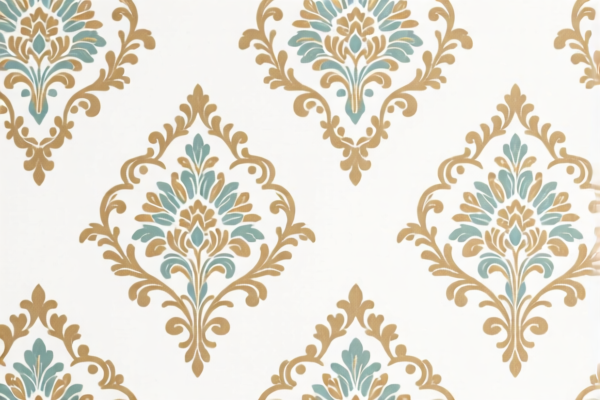
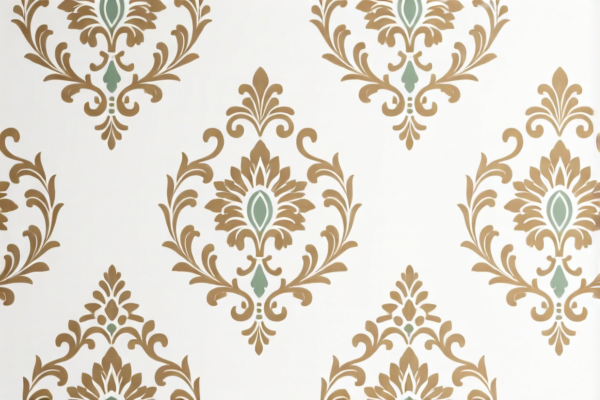
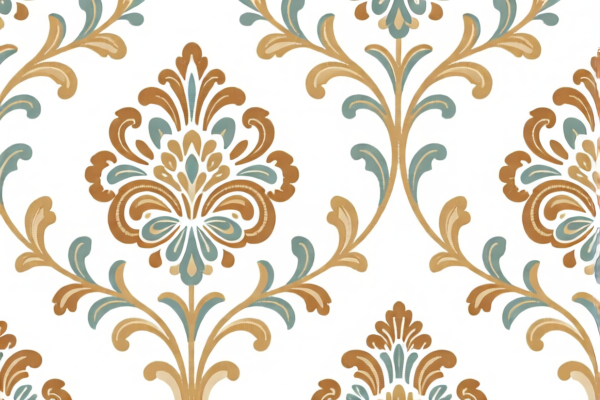

AI Analysis
🌹 Rose Cloth Stickers (Textile Appliques & Embellishments)
🌐 HS Code Reference & Customs Clearance Guide | 2026 Latest Tariff Analysis | Professional Clearance Strategy
📌 I. Product Definition: What Exactly Are "Rose Cloth Stickers"?
Rose cloth stickers, commonly known in the textile industry as appliques, patches, or embroidered/cut-work embellishments, are decorative textile items designed to be attached to garments, bags, or accessories. They typically feature rose motifs and are made from various fabrics (woven, knitted, non-woven) often combined with backing materials (adhesive, heat-seal, or sew-on).
In international trade, they are classified based on their material composition (knitted vs. woven) and their function (labels, badges, or general garment accessories).
⚠️ Key Classification Distinction:
- If the item is primarily a label, badge, or insignia made of textile material → It falls under Heading 5807.
- If the item is a general accessory for garments (decorative but not a label/badge) → It falls under Heading 6217 or 6117.
- Crucial Note: The presence of an adhesive backing does not automatically change the HS code if the primary function remains textile-based, but it may trigger additional regulatory checks (e.g., chemical compliance).
📦 II. HS Code Classification Details (2026 Latest Tariff Authority Mapping)
Based on the provided data, here are the 5 specific HS Codes applicable to "Rose Cloth Stickers," along with their descriptions and tax implications.
| HS Code | Product Description | Taxable Rate (Total) | Tax Breakdown Detail |
|---|---|---|---|
| 5807.10.20.90 | Textile labels, badges, or insignia (Rose motif) | 38.3% | Base Tariff: 3.3% Section 301 (Add-on): 25.0% Section 122 Tariff: 10.0% |
| 6217.10.95.50 | Other made-up clothing accessories (Rose cloth sticker as garment accessory) | 32.1% | Base Tariff: 14.6% Section 301 (Add-on): 7.5% Section 122 Tariff: 10.0% |
| 5807.90.20.90 | Textile labels/badges (Other categories, non-specific) | 38.3% | Base Tariff: 3.3% Section 301 (Add-on): 25.0% Section 122 Tariff: 10.0% |
| 6217.10.85.00 | Other made-up parts of garments or clothing accessories | 24.6% | Base Tariff: 14.6% Section 301 (Add-on): 0.0% Section 122 Tariff: 10.0% |
| 6117.80.95.70 | Knitted or crocheted clothing accessories (Other) | 32.1% | Base Tariff: 14.6% Section 301 (Add-on): 7.5% Section 122 Tariff: 10.0% |
🔍 Priority Insight:
- Lowest Tax Option:6217.10.85.00at 24.6% is the most cost-effective classification if the product can be legally defined as a "garment accessory" rather than a "label/badge."
- Highest Tax Option:5807.10.20.90and5807.90.20.90at 38.3% carry the highest Section 301 duty (25%), making them significantly more expensive.
- Material Dependency: Knitted products (6117.80.95.70) are taxed at 32.1%, while woven products (6217.10.95.50) are also 32.1%, but specific sub-codes may vary.
💰 III. 2026 Latest Tariff Rate Breakdown (US Market Focus)
✅ Applicable Country: United States (US)
✅ Origin: China (CN) (Note: Section 122 and Section 301 tariffs typically apply to Chinese-origin goods)
✅ Effective Time: Current regulations (2025-2026)
🎯 1. 5807.10.20.90 & 5807.90.20.90 —— Textile Labels/Badges (Highest Cost)
| Item | Content |
|---|---|
| Base Tariff | 3.3% (Ad Valorem) |
| Section 301 Add-on | +25.0% (From USITC Footnote 9903.88.01) |
| Section 122 Tariff | +10.0% (Special measure for textiles/apparel) |
| Total Effective Rate | 38.3% |
| Tax Calculation | CIF Value × 38.3% |
| De Minimis Exemption | ❌ Not Eligible |
| Legal Authority Path | Section 301: 9903.88.01 → Section 122: 9903.12.01 → USITC: 5807.10.20.90 |
📌 Explanation:
- Why so high? These codes are categorized under "Textile Labels and Badges," which are subject to the maximum Section 301 tariff (25%) due to strategic trade policies.
- Section 122: Adds an extra 10% specifically targeting textile imports to protect domestic manufacturing.
- Risk: This is a high-cost classification. Misclassification here can lead to significant overpayment.
🎯 2. 6217.10.95.50 & 6117.80.95.70 —— Garment Accessories (Medium Cost)
| Item | Content |
|---|---|
| Base Tariff | 14.6% (Ad Valorem) |
| Section 301 Add-on | +7.5% (Reduced rate for certain accessories) |
| Section 122 Tariff | +10.0% |
| Total Effective Rate | 32.1% |
| Tax Calculation | CIF Value × 32.1% |
| De Minimis Exemption | ❌ Not Eligible |
| Legal Authority Path | Section 301: 9903.01.24 → Section 122: 9903.12.01 → USITC: 6217.10.95.50 |
📌 Explanation:
- Savings: By classifying as "Accessories" rather than "Labels/Badges," you save 6.2% compared to the 5807 codes.
- Condition: The product must not be primarily used as a brand label or insignia. It must be a decorative element (e.g., a rose patch sewn onto a jeans pocket).
🎯 3. 6217.10.85.00 —— Other Made-Up Garment Parts (Lowest Cost)
| Item | Content |
|---|---|
| Base Tariff | 14.6% (Ad Valorem) |
| Section 301 Add-on | 0.0% (Exempt or lower tier) |
| Section 122 Tariff | +10.0% |
| Total Effective Rate | 24.6% |
| Tax Calculation | CIF Value × 24.6% |
| De Minimis Exemption | ❌ Not Eligible |
| Legal Authority Path | Section 122: 9903.12.01 → USITC: 6217.10.85.00 |
📌 Explanation:
- Biggest Savings: This code has 0% Section 301 duty, resulting in the lowest total tax of 24.6%.
- Strategy: If your rose cloth stickers can be described as "parts of garments" or "general accessories" (not specific labels), this is the optimal classification for cost reduction.
🛠️ IV. Customs Clearance Practical Advice (Real-World Pitfall Avoidance)
✅ 1. Documentation Checklist (Non-Negotiable)
| Document | Required | Description |
|---|---|---|
| ✅ Product Specification Sheet | ✔️ | Detailed breakdown: Material (e.g., 100% Cotton, Polyester), backing type (iron-on, sew-on), dimensions. |
| ✅ Product Photos | ✔️ | High-res images showing the front (rose design), back (fabric texture), and any adhesive/lining. |
| ✅ Commercial Invoice | ✔️ | Must clearly state: "Rose Cloth Stickers (Textile Garment Accessories)" and avoid vague terms like "Sticker" (which implies paper/plastic). |
| ✅ Bill of Lading / Packing List | ✔️ | Item weight and volume details. |
| ✅ Origin Certificate (CO) | ✔️ | To prove origin (China) and confirm applicable tariffs. |
| ✅ Usage Declaration | ✔️ | Explain how the item is used (e.g., "Sewn onto denim jackets for decoration"). |
✅ 2. Classification Strategy (Key Mantra)
🔥 "Label/Badge = High Tax; Accessory = Low Tax; Be Specific!"
| Scenario | Recommended HS Code | Reasoning |
|---|---|---|
| Product has a brand logo + "Made in China" text | 5807.10.20.90 |
Clearly a Label/Badge. High tax (38.3%). |
| Purely decorative rose pattern, no brand text | 6217.10.85.00 |
Best classified as Garment Accessory. Lowest tax (24.6%). |
| Knitted rose patch (e.g., crochet style) | 6117.80.95.70 |
Material is Knitted, not woven. Medium tax (32.1%). |
| Rose patch with adhesive backing | 6217.10.85.00 or 5807 |
Adhesive does not change classification. Focus on function (decoration vs. labeling). |
✅ 3. Special Handling Cases
| Case | Handling Advice |
|---|---|
| OEM Custom Rose Stickers | Provide client design proofs. If they are custom for a specific brand, they may be deemed "Labels" → Higher Tax. |
| Mixed Materials (Cloth + Plastic Eyelets) | The textile component dominates. Still classified under 5807/6217/6117. |
| Samples for Evaluation | If shipped under De Minimis ( <$800), ensure they are clearly marked "SAMPLES - NOT FOR RESALE" and value is low. However, Section 122/301 may still apply depending on current enforcement. |
| Chemical Compliance | Ensure rose dyes meet CPSIA (for kids' items) or Prop 65 (California) standards. Non-compliance leads to detention, regardless of HS Code. |
🌍 V. Global Market Comparison (2026 Update)
| Country/Region | Recommended HS Code | Est. Total Duty | Notes |
|---|---|---|---|
| 🇺🇸 USA | 6217.10.85.00 |
24.6% | Best option. Avoid 5807 if possible. |
| 🇨🇳 China | 5807.10.20.90 |
~3-5% | Low import duty for domestic production/re-export. |
| 🇪🇺 EU | 5807.90.20.90 |
4.5% | No Section 301/122 equivalents. Standard MFN rate. |
| 🇬🇧 UK | 5807.90.20.90 |
4.5% | Post-Brexit tariffs similar to EU for textiles. |
📌 Conclusion:
- The US market is the most complex due to Section 301 and Section 122 tariffs.
- Strategy: Always aim for6217.10.85.00(24.6%) by positioning the product as a general garment accessory rather than a label/badge.
📌 VI. Common Mistakes & Pitfalls (Lessons Learned)
❌ Mistake 1: Calling it a "Sticker" or "Iron-On Label"
👉 Consequence: Customs may classify it as 5807 (Label) → 38.3% Tax.
✅ Fix: Use terms like "Textile Applique," "Decorative Patch," or "Garment Embellishment."
❌ Mistake 2: Ignoring Section 122 Tariff
👉 Consequence: Even with a low base tariff, the 10% Section 122 adds up.
✅ Fix: Calculate total landed cost including all add-ons.
❌ Mistake 3: Misclassifying Knitted vs. Woven
👉 Consequence: 6117 (Knitted) vs 6217 (Woven). Different tax rates.
✅ Fix: Check fabric construction. If it's knitted (stretchy, looped), use 6117.80.95.70. If woven (flat, non-stretch), use 6217.
❌ Mistake 4: Assuming "De Minimis" Applies
👉 Consequence: Section 122 and 301 tariffs do not apply to de minimis exemptions in many cases.
✅ Fix: For shipments <$800, consult a broker. If Section 122 applies, you may still owe duties.
🎯 VII. Conclusion: Optimize Your Tax Strategy
🎯 Key Takeaways:
🔹 "Accessory > Label": Classify as
6217.10.85.00for 24.6% tax.
🔹 "Label = 38.3%": Avoid5807codes unless legally required.
🔹 "Knitted vs. Woven": Verify fabric structure to choose between6117and6217.
🔹 "Section 122 is Universal": The 10% textile tariff applies to most of these codes.
📌 Pro Tip:
If your rose cloth stickers are embroidered and used for branding, you might be forced into
5807.
If they are cut-work fabric patches for decoration, fight for6217.10.85.00.
Action: Request a Binding Ruling from US Customs (CBP) before large-scale shipments to lock in the 24.6% rate.
📣 Immediate Action Plan:
1. Identify Function: Is it a label or a decoration?
2. Check Material: Knitted or Woven?
3. Select HS Code: Aim for 6217.10.85.00.
4. Document: Prepare specs emphasizing "decorative accessory" status.
🚀 Clear Customs Efficiently, Reduce Costs, Maximize Profit!
✨ Precision in Classification is the Key to Competitive Pricing!
💼 Every 1% in Duty Savings = 1% More Margin!
Customer Reviews
About HS Code Classification
The Harmonized System (HS) is an internationally standardized nomenclature developed by the World Customs Organization (WCO) to classify traded products. Over 200 countries use the HS system as the basis for customs tariffs, trade statistics, and import/export regulations.
Each HS code follows a hierarchical structure:
- Chapter (2 digits) — Broad category of goods (e.g., Chapter 84: Machinery and Mechanical Appliances)
- Heading (4 digits) — More specific grouping within the chapter
- Subheading (6 digits) — Internationally standardized breakdown, used by all WCO member countries
- National subdivisions (8-10 digits) — Country-specific extensions for further classification, such as US HTSUS 10-digit codes
Correct HS code classification is essential for smooth customs clearance, accurate duty payment, and compliance with trade regulations. Misclassification can lead to customs delays, overpayment of duties, or penalties.
When importing from CN to US, the applicable tariff rates may include:
- Most-Favored-Nation (MFN) rate — The standard duty rate applied to WTO members
- General rate — Applied to countries without trade agreements
- Trade remedy duties — Additional tariffs such as Section 301 (anti-dumping), Section 232 (national security), or countervailing duties
The information provided on this page is for reference purposes only. For official classification, please consult with your local customs authority or a licensed customs broker.