rosin salt for rubber
CN → US| HS编码 | 关税税率 | 原产国 | 目的国 | 文档 |
|---|---|---|---|---|
| 3809921000 | 41.5% | CN | US | 官方文档 |
| 3809931000 | 41.5% | CN | US | 官方文档 |
| 4002990000 | 35.0% | CN | US | 官方文档 |
| 4002910000 | 35.0% | CN | US | 官方文档 |
商品图片
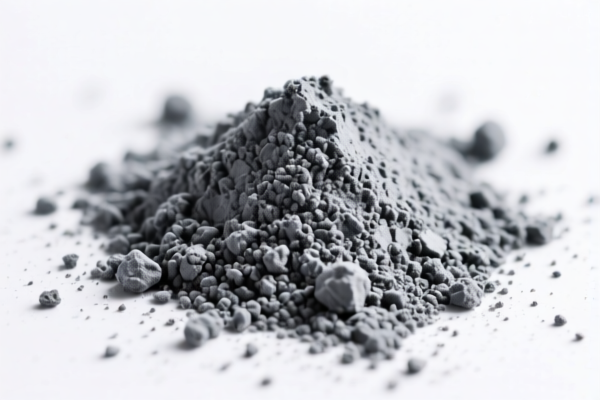
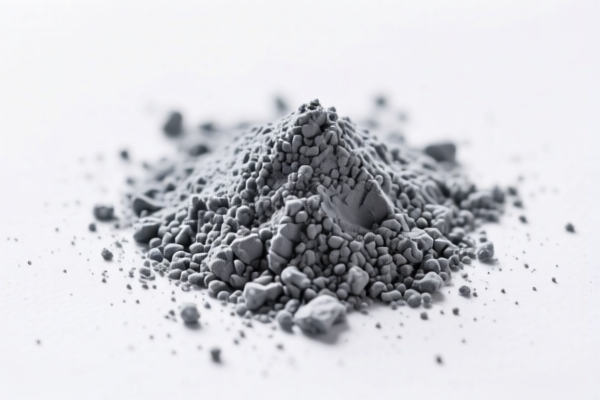
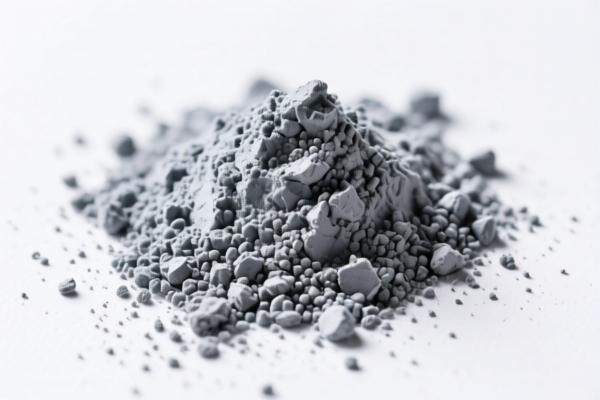
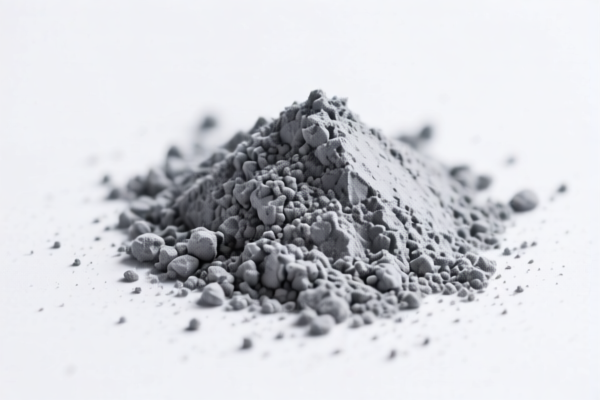
AI分析
🧪 Rosin Salt for Rubber (Resin Salts in Rubber Industry)
🌐 HS Code Classification & Customs Clearance Guide | 2026 Tariff Analysis | Strategic Compliance Strategy
📌 I. Product Definition & Classification: What is "Rosin Salt for Rubber"?
Rosin Salt (often Sodium Rosinate or Potassium Rosinate) is a chemical derivative of rosin (colophony), obtained by neutralizing rosin acids with an alkali. In the rubber industry, it serves as a crucial resin, tackifier, or plasticizer.
Internationally, it is classified based on its primary function and chemical composition:
- Chemical Agent/Preparation Category: If classified as a chemical preparation used for treatment, dye carriers, or finishing agents in industrial processes.
- Rubber Additive/Plasticizer Category: If classified as a specific additive or plasticizer for synthetic or natural rubber.
⚠️ Critical Distinction:
- If the product is emphasized as a "chemical preparation" for industrial finishing → Fall under Chapter 38.
- If the product is emphasized as a "rubber plasticizer/additive" with rubber-resin properties → Fall under Chapter 40.
📦 II. HS Code Classification Details (2026 Latest Tariff Authority Comparison)
| HS Code | Product Description | Application Scenario | Chemical Nature |
|---|---|---|---|
3809.92.10.00 |
Chemical preparations/pastes for finishing, dye carriers, etc. | Rosin salt used as an industrial finishing agent or dye carrier in rubber processing | ✅ Chemical Salt/Preparation |
3809.93.10.00 |
Other chemical preparations (resin salts) | Resin salt category, fits chemical preparation characteristics | ✅ Chemical Salt/Preparation |
4002.99.00.00 |
Other synthetic rubber and rubber compounds (plasticizers/additives) | Rosin salt extracted as rubber-related/resin, used as a shaping agent/additive | ✅ Rubber Plasticizer/Additive |
4002.91.00.00 |
Other synthetic rubber and rubber compounds (emulsions/derivatives) | Rosin salt as a chemical raw material/primary form, consistent with synthetic rubber derivatives | ✅ Chemical Raw Material/Rubber Derivative |
🔍 Key Reminder:
- Chapter 38 Codes focus on the "preparation/agent" aspect.
- Chapter 40 Codes focus on the "rubber material/additive" aspect.
- The final classification depends on the Customs Declaration Statement and Product Technical Data Sheet.
💰 III. 2026 Latest Tariff Rate Breakdown (Including Surcharges & Policy Additions)
✅ Applicable Country: United States (US)
✅ Country of Origin: China (CN)
✅ Effective Date: From November 10, 2025 (including subsequent imports)
🎯 1. 3809.92.10.00 & 3809.93.10.00 —— Chemical Preparations (Rosin Salt as Agent)
| Item | Content |
|---|---|
| Base Tariff | 6.5% (ad valorem) |
| Section 301 Surcharge | +25.0% |
| Section 122 Surcharge | +10.0% |
| Total Rate | 41.5% |
| Tax Calculation | CIF Value × 41.5% |
| De Minimis Exemption | ❌ Not Eligible (High tariff threshold) |
| Legal Basis Path | Section 301: 8517.62.00 (General Footnote) → Section 122 → USITC: 3809.92/93.10.00 |
📌 Explanation:
- "Base Tariff 6.5%": Standard MFN rate for chemical preparations.
- "Section 301 Surcharge 25%": Standard retaliatory tariff on Chinese goods.
- "Section 122 Surcharge 10%": Additional tariff based on specific trade remedy measures.
- Total 41.5%: High cost! Must be factored into pricing.
🎯 2. 4002.99.00.00 & 4002.91.00.00 —— Rubber Additives/Plasticizers (Rosin Salt as Rubber Material)
| Item | Content |
|---|---|
| Base Tariff | 0.0% |
| Section 301 Surcharge | +25.0% |
| Section 122 Surcharge | +10.0% |
| Total Rate | 35.0% |
| Tax Calculation | CIF Value × 35.0% |
| De Minimis Exemption | ❌ Not Eligible |
| Legal Basis Path | Section 301: 4002.91/99 → Section 122 → USITC: 4002.99/91.00.00 |
📌 Explanation:
- "Base Tariff 0.0%": Synthetic rubber and related compounds often enjoy 0% base duty.
- "Section 301 Surcharge 25%": Still applies to Chinese-origin rubber-related chemicals.
- "Section 122 Surcharge 10%": Still applies.
- Total 35.0%: 7% lower than Chapter 38 classification! This is a significant cost difference.
🛠️ IV. Customs Clearance Practical Advice (Practical Pitfall Avoidance Guide)
✅ 1. Required Documentation Checklist (Non-negotiable)
| Document | Mandatory | Explanation |
|---|---|---|
| ✅ Technical Data Sheet (TDS) | ✔️ | Must specify: "Rosin Salt," "Sodium/Potassium Rosinate," "Use in Rubber Plasticizing." |
| ✅ Product Formula/Composition | ✔️ | Shows % of rosin acid, alkali content. Crucial for Chapter 38 vs. 40 determination. |
| ✅ Product Photos (Label/Packaging) | ✔️ | Clear label showing "For Rubber Industry Use" or "Tackifier." |
| ✅ Certificate of Analysis (COA) | ✔️ | Confirms purity and chemical structure. |
| ✅ Commercial Invoice | ✔️ | Description must match HS Code logic (e.g., "Rubber Plasticizer" vs. "Chemical Agent"). |
| ✅ Certificate of Origin (CO) | ✔️ | Required for origin verification (China). |
| ✅ Packing List | ✔️ | Net/Gross weight, package count. |
✅ 2. Declaration Strategy (Key Mnemonic)
🔥 “Function Defines Chapter, Composition Confirms Truth!”
| Scenario | Correct Declaration | Wrong Practice |
|---|---|---|
| Emphasize "Rubber Plasticizer/Additive" | 4002.99.00.00 / 4002.91.00.00 (35%) |
Declare as "Chemical Agent" → 41.5% |
| Emphasize "Industrial Finishing Agent/Dye Carrier" | 3809.92.10.00 / 3809.93.10.00 (41.5%) |
Declare as "Rubber Material" → Risk of misclassification penalty |
| Mixed Use (Both Rubber & Chemical) | Pre-ruling Recommended | Random declaration → Audit risk |
| Raw Resin Salt (No rubber context) | Chapter 35/38 | Forced into Chapter 40 → Rejection |
✅ 3. Special Case Handling
| Situation | Handling Suggestion |
|---|---|
| OEM Custom Rosin Salt | Provide client's rubber compound formula to prove "Additive" function → Supports 4002 classification. |
| Rosin Salt in Emulsion Form | Clearly state "Emulsified Rosin Salt for Rubber" → Strong support for 4002.91.00.00. |
| Solid Crystalline Rosin Salt | May lean towards 3809 if used as a general chemical intermediate. Provide usage evidence for 4002. |
| Non-Chinese Origin (e.g., Malaysia, Thailand) | Apply for FTAA/USMCA/CEPA benefits if available. Verify if rubber additives qualify for zero tariff under specific trade agreements. |
🌍 V. Global Market Customs Comparison (2026 Latest)
| Country/Region | Recommended HS Code | Tariff (China Origin) | Certification Requirements | Notes |
|---|---|---|---|---|
| 🇺🇸 USA | 4002.99.00.00 |
35% | EPA TSCA, Section 301/122 | Best Rate if Classified as Rubber Additive |
| 🇨🇳 China | 3824.99.99 / 4002.99 |
6.5% - 10% | No special import license | Base rate lower, but US export dominates |
| 🇪🇺 EU | 3824.99.99 |
6.5% | REACH Registration | EU classifies rosin salts mostly as chemical preparations (Chapter 38). No US-style 25% surcharge, but REACH compliance is critical. |
| 🇬🇧 UK | 3824.99.99 |
6.5% | UK REACH | Similar to EU. |
| 🇯🇵 Japan | 3824.99.90 |
5.0% | JIS, KSEI | Lower base tariff, no major surcharges. |
📌 Conclusion:
- USA: Classification into Chapter 40 saves 6.5% in base tariff compared to Chapter 38. Total savings: 6.5%.
- EU/UK/Japan: Generally classify rosin salts as chemical preparations (Chapter 38), with lower base tariffs but strict chemical registration (REACH/KSEI).
- Strategy for US Market: Provide robust technical data proving "Rubber Plasticizer/Additive" function to support4002.99.00.00classification.
📌 VI. Common Errors & Pitfall Guide (Lessons from Blood and Tears)
❌ Error 1: Declaring as "Chemical Agent" (3809) when used primarily as a Rubber Plasticizer
👉 Consequence: Pay 41.5% instead of 35%. Overpayment of 6.5%!
❌ Error 2: Declaring as "Rubber Additive" (4002) without technical proof
👉 Consequence: Customs audit → Misclassification penalty + Interest + Possible detention.
❌ Error 3: Ignoring Section 122 & 301 applicability
👉 Consequence: Unexpected tax bill at customs → Cash flow crisis.
❌ Error 4: Vague product description ("Rosin Salt")
👉 Consequence: Customs unsure of classification → Delayed release + Inspection fees.
✅ Correct Practice:
"Sodium Rosinate, Rubber Plasticizer/Additive, for Synthetic Rubber Processing, Chemical Formula: C18H29NaO2, No Organic Solvents, For US Market Only"
🎯 VII. Conclusion: Professional Declaration, Save Costs, Ensure Compliance!
🎯 Remember the Mantra:
🔹 "Function First, Chapter Determines Rate!"
🔹 "4002 saves 6.5% base duty, but Proof is King!"
🔹 "3809 is safer but costlier; 4002 is cheaper but riskier!"
📌 Pro Tip:
- If you export to the USA, strongly consider applying for an Advance Ruling (Pre-classification) from US Customs and Border Protection (CBP) for 4002.99.00.00.
- Ensure your Technical Data Sheet explicitly states: "Used as a tackifier/plasticizer in rubber compounds."
- For EU/UK, ensure REACH Registration is completed before shipment.
📣 Immediate Action:
📞 Contact a professional customs broker + Provide Product TDS + Apply for Advance Ruling (US)
🚀 Optimize your supply chain, reduce tariff costs, and ensure smooth customs clearance!
✨ Professional Customs Clearance Starts with Accurate Classification!
💼 Every cent of your cost deserves precise calculation!
用户评价
关于 HS 编码归类
协调制度(HS)是由世界海关组织(WCO)制定的国际贸易商品分类标准。全球 200 多个国家采用 HS 系统作为海关关税、贸易统计和进出口监管的基础。
每个 HS 编码遵循以下层级结构:
- 章(2 位)——商品大类(例如:第 84 章:机器和机械设备)
- 品目(4 位)——章内的更具体分类
- 子目(6 位)——国际通用细分,所有 WCO 成员国统一使用
- 本国细分(8-10 位)——各国自行扩展的细分编码,如美国 HTSUS 10 位编码
正确的 HS 编码归类对于顺利通关、准确缴纳关税和遵守贸易法规至关重要。错误归类可能导致海关延误、多缴关税或罚款。
从CN进口到US时,适用的关税税率可能包括:
- 最惠国(MFN)税率——适用于 WTO 成员国的标准关税税率
- 普通税率——适用于无贸易协定国家
- 贸易救济关税——附加关税,如 301 条款(反倾销)、232 条款(国家安全)或反补贴税
本页内容仅供参考。如需正式归类,请咨询当地海关或持牌报关代理。