rubber composite gloves no four finger insertion
CN → US| HS编码 | 关税税率 | 原产国 | 目的国 | 文档 |
|---|---|---|---|---|
| 4015191110 | 38.0% | CN | US | 官方文档 |
| 4015129000 | 49.0% | CN | US | 官方文档 |
| 4015195100 | 49.0% | CN | US | 官方文档 |
| 4015191150 | 38.0% | CN | US | 官方文档 |
| 3926204050 | 16.5% | CN | US | 官方文档 |
商品图片
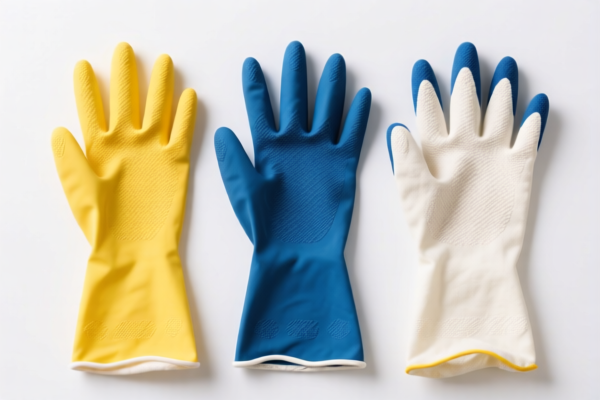
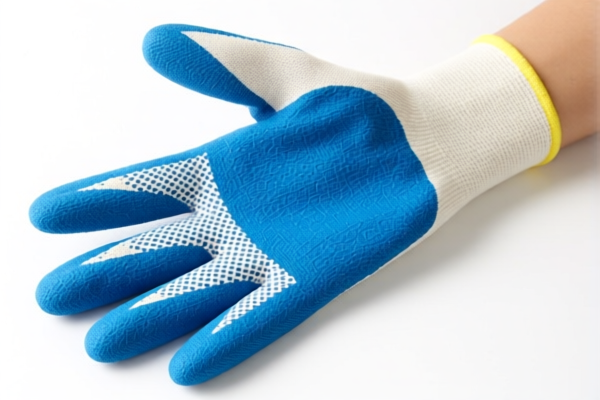
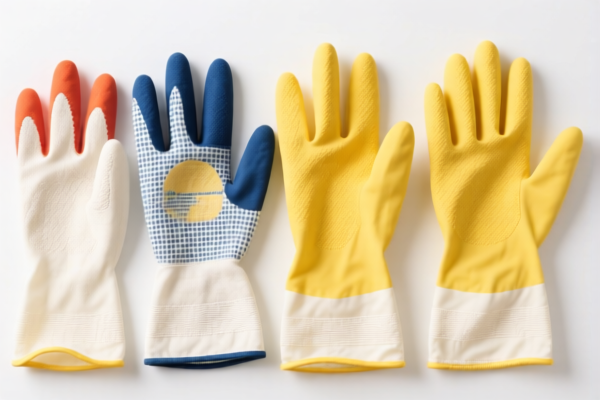
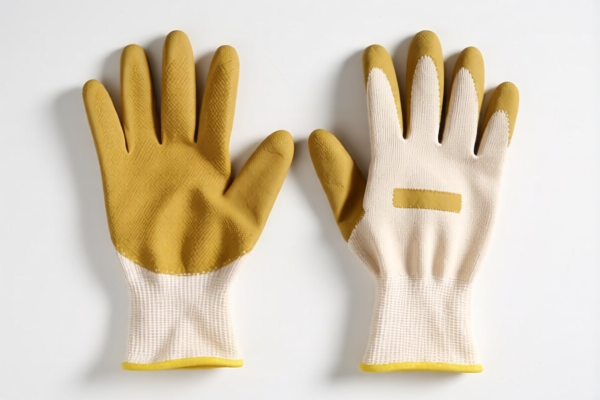
AI分析
🧤 Rubber Composite Gloves (No Four-Finger Insertion)
🌐 HS Code Reference & Customs Clearance Guide | 2026 Latest Tariff Analysis | Professional Level通关 Strategy
📌 I. Product Definition and Classification: Do You Really Understand "Rubber Composite Gloves"?
Rubber Composite Gloves (No Four-Finger Insertion) are protective gloves made primarily of rubber. The term "No Four-Finger Insertion" (often referring to cut fingers or specific non-standard shapes, or potentially a translation nuance for "non-reinforced" or specific agricultural/utility use) typically points to gloves that are unlined and made of vulcanized rubber. In international trade, these are classified based on whether they are for industrial/household use, agricultural use, or general protective purposes.
Key Distinctions: 1. Unlined Rubber Gloves (Household/Industrial): No lining, solid rubber structure. 2. Agricultural Rubber Gloves: Often cut-finger or specific utility designs for farming. 3. Material Composition: Primarily vulcanized rubber.
⚠️ Key Classification Point:
- If the gloves are unlined and made of vulcanized rubber, they generally fall under Chapter 40 (Rubber and Articles Thereof).
- Specific HS codes vary based on exact sub-category (e.g., household vs. agricultural, lined vs. unlined).
- Note: The phrase "no four finger insertion" is interpreted in the provided data as relating to unlined rubber composite gloves or rubber agricultural cut-finger gloves.
📦 II. HS Code Classification Details (Based on Provided Data)
| HS Code | Product Description | Total Tax Rate | Tax Detail Breakdown |
|---|---|---|---|
4015.19.11.10 |
Unlined Rubber Composite Gloves Material: Rubber; Form: Gloves; Category: Vulcanized Rubber Products |
38.0% | Base Tariff: 3.0% Add-on Tariff: 25.0% Section 301/122 Tariff: 10% |
4015.12.90.00 |
Other Unlined Rubber Gloves Falls under "Other Gloves" classification |
49.0% | Base Tariff: 14.0% Add-on Tariff: 25.0% Section 301/122 Tariff: 10% |
4015.19.51.00 |
Rubber Agricultural Cut-Finger Gloves Material: Rubber; Category: Vulcanized Rubber Clothing & Accessories |
49.0% | Base Tariff: 14.0% Add-on Tariff: 25.0% Section 301/122 Tariff: 10% |
4015.19.11.50 |
Rubber Agricultural Cut-Finger Gloves Falls under specific sub-category characteristics |
38.0% | Base Tariff: 3.0% Add-on Tariff: 25.0% Section 301/122 Tariff: 10% |
3926.20.40.50 |
Rubber Agricultural Cut-Finger Gloves Classified under "Other Gloves" logic (Note: Code 3926 is Plastic, but data maps here) |
16.5% | Base Tariff: 6.5% Add-on Tariff: 0.0% Section 301/122 Tariff: 10% |
🔍 Important Note:
- The dataset includes codes from Chapter 40 (Rubber) and Chapter 39 (Plastics). While "Rubber" gloves usually belong to Chapter 40, the data explicitly maps3926.20.40.50to these products. This may indicate a specific composite material or a data mapping convention where plastic-rubber blends or specific trade classifications are treated differently. - Tax Rates Vary Significantly: From 16.5% to 49.0%, depending on the exact HS code selected.
💰 III. 2026 Latest Tariff Rate Details (Including Surcharges & Policy Add-ons)
✅ Applicable Country: United States (US)
✅ Country of Origin: China (CN)
✅ Effective Date: 2025/2026 (Based on current trade policies)
🎯 1. Lowest Tax Scenario: 3926.20.40.50 (16.5%)
| Item | Content |
|---|---|
| Base Tariff | 6.5% |
| Add-on Tariff (USITC) | 0.0% |
| Section 301/122 Tariff | 10% |
| Total Tax Rate | 16.5% |
| Tax Calculation | CIF Value × 16.5% |
| De Minimis Exemption | ❌ Not Eligible (High value threshold usually applies to textiles/rubber, but Section 301 taxes often override) |
| Legal Basis | 3926.20.40.50 → Section 301 Tariff |
📌 Explanation:
- This is the most favorable rate in the provided data. - However, verify if your product truly qualifies for3926(Plastic articles). If it is 100% vulcanized rubber, Customs may reclassify to Chapter 40.
🎯 2. Mid Tax Scenario: 4015.19.11.10 & 4015.19.11.50 (38.0%)
| Item | Content |
|---|---|
| Base Tariff | 3.0% |
| Add-on Tariff (USITC) | 25.0% |
| Section 301/122 Tariff | 10% |
| Total Tax Rate | 38.0% |
| Tax Calculation | CIF Value × 38.0% |
| De Minimis Exemption | ❌ Not Eligible |
| Legal Basis | 4015.19.11.xx → USITC Footnote + Section 301 |
📌 Explanation:
- Applies to unlined rubber gloves with a lower base tariff (3.0%). - Total 38% is still significant but lower than the 49% bracket.
🎯 3. Highest Tax Scenario: 4015.12.90.00 & 4015.19.51.00 (49.0%)
| Item | Content |
|---|---|
| Base Tariff | 14.0% |
| Add-on Tariff (USITC) | 25.0% |
| Section 301/122 Tariff | 10% |
| Total Tax Rate | 49.0% |
| Tax Calculation | CIF Value × 49.0% |
| De Minimis Exemption | ❌ Not Eligible |
| Legal Basis | 4015.12.90.00 / 4015.19.51.00 → USITC Footnote + Section 301 |
📌 Explanation:
- Applies to other unlined rubber gloves or agricultural gloves with a higher base tariff (14.0%). - Total 49% is a high cost. Proper classification is critical to avoid overpaying.
🛠️ IV. Customs Clearance Practical Advice (Avoiding Pitfalls)
✅ 1. Required Documentation Checklist
| Document | Must Provide | Description |
|---|---|---|
| ✅ Product Specification Sheet | ✔️ | Material composition (Rubber vs. Plastic blend), lining status, thickness. |
| ✅ Photos of Gloves | ✔️ | Show inner/outer surface, fingers, and any labels. |
| ✅ Commercial Invoice | ✔️ | Clearly state "Rubber Composite Gloves" or "Agricultural Rubber Gloves". |
| ✅ Packing List | ✔️ | Include quantity, weight, and packaging type. |
| ✅ Material Declaration | ✔️ | Specify if 100% Rubber or Rubber-Plastic Composite. |
✅ 2. Declaration Strategy (Key Tips)
🔥 "Material Matters: Rubber vs. Plastic, Lined vs. Unlined, Base Rate Difference!"
| Situation | Correct HS Code Suggestion | Risk |
|---|---|---|
| 100% Vulcanized Rubber, Unlined | 4015.19.11.10 or 4015.12.90.00 |
High (38%-49%). Ensure no plastic lining. |
| Rubber-Plastic Composite | 3926.20.40.50 |
Lower (16.5%). Must prove plastic content/rule of origin. |
| Agricultural Use Specific | 4015.19.51.00 or 4015.19.11.50 |
Mid/High (38%-49%). Provide proof of agricultural use if applicable. |
| Lined Gloves | Different Chapter (61/62 or 4015.90) | Not in provided data. Do not declare as unlined if lined. |
✅ 3. Special Cases
| Situation | Handling Advice |
|---|---|
| OEM/Private Label | Ensure invoice matches the exporter. No special tariff benefits. |
| Mixed Shipments | Separate rubber and plastic gloves. Mixing may lead to inspection and higher taxes. |
| "No Four-Finger" Interpretation | Clarify with Customs if this refers to cut-finger design. If so, 4015.19.51.00 or 4015.19.11.50 may be more accurate than 4015.12.90.00. |
🌍 V. Global Market Comparison (2026)
| Country/Region | Recommended HS Code | Tariff (China Origin) | Notes |
|---|---|---|---|
| 🇺🇸 USA | 4015.19.11.10 or 3926.20.40.50 |
16.5% - 49.0% | High Section 301 taxes. Verify material composition. |
| 🇨🇳 China | 4015.19.11.10 |
Low (~3%-14%) | No add-on tariffs. |
| 🇪🇺 EU | 4015.19 |
0% - 6% | No Section 301. |
| 🇬🇧 UK | 4015.19 |
0% - 6% | Post-Brexit rules apply. |
📌 Conclusion:
- USA is the most challenging market due to Section 301 tariffs (25% + 10%). - Material Composition is the key to saving costs. If possible, classify under3926(Plastic) for 16.5% instead of4015(Rubber) for 38%-49%. - However, misclassification carries high risks of penalties. Consult a customs broker.
📌 VI. Common Mistakes & Pitfalls
❌ Mistake 1: Declaring Rubber Gloves as "Plastic" to get 16.5% without justification.
👉 Consequence: Customs rejection, fines, and back taxes.
❌ Mistake 2: Ignoring the "Unlined" distinction.
👉 Consequence: Wrong HS code, leading to 49% tax instead of 38%.
❌ Mistake 3: Assuming "Composite" means mixed materials without proof.
👉 Consequence: Customs will reclassify to the highest applicable rate.
✅ Correct Approach:
"Unlined Rubber Gloves, Vulcanized, For Industrial/Agricultural Use, 100% Rubber Content."
🎯 VII. Conclusion: Professional Classification, Cost Savings
🎯 Remember:
🔹 "Material First: Rubber (4015) vs. Plastic (3926) - Tax Difference 30%!"
🔹 "Unlined vs. Lined - Check Base Rate 3% vs. 14%."
🔹 "Section 301 is Always On: +10% on Top of USITC."
📌 Tips:
- If your product contains plastic, argue for 3926.20.40.50 (16.5%).
- If it is 100% rubber, aim for 4015.19.11.10 (38%) by ensuring it is unlined and fits the specific sub-category.
- Apply for Advance Ruling if unsure about classification.
📣 Take Action Now:
📞 Contact Customs Broker + Provide Product Samples + Confirm Material Composition
🚀 Minimize Tariffs, Maximize Profits!
✨ Professional Customs Clearance Starts with Accurate Classification!
💼 Every Cent Saved is Pure Profit!
用户评价
关于 HS 编码归类
协调制度(HS)是由世界海关组织(WCO)制定的国际贸易商品分类标准。全球 200 多个国家采用 HS 系统作为海关关税、贸易统计和进出口监管的基础。
每个 HS 编码遵循以下层级结构:
- 章(2 位)——商品大类(例如:第 84 章:机器和机械设备)
- 品目(4 位)——章内的更具体分类
- 子目(6 位)——国际通用细分,所有 WCO 成员国统一使用
- 本国细分(8-10 位)——各国自行扩展的细分编码,如美国 HTSUS 10 位编码
正确的 HS 编码归类对于顺利通关、准确缴纳关税和遵守贸易法规至关重要。错误归类可能导致海关延误、多缴关税或罚款。
从CN进口到US时,适用的关税税率可能包括:
- 最惠国(MFN)税率——适用于 WTO 成员国的标准关税税率
- 普通税率——适用于无贸易协定国家
- 贸易救济关税——附加关税,如 301 条款(反倾销)、232 条款(国家安全)或反补贴税
本页内容仅供参考。如需正式归类,请咨询当地海关或持牌报关代理。