rubber composite gloves no four finger insertion
CN → US| HS Code | Tariff Rate | Origin | Destination | Doc |
|---|---|---|---|---|
| 4015191110 | 38.0% | CN | US | Official Doc |
| 4015129000 | 49.0% | CN | US | Official Doc |
| 4015195100 | 49.0% | CN | US | Official Doc |
| 4015191150 | 38.0% | CN | US | Official Doc |
| 3926204050 | 16.5% | CN | US | Official Doc |
Product Images

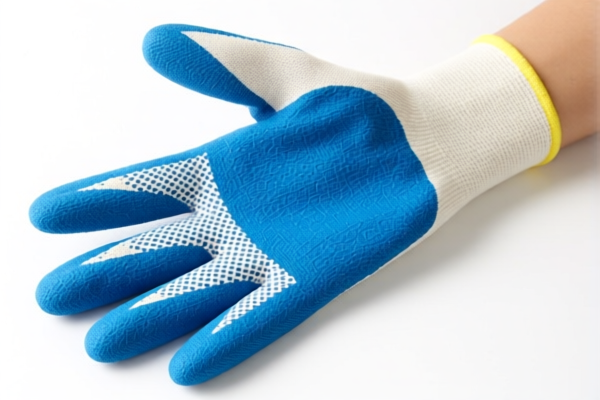
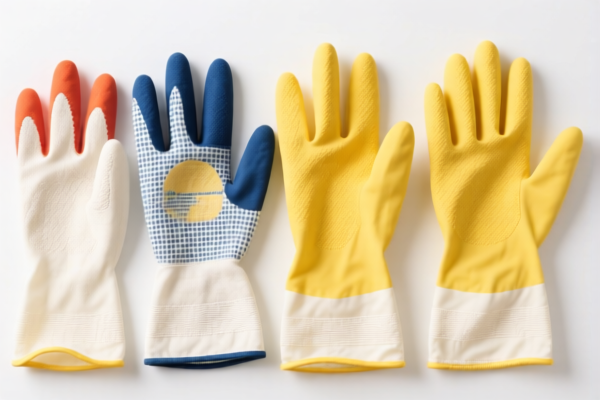
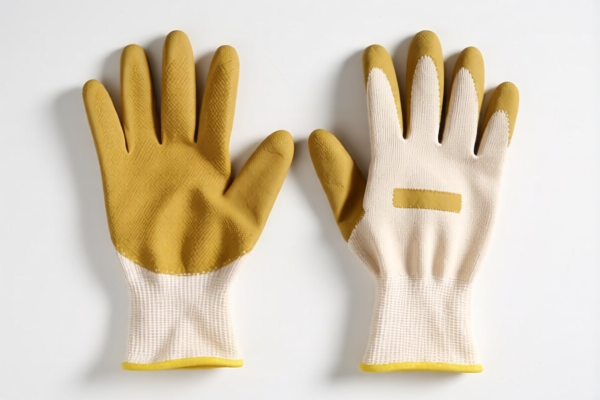
AI Analysis
🧤 Rubber Composite Gloves (No Four-Finger Insertion)
🌐 HS Code Reference & Customs Clearance Guide | 2026 Latest Tariff Analysis | Professional Level通关 Strategy
📌 I. Product Definition and Classification: Do You Really Understand "Rubber Composite Gloves"?
Rubber Composite Gloves (No Four-Finger Insertion) are protective gloves made primarily of rubber. The term "No Four-Finger Insertion" (often referring to cut fingers or specific non-standard shapes, or potentially a translation nuance for "non-reinforced" or specific agricultural/utility use) typically points to gloves that are unlined and made of vulcanized rubber. In international trade, these are classified based on whether they are for industrial/household use, agricultural use, or general protective purposes.
Key Distinctions: 1. Unlined Rubber Gloves (Household/Industrial): No lining, solid rubber structure. 2. Agricultural Rubber Gloves: Often cut-finger or specific utility designs for farming. 3. Material Composition: Primarily vulcanized rubber.
⚠️ Key Classification Point:
- If the gloves are unlined and made of vulcanized rubber, they generally fall under Chapter 40 (Rubber and Articles Thereof).
- Specific HS codes vary based on exact sub-category (e.g., household vs. agricultural, lined vs. unlined).
- Note: The phrase "no four finger insertion" is interpreted in the provided data as relating to unlined rubber composite gloves or rubber agricultural cut-finger gloves.
📦 II. HS Code Classification Details (Based on Provided Data)
| HS Code | Product Description | Total Tax Rate | Tax Detail Breakdown |
|---|---|---|---|
4015.19.11.10 |
Unlined Rubber Composite Gloves Material: Rubber; Form: Gloves; Category: Vulcanized Rubber Products |
38.0% | Base Tariff: 3.0% Add-on Tariff: 25.0% Section 301/122 Tariff: 10% |
4015.12.90.00 |
Other Unlined Rubber Gloves Falls under "Other Gloves" classification |
49.0% | Base Tariff: 14.0% Add-on Tariff: 25.0% Section 301/122 Tariff: 10% |
4015.19.51.00 |
Rubber Agricultural Cut-Finger Gloves Material: Rubber; Category: Vulcanized Rubber Clothing & Accessories |
49.0% | Base Tariff: 14.0% Add-on Tariff: 25.0% Section 301/122 Tariff: 10% |
4015.19.11.50 |
Rubber Agricultural Cut-Finger Gloves Falls under specific sub-category characteristics |
38.0% | Base Tariff: 3.0% Add-on Tariff: 25.0% Section 301/122 Tariff: 10% |
3926.20.40.50 |
Rubber Agricultural Cut-Finger Gloves Classified under "Other Gloves" logic (Note: Code 3926 is Plastic, but data maps here) |
16.5% | Base Tariff: 6.5% Add-on Tariff: 0.0% Section 301/122 Tariff: 10% |
🔍 Important Note:
- The dataset includes codes from Chapter 40 (Rubber) and Chapter 39 (Plastics). While "Rubber" gloves usually belong to Chapter 40, the data explicitly maps3926.20.40.50to these products. This may indicate a specific composite material or a data mapping convention where plastic-rubber blends or specific trade classifications are treated differently. - Tax Rates Vary Significantly: From 16.5% to 49.0%, depending on the exact HS code selected.
💰 III. 2026 Latest Tariff Rate Details (Including Surcharges & Policy Add-ons)
✅ Applicable Country: United States (US)
✅ Country of Origin: China (CN)
✅ Effective Date: 2025/2026 (Based on current trade policies)
🎯 1. Lowest Tax Scenario: 3926.20.40.50 (16.5%)
| Item | Content |
|---|---|
| Base Tariff | 6.5% |
| Add-on Tariff (USITC) | 0.0% |
| Section 301/122 Tariff | 10% |
| Total Tax Rate | 16.5% |
| Tax Calculation | CIF Value × 16.5% |
| De Minimis Exemption | ❌ Not Eligible (High value threshold usually applies to textiles/rubber, but Section 301 taxes often override) |
| Legal Basis | 3926.20.40.50 → Section 301 Tariff |
📌 Explanation:
- This is the most favorable rate in the provided data. - However, verify if your product truly qualifies for3926(Plastic articles). If it is 100% vulcanized rubber, Customs may reclassify to Chapter 40.
🎯 2. Mid Tax Scenario: 4015.19.11.10 & 4015.19.11.50 (38.0%)
| Item | Content |
|---|---|
| Base Tariff | 3.0% |
| Add-on Tariff (USITC) | 25.0% |
| Section 301/122 Tariff | 10% |
| Total Tax Rate | 38.0% |
| Tax Calculation | CIF Value × 38.0% |
| De Minimis Exemption | ❌ Not Eligible |
| Legal Basis | 4015.19.11.xx → USITC Footnote + Section 301 |
📌 Explanation:
- Applies to unlined rubber gloves with a lower base tariff (3.0%). - Total 38% is still significant but lower than the 49% bracket.
🎯 3. Highest Tax Scenario: 4015.12.90.00 & 4015.19.51.00 (49.0%)
| Item | Content |
|---|---|
| Base Tariff | 14.0% |
| Add-on Tariff (USITC) | 25.0% |
| Section 301/122 Tariff | 10% |
| Total Tax Rate | 49.0% |
| Tax Calculation | CIF Value × 49.0% |
| De Minimis Exemption | ❌ Not Eligible |
| Legal Basis | 4015.12.90.00 / 4015.19.51.00 → USITC Footnote + Section 301 |
📌 Explanation:
- Applies to other unlined rubber gloves or agricultural gloves with a higher base tariff (14.0%). - Total 49% is a high cost. Proper classification is critical to avoid overpaying.
🛠️ IV. Customs Clearance Practical Advice (Avoiding Pitfalls)
✅ 1. Required Documentation Checklist
| Document | Must Provide | Description |
|---|---|---|
| ✅ Product Specification Sheet | ✔️ | Material composition (Rubber vs. Plastic blend), lining status, thickness. |
| ✅ Photos of Gloves | ✔️ | Show inner/outer surface, fingers, and any labels. |
| ✅ Commercial Invoice | ✔️ | Clearly state "Rubber Composite Gloves" or "Agricultural Rubber Gloves". |
| ✅ Packing List | ✔️ | Include quantity, weight, and packaging type. |
| ✅ Material Declaration | ✔️ | Specify if 100% Rubber or Rubber-Plastic Composite. |
✅ 2. Declaration Strategy (Key Tips)
🔥 "Material Matters: Rubber vs. Plastic, Lined vs. Unlined, Base Rate Difference!"
| Situation | Correct HS Code Suggestion | Risk |
|---|---|---|
| 100% Vulcanized Rubber, Unlined | 4015.19.11.10 or 4015.12.90.00 |
High (38%-49%). Ensure no plastic lining. |
| Rubber-Plastic Composite | 3926.20.40.50 |
Lower (16.5%). Must prove plastic content/rule of origin. |
| Agricultural Use Specific | 4015.19.51.00 or 4015.19.11.50 |
Mid/High (38%-49%). Provide proof of agricultural use if applicable. |
| Lined Gloves | Different Chapter (61/62 or 4015.90) | Not in provided data. Do not declare as unlined if lined. |
✅ 3. Special Cases
| Situation | Handling Advice |
|---|---|
| OEM/Private Label | Ensure invoice matches the exporter. No special tariff benefits. |
| Mixed Shipments | Separate rubber and plastic gloves. Mixing may lead to inspection and higher taxes. |
| "No Four-Finger" Interpretation | Clarify with Customs if this refers to cut-finger design. If so, 4015.19.51.00 or 4015.19.11.50 may be more accurate than 4015.12.90.00. |
🌍 V. Global Market Comparison (2026)
| Country/Region | Recommended HS Code | Tariff (China Origin) | Notes |
|---|---|---|---|
| 🇺🇸 USA | 4015.19.11.10 or 3926.20.40.50 |
16.5% - 49.0% | High Section 301 taxes. Verify material composition. |
| 🇨🇳 China | 4015.19.11.10 |
Low (~3%-14%) | No add-on tariffs. |
| 🇪🇺 EU | 4015.19 |
0% - 6% | No Section 301. |
| 🇬🇧 UK | 4015.19 |
0% - 6% | Post-Brexit rules apply. |
📌 Conclusion:
- USA is the most challenging market due to Section 301 tariffs (25% + 10%). - Material Composition is the key to saving costs. If possible, classify under3926(Plastic) for 16.5% instead of4015(Rubber) for 38%-49%. - However, misclassification carries high risks of penalties. Consult a customs broker.
📌 VI. Common Mistakes & Pitfalls
❌ Mistake 1: Declaring Rubber Gloves as "Plastic" to get 16.5% without justification.
👉 Consequence: Customs rejection, fines, and back taxes.
❌ Mistake 2: Ignoring the "Unlined" distinction.
👉 Consequence: Wrong HS code, leading to 49% tax instead of 38%.
❌ Mistake 3: Assuming "Composite" means mixed materials without proof.
👉 Consequence: Customs will reclassify to the highest applicable rate.
✅ Correct Approach:
"Unlined Rubber Gloves, Vulcanized, For Industrial/Agricultural Use, 100% Rubber Content."
🎯 VII. Conclusion: Professional Classification, Cost Savings
🎯 Remember:
🔹 "Material First: Rubber (4015) vs. Plastic (3926) - Tax Difference 30%!"
🔹 "Unlined vs. Lined - Check Base Rate 3% vs. 14%."
🔹 "Section 301 is Always On: +10% on Top of USITC."
📌 Tips:
- If your product contains plastic, argue for 3926.20.40.50 (16.5%).
- If it is 100% rubber, aim for 4015.19.11.10 (38%) by ensuring it is unlined and fits the specific sub-category.
- Apply for Advance Ruling if unsure about classification.
📣 Take Action Now:
📞 Contact Customs Broker + Provide Product Samples + Confirm Material Composition
🚀 Minimize Tariffs, Maximize Profits!
✨ Professional Customs Clearance Starts with Accurate Classification!
💼 Every Cent Saved is Pure Profit!
Customer Reviews
About HS Code Classification
The Harmonized System (HS) is an internationally standardized nomenclature developed by the World Customs Organization (WCO) to classify traded products. Over 200 countries use the HS system as the basis for customs tariffs, trade statistics, and import/export regulations.
Each HS code follows a hierarchical structure:
- Chapter (2 digits) — Broad category of goods (e.g., Chapter 84: Machinery and Mechanical Appliances)
- Heading (4 digits) — More specific grouping within the chapter
- Subheading (6 digits) — Internationally standardized breakdown, used by all WCO member countries
- National subdivisions (8-10 digits) — Country-specific extensions for further classification, such as US HTSUS 10-digit codes
Correct HS code classification is essential for smooth customs clearance, accurate duty payment, and compliance with trade regulations. Misclassification can lead to customs delays, overpayment of duties, or penalties.
When importing from CN to US, the applicable tariff rates may include:
- Most-Favored-Nation (MFN) rate — The standard duty rate applied to WTO members
- General rate — Applied to countries without trade agreements
- Trade remedy duties — Additional tariffs such as Section 301 (anti-dumping), Section 232 (national security), or countervailing duties
The information provided on this page is for reference purposes only. For official classification, please consult with your local customs authority or a licensed customs broker.