rubber pad
CN → US| HS编码 | 关税税率 | 原产国 | 目的国 | 文档 |
|---|---|---|---|---|
| 4016100000 | 35.0% | CN | US | 官方文档 |
| 4008111000 | 35.0% | CN | US | 官方文档 |
| 4016910000 | 37.7% | CN | US | 官方文档 |
| 4008210000 | 35.0% | CN | US | 官方文档 |
| 4016996050 | 37.5% | CN | US | 官方文档 |
商品图片
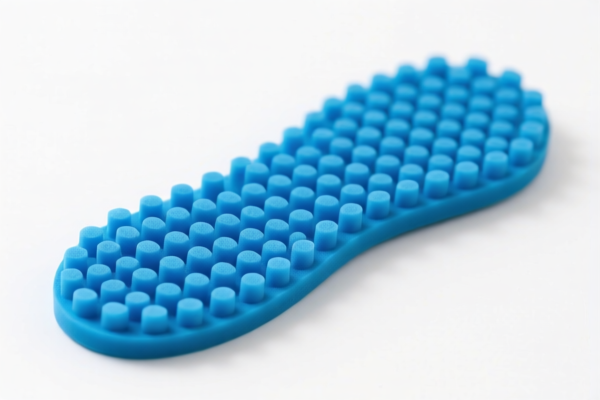
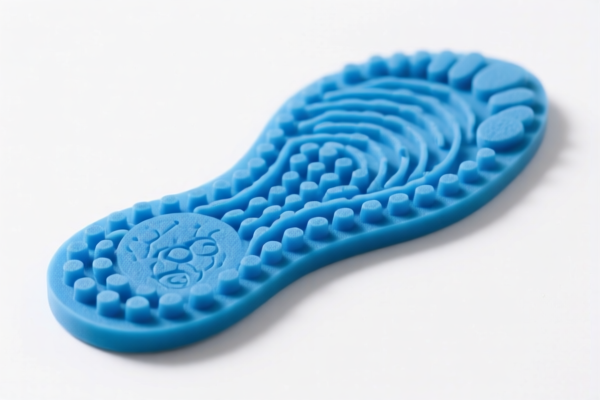
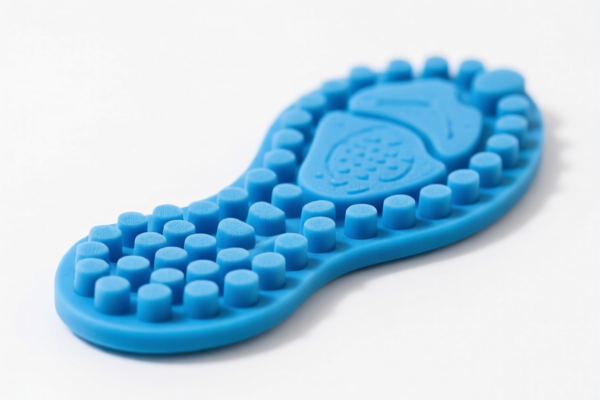
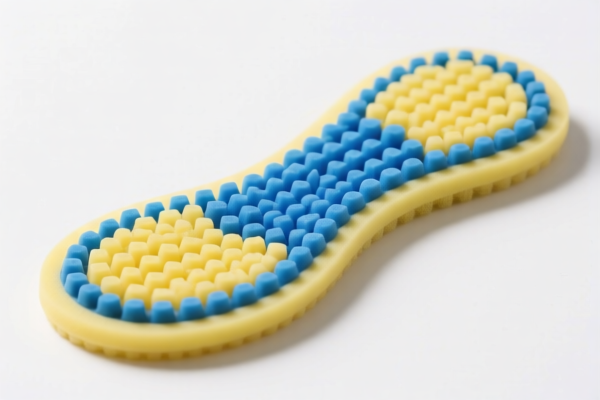
AI分析
🛡️ Rubber Pads: The Ultimate HS Code & Duty Classification Guide (2026 Edition)
🌐 HS Code Reference & Customs Clearance Strategy | 2026 Latest Tariff Analysis | Professional Clearance Tactics
📌 I. Product Definition & Classification: Do You Really Understand "Rubber Pads"?
Rubber Pads are ubiquitous anti-slip, shock-absorbing, and protective components used in industrial, commercial, and residential settings. However, in international trade, they are not a single category. Their classification depends strictly on three factors:
1. Physical Form: Foam vs. Non-foam, Plate/Sheet vs. Finished Article.
2. Material State: Vulcanized vs. Non-vulcanized.
3. Specific Use: Flooring, Protective Matting, or General Industrial Use.
⚠️ Key Distinction Point:
- If it is a finished anti-slip mat designed specifically for flooring → Likely 4016.10 or 4016.91.
- If it is a raw sheet/plate of rubber for further processing → Likely 4008.
- If it is a generic protective pad not primarily for flooring → Likely 4016.99.
📦 II. HS Code Classification Details (2026 Latest Tariff Authority Mapping)
Based on the provided data, here are the exact HS Codes for Rubber Pads, their descriptions, and tax implications.
| HS Code | Product Description | Application Scenario | Tax Rate (Total) |
|---|---|---|---|
4016.10.00.00 |
Rubber Mats, Material: Vulcanized Rubber, Form: Mats | Standard anti-slip floor mats, gym mats, industrial flooring | 35.0% |
4008.11.10.00 |
Rubber Mats or Protective Pads, Material: Rubber, Form: Plates, Sheets, Strips | Raw rubber sheets/pads for further manufacturing or bulk use | 35.0% |
4016.91.00.00 |
Rubber Mats, Material: Rubber, Use: Carpets and Mats | Generic rubber mats categorized under "carpets and mats" | 37.7% |
4008.21.00.00 |
Rubber Mats, Material: Rubber, Form: Non-foam Rubber Plates, Sheets, Strips | Non-foam industrial rubber sheets/pads | 35.0% |
4016.99.60.50 |
Rubber Protective Pads, Material: Vulcanized Rubber, Form: Pad-shaped Articles | General-purpose protective pads (not specifically for flooring) | 37.5% |
🔍 Critical Reminder:
-4016.10.00.00is often the most accurate for finished flooring mats.
-4008series applies to semi-finished goods (sheets/plates) rather than finished "mats" in the traditional sense.
-4016.99.60.50is for general protective pads (e.g., machine feet, vibration dampeners) that are not primarily "flooring."
- Do not mix forms: A "sheet" of rubber is different from a "cut mat."
💰 III. 2026 Latest Tariff Rate Breakdown (Including Surtaxes & Policy Add-ons)
✅ Applicable Country: United States (US)
✅ Origin: China (CN)
✅ Effective Date: Post-2025 policies (including Section 301 & 122)
🎯 1. 4016.10.00.00 — Rubber Mats (Vulcanized)
| Item | Content |
|---|---|
| Base Duty Rate | 0.0% |
| Section 301 Surtax | +25.0% |
| Section 122 Tariff | +10.0% |
| Total Effective Rate | 35.0% |
| Tax Calculation | CIF Value × 35% |
| De Minimis Eligibility | ❌ No (Subject to full duties) |
| Legal Basis Path | USITC:4016.10.00.00 → Footnote 9903.88.01 (Sec 301) → IEEPA:9903.01.25 (Sec 122) |
📌 Explanation:
- Base Rate 0%: Rubber mats often have low base duties under HTSUS.
- 35% Total: The combination of 25% (Trade Act) + 10% (National Emergency) makes this a high-cost item.
- Vital for Importers: Even with 0% base duty, the 35% effective rate is significant. Plan for high landed costs.
🎯 2. 4008.11.10.00 — Rubber Plates/Sheets (Protective Pads)
| Item | Content |
|---|---|
| Base Duty Rate | 0.0% |
| Section 301 Surtax | +25.0% |
| Section 122 Tariff | +10.0% |
| Total Effective Rate | 35.0% |
| Tax Calculation | CIF Value × 35% |
| De Minimis Eligibility | ❌ No |
| Legal Basis Path | USITC:4008.11.10.00 → Footnote 9903.88.01 → IEEPA:9903.01.25 |
📌 Note:
- Identical tax burden to4016.10.
- Ensure the product is clearly described as "Plates, Sheets, or Strips" if using this code. Misclassification as a "finished mat" under4016may trigger scrutiny if the form doesn’t match.
🎯 3. 4016.91.00.00 — Rubber Mats (Carpets and Mats Use)
| Item | Content |
|---|---|
| Base Duty Rate | 2.7% |
| Section 301 Surtax | +25.0% |
| Section 122 Tariff | +10.0% |
| Total Effective Rate | 37.7% |
| Tax Calculation | CIF Value × 37.7% |
| De Minimis Eligibility | ❌ No |
| Legal Basis Path | USITC:4016.91.00.00 → Footnote 9903.88.01 → IEEPA:9903.01.25 |
📌 Warning:
- This is the highest tax rate among the listed options.
- Only use if the product strictly falls under "Carpets and Mats" in the legal notes. Avoid if4016.10or4016.99is more accurate to avoid overpaying.
🎯 4. 4008.21.00.00 — Non-Foam Rubber Plates/Sheets
| Item | Content |
|---|---|
| Base Duty Rate | 0.0% |
| Section 301 Surtax | +25.0% |
| Section 122 Tariff | +10.0% |
| Total Effective Rate | 35.0% |
| Tax Calculation | CIF Value × 35% |
| De Minimis Eligibility | ❌ No |
| Legal Basis Path | USITC:4008.21.00.00 → Footnote 9903.88.01 → IEEPA:9903.01.25 |
📌 Note:
- For non-foam rubber sheets. If the pad is foamed, this code is incorrect.
- Same 35% total duty as other 0% base code items.
🎯 5. 4016.99.60.50 — Rubber Protective Pads (Vulcanized)
| Item | Content |
|---|---|
| Base Duty Rate | 2.5% |
| Section 301 Surtax | +25.0% |
| Section 122 Tariff | +10.0% |
| Total Effective Rate | 37.5% |
| Tax Calculation | CIF Value × 37.5% |
| De Minimis Eligibility | ❌ No |
| Legal Basis Path | USITC:4016.99.60.50 → Footnote 9903.88.01 → IEEPA:9903.01.25 |
📌 Explanation:
- This is a "basket" code for other rubber articles.
- Use if the pad is not for flooring (4016.10) and not a sheet (4008).
- Higher base duty (2.5%) leads to a higher total rate (37.5%) compared to4016.10.
🛠️ IV. Customs Clearance Practical Advice (Battle-Tested Pitfall Avoidance)
✅ 1. Required Documentation Checklist (Non-negotiable)
| Document | Mandatory? | Description |
|---|---|---|
| ✅ Product Specification Sheet | ✔️ | Must include: Material (Vulcanized/Non-vulcanized, Foam/Non-foam), Dimensions, Hardness (Shore A), Intended Use. |
| ✅ Product Photos | ✔️ | Clear images of the pad, showing texture, shape, and any packaging labels. |
| ✅ Commercial Invoice | ✔️ | Must accurately describe the product. Avoid vague terms like "Rubber Stuff." Use "Vulcanized Rubber Anti-Slip Mat." |
| ✅ Packing List | ✔️ | Detail weight, quantity, and packaging type. |
| ✅ Material Safety Data Sheet (MSDS) | ✔️ | If chemicals are involved in vulcanization or adhesive backing. |
| ✅ Country of Origin Certificate | ✔️ | Crucial for proving CN origin and applying correct surtaxes. |
✅ 2. Declaration Tips (Key Mantra)
🔥 "Form Dictates Code, Use Dictates Tax, Be Precise to Save Cash!"
| Scenario | Correct Declaration Strategy | Wrong Practice |
|---|---|---|
| Finished Floor Mat | Use 4016.10.00.00. Describe as "Rubber Floor Mat." |
Misdeclare as "Sheet" → Risk of penalty. |
| Raw Rubber Sheet | Use 4008.11.10.00 or 4008.21.00.00. Describe as "Rubber Plate/Sheet." |
Misdeclare as "Mat" → Mismatch with form. |
| Machine Footing Pad | Use 4016.99.60.50. Describe as "Vulcanized Rubber Protective Pad." |
Use 4016.10 → Incorrect use (not flooring). |
| Foam Rubber Pad | Check if 4008.11 (if sheet) or 4016.99 applies. |
Do not use 4008.21 (Non-foam) for foam products. |
✅ 3. Special Case Handling
| Scenario | Handling Advice |
|---|---|
| Composite Materials | If the pad has fabric backing, it may still be classified as rubber if rubber is the essential character. Provide material breakdown. |
| Custom Shapes | Even if cut into specific shapes, if it’s a "mat," 4016.10 may still apply. If it’s a "part" for a machine, 4016.99 is safer. |
| Import for Sample | If value is low, consider Section 321 (De Minimis) exemptions if eligible, but note that Surtaxes (301/122) often still apply to Chinese goods. Check current CBP rulings. |
| Re-importation | If returning goods, ensure proper documentation to avoid double taxation. |
🌍 V. Global Market Comparison (2026 Update)
| Country/Region | Recommended HS Code | Duty Rate (China Origin) | Key Requirements | Notes |
|---|---|---|---|---|
| 🇺🇸 USA | 4016.10.00.00 |
35.0% (25% Sec 301 + 10% Sec 122) | FDA/Prop 65 (if food contact), CPSIA | Highest duty burden. |
| 🇨🇳 China | 4016.10.00.00 |
~10-15% | CCC (if applicable) | Lower base duty. |
| 🇪🇺 EU | 4016.10.00 |
~4-6% | REACH, RoHS | No Section 301 equivalent. |
| 🇬🇧 UK | 4016.10 |
~4-6% | UKCA, REACH | Post-Brexit tariffs. |
| 🇨🇦 Canada | 4016.10 |
~5-10% | CSA, Prop 65 (if US-bound) | Free trade under USMCA if originating. |
📌 Conclusion:
- USA is the most expensive market for rubber pads due to Section 122 and 301 tariffs.
- Consider supply chain diversification (Vietnam, Mexico) if margins are tight, though rules of origin must be strictly met.
📌 VI. Common Mistakes & Pitfall Guide (Lessons Learned)
❌ Mistake 1: Calling all rubber pads "Mats" and using 4016.10
👉 Consequence: If the product is a raw sheet, customs may reject the declaration or reclassify, causing delays.
✅ Fix: Match the physical form (Sheet vs. Mat) to the code.
❌ Mistake 2: Ignoring the 10% Section 122 Tariff
👉 Consequence: Underestimating landed cost by 10%. Profit margins vanish.
✅ Fix: Always add 10% to your 301 tariff calculation for Chinese goods.
❌ Mistake 3: Misclassifying Foam vs. Non-Foam
👉 Consequence: 4008.21 (Non-foam) is wrong for foam pads. Risk of penalty.
✅ Fix: Clearly state "Foam" or "Non-Foam" in specs.
❌ Mistake 4: Using 4016.99.60.50 for a Floor Mat
👉 Consequence: Overpaying tax (37.5% vs. 35%).
✅ Fix: If it’s for flooring, use 4016.10.00.00.
🎯 VII. Conclusion: Precision Saves Money!
🎯 Key Takeaway:
🔹 "Form First, Use Second, Tax Third."
🔹 35% is the standard for most rubber pads from China, but 37.7% or 37.5% can sneak up if you pick the wrong subheading.
🔹 Always account for Section 122 (10%) on top of Section 301 (25%).
📌 Pro Tip:
- Apply for a US CBP Advance Ruling if you have large, consistent shipments. It locks in the HS Code and duty rate, providing certainty.
- For low-value shipments, check if De Minimis ($800) exemptions still apply despite surtaxes (policy changes frequently).
📣 Immediate Action:
📞 Contact your customs broker with detailed product photos and specifications.
🚀 Optimize your HS Code selection to avoid overpaying 2-3% in duties.
💡 Your bottom line depends on accuracy!
✨ Professional Clearance Starts with Precise Classification!
💼 Every dollar saved in duties is pure profit!
用户评价
关于 HS 编码归类
协调制度(HS)是由世界海关组织(WCO)制定的国际贸易商品分类标准。全球 200 多个国家采用 HS 系统作为海关关税、贸易统计和进出口监管的基础。
每个 HS 编码遵循以下层级结构:
- 章(2 位)——商品大类(例如:第 84 章:机器和机械设备)
- 品目(4 位)——章内的更具体分类
- 子目(6 位)——国际通用细分,所有 WCO 成员国统一使用
- 本国细分(8-10 位)——各国自行扩展的细分编码,如美国 HTSUS 10 位编码
正确的 HS 编码归类对于顺利通关、准确缴纳关税和遵守贸易法规至关重要。错误归类可能导致海关延误、多缴关税或罚款。
从CN进口到US时,适用的关税税率可能包括:
- 最惠国(MFN)税率——适用于 WTO 成员国的标准关税税率
- 普通税率——适用于无贸易协定国家
- 贸易救济关税——附加关税,如 301 条款(反倾销)、232 条款(国家安全)或反补贴税
本页内容仅供参考。如需正式归类,请咨询当地海关或持牌报关代理。