rubber reusable gloves
CN → US| HS编码 | 关税税率 | 原产国 | 目的国 | 文档 |
|---|---|---|---|---|
| 4015191150 | 38.0% | CN | US | 官方文档 |
| 4015195100 | 49.0% | CN | US | 官方文档 |
| 6116106500 | 24.5% | CN | US | 官方文档 |
| 3926204050 | 16.5% | CN | US | 官方文档 |
| 6116109500 | 24.5% | CN | US | 官方文档 |
商品图片
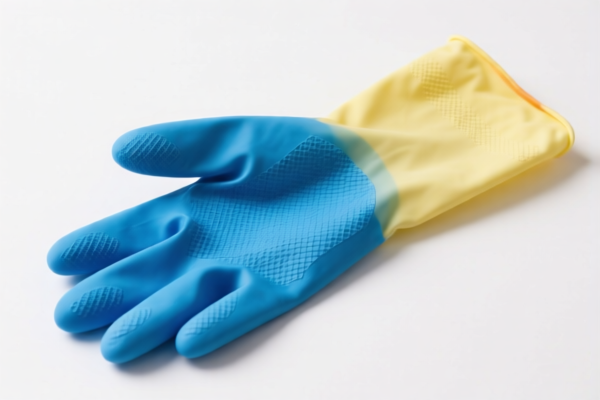



AI分析
🧤 Rubber Reusable Gloves: The Classification Minefield
🌐 HS Code Reference & Customs Clearance Guide | 2026 Tariff Analysis | Strategic Compliance Strategy
📌 I. Product Definition & Classification Logic: What Are "Rubber Reusable Gloves"?
"Rubber Reusable Gloves" is a broad commercial term that masks significant technical differences. In international trade, rubber gloves are classified differently based on their manufacturing process (vulcanized vs. dipped), material structure (knitted vs. solid), and primary use. Misclassification here leads to massive tariff penalties due to Section 301 and IEEPA tariffs.
⚠️ Critical Distinction:
- Vulcanized Rubber Gloves (Solid mold, like heavy-duty chemical gloves) → Chapter 40
- Dipped/Coated Knitted Gloves (Fabric base dipped in latex/rubber, like gardening gloves) → Chapter 61
- Plastic-Coated Gloves (Often mislabeled as rubber) → Chapter 39
📦 II. HS Code Classification Breakdown (2026 Latest Tariff Schedule)
The following table details the 5 possible HS Codes for "Rubber Reusable Gloves" based on the provided data. Each code carries a different tax burden.
| HS Code | Product Description | Classification Logic | Material/Structure |
|---|---|---|---|
| 4015.19.11.50 | Vulcanized Rubber Garments & Accessories | Fits "Vulcanized Rubber Apparel" classification. | Solid mold rubber; no textile base. |
| 4015.19.51.00 | Vulcanized Rubber Garments & Accessories | Fits "Vulcanized Rubber Apparel" classification. | Solid mold rubber; higher specific category. |
| 6116.10.65.00 | Gloves Impregnated/Covered with Rubber | Fits "Rubber-coated textile" classification. | Knitted/woven fabric dipped in rubber. |
| 6116.10.95.00 | Gloves of Rubber, Knitted/Crocheted | Fits "Rubber/Plastic knitted goods" classification. | Knitted structure with rubber properties. |
| 3926.20.40.50 | Other Articles of Plastics | High-Risk Classification: Treated as plastic制品 despite "rubber" label. | Logic aligns with plastic articles; often used for low-cost dipped gloves misidentified as pure rubber. |
🔍 Key Insight:
- Chapters 4015 vs. 6116: The core difference is whether the glove is solid rubber (4015) or textile-based with rubber coating (6116).
- Chapter 3926: Risky. If the glove is primarily plastic (e.g., PVC coated on cotton) but labeled "rubber," customs may force this classification.
- Tax Variance: The difference between the lowest (16.5%) and highest (49%) total tax rate is 32.5 percentage points.
💰 III. 2026 Latest Tariff Rate Breakdown (Including Additional Taxes)
✅ Applicable Country: United States (US)
✅ Origin: China (CN)
✅ Effective Time: 2025/2026 (Current Trade War Context)
🎯 1. 4015.19.11.50 – Vulcanized Rubber Gloves (Solid Mold)
The most expensive classification for solid rubber gloves.
| Item | Details |
|---|---|
| Base Tariff | 3.0% |
| Section 301 Add-on | 25.0% |
| IEEPA Add-on (122 Clause) | 10.0% |
| Total Tax Rate | 38.0% |
| Calculation | CIF Value × 38.0% |
| De Minimis Exemption | ❌ Denied (High tariff category) |
| Legal Basis Path | USITC:4015.19.11.50 → SECTION301:25% → IEEPA:122/10% |
📌 Explanation:
- Solid rubber gloves are considered "apparel/accessories" under Chapter 40.
- Subject to full Section 301 (25%) and IEEPA (10%).
- Total: 38%. This is a high-cost option for manufacturers using solid vulcanization.
🎯 2. 4015.19.51.00 – Vulcanized Rubber Gloves (Higher Tier)
Another solid rubber classification, but with a higher base tariff.
| Item | Details |
|---|---|
| Base Tariff | 14.0% |
| Section 301 Add-on | 25.0% |
| IEEPA Add-on (122 Clause) | 10.0% |
| Total Tax Rate | 49.0% |
| Calculation | CIF Value × 49.0% |
| De Minimis Exemption | ❌ Denied |
| Legal Basis Path | USITC:4015.19.51.00 → SECTION301:25% → IEEPA:122/10% |
📌 Warning:
- This is the most expensive classification (49%).
- The high base tariff (14%) suggests a specific sub-category of heavy-duty or industrial rubber wear.
- Avoid this code unless the product strictly fits the specific definition of 4015.19.51.00.
🎯 3. 6116.10.65.00 – Rubber-Coated Knitted Gloves
Common for gardening, light industrial, and agricultural gloves.
| Item | Details |
|---|---|
| Base Tariff | 7.0% |
| Section 301 Add-on | 7.5% |
| IEEPA Add-on (122 Clause) | 10.0% |
| Total Tax Rate | 24.5% |
| Calculation | CIF Value × 24.5% |
| De Minimis Exemption | ❌ Denied (Due to Section 301) |
| Legal Basis Path | USITC:6116.10.65.00 → SECTION301:7.5% → IEEPA:122/10% |
📌 Explanation:
- Gloves made of knitted fabric dipped in rubber are classified under Chapter 61.
- Significantly cheaper than solid rubber (24.5% vs 38%/49%).
- Requires proof of knitted fabric base.
🎯 4. 3926.20.40.50 – Plastic Articles (The "Low-Tax" Trap)
Often used for PVC or low-grade rubber gloves misclassified as plastics.
| Item | Details |
|---|---|
| Base Tariff | 6.5% |
| Section 301 Add-on | 0.0% |
| IEEPA Add-on (122 Clause) | 10.0% |
| Total Tax Rate | 16.5% |
| Calculation | CIF Value × 16.5% |
| De Minimis Exemption | ❌ Denied (IEEPA still applies) |
| Legal Basis Path | USITC:3926.20.40.50 → IEEPA:122/10% |
📌 Critical Warning:
- Lowest total tax (16.5%), but HIGH RISK.
- If the product is genuinely "rubber," classifying it as "plastic" (Chapter 39) is misdeclaration.
- Customs may audit and reassess to Chapter 40 or 61, leading to penalties.
- Only use if the material is technically PVC or synthetic plastic, not natural/synthetic rubber.
🎯 5. 6116.10.95.00 – Rubber Knitted Gloves (Other)
Catch-all for rubber gloves that don't fit the specific 65.00 sub-category.
| Item | Details |
|---|---|
| Base Tariff | 7.0% |
| Section 301 Add-on | 7.5% |
| IEEPA Add-on (122 Clause) | 10.0% |
| Total Tax Rate | 24.5% |
| Calculation | CIF Value × 24.5% |
| De Minimis Exemption | ❌ Denied |
| Legal Basis Path | USITC:6116.10.95.00 → SECTION301:7.5% → IEEPA:122/10% |
📌 Note:
- Same tax rate as6116.10.65.00(24.5%).
- Used when the specific type doesn't match the "65.00" description.
🛠️ IV. Customs Clearance Practical Advice (Avoid Pitfalls)
✅ 1. Documentation Checklist (Mandatory)
| Document | Required? | Description |
|---|---|---|
| ✅ Product Specification Sheet | ✔️ | Must state: Material (e.g., Natural Latex, Nitrile, PVC), Manufacturing Process (Dipped vs. Molded), Base Material (Knitted fabric vs. Solid). |
| ✅ Photos (Front/Back/Label) | ✔️ | Show flexibility, texture, and any labels indicating "Rubber" or "Plastic." |
| ✅ Commercial Invoice | ✔️ | Describe as "Rubber Reusable Gloves" but align with HS Code logic. |
| ✅ Certificate of Origin (CO) | ✔️ | For tariff preference claims (if applicable). |
| ✅ Test Report | ✔️ | Material analysis proving it is "Rubber" (not just plastic) or vice versa. |
✅ 2. Classification Strategy (Key Mantra)
🔥 “Knitted Base = Ch.61 (Cheaper); Solid Mold = Ch.40 (Expensive); Plastic Mislabeling = Risky!”
| Scenario | Recommended HS Code | Tax Rate | Strategy |
|---|---|---|---|
| Gardening Gloves (Fabric dipped in rubber) | 6116.10.65.00 or 6116.10.95.00 |
24.5% | ✅ Best balance. Provide fabric swatch. |
| Heavy-Duty Chemical Gloves (Solid rubber) | 4015.19.11.50 |
38.0% | ⚠️ High tax. Justify with material tests. |
| Low-Cost PVC Gloves (Misnamed "Rubber") | 3926.20.40.50 |
16.5% | ⚠️ High audit risk. Only if material is PVC. |
| Special Industrial Rubber Wear | 4015.19.51.00 |
49.0% | ❌ Avoid if possible. Too expensive. |
✅ 3. Special Cases & Handling
| Situation | Handling Advice |
|---|---|
| Nitrile vs. Latex | Both are synthetic rubbers. Nitrile dipped gloves usually fall under 6116.10 (if knitted) or 4015 (if solid). Clarify material. |
| Disposable vs. Reusable | "Reusable" implies durability. Disposable latex gloves may fall under different sub-headings (not in this dataset). Ensure "Reusable" is accurate. |
| Mixed Materials | If glove has cotton palm + rubber back, it’s likely 6116. If 100% rubber, it’s 4015. |
| OEM/Private Label | Ensure the supplier’s certificate matches the declared material. Discrepancies trigger audits. |
🌍 V. Global Market Comparison (2026)
| Market | Recommended HS Code | Total Tax (China Origin) | Notes |
|---|---|---|---|
| 🇺🇸 USA | 6116.10.65.00 |
24.5% | Best for dipped gloves. Avoid 4015 if possible. |
| 🇺🇸 USA | 3926.20.40.50 |
16.5% | Risky. Only for PVC/plastic gloves. |
| 🇪🇺 EU | 4015.11 / 6116.10 |
Varies (Often 0-4.5%) | No Section 301/IEEPA. Much cheaper than US. |
| 🇨🇳 China | 4015.11 / 6116.10 |
Varies | Domestic trade or import from non-China. |
📌 Conclusion:
- US Market is High Cost: Due to 301/IEEPA tariffs.
- Chapter 61 is Best: Knitted, rubber-coated gloves have the lowest combined tax (24.5%).
- Chapter 40 is Heavy: Solid rubber gloves are heavily taxed (38-49%).
- Chapter 39 is Tricky: Low tax (16.5%) but high compliance risk.
📌 VI. Common Mistakes & Pitfalls (Lessons Learned)
❌ Mistake 1: Classifying Solid Rubber Gloves as 6116 (Knitted)
👉 Result: Customs rejects claim, reclassifies to 4015, charges 38-49%, plus penalties.
❌ Mistake 2: Classifying Rubber Gloves as 3926 (Plastic) to save 10%
👉 Result: Audit failure. Materials don't match. Back taxes + 2x penalty.
❌ Mistake 3: Ignoring IEEPA 10% Clause
👉 Result: Underestimating cost. Total tax is not just Base + 301, but +10% IEEPA.
✅ Correct Practice:
"Rubber Reusable Gloves, Knitted Fabric Base, Latex Dipped, Gardening Use, Model XYZ" →
6116.10.65.00
"Solid Mold Nitrile Gloves, Chemical Resistant, 100% Synthetic Rubber" →4015.19.11.50
🎯 VII. Conclusion: Strategic Sourcing & Declaration
🎯 Key Takeaway:
🔹 For Gardening/Light Duty: Choose Knitted + Dipped (Chapter 61) → 24.5% Tax.
🔹 For Heavy Duty/Chemical: Expect Solid Rubber (Chapter 40) → 38-49% Tax.
🔹 Avoid Plastic Misclassification: The 16.5% rate is a trap unless the material is truly PVC.
📌 Pro Tip:
- Request Material Test Reports from suppliers to prove "Rubber" vs. "Plastic."
- If you can switch from Solid Mold to Knitted/Dipped production, you save 13.5-22.5% in tariffs.
- Always apply for an Advance Ruling from US Customs if the product is ambiguous.
✨ Professional Clearance Starts with Accurate Classification!
💼 Your Cost Savings Depend on the Right HS Code!
用户评价
关于 HS 编码归类
协调制度(HS)是由世界海关组织(WCO)制定的国际贸易商品分类标准。全球 200 多个国家采用 HS 系统作为海关关税、贸易统计和进出口监管的基础。
每个 HS 编码遵循以下层级结构:
- 章(2 位)——商品大类(例如:第 84 章:机器和机械设备)
- 品目(4 位)——章内的更具体分类
- 子目(6 位)——国际通用细分,所有 WCO 成员国统一使用
- 本国细分(8-10 位)——各国自行扩展的细分编码,如美国 HTSUS 10 位编码
正确的 HS 编码归类对于顺利通关、准确缴纳关税和遵守贸易法规至关重要。错误归类可能导致海关延误、多缴关税或罚款。
从CN进口到US时,适用的关税税率可能包括:
- 最惠国(MFN)税率——适用于 WTO 成员国的标准关税税率
- 普通税率——适用于无贸易协定国家
- 贸易救济关税——附加关税,如 301 条款(反倾销)、232 条款(国家安全)或反补贴税
本页内容仅供参考。如需正式归类,请咨询当地海关或持牌报关代理。