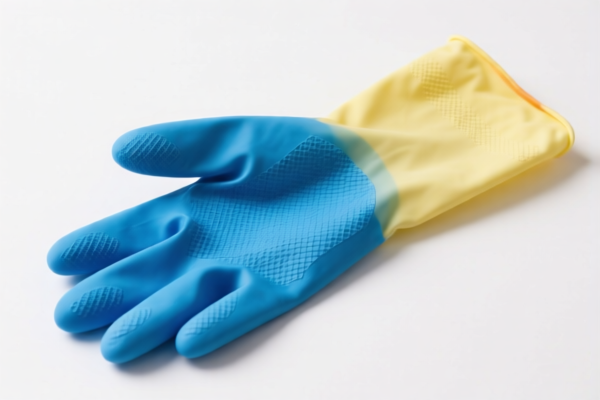
rubber reusable gloves
CN → US| HS Code | Tariff Rate | Origin | Destination | Doc |
|---|---|---|---|---|
| 4015191150 | 38.0% | CN | US | Official Doc |
| 4015195100 | 49.0% | CN | US | Official Doc |
| 6116106500 | 24.5% | CN | US | Official Doc |
| 3926204050 | 16.5% | CN | US | Official Doc |
| 6116109500 | 24.5% | CN | US | Official Doc |
Product Images



AI Analysis
🧤 Rubber Reusable Gloves: The Classification Minefield
🌐 HS Code Reference & Customs Clearance Guide | 2026 Tariff Analysis | Strategic Compliance Strategy
📌 I. Product Definition & Classification Logic: What Are "Rubber Reusable Gloves"?
"Rubber Reusable Gloves" is a broad commercial term that masks significant technical differences. In international trade, rubber gloves are classified differently based on their manufacturing process (vulcanized vs. dipped), material structure (knitted vs. solid), and primary use. Misclassification here leads to massive tariff penalties due to Section 301 and IEEPA tariffs.
⚠️ Critical Distinction:
- Vulcanized Rubber Gloves (Solid mold, like heavy-duty chemical gloves) → Chapter 40
- Dipped/Coated Knitted Gloves (Fabric base dipped in latex/rubber, like gardening gloves) → Chapter 61
- Plastic-Coated Gloves (Often mislabeled as rubber) → Chapter 39
📦 II. HS Code Classification Breakdown (2026 Latest Tariff Schedule)
The following table details the 5 possible HS Codes for "Rubber Reusable Gloves" based on the provided data. Each code carries a different tax burden.
| HS Code | Product Description | Classification Logic | Material/Structure |
|---|---|---|---|
| 4015.19.11.50 | Vulcanized Rubber Garments & Accessories | Fits "Vulcanized Rubber Apparel" classification. | Solid mold rubber; no textile base. |
| 4015.19.51.00 | Vulcanized Rubber Garments & Accessories | Fits "Vulcanized Rubber Apparel" classification. | Solid mold rubber; higher specific category. |
| 6116.10.65.00 | Gloves Impregnated/Covered with Rubber | Fits "Rubber-coated textile" classification. | Knitted/woven fabric dipped in rubber. |
| 6116.10.95.00 | Gloves of Rubber, Knitted/Crocheted | Fits "Rubber/Plastic knitted goods" classification. | Knitted structure with rubber properties. |
| 3926.20.40.50 | Other Articles of Plastics | High-Risk Classification: Treated as plastic制品 despite "rubber" label. | Logic aligns with plastic articles; often used for low-cost dipped gloves misidentified as pure rubber. |
🔍 Key Insight:
- Chapters 4015 vs. 6116: The core difference is whether the glove is solid rubber (4015) or textile-based with rubber coating (6116).
- Chapter 3926: Risky. If the glove is primarily plastic (e.g., PVC coated on cotton) but labeled "rubber," customs may force this classification.
- Tax Variance: The difference between the lowest (16.5%) and highest (49%) total tax rate is 32.5 percentage points.
💰 III. 2026 Latest Tariff Rate Breakdown (Including Additional Taxes)
✅ Applicable Country: United States (US)
✅ Origin: China (CN)
✅ Effective Time: 2025/2026 (Current Trade War Context)
🎯 1. 4015.19.11.50 – Vulcanized Rubber Gloves (Solid Mold)
The most expensive classification for solid rubber gloves.
| Item | Details |
|---|---|
| Base Tariff | 3.0% |
| Section 301 Add-on | 25.0% |
| IEEPA Add-on (122 Clause) | 10.0% |
| Total Tax Rate | 38.0% |
| Calculation | CIF Value × 38.0% |
| De Minimis Exemption | ❌ Denied (High tariff category) |
| Legal Basis Path | USITC:4015.19.11.50 → SECTION301:25% → IEEPA:122/10% |
📌 Explanation:
- Solid rubber gloves are considered "apparel/accessories" under Chapter 40.
- Subject to full Section 301 (25%) and IEEPA (10%).
- Total: 38%. This is a high-cost option for manufacturers using solid vulcanization.
🎯 2. 4015.19.51.00 – Vulcanized Rubber Gloves (Higher Tier)
Another solid rubber classification, but with a higher base tariff.
| Item | Details |
|---|---|
| Base Tariff | 14.0% |
| Section 301 Add-on | 25.0% |
| IEEPA Add-on (122 Clause) | 10.0% |
| Total Tax Rate | 49.0% |
| Calculation | CIF Value × 49.0% |
| De Minimis Exemption | ❌ Denied |
| Legal Basis Path | USITC:4015.19.51.00 → SECTION301:25% → IEEPA:122/10% |
📌 Warning:
- This is the most expensive classification (49%).
- The high base tariff (14%) suggests a specific sub-category of heavy-duty or industrial rubber wear.
- Avoid this code unless the product strictly fits the specific definition of 4015.19.51.00.
🎯 3. 6116.10.65.00 – Rubber-Coated Knitted Gloves
Common for gardening, light industrial, and agricultural gloves.
| Item | Details |
|---|---|
| Base Tariff | 7.0% |
| Section 301 Add-on | 7.5% |
| IEEPA Add-on (122 Clause) | 10.0% |
| Total Tax Rate | 24.5% |
| Calculation | CIF Value × 24.5% |
| De Minimis Exemption | ❌ Denied (Due to Section 301) |
| Legal Basis Path | USITC:6116.10.65.00 → SECTION301:7.5% → IEEPA:122/10% |
📌 Explanation:
- Gloves made of knitted fabric dipped in rubber are classified under Chapter 61.
- Significantly cheaper than solid rubber (24.5% vs 38%/49%).
- Requires proof of knitted fabric base.
🎯 4. 3926.20.40.50 – Plastic Articles (The "Low-Tax" Trap)
Often used for PVC or low-grade rubber gloves misclassified as plastics.
| Item | Details |
|---|---|
| Base Tariff | 6.5% |
| Section 301 Add-on | 0.0% |
| IEEPA Add-on (122 Clause) | 10.0% |
| Total Tax Rate | 16.5% |
| Calculation | CIF Value × 16.5% |
| De Minimis Exemption | ❌ Denied (IEEPA still applies) |
| Legal Basis Path | USITC:3926.20.40.50 → IEEPA:122/10% |
📌 Critical Warning:
- Lowest total tax (16.5%), but HIGH RISK.
- If the product is genuinely "rubber," classifying it as "plastic" (Chapter 39) is misdeclaration.
- Customs may audit and reassess to Chapter 40 or 61, leading to penalties.
- Only use if the material is technically PVC or synthetic plastic, not natural/synthetic rubber.
🎯 5. 6116.10.95.00 – Rubber Knitted Gloves (Other)
Catch-all for rubber gloves that don't fit the specific 65.00 sub-category.
| Item | Details |
|---|---|
| Base Tariff | 7.0% |
| Section 301 Add-on | 7.5% |
| IEEPA Add-on (122 Clause) | 10.0% |
| Total Tax Rate | 24.5% |
| Calculation | CIF Value × 24.5% |
| De Minimis Exemption | ❌ Denied |
| Legal Basis Path | USITC:6116.10.95.00 → SECTION301:7.5% → IEEPA:122/10% |
📌 Note:
- Same tax rate as6116.10.65.00(24.5%).
- Used when the specific type doesn't match the "65.00" description.
🛠️ IV. Customs Clearance Practical Advice (Avoid Pitfalls)
✅ 1. Documentation Checklist (Mandatory)
| Document | Required? | Description |
|---|---|---|
| ✅ Product Specification Sheet | ✔️ | Must state: Material (e.g., Natural Latex, Nitrile, PVC), Manufacturing Process (Dipped vs. Molded), Base Material (Knitted fabric vs. Solid). |
| ✅ Photos (Front/Back/Label) | ✔️ | Show flexibility, texture, and any labels indicating "Rubber" or "Plastic." |
| ✅ Commercial Invoice | ✔️ | Describe as "Rubber Reusable Gloves" but align with HS Code logic. |
| ✅ Certificate of Origin (CO) | ✔️ | For tariff preference claims (if applicable). |
| ✅ Test Report | ✔️ | Material analysis proving it is "Rubber" (not just plastic) or vice versa. |
✅ 2. Classification Strategy (Key Mantra)
🔥 “Knitted Base = Ch.61 (Cheaper); Solid Mold = Ch.40 (Expensive); Plastic Mislabeling = Risky!”
| Scenario | Recommended HS Code | Tax Rate | Strategy |
|---|---|---|---|
| Gardening Gloves (Fabric dipped in rubber) | 6116.10.65.00 or 6116.10.95.00 |
24.5% | ✅ Best balance. Provide fabric swatch. |
| Heavy-Duty Chemical Gloves (Solid rubber) | 4015.19.11.50 |
38.0% | ⚠️ High tax. Justify with material tests. |
| Low-Cost PVC Gloves (Misnamed "Rubber") | 3926.20.40.50 |
16.5% | ⚠️ High audit risk. Only if material is PVC. |
| Special Industrial Rubber Wear | 4015.19.51.00 |
49.0% | ❌ Avoid if possible. Too expensive. |
✅ 3. Special Cases & Handling
| Situation | Handling Advice |
|---|---|
| Nitrile vs. Latex | Both are synthetic rubbers. Nitrile dipped gloves usually fall under 6116.10 (if knitted) or 4015 (if solid). Clarify material. |
| Disposable vs. Reusable | "Reusable" implies durability. Disposable latex gloves may fall under different sub-headings (not in this dataset). Ensure "Reusable" is accurate. |
| Mixed Materials | If glove has cotton palm + rubber back, it’s likely 6116. If 100% rubber, it’s 4015. |
| OEM/Private Label | Ensure the supplier’s certificate matches the declared material. Discrepancies trigger audits. |
🌍 V. Global Market Comparison (2026)
| Market | Recommended HS Code | Total Tax (China Origin) | Notes |
|---|---|---|---|
| 🇺🇸 USA | 6116.10.65.00 |
24.5% | Best for dipped gloves. Avoid 4015 if possible. |
| 🇺🇸 USA | 3926.20.40.50 |
16.5% | Risky. Only for PVC/plastic gloves. |
| 🇪🇺 EU | 4015.11 / 6116.10 |
Varies (Often 0-4.5%) | No Section 301/IEEPA. Much cheaper than US. |
| 🇨🇳 China | 4015.11 / 6116.10 |
Varies | Domestic trade or import from non-China. |
📌 Conclusion:
- US Market is High Cost: Due to 301/IEEPA tariffs.
- Chapter 61 is Best: Knitted, rubber-coated gloves have the lowest combined tax (24.5%).
- Chapter 40 is Heavy: Solid rubber gloves are heavily taxed (38-49%).
- Chapter 39 is Tricky: Low tax (16.5%) but high compliance risk.
📌 VI. Common Mistakes & Pitfalls (Lessons Learned)
❌ Mistake 1: Classifying Solid Rubber Gloves as 6116 (Knitted)
👉 Result: Customs rejects claim, reclassifies to 4015, charges 38-49%, plus penalties.
❌ Mistake 2: Classifying Rubber Gloves as 3926 (Plastic) to save 10%
👉 Result: Audit failure. Materials don't match. Back taxes + 2x penalty.
❌ Mistake 3: Ignoring IEEPA 10% Clause
👉 Result: Underestimating cost. Total tax is not just Base + 301, but +10% IEEPA.
✅ Correct Practice:
"Rubber Reusable Gloves, Knitted Fabric Base, Latex Dipped, Gardening Use, Model XYZ" →
6116.10.65.00
"Solid Mold Nitrile Gloves, Chemical Resistant, 100% Synthetic Rubber" →4015.19.11.50
🎯 VII. Conclusion: Strategic Sourcing & Declaration
🎯 Key Takeaway:
🔹 For Gardening/Light Duty: Choose Knitted + Dipped (Chapter 61) → 24.5% Tax.
🔹 For Heavy Duty/Chemical: Expect Solid Rubber (Chapter 40) → 38-49% Tax.
🔹 Avoid Plastic Misclassification: The 16.5% rate is a trap unless the material is truly PVC.
📌 Pro Tip:
- Request Material Test Reports from suppliers to prove "Rubber" vs. "Plastic."
- If you can switch from Solid Mold to Knitted/Dipped production, you save 13.5-22.5% in tariffs.
- Always apply for an Advance Ruling from US Customs if the product is ambiguous.
✨ Professional Clearance Starts with Accurate Classification!
💼 Your Cost Savings Depend on the Right HS Code!
Customer Reviews
About HS Code Classification
The Harmonized System (HS) is an internationally standardized nomenclature developed by the World Customs Organization (WCO) to classify traded products. Over 200 countries use the HS system as the basis for customs tariffs, trade statistics, and import/export regulations.
Each HS code follows a hierarchical structure:
- Chapter (2 digits) — Broad category of goods (e.g., Chapter 84: Machinery and Mechanical Appliances)
- Heading (4 digits) — More specific grouping within the chapter
- Subheading (6 digits) — Internationally standardized breakdown, used by all WCO member countries
- National subdivisions (8-10 digits) — Country-specific extensions for further classification, such as US HTSUS 10-digit codes
Correct HS code classification is essential for smooth customs clearance, accurate duty payment, and compliance with trade regulations. Misclassification can lead to customs delays, overpayment of duties, or penalties.
When importing from CN to US, the applicable tariff rates may include:
- Most-Favored-Nation (MFN) rate — The standard duty rate applied to WTO members
- General rate — Applied to countries without trade agreements
- Trade remedy duties — Additional tariffs such as Section 301 (anti-dumping), Section 232 (national security), or countervailing duties
The information provided on this page is for reference purposes only. For official classification, please consult with your local customs authority or a licensed customs broker.