satin fabric dyed
CN → US| HS编码 | 关税税率 | 原产国 | 目的国 | 文档 |
|---|---|---|---|---|
| 5512110060 | 47.0% | CN | US | 官方文档 |
| 5208192020 | 42.9% | CN | US | 官方文档 |
| 5407820040 | 49.9% | CN | US | 官方文档 |
| 5208292020 | 42.7% | CN | US | 官方文档 |
| 5512210060 | 47.0% | CN | US | 官方文档 |
| 5007903040 | 35.8% | CN | US | 官方文档 |
商品图片
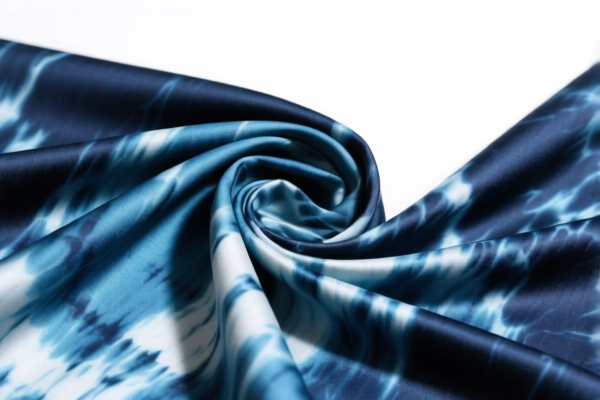
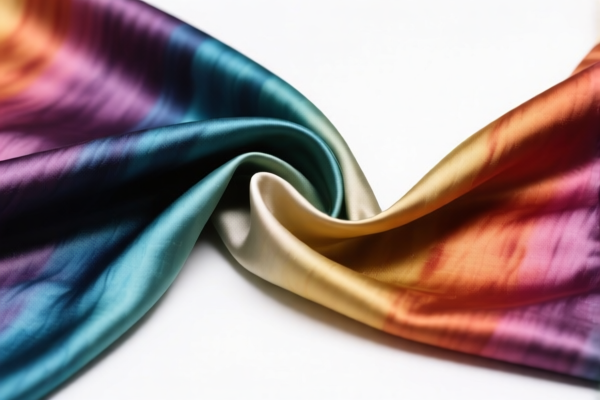
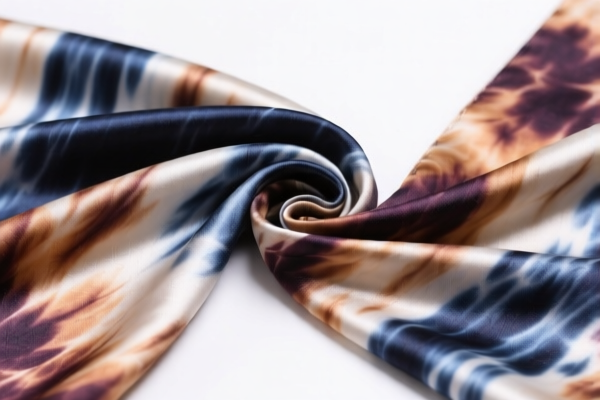
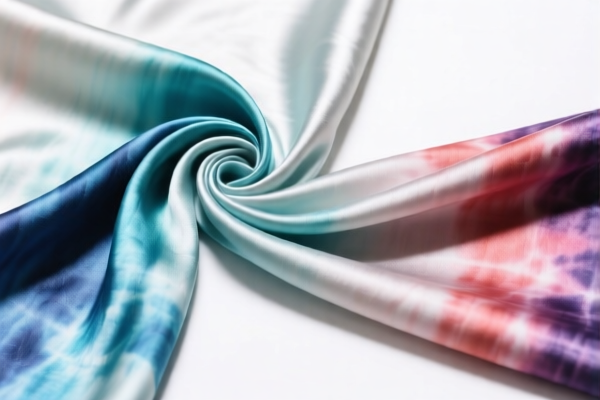
AI分析
🧵 Satin Fabric Dyed: HS Code Classification & Tariff Deep Dive (2026)
🌐 HS Code Reference & Customs Clearance Guide | Latest 2026 Tariff Analysis | Professional Clearance Strategy
📌 I. Product Definition & Classification: What is "Satin Fabric Dyed"?
Satin, in the textile world, refers not to a specific fiber, but to a weave structure (satin weave) that produces a smooth, glossy surface. When "dyed," the fabric has undergone coloration. The crucial factor for customs classification is fiber content (Silk, Cotton, or Synthetic Man-Made Fibers) and the specific weave characteristics.
⚠️ Key Distinction Point:
- Natural Silk: Falls under Chapter 50 (Silk).
- Natural Cotton: Falls under Chapter 52 (Cotton).
- Synthetic/Artificial Fibers (Polyester, Rayon, etc.): Fall under Chapter 54 or 55.The provided data covers all three major categories. Misclassifying fiber content leads to severe duty penalties.
📦 II. HS Code Classification Matrix (Based on Provided Data)
| HS Code | Product Description (Summary) | Fiber Content Implication | Total Tax Rate |
|---|---|---|---|
5512.21.00.60 |
Satin weave fabric, matching satin or twill characteristics | Synthetic Fibers (Polyester/Acrylic blend) | 47.0% |
5512.11.00.60 |
Satin weave fabric, matching satin or twill form | Synthetic Fibers (Polyester/Acrylic blend) | 47.0% |
5407.82.00.40 |
Satin weave fabric, meeting weaving method requirements | Synthetic Filament (Polyester/Other synthetic filaments) | 49.9% |
5208.29.20.20 |
Satin weave fabric, matching satin fabric features | Cotton (Woven, dyed, <85g/m² usually) | 42.7% |
5208.19.20.20 |
Satin weave fabric, matching satin fabric form | Cotton (Woven, dyed, different weight) | 42.9% |
5007.90.30.40 |
Dyed satin lining, matching silk or silk-type dyed fabric | Silk (Natural silk or silk-like) | 35.8% |
🔍 Important Note:
- HS Code5007: Reserved for Silk. This is the lowest tax bracket (35.8%).
- HS Code5208: Reserved for Cotton. Tax range: 42.7% - 42.9%.
- HS Code5512&5407: Reserved for Synthetics/Man-Made Fibers. Tax range: 47.0% - 49.9%.
- Why so many codes? Sub-codes distinguish between weight, width, and specific fiber blends within the main chapter.
💰 III. 2026 Latest Tariff Rate Breakdown (Including Surtaxes & Policy Add-ons)
✅ Applicable Country: USA (US)
✅ Origin: China (CN)
✅ Effective Date: From November 10, 2025 (for subsequent imports)
The tax structure is consistent across all items: Base Duty + Section 301 Tariff + Section 122 Tariff.
🎯 1. Silk Satin (5007.90.30.40) – Most Cost-Effective
| Item | Detail |
|---|---|
| Base Duty | 0.8% |
| Section 301 Surtax | +25.0% (USITC Footnote 9903.88.01) |
| Section 122 Tariff | +10.0% (IEEPA-based surcharge on Chinese goods) |
| Total Tax Rate | 35.8% |
| De Minimis Exemption | ❌ Not Eligible (High threshold excluded) |
| Legal Path | IEEPA:9903.01.25 → USITC:5007.90.30.40 → FOOTNOTE:9903.88.01 |
📌 Explanation:
- Although the base duty is extremely low (0.8%), the 35% surcharge still applies.
- Advantage: It remains the lowest total tax rate among all listed HS codes.
- Usage: High-end lingerie, luxury bedding, formal wear linings.
🎯 2. Cotton Satin (5208.19.20.20 & 5208.29.20.20) – Mid-Range Cost
| Item | Detail |
|---|---|
| Base Duty | 7.7% - 7.9% |
| Section 301 Surtax | +25.0% |
| Section 122 Tariff | +10.0% |
| Total Tax Rate | 42.7% - 42.9% |
| De Minimis Exemption | ❌ Not Eligible |
| Legal Path | IEEPA:9903.01.24 → USITC:5208.xx.xx.xx → FOOTNOTE:9903.88.01 |
📌 Explanation:
- Cotton fabrics have a slightly higher base duty than silk due to US agricultural protections.
- Difference:5208.29.20.20(42.7%) is slightly cheaper than5208.19.20.20(42.9%). This minor difference often depends on fabric weight (GSM) or width.
- Usage: Summer dresses, scarves, casual luxury apparel.
🎯 3. Synthetic Satin (5512.11.00.60, 5512.21.00.60, 5407.82.00.40) – Highest Cost
| Item | Detail |
|---|---|
| Base Duty | 12.0% - 14.9% |
| Section 301 Surtax | +25.0% |
| Section 122 Tariff | +10.0% |
| Total Tax Rate | 47.0% - 49.9% |
| De Minimis Exemption | ❌ Not Eligible |
| Legal Path | IEEPA:9903.01.24 → USITC:55xx/54xx → FOOTNOTE:9903.88.01 |
📌 Explanation:
- Synthetic fibers (Polyester, Acrylic) face the highest base duties (12-15%).
-5407.82.00.40is the most expensive at 49.9%, likely due to specific filament definitions or weaving complexities.
- Usage: Fast fashion, affordable evening gowns, upholstery, linings.
🛠️ IV. Customs Clearance Practical Advice (Real-World Pitfall Guide)
✅ 1. Document Checklist (Non-Negotiable)
| Document | Mandatory? | Explanation |
|---|---|---|
| ✅ Product Specification Sheet | ✔️ | Must detail: Fiber content (e.g., 100% Polyester), Weave (Satin), Weight (GSM), Width. |
| ✅ Dyeing Process Description | ✔️ | Confirm if "Dyed" means piece-dyed or yarn-dyed. Affects classification. |
| ✅ Laboratory Test Report | ✔️ | Third-party proof of fiber content (e.g., Intertek, SGS). Customs frequently tests textiles. |
| ✅ Commercial Invoice | ✔️ | Must explicitly state "Dyed Satin Fabric" and match HS Code. |
| ✅ Packing List | ✔️ | Specify rolls, weight per roll, and total length. |
| ✅ Country of Origin Certificate | ✔️ | If claiming preferential rates (not applicable here due to high surtaxes, but required for anti-dumping checks). |
✅ 2. Classification Strategy (Key Mantras)
🔥 “Fiber First, Weave Second, Weight Details!”
| Scenario | Correct HS Code | Wrong Approach | Consequence |
|---|---|---|---|
| 100% Silk Satin | 5007.90.30.40 |
Misclassify as Cotton 5208 |
Tax Error: Underpaying → Penalty + Back Taxes |
| 100% Cotton Satin | 5208.19.20.20 or 5208.29.20.20 |
Misclassify as Synthetic 5512 |
Tax Error: Overpaying → Lost Profit |
| Polyester Satin | 5512.21.00.60 or 5407.82.00.40 |
Vague description "Satin" | Customs Detention: Inquiry for fiber proof |
| Mixed Fiber (e.g., 95% Poly, 5% Spandex) | Check specific sub-heading | Assume "Synthetic" generally | Risk: If spandex is <5%, may still be Poly; if >5%, classification changes. |
📌 Critical Tip:
- Fiber Content is King: You must provide a certified lab report. Without it, Customs may assign a default high-duty code or reject the entry.
- Weave Confirmation: Ensure documentation states "Satin Weave." If it’s actually "Sateen" (cotton) or "Duchess," correct terminology helps.
✅ 3. Special Situations
| Situation | Handling Advice |
|---|---|
| OEM Custom Dyes | Provide colorfastness test reports. Darker dyes don’t change HS Code, but process must be declared. |
| Small Samples (<800g) | Still subject to full duties if not de minimis. Note: De Minimis ($800) is BLOCKED for Chinese textile goods under current IEEPA rules. |
| Blended Fabrics | Classification is based on principal fiber by weight. If 51% Cotton, it’s Chapter 52. If 51% Polyester, it’s Chapter 54/55. |
| Lining vs. Outerwear | 5007.90.30.40 specifies "Lining." If sold as outer fabric, ensure the description matches the functional use to avoid disputes. |
🌍 V. Global Market Comparison (2026)
| Market | Recommended HS Code | Est. Duty (China Origin) | Key Certification | Notes |
|---|---|---|---|---|
| 🇺🇸 USA | See Matrix Above | 35.8% - 49.9% | None specific to fabric, but label laws apply | Highest Surcharge: 301 + 122 clauses apply. |
| 🇨🇳 China | See Matrix Above | 7.9% - 14.9% | None | Base duty only. No US surcharges. |
| 🇪🇺 EU | Varies (e.g., 5007, 5208) | 7.5% - 12% | REACH (Chemicals) | No Section 301/122. Lower base duties. |
| 🇬🇧 UK | Varies | 7.5% - 12% | UKCA (if applicable) | Post-Brexit, aligned with EU but separate rules. |
| 🇨🇦 Canada | Varies | 7.5% - 12% | None | FTA benefits if Canadian or Mexican origin. |
📌 Conclusion:
- The USA is the most expensive market for Chinese textile imports due to political tariffs (301 + 122).
- Silk (5007) offers the lowest burden even in the US, making it the most tax-efficient category for high-end exports.
- Cotton and Synthetics face nearly identical high rates, so cost optimization must come from supply chain (e.g., shifting production to Vietnam/India to avoid "Made in China" surcharges).
📌 VI. Common Errors & Pitfalls (Blood-Tears Lesson)
❌ Error 1: Declaring "100% Cotton" but lab tests show 95% Polyester.
👉 Consequence: Customs reclassification to 5512 → Additional 5-7% duty + fines.
❌ Error 2: Ignoring the "Section 122 Tariff."
👉 Consequence: Underpayment. 10% surcharge is mandatory for all Chinese textile imports to the US.
❌ Error 3: Using "Satin" as a generic term without fiber detail.
👉 Consequence: Customs request for Ruling → Delay of 2-4 weeks.
✅ Correct Practice:
"Dyed Polyester Satin Fabric, 150 GSM, Width 150cm, For Dress Lining, HS Code: 5512.21.00.60"
🎯 VII. Conclusion: Professional Classification Saves Money!
🎯 Remember:
🔹 "Fiber determines the Chapter, Weave determines the Heading, Weight determines the Sub-code."
🔹 "USA Tariff = Base + 25% + 10%. Total: 36% to 50%. Plan accordingly!"
🔹 "Silk is the cheapest, Synthetics are the most expensive. Choose wisely!"
📌 Pro Tip:
If you are exporting large volumes to the US, consider supply chain diversification.
- Production in Vietnam/Mexico: Can avoid Section 301 (25%) and potentially Section 122 (10%) tariffs.
- Result: Duty drops to Base Rate Only (0.8% - 14.9%).
- Action: Apply for Advance Ruling with CBP if you have complex blended fabrics.
📣 Immediate Action:
📞 Contact a Licensed Customs Broker
📄 Provide Lab Reports for Fiber Content
🚀 Optimize HS Code to Match Exact Fiber & Weave
💡 Let Accuracy Drive Your Profit Margins!
✨ Professional Customs Clearance Starts with Precise Classification!
💼 Every Percent of Duty Saved is Pure Profit!
用户评价
关于 HS 编码归类
协调制度(HS)是由世界海关组织(WCO)制定的国际贸易商品分类标准。全球 200 多个国家采用 HS 系统作为海关关税、贸易统计和进出口监管的基础。
每个 HS 编码遵循以下层级结构:
- 章(2 位)——商品大类(例如:第 84 章:机器和机械设备)
- 品目(4 位)——章内的更具体分类
- 子目(6 位)——国际通用细分,所有 WCO 成员国统一使用
- 本国细分(8-10 位)——各国自行扩展的细分编码,如美国 HTSUS 10 位编码
正确的 HS 编码归类对于顺利通关、准确缴纳关税和遵守贸易法规至关重要。错误归类可能导致海关延误、多缴关税或罚款。
从CN进口到US时,适用的关税税率可能包括:
- 最惠国(MFN)税率——适用于 WTO 成员国的标准关税税率
- 普通税率——适用于无贸易协定国家
- 贸易救济关税——附加关税,如 301 条款(反倾销)、232 条款(国家安全)或反补贴税
本页内容仅供参考。如需正式归类,请咨询当地海关或持牌报关代理。