satin fabric dyed
CN → US| HS Code | Tariff Rate | Origin | Destination | Doc |
|---|---|---|---|---|
| 5512110060 | 47.0% | CN | US | Official Doc |
| 5208192020 | 42.9% | CN | US | Official Doc |
| 5407820040 | 49.9% | CN | US | Official Doc |
| 5208292020 | 42.7% | CN | US | Official Doc |
| 5512210060 | 47.0% | CN | US | Official Doc |
| 5007903040 | 35.8% | CN | US | Official Doc |
Product Images
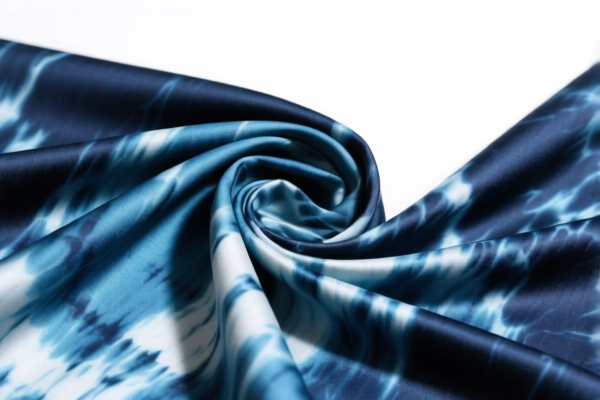
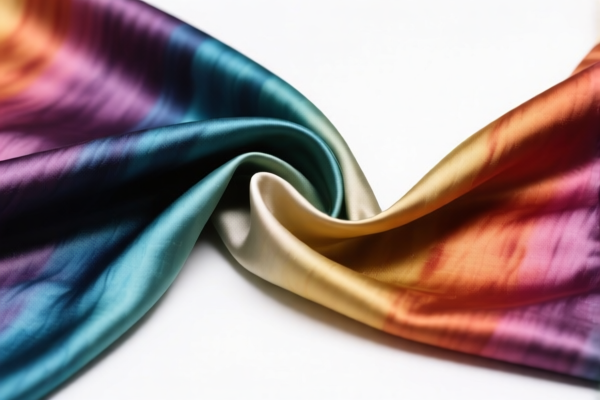
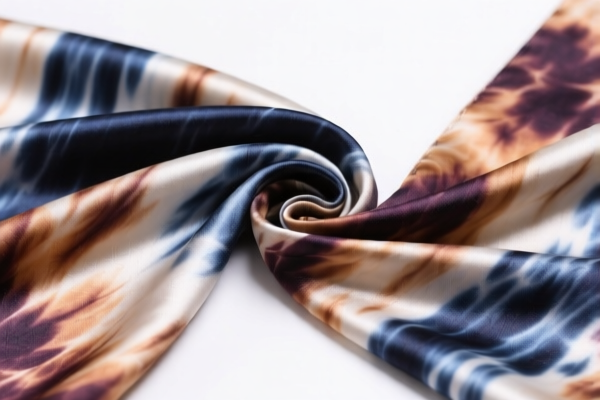
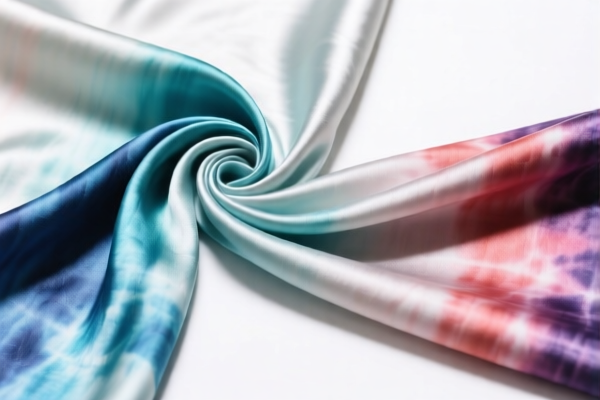
AI Analysis
🧵 Satin Fabric Dyed: HS Code Classification & Tariff Deep Dive (2026)
🌐 HS Code Reference & Customs Clearance Guide | Latest 2026 Tariff Analysis | Professional Clearance Strategy
📌 I. Product Definition & Classification: What is "Satin Fabric Dyed"?
Satin, in the textile world, refers not to a specific fiber, but to a weave structure (satin weave) that produces a smooth, glossy surface. When "dyed," the fabric has undergone coloration. The crucial factor for customs classification is fiber content (Silk, Cotton, or Synthetic Man-Made Fibers) and the specific weave characteristics.
⚠️ Key Distinction Point:
- Natural Silk: Falls under Chapter 50 (Silk).
- Natural Cotton: Falls under Chapter 52 (Cotton).
- Synthetic/Artificial Fibers (Polyester, Rayon, etc.): Fall under Chapter 54 or 55.The provided data covers all three major categories. Misclassifying fiber content leads to severe duty penalties.
📦 II. HS Code Classification Matrix (Based on Provided Data)
| HS Code | Product Description (Summary) | Fiber Content Implication | Total Tax Rate |
|---|---|---|---|
5512.21.00.60 |
Satin weave fabric, matching satin or twill characteristics | Synthetic Fibers (Polyester/Acrylic blend) | 47.0% |
5512.11.00.60 |
Satin weave fabric, matching satin or twill form | Synthetic Fibers (Polyester/Acrylic blend) | 47.0% |
5407.82.00.40 |
Satin weave fabric, meeting weaving method requirements | Synthetic Filament (Polyester/Other synthetic filaments) | 49.9% |
5208.29.20.20 |
Satin weave fabric, matching satin fabric features | Cotton (Woven, dyed, <85g/m² usually) | 42.7% |
5208.19.20.20 |
Satin weave fabric, matching satin fabric form | Cotton (Woven, dyed, different weight) | 42.9% |
5007.90.30.40 |
Dyed satin lining, matching silk or silk-type dyed fabric | Silk (Natural silk or silk-like) | 35.8% |
🔍 Important Note:
- HS Code5007: Reserved for Silk. This is the lowest tax bracket (35.8%).
- HS Code5208: Reserved for Cotton. Tax range: 42.7% - 42.9%.
- HS Code5512&5407: Reserved for Synthetics/Man-Made Fibers. Tax range: 47.0% - 49.9%.
- Why so many codes? Sub-codes distinguish between weight, width, and specific fiber blends within the main chapter.
💰 III. 2026 Latest Tariff Rate Breakdown (Including Surtaxes & Policy Add-ons)
✅ Applicable Country: USA (US)
✅ Origin: China (CN)
✅ Effective Date: From November 10, 2025 (for subsequent imports)
The tax structure is consistent across all items: Base Duty + Section 301 Tariff + Section 122 Tariff.
🎯 1. Silk Satin (5007.90.30.40) – Most Cost-Effective
| Item | Detail |
|---|---|
| Base Duty | 0.8% |
| Section 301 Surtax | +25.0% (USITC Footnote 9903.88.01) |
| Section 122 Tariff | +10.0% (IEEPA-based surcharge on Chinese goods) |
| Total Tax Rate | 35.8% |
| De Minimis Exemption | ❌ Not Eligible (High threshold excluded) |
| Legal Path | IEEPA:9903.01.25 → USITC:5007.90.30.40 → FOOTNOTE:9903.88.01 |
📌 Explanation:
- Although the base duty is extremely low (0.8%), the 35% surcharge still applies.
- Advantage: It remains the lowest total tax rate among all listed HS codes.
- Usage: High-end lingerie, luxury bedding, formal wear linings.
🎯 2. Cotton Satin (5208.19.20.20 & 5208.29.20.20) – Mid-Range Cost
| Item | Detail |
|---|---|
| Base Duty | 7.7% - 7.9% |
| Section 301 Surtax | +25.0% |
| Section 122 Tariff | +10.0% |
| Total Tax Rate | 42.7% - 42.9% |
| De Minimis Exemption | ❌ Not Eligible |
| Legal Path | IEEPA:9903.01.24 → USITC:5208.xx.xx.xx → FOOTNOTE:9903.88.01 |
📌 Explanation:
- Cotton fabrics have a slightly higher base duty than silk due to US agricultural protections.
- Difference:5208.29.20.20(42.7%) is slightly cheaper than5208.19.20.20(42.9%). This minor difference often depends on fabric weight (GSM) or width.
- Usage: Summer dresses, scarves, casual luxury apparel.
🎯 3. Synthetic Satin (5512.11.00.60, 5512.21.00.60, 5407.82.00.40) – Highest Cost
| Item | Detail |
|---|---|
| Base Duty | 12.0% - 14.9% |
| Section 301 Surtax | +25.0% |
| Section 122 Tariff | +10.0% |
| Total Tax Rate | 47.0% - 49.9% |
| De Minimis Exemption | ❌ Not Eligible |
| Legal Path | IEEPA:9903.01.24 → USITC:55xx/54xx → FOOTNOTE:9903.88.01 |
📌 Explanation:
- Synthetic fibers (Polyester, Acrylic) face the highest base duties (12-15%).
-5407.82.00.40is the most expensive at 49.9%, likely due to specific filament definitions or weaving complexities.
- Usage: Fast fashion, affordable evening gowns, upholstery, linings.
🛠️ IV. Customs Clearance Practical Advice (Real-World Pitfall Guide)
✅ 1. Document Checklist (Non-Negotiable)
| Document | Mandatory? | Explanation |
|---|---|---|
| ✅ Product Specification Sheet | ✔️ | Must detail: Fiber content (e.g., 100% Polyester), Weave (Satin), Weight (GSM), Width. |
| ✅ Dyeing Process Description | ✔️ | Confirm if "Dyed" means piece-dyed or yarn-dyed. Affects classification. |
| ✅ Laboratory Test Report | ✔️ | Third-party proof of fiber content (e.g., Intertek, SGS). Customs frequently tests textiles. |
| ✅ Commercial Invoice | ✔️ | Must explicitly state "Dyed Satin Fabric" and match HS Code. |
| ✅ Packing List | ✔️ | Specify rolls, weight per roll, and total length. |
| ✅ Country of Origin Certificate | ✔️ | If claiming preferential rates (not applicable here due to high surtaxes, but required for anti-dumping checks). |
✅ 2. Classification Strategy (Key Mantras)
🔥 “Fiber First, Weave Second, Weight Details!”
| Scenario | Correct HS Code | Wrong Approach | Consequence |
|---|---|---|---|
| 100% Silk Satin | 5007.90.30.40 |
Misclassify as Cotton 5208 |
Tax Error: Underpaying → Penalty + Back Taxes |
| 100% Cotton Satin | 5208.19.20.20 or 5208.29.20.20 |
Misclassify as Synthetic 5512 |
Tax Error: Overpaying → Lost Profit |
| Polyester Satin | 5512.21.00.60 or 5407.82.00.40 |
Vague description "Satin" | Customs Detention: Inquiry for fiber proof |
| Mixed Fiber (e.g., 95% Poly, 5% Spandex) | Check specific sub-heading | Assume "Synthetic" generally | Risk: If spandex is <5%, may still be Poly; if >5%, classification changes. |
📌 Critical Tip:
- Fiber Content is King: You must provide a certified lab report. Without it, Customs may assign a default high-duty code or reject the entry.
- Weave Confirmation: Ensure documentation states "Satin Weave." If it’s actually "Sateen" (cotton) or "Duchess," correct terminology helps.
✅ 3. Special Situations
| Situation | Handling Advice |
|---|---|
| OEM Custom Dyes | Provide colorfastness test reports. Darker dyes don’t change HS Code, but process must be declared. |
| Small Samples (<800g) | Still subject to full duties if not de minimis. Note: De Minimis ($800) is BLOCKED for Chinese textile goods under current IEEPA rules. |
| Blended Fabrics | Classification is based on principal fiber by weight. If 51% Cotton, it’s Chapter 52. If 51% Polyester, it’s Chapter 54/55. |
| Lining vs. Outerwear | 5007.90.30.40 specifies "Lining." If sold as outer fabric, ensure the description matches the functional use to avoid disputes. |
🌍 V. Global Market Comparison (2026)
| Market | Recommended HS Code | Est. Duty (China Origin) | Key Certification | Notes |
|---|---|---|---|---|
| 🇺🇸 USA | See Matrix Above | 35.8% - 49.9% | None specific to fabric, but label laws apply | Highest Surcharge: 301 + 122 clauses apply. |
| 🇨🇳 China | See Matrix Above | 7.9% - 14.9% | None | Base duty only. No US surcharges. |
| 🇪🇺 EU | Varies (e.g., 5007, 5208) | 7.5% - 12% | REACH (Chemicals) | No Section 301/122. Lower base duties. |
| 🇬🇧 UK | Varies | 7.5% - 12% | UKCA (if applicable) | Post-Brexit, aligned with EU but separate rules. |
| 🇨🇦 Canada | Varies | 7.5% - 12% | None | FTA benefits if Canadian or Mexican origin. |
📌 Conclusion:
- The USA is the most expensive market for Chinese textile imports due to political tariffs (301 + 122).
- Silk (5007) offers the lowest burden even in the US, making it the most tax-efficient category for high-end exports.
- Cotton and Synthetics face nearly identical high rates, so cost optimization must come from supply chain (e.g., shifting production to Vietnam/India to avoid "Made in China" surcharges).
📌 VI. Common Errors & Pitfalls (Blood-Tears Lesson)
❌ Error 1: Declaring "100% Cotton" but lab tests show 95% Polyester.
👉 Consequence: Customs reclassification to 5512 → Additional 5-7% duty + fines.
❌ Error 2: Ignoring the "Section 122 Tariff."
👉 Consequence: Underpayment. 10% surcharge is mandatory for all Chinese textile imports to the US.
❌ Error 3: Using "Satin" as a generic term without fiber detail.
👉 Consequence: Customs request for Ruling → Delay of 2-4 weeks.
✅ Correct Practice:
"Dyed Polyester Satin Fabric, 150 GSM, Width 150cm, For Dress Lining, HS Code: 5512.21.00.60"
🎯 VII. Conclusion: Professional Classification Saves Money!
🎯 Remember:
🔹 "Fiber determines the Chapter, Weave determines the Heading, Weight determines the Sub-code."
🔹 "USA Tariff = Base + 25% + 10%. Total: 36% to 50%. Plan accordingly!"
🔹 "Silk is the cheapest, Synthetics are the most expensive. Choose wisely!"
📌 Pro Tip:
If you are exporting large volumes to the US, consider supply chain diversification.
- Production in Vietnam/Mexico: Can avoid Section 301 (25%) and potentially Section 122 (10%) tariffs.
- Result: Duty drops to Base Rate Only (0.8% - 14.9%).
- Action: Apply for Advance Ruling with CBP if you have complex blended fabrics.
📣 Immediate Action:
📞 Contact a Licensed Customs Broker
📄 Provide Lab Reports for Fiber Content
🚀 Optimize HS Code to Match Exact Fiber & Weave
💡 Let Accuracy Drive Your Profit Margins!
✨ Professional Customs Clearance Starts with Precise Classification!
💼 Every Percent of Duty Saved is Pure Profit!
Customer Reviews
About HS Code Classification
The Harmonized System (HS) is an internationally standardized nomenclature developed by the World Customs Organization (WCO) to classify traded products. Over 200 countries use the HS system as the basis for customs tariffs, trade statistics, and import/export regulations.
Each HS code follows a hierarchical structure:
- Chapter (2 digits) — Broad category of goods (e.g., Chapter 84: Machinery and Mechanical Appliances)
- Heading (4 digits) — More specific grouping within the chapter
- Subheading (6 digits) — Internationally standardized breakdown, used by all WCO member countries
- National subdivisions (8-10 digits) — Country-specific extensions for further classification, such as US HTSUS 10-digit codes
Correct HS code classification is essential for smooth customs clearance, accurate duty payment, and compliance with trade regulations. Misclassification can lead to customs delays, overpayment of duties, or penalties.
When importing from CN to US, the applicable tariff rates may include:
- Most-Favored-Nation (MFN) rate — The standard duty rate applied to WTO members
- General rate — Applied to countries without trade agreements
- Trade remedy duties — Additional tariffs such as Section 301 (anti-dumping), Section 232 (national security), or countervailing duties
The information provided on this page is for reference purposes only. For official classification, please consult with your local customs authority or a licensed customs broker.