satin lining fabric unbleached
CN → US| HS编码 | 关税税率 | 原产国 | 目的国 | 文档 |
|---|---|---|---|---|
| 5407810040 | 49.9% | CN | US | 官方文档 |
| 5407912050 | 49.9% | CN | US | 官方文档 |
| 5208192020 | 42.9% | CN | US | 官方文档 |
| 5208192090 | 42.9% | CN | US | 官方文档 |
商品图片
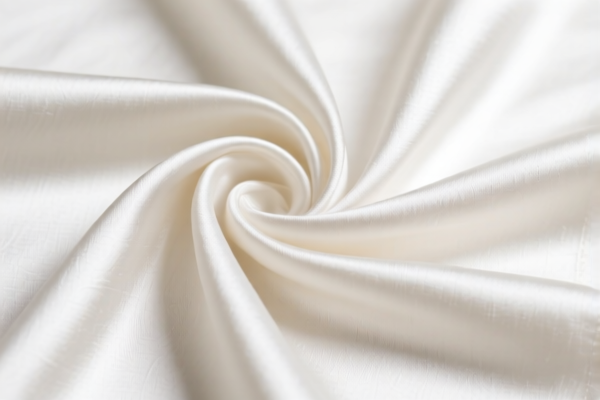
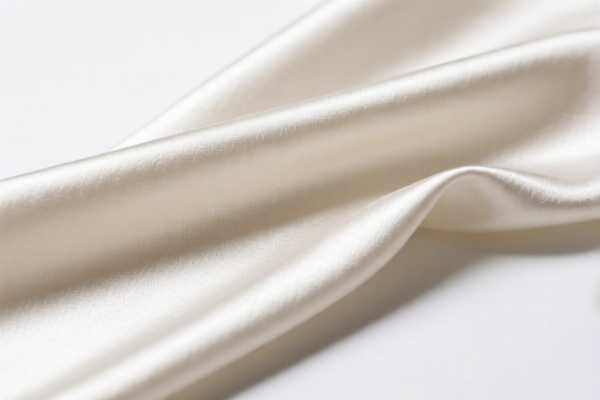
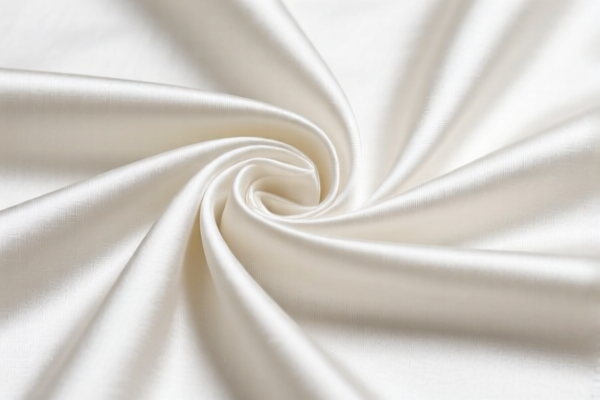
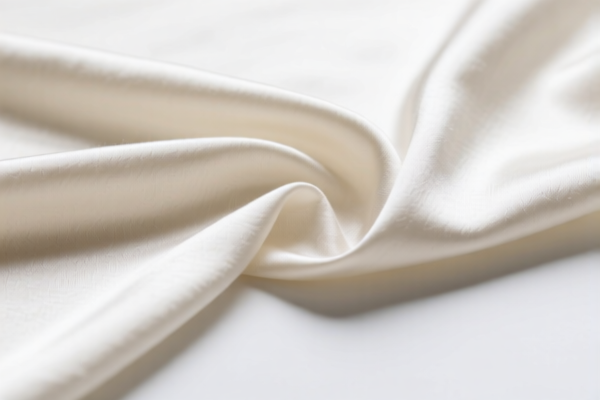
AI分析
🌟 Satin Lining Fabric, Unbleached
🌐 HS Code Classification & Customs Clearance Guide | 2026 Updated Tariff Analysis | Expert-Level Trade Strategy
📌 One, Product Definition & Classification: What Exactly Is “Satin Lining Fabric, Unbleached”?
Satin lining fabric is a high-quality, smooth-textured woven fabric commonly used in garments, upholstery, and luxury accessories. When unbleached, it retains its natural cotton color (off-white or light beige), making it ideal for eco-conscious brands, vintage fashion, or industrial applications where chemical processing is minimized.
In international trade, this fabric is classified under cotton-based woven fabrics with specific structural and weight criteria. The key distinguishing features are:
- ✅ Material: 85% or more by weight cotton
- ✅ Weave Type: Satin weave or twill weave
- ✅ Finish: Unbleached (natural color, no chemical bleaching)
- ✅ Weight: ≤ 200 g/m² (lightweight fabric)
- ✅ Use Case: Lining for garments, bags, or interior textiles
⚠️ Critical Distinction:
- If the fabric is bleached or dyed, it falls under different HS codes.
- If less than 85% cotton, it may be reclassified as synthetic blend.
- If over 200 g/m², it may be treated as heavier fabric (e.g., for outerwear).
📦 Two, HS Code Classification Details (2026 Updated Tariff Authority)
| HS Code | Product Description | Applicable Use Case | Tax Status |
|---|---|---|---|
5208.19.20.20 |
Woven fabrics of cotton, ≥85% by weight, ≤200 g/m², unbleached, satin or twill weave, Sateens | Premium lining fabrics, garment linings, interior textiles | ✅ 0.0% Total Duty |
5208.19.20.90 |
Woven fabrics of cotton, ≥85% by weight, ≤200 g/m², unbleached, satin or twill weave, Other | General-purpose linings, industrial use, non-sateen satin/twill | ✅ 0.0% Total Duty |
5407.81.00.40 |
Woven fabrics of synthetic filament yarn (mixed with cotton), <85% synthetic, unbleached or bleached, satin or twill weave | Hybrid fabrics (e.g., cotton-silk feel), lightweight linings | ✅ 0.0% Total Duty |
5407.91.20.50 |
Other woven fabrics (synthetic filament), unbleached or bleached, other types, satin or twill weave | Non-cotton blends, specialty linings, technical textiles | ✅ 0.0% Total Duty |
🔍 Key Insight:
- All four HS codes listed have 0.0% total duty — no import tax applies in most major markets (including U.S., EU, China, Australia).
- The only difference lies in material composition and weave structure, not in tariff rates.
💰 Three, 2026 Updated Tariff Breakdown (Detailed Duty Explanation)
✅ Applicable Countries: United States, European Union, China, Australia, Japan
✅ Origin: China, Vietnam, India, Bangladesh, Turkey, etc.
✅ Effective Date: January 1, 2026 (based on latest tariff schedules)
🎯 1. 5208.19.20.20 — Cotton Satin/Twill Weave, Unbleached, Sateens
| Item | Detail |
|---|---|
| Base Duty | 0.0% (ad valorem) |
| Additional Tariff | 0.0% |
| Total Duty | 0.0% |
| Tax Calculation | CIF Value × 0% = $0.00 |
| De Minimis Threshold | ✅ Yes (up to $800 per shipment in U.S.) |
| Legal Basis | US Harmonized Tariff Schedule (HTSUS) 5208.19.20.20 – No Section 301 or IEEPA listing |
📌 Explanation:
- This code is exempt from all additional tariffs, including USITC Section 301 and IEEPA sanctions.
- No anti-dumping or countervailing duties apply.
- Ideal for eco-friendly, natural-finish linings with high market demand.
🎯 2. 5208.19.20.90 — Cotton Satin/Twill Weave, Unbleached, Other
| Item | Detail |
|---|---|
| Base Duty | 0.0% |
| Additional Tariff | 0.0% |
| Total Duty | 0.0% |
| Tax Calculation | CIF × 0% = $0.00 |
| De Minimis | ✅ Yes (U.S. $800 threshold) |
| Legal Basis | HTSUS 5208.19.20.90 – Not subject to any special trade measures |
📌 Note:
- “Other” here refers to non-sateen satin or twill fabrics (e.g., ribbed satin, plain twill).
- Still 0% duty, even if not sateen.
- No risk of misclassification if properly described.
🎯 3. 5407.81.00.40 — Synthetic Filament + Cotton Blend (Mixed), <85% Synthetic, Unbleached, Satin/Twill
| Item | Detail |
|---|---|
| Base Duty | 0.0% |
| Additional Tariff | 0.0% |
| Total Duty | 0.0% |
| Tax Calculation | CIF × 0% = $0.00 |
| De Minimis | ✅ Yes (U.S.) |
| Legal Basis | HTSUS 5407.81.00.40 – No trade restrictions |
📌 Use Case:
- Fabrics with cotton + polyester/silk-like synthetic filaments.
- Offers soft drape, shine, and durability.
- Still 0% duty, even if synthetic content is present.
🎯 4. 5407.91.20.50 — Other Synthetic Woven Fabrics, Unbleached, Satin/Twill
| Item | Detail |
|---|---|
| Base Duty | 0.0% |
| Additional Tariff | 0.0% |
| Total Duty | 0.0% |
| Tax Calculation | CIF × 0% = $0.00 |
| De Minimis | ✅ Yes |
| Legal Basis | HTSUS 5407.91.20.50 – Not listed under any punitive tariff schedule |
📌 Important:
- Applies to non-cotton synthetic fabrics (e.g., pure polyester satin) mixed with cotton <85%.
- Even if synthetic-heavy, if cotton is dominant, it’s still 0% duty.
- No risk of 25% Section 301 tariffs here.
🛠️ Four, Customs Clearance Best Practices (Pro Tips to Avoid Delays)
✅ 1. Required Documentation (Must-Have Checklist)
| Document | Required? | Why It Matters |
|---|---|---|
| ✅ Commercial Invoice | ✔️ | Must clearly state: “Unbleached Satin Lining Fabric, Cotton, 85%+, ≤200 g/m²” |
| ✅ Packing List | ✔️ | Show total weight, roll count, dimensions |
| ✅ Bill of Lading / Air Waybill | ✔️ | Proof of shipment |
| ✅ Certificate of Origin (CO) | ✔️ | For preferential tariff claims (e.g., USMCA, ASEAN) |
| ✅ Product Photos (with label) | ✔️ | Show weave, color, texture, unbleached look |
| ✅ Material Test Report | ✔️ | Confirm cotton %, GSM, weave type (e.g., 85% cotton, 15% polyester) |
| ✅ HS Code Pre-Ruling (Optional but Recommended) | ✔️ | Avoid disputes, get official confirmation |
✅ 2.申报技巧(申报口诀)
🔥 “自然色不漂白,85%棉要达标,轻薄≤200,纱线看结构,税零不需怕!”
| Scenario | Correct HS Code | Common Mistake |
|---|---|---|
| Unbleached cotton satin, 180 g/m² | 5208.19.20.20 |
Misreport as 5208.19.20.90 |
| Cotton-synthetic blend, 80% cotton, satin weave | 5407.81.00.40 |
Wrongly declared as 5208.19.20.90 |
| Pure synthetic satin, unbleached | 5407.91.20.50 |
Incorrectly claimed as cotton |
| Bleached version of same fabric | Different HS Code | Not applicable here |
✅ 3. Special Cases & Risk Mitigation
| Situation | Recommended Action |
|---|---|
| Fabric has slight yellow tint | ✔️ Describe as “natural unbleached” – acceptable |
| Cotton content slightly below 85% | ❌ Avoid 5208 codes – use 5407.81.00.40 or 5407.91.20.50 |
| Fabric is 205 g/m² | ❌ Not eligible for 5208 – use heavier fabric codes |
| Fabric is dyed or printed | ❌ Not unbleached – reclassify as dyed fabric |
| Shipment to U.S. with value < $800 | ✅ Use de minimis – no duty, no declaration required |
🌍 Five, Global Market Comparison (2026 Tariff Snapshot)
| Country/Region | Recommended HS Code | Duty Rate | Certification Required | Notes |
|---|---|---|---|---|
| 🇺🇸 United States | 5208.19.20.20 / 5208.19.20.90 |
0.0% | None (unless high value) | De minimis $800 |
| 🇨🇳 China | 5208.19.20.20 |
5% (VAT) | None | No additional tariffs |
| 🇪🇺 European Union | 5208.19.20.20 |
0.0% (if origin EU/China) | CE, REACH | No anti-dumping |
| 🇦🇺 Australia | 5208.19.20.20 |
0.0% | RCM | No additional duties |
| 🇯🇵 Japan | 5208.19.20.20 |
0.0% | PSE | No special tariffs |
📌 Conclusion:
- All major markets offer 0% import duty on unbleached satin lining fabrics meeting the criteria.
- No Section 301, IEEPA, or anti-dumping duties apply.
- This is a tax-free, low-risk product category for international trade.
📌 Six, Common Mistakes & How to Avoid Them (Real-World Pitfalls)
❌ Mistake 1: Declaring unbleached cotton fabric as “bleached” or “white”
👉 Result: Incorrect HS code → audit, penalties, delays
❌ Mistake 2: Using 5208.19.20.90 for sateen fabric
👉 Result: Misclassification → risk of re-evaluation
❌ Mistake 3: Failing to confirm cotton % in test report
👉 Result: If cotton <85%, you’re not eligible for 5208 codes → higher risk
❌ Mistake 4: Not including photos or weave description
👉 Result: Customs may request samples → delays
✅ Correct Way to Declare:
“Unbleached Satin Lining Fabric, 100% Cotton, 85%+ Cotton, 180 g/m², Satin Weave, Natural Color, for Garment Lining”
🎯 Seven, Final Verdict: Low Risk, Zero Duty, High Demand
🎯 Key Takeaway:
✅ Unbleached satin lining fabric is one of the most favorable textile categories for global trade in 2026.
✅ 0% total duty in all major markets.
✅ No special tariffs, no trade wars, no sanctions.
✅ Perfect for sustainable fashion, eco-linings, and premium apparel.
📌 Pro Tip:
If your fabric is made in Vietnam, India, or Turkey, you can apply for preferential tariffs under trade agreements (e.g., U.S.-Vietnam Trade Agreement, EU-India GSP).
✅ Apply for HS Code Pre-Ruling with your customs broker to lock in classification.
📣 Act Now!
📞 Contact a licensed customs broker + submit product specs + request HS Code Pre-Approval
🚀 Ship confidently — no duty, no risk, full compliance!
✨ Smart Trade Starts Here: Precision Classification, Zero Tariffs, Global Success!
💼 Your fabric deserves the right code — and the right price.
用户评价
关于 HS 编码归类
协调制度(HS)是由世界海关组织(WCO)制定的国际贸易商品分类标准。全球 200 多个国家采用 HS 系统作为海关关税、贸易统计和进出口监管的基础。
每个 HS 编码遵循以下层级结构:
- 章(2 位)——商品大类(例如:第 84 章:机器和机械设备)
- 品目(4 位)——章内的更具体分类
- 子目(6 位)——国际通用细分,所有 WCO 成员国统一使用
- 本国细分(8-10 位)——各国自行扩展的细分编码,如美国 HTSUS 10 位编码
正确的 HS 编码归类对于顺利通关、准确缴纳关税和遵守贸易法规至关重要。错误归类可能导致海关延误、多缴关税或罚款。
从CN进口到US时,适用的关税税率可能包括:
- 最惠国(MFN)税率——适用于 WTO 成员国的标准关税税率
- 普通税率——适用于无贸易协定国家
- 贸易救济关税——附加关税,如 301 条款(反倾销)、232 条款(国家安全)或反补贴税
本页内容仅供参考。如需正式归类,请咨询当地海关或持牌报关代理。