scarves
CN → US| HS编码 | 关税税率 | 原产国 | 目的国 | 文档 |
|---|---|---|---|---|
| 6117101000 | 27.1% | CN | US | 官方文档 |
| 6117102010 | 21.3% | CN | US | 官方文档 |
| 6214200000 | 24.2% | CN | US | 官方文档 |
| 6214900090 | 28.8% | CN | US | 官方文档 |
| 5111117030 | 60.0% | CN | US | 官方文档 |
| 5111113000 | 45.0% | CN | US | 官方文档 |
| 6214900010 | 28.8% | CN | US | 官方文档 |
商品图片
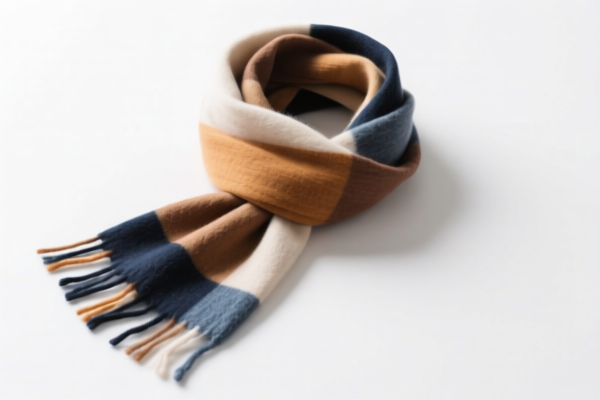
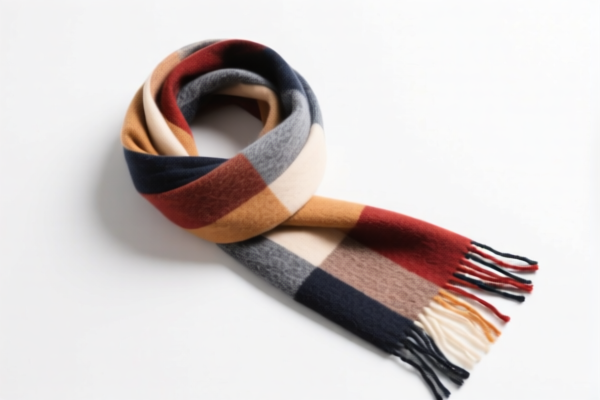
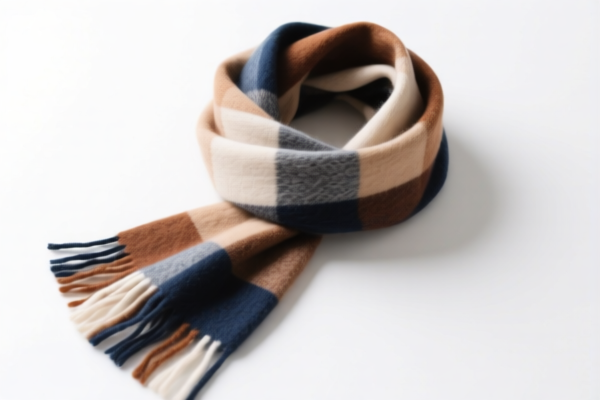
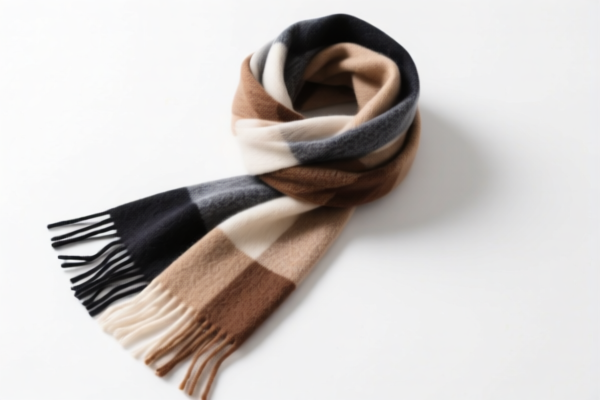
AI分析
🧣 Scarves (The Ultimate Guide to 2026 HS Codes & Tariffs)
🌐 HS Code Reference & Customs Clearance Guide | 2026 Latest Tariff Analysis | Professional Clearance Strategy
📌 I. Product Definition & Classification: Do You Really Know What a "Scarf" Is?
Scarves are versatile fashion accessories and functional garments used for warmth, style, or branding. In international trade, they are not a single HS code but are strictly divided based on Material (Knitted vs. Woven) and Specific Type (Shawls, Wraps, etc.).
⚠️ Critical Distinction:
- "Knitted" (Strikket/Intricot) vs. "Woven" (Tissue/Tissu): This is the most common classification error. Knitted goods generally fall under Chapter 61; Woven goods under Chapter 62. - "Shawl/Wrap" vs. "Scarf": Sometimes classified separately depending on dimensions and specific textile type.
📦 II. HS Code Classification Details (2026 Latest Tariff Authority Comparison)
Based on the provided dataset, here is the breakdown for Scarves entering the US Market (implied by the "Section 301/122" context).
| HS Code | Product Description | Material Type | Total Tax Rate | Key Tax Components |
|---|---|---|---|---|
6117.10.10.00 |
Shawls, Scarves, etc., of Wool | Wool (Knitted/ Crocheted) | 27.1% | Base: 9.6% + Section 301: 7.5% + Sec 122: 10% |
6117.10.20.10 |
Scarves of Wool/ Fine Animal Hair | Wool/Fine Hair (Knitted) | 21.3% | Base: 11.3% + Section 301: 0% + Sec 122: 10% |
6214.20.00.00 |
Scarves, of Wool | Wool (Woven) | 24.2% | Base: 6.7% + Section 301: 7.5% + Sec 122: 10% |
6214.90.00.90 |
Scarves, Other Textile Materials | Non-Wool (Woven) | 28.8% | Base: 11.3% + Section 301: 7.5% + Sec 122: 10% |
5111.11.70.30 |
Scarves of Wool Fabric | Wool Fabric (Woven) | 60.0% | Base: 25.0% + Section 301: 25.0% + Sec 122: 10% |
5111.11.30.00 |
Scarves of Wool Fabric | Wool Fabric (Woven) | 45.0% | Base: 10.0% + Section 301: 25.0% + Sec 122: 10% |
6214.90.00.10 |
Scarves, of Cotton | Cotton (Woven) | 28.8% | Base: 11.3% + Section 301: 7.5% + Sec 122: 10% |
🔍 Key Insight:
- Chapter 61 (Knitted): Generally has lower base tariffs for wool scarves (6117.10) compared to specific woven wool fabrics (5111.11). - Chapter 62 (Woven): Includes standard scarves (6214) and cotton scarves (6214.90.00.10). - High-Risk HS Codes:5111.11.70.30carries a 60% total tax rate. This is likely due to higher base duties for specific wool fabrics or stricter classification of "fabric" vs. "finished good."
💰 III. 2026 Latest Tariff Rate Details (Including Additional Taxes & Policy Surcharges)
✅ Applicable Country: United States (US)
✅ Country of Origin: China (CN)
✅ Effective Time: Current rates apply (Section 122/301 active)
🎯 1. Wool Knitted Scarves & Shawls (6117.10.x0.x0)
| Project | Content |
|---|---|
| Base Duty | 9.6% (6117.10.10.00) or 11.3% (6117.10.20.10) |
| Section 301 (China) | 7.5% (6117.10.10.00) OR 0% (6117.10.20.10) |
| Section 122 Tariff | 10% (All wool textile products from China) |
| Total Tax Rate | 27.1% or 21.3% |
| Calculation | CIF Value × Total Rate |
| De Minimis Exemption | ❌ Not Eligible (Textiles are generally excluded from Section 321 de minimis) |
| Legal Basis | HTSUS:6117.10 → USITC:Section 301 → USTR:Section 122 |
📌 Explanation:
- Section 122: Specifically targets wool and other textile imports from China, adding a flat 10% tariff on top of existing duties. - Section 301 Variance: Note that6117.10.20.10has 0% Section 301 duty, making it significantly cheaper than6117.10.10.00(which has 7.5%). Pro Tip: If your product can be classified under.20.10(Fine Animal Hair/Wool Scarves), you save 7.5%!
🎯 2. Woven Wool Scarves (6214.20.00.00)
| Project | Content |
|---|---|
| Base Duty | 6.7% |
| Section 301 (China) | 7.5% |
| Section 122 Tariff | 10% |
| Total Tax Rate | 24.2% |
| De Minimis Exemption | ❌ Not Eligible |
📌 Note: Woven wool scarves have a lower base rate (6.7%) than knitted ones (9.6-11.3%), but the total is still high due to the 10% Section 122 and 7.5% Section 301.
🎯 3. Cotton & Other Textile Scarves (6214.90.00.10 & .90)
| Project | Content |
|---|---|
| Base Duty | 11.3% |
| Section 301 (China) | 7.5% |
| Section 122 Tariff | 10% |
| Total Tax Rate | 28.8% |
| De Minimis Exemption | ❌ Not Eligible |
📌 Note: Cotton scarves (
6214.90.00.10) face the same total tax as "Other Textile Materials" (6214.90.00.90). There is no preferential treatment for cotton in this specific breakdown.
🎯 4. High-Tax Wool Fabric Scarves (5111.11.70.30 & 30.00)
| Project | Content |
|---|---|
| Base Duty | 25.0% (70.30) or 10.0% (30.00) |
| Section 301 (China) | 25.0% |
| Section 122 Tariff | 10% |
| Total Tax Rate | 60.0% or 45.0% |
| De Minimis Exemption | ❌ Not Eligible |
⚠️ Warning: These HS codes (
5111.11) refer to Woven Wool Fabrics, not necessarily finished scarves. If customs authorities classify your product as "fabric" rather than "article of clothing/accessory," you will face extremely high tariffs.
- Strategy: Ensure your product description clearly states "Finished Scarf" with dimensions and usage to avoid being misclassified as raw fabric.
🛠️ IV. Customs Clearance Practical Advice (Avoid Pitfalls)
✅ 1. Required Documentation Checklist
| Document | Mandatory? | Description |
|---|---|---|
| ✅ Commercial Invoice | ✔️ | Must specify "Knitted" vs. "Woven" and Material (Wool, Cotton, etc.) |
| ✅ Packing List | ✔️ | Item count, weight, dimensions |
| ✅ Product Description | ✔️ | Detailed: "Wool Scarf, Knitted, 100% Merino Wool, Size 200x70cm" |
| ✅ Material Composition | ✔️ | Essential for determining HS Code (Wool vs. Synthetic vs. Cotton) |
| ✅ Proof of Origin | ✔️ | To confirm China origin (triggers Section 301 & 122) |
| ✅ Photos | ✔️ | Show texture (knitted vs. woven) to support classification |
✅ 2. Classification Strategy (Key Tactics)
| Situation | Correct HS Code Approach | Common Error |
|---|---|---|
| Knitted Wool Scarf | Try to classify under 6117.10.20.10 (21.3%) if it contains fine animal hair. |
Using 6117.10.10.00 (27.1%) unnecessarily. |
| Woven Cotton Scarf | Use 6214.90.00.10 (28.8%). |
Misclassifying as "Wool" due to color/appearance. |
| Large Wrap/Shawl | Check if it fits 6117.10.10.00 (27.1%) or 6214 series. |
Classifying as "Garment" instead of accessory. |
| Product is "Fabric" not "Scarf" | Use 5111.11 codes (High Tax!). |
Assuming all wool items are "Scarves". Avoid this! |
🔥 Golden Rule:
"Knitted = Ch61, Woven = Ch62. Wool = Sec122. Fine Hair = Lower Base Duty."
✅ 3. Special Case Handling
| Case | Recommendation |
|---|---|
| Mixed Material (e.g., Wool/Cotton Blend) | Classify based on Material that Gives Essential Character. Usually, if wool > cotton, use Wool HS codes. |
| Embroidered/Printed Scarves | Still fall under 6117 or 6214. Do not classify as "Embroidery Art" (5810) unless it's purely decorative fabric. |
| Gift Sets (Scarf + Hat) | If sold together, classify by the item that gives the set its essential character. Usually the scarf. |
| Dropshipping/De Minimis | ⛔ DO NOT USE Section 321. Textiles from China are explicitly excluded from de minimis relief for this tariff analysis. Full duties apply. |
🌍 V. Global Market Comparison (2026 Context)
| Country/Region | Recommended HS Code | Total Tax (China Origin) | Notes |
|---|---|---|---|
| 🇺🇸 USA | 6117.10.20.10 |
21.3% | Best rate for wool knitted scarves. |
| 🇨🇳 China | 6117.10 / 6214 |
8-12% | Lower base duties. No Section 301/122. |
| 🇪🇺 EU | 6117.10 / 6214 |
0-12% | Varies by FTA. No Section 301/122. |
| 🇬🇧 UK | 6117.10 / 6214 |
0-12% | Post-Brexit rules apply. |
📌 Conclusion:
The US market is the most expensive for Chinese textile scarves due to Section 122 (10%) and Section 301 (0-25%).
- Savings Opportunity: If possible, classify under6117.10.20.10(21.3%) instead of6117.10.10.00(27.1%).
- Risk Avoidance: Avoid5111.11codes unless you are exporting raw fabric. Finished scarves must be in Ch61/62.
📌 VI. Common Mistakes & Pitfalls (Lessons Learned)
❌ Mistake 1: Classifying all wool items as 5111.11 (Fabric)
👉 Consequence: 60% Tax!
👉 Fix: Ensure product is a "Finished Article" (cut and sewn) to qualify for Ch61/62.
❌ Mistake 2: Ignoring Section 122
👉 Consequence: Unexpected 10% tariff on top of base duty.
👉 Fix: Always add 10% to your cost calculation for wool textiles from China to the US.
❌ Mistake 3: Confusing Knitted vs. Woven
👉 Consequence: Wrong HS Code → Customs Delay → Demurrage Fees.
👉 Fix: Provide clear photos. Knitted = loops/elastic; Woven = grid/flat.
✅ Correct Description Example:
"Women's Wool Scarf, Knitted, 100% Merino Wool, Length 200cm, Width 70cm, Model XYZ"
🎯 VII. Conclusion: Professional Classification Saves Money!
🎯 Key Takeaways:
🔹 Wool Knitted Scarves: Aim for
6117.10.20.10(21.3%) if applicable.
🔹 Wool Woven Scarves:6214.20.00.00(24.2%).
🔹 Cotton Scarves:6214.90.00.10(28.8%).
🔹 Avoid5111.11: Unless exporting fabric, these codes attract 45-60% tax.
🔹 Section 122 is Non-Negotiable: Add 10% for all wool/textile imports from China to the US.
📌 Pro Tip:
If your scarf contains less than 70% wool or is mixed with synthetic fibers, the classification may shift, potentially lowering the Section 122 impact. Consult a customs broker for blended materials.
📣 Action Item:
📞 Verify Material Composition
📄 Prepare Detailed Product Descriptions
🚀 Calculate Landed Cost with 21-29% Tariff Range
✨ Accurate Classification is the First Step to Profitability!
💼 Don't let HS Code errors eat your margins!
用户评价
关于 HS 编码归类
协调制度(HS)是由世界海关组织(WCO)制定的国际贸易商品分类标准。全球 200 多个国家采用 HS 系统作为海关关税、贸易统计和进出口监管的基础。
每个 HS 编码遵循以下层级结构:
- 章(2 位)——商品大类(例如:第 84 章:机器和机械设备)
- 品目(4 位)——章内的更具体分类
- 子目(6 位)——国际通用细分,所有 WCO 成员国统一使用
- 本国细分(8-10 位)——各国自行扩展的细分编码,如美国 HTSUS 10 位编码
正确的 HS 编码归类对于顺利通关、准确缴纳关税和遵守贸易法规至关重要。错误归类可能导致海关延误、多缴关税或罚款。
从CN进口到US时,适用的关税税率可能包括:
- 最惠国(MFN)税率——适用于 WTO 成员国的标准关税税率
- 普通税率——适用于无贸易协定国家
- 贸易救济关税——附加关税,如 301 条款(反倾销)、232 条款(国家安全)或反补贴税
本页内容仅供参考。如需正式归类,请咨询当地海关或持牌报关代理。