scarves
CN → US| HS Code | Tariff Rate | Origin | Destination | Doc |
|---|---|---|---|---|
| 6117101000 | 27.1% | CN | US | Official Doc |
| 6117102010 | 21.3% | CN | US | Official Doc |
| 6214200000 | 24.2% | CN | US | Official Doc |
| 6214900090 | 28.8% | CN | US | Official Doc |
| 5111117030 | 60.0% | CN | US | Official Doc |
| 5111113000 | 45.0% | CN | US | Official Doc |
| 6214900010 | 28.8% | CN | US | Official Doc |
Product Images
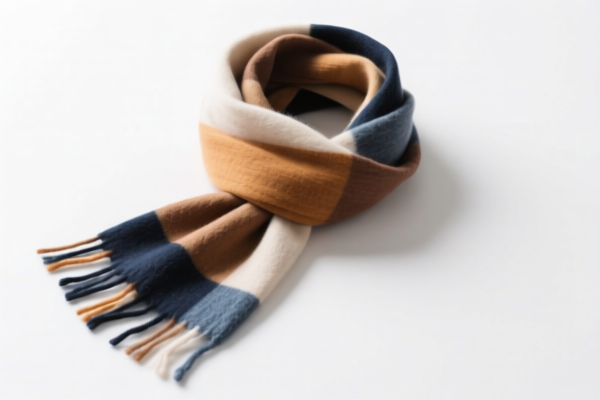
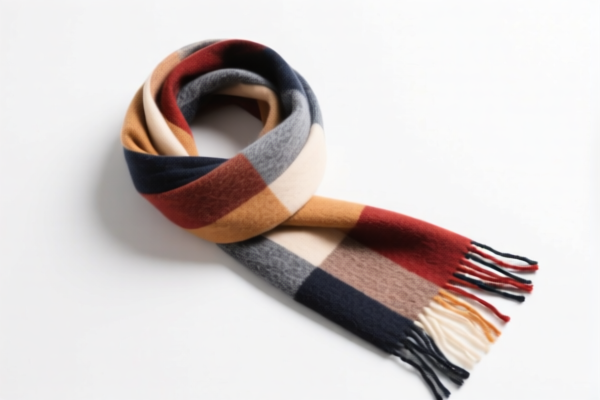
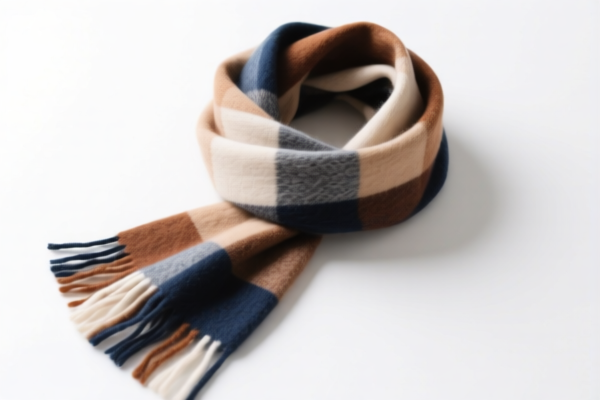
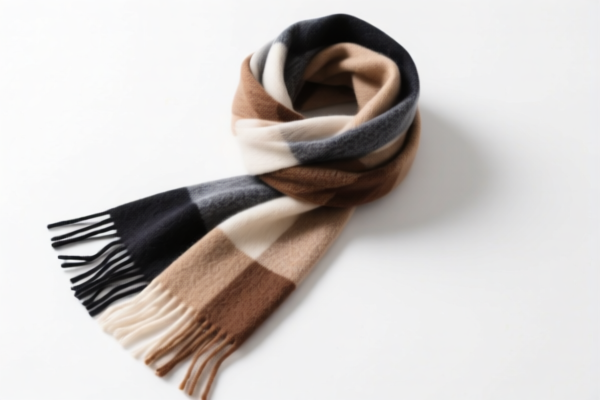
AI Analysis
🧣 Scarves (The Ultimate Guide to 2026 HS Codes & Tariffs)
🌐 HS Code Reference & Customs Clearance Guide | 2026 Latest Tariff Analysis | Professional Clearance Strategy
📌 I. Product Definition & Classification: Do You Really Know What a "Scarf" Is?
Scarves are versatile fashion accessories and functional garments used for warmth, style, or branding. In international trade, they are not a single HS code but are strictly divided based on Material (Knitted vs. Woven) and Specific Type (Shawls, Wraps, etc.).
⚠️ Critical Distinction:
- "Knitted" (Strikket/Intricot) vs. "Woven" (Tissue/Tissu): This is the most common classification error. Knitted goods generally fall under Chapter 61; Woven goods under Chapter 62. - "Shawl/Wrap" vs. "Scarf": Sometimes classified separately depending on dimensions and specific textile type.
📦 II. HS Code Classification Details (2026 Latest Tariff Authority Comparison)
Based on the provided dataset, here is the breakdown for Scarves entering the US Market (implied by the "Section 301/122" context).
| HS Code | Product Description | Material Type | Total Tax Rate | Key Tax Components |
|---|---|---|---|---|
6117.10.10.00 |
Shawls, Scarves, etc., of Wool | Wool (Knitted/ Crocheted) | 27.1% | Base: 9.6% + Section 301: 7.5% + Sec 122: 10% |
6117.10.20.10 |
Scarves of Wool/ Fine Animal Hair | Wool/Fine Hair (Knitted) | 21.3% | Base: 11.3% + Section 301: 0% + Sec 122: 10% |
6214.20.00.00 |
Scarves, of Wool | Wool (Woven) | 24.2% | Base: 6.7% + Section 301: 7.5% + Sec 122: 10% |
6214.90.00.90 |
Scarves, Other Textile Materials | Non-Wool (Woven) | 28.8% | Base: 11.3% + Section 301: 7.5% + Sec 122: 10% |
5111.11.70.30 |
Scarves of Wool Fabric | Wool Fabric (Woven) | 60.0% | Base: 25.0% + Section 301: 25.0% + Sec 122: 10% |
5111.11.30.00 |
Scarves of Wool Fabric | Wool Fabric (Woven) | 45.0% | Base: 10.0% + Section 301: 25.0% + Sec 122: 10% |
6214.90.00.10 |
Scarves, of Cotton | Cotton (Woven) | 28.8% | Base: 11.3% + Section 301: 7.5% + Sec 122: 10% |
🔍 Key Insight:
- Chapter 61 (Knitted): Generally has lower base tariffs for wool scarves (6117.10) compared to specific woven wool fabrics (5111.11). - Chapter 62 (Woven): Includes standard scarves (6214) and cotton scarves (6214.90.00.10). - High-Risk HS Codes:5111.11.70.30carries a 60% total tax rate. This is likely due to higher base duties for specific wool fabrics or stricter classification of "fabric" vs. "finished good."
💰 III. 2026 Latest Tariff Rate Details (Including Additional Taxes & Policy Surcharges)
✅ Applicable Country: United States (US)
✅ Country of Origin: China (CN)
✅ Effective Time: Current rates apply (Section 122/301 active)
🎯 1. Wool Knitted Scarves & Shawls (6117.10.x0.x0)
| Project | Content |
|---|---|
| Base Duty | 9.6% (6117.10.10.00) or 11.3% (6117.10.20.10) |
| Section 301 (China) | 7.5% (6117.10.10.00) OR 0% (6117.10.20.10) |
| Section 122 Tariff | 10% (All wool textile products from China) |
| Total Tax Rate | 27.1% or 21.3% |
| Calculation | CIF Value × Total Rate |
| De Minimis Exemption | ❌ Not Eligible (Textiles are generally excluded from Section 321 de minimis) |
| Legal Basis | HTSUS:6117.10 → USITC:Section 301 → USTR:Section 122 |
📌 Explanation:
- Section 122: Specifically targets wool and other textile imports from China, adding a flat 10% tariff on top of existing duties. - Section 301 Variance: Note that6117.10.20.10has 0% Section 301 duty, making it significantly cheaper than6117.10.10.00(which has 7.5%). Pro Tip: If your product can be classified under.20.10(Fine Animal Hair/Wool Scarves), you save 7.5%!
🎯 2. Woven Wool Scarves (6214.20.00.00)
| Project | Content |
|---|---|
| Base Duty | 6.7% |
| Section 301 (China) | 7.5% |
| Section 122 Tariff | 10% |
| Total Tax Rate | 24.2% |
| De Minimis Exemption | ❌ Not Eligible |
📌 Note: Woven wool scarves have a lower base rate (6.7%) than knitted ones (9.6-11.3%), but the total is still high due to the 10% Section 122 and 7.5% Section 301.
🎯 3. Cotton & Other Textile Scarves (6214.90.00.10 & .90)
| Project | Content |
|---|---|
| Base Duty | 11.3% |
| Section 301 (China) | 7.5% |
| Section 122 Tariff | 10% |
| Total Tax Rate | 28.8% |
| De Minimis Exemption | ❌ Not Eligible |
📌 Note: Cotton scarves (
6214.90.00.10) face the same total tax as "Other Textile Materials" (6214.90.00.90). There is no preferential treatment for cotton in this specific breakdown.
🎯 4. High-Tax Wool Fabric Scarves (5111.11.70.30 & 30.00)
| Project | Content |
|---|---|
| Base Duty | 25.0% (70.30) or 10.0% (30.00) |
| Section 301 (China) | 25.0% |
| Section 122 Tariff | 10% |
| Total Tax Rate | 60.0% or 45.0% |
| De Minimis Exemption | ❌ Not Eligible |
⚠️ Warning: These HS codes (
5111.11) refer to Woven Wool Fabrics, not necessarily finished scarves. If customs authorities classify your product as "fabric" rather than "article of clothing/accessory," you will face extremely high tariffs.
- Strategy: Ensure your product description clearly states "Finished Scarf" with dimensions and usage to avoid being misclassified as raw fabric.
🛠️ IV. Customs Clearance Practical Advice (Avoid Pitfalls)
✅ 1. Required Documentation Checklist
| Document | Mandatory? | Description |
|---|---|---|
| ✅ Commercial Invoice | ✔️ | Must specify "Knitted" vs. "Woven" and Material (Wool, Cotton, etc.) |
| ✅ Packing List | ✔️ | Item count, weight, dimensions |
| ✅ Product Description | ✔️ | Detailed: "Wool Scarf, Knitted, 100% Merino Wool, Size 200x70cm" |
| ✅ Material Composition | ✔️ | Essential for determining HS Code (Wool vs. Synthetic vs. Cotton) |
| ✅ Proof of Origin | ✔️ | To confirm China origin (triggers Section 301 & 122) |
| ✅ Photos | ✔️ | Show texture (knitted vs. woven) to support classification |
✅ 2. Classification Strategy (Key Tactics)
| Situation | Correct HS Code Approach | Common Error |
|---|---|---|
| Knitted Wool Scarf | Try to classify under 6117.10.20.10 (21.3%) if it contains fine animal hair. |
Using 6117.10.10.00 (27.1%) unnecessarily. |
| Woven Cotton Scarf | Use 6214.90.00.10 (28.8%). |
Misclassifying as "Wool" due to color/appearance. |
| Large Wrap/Shawl | Check if it fits 6117.10.10.00 (27.1%) or 6214 series. |
Classifying as "Garment" instead of accessory. |
| Product is "Fabric" not "Scarf" | Use 5111.11 codes (High Tax!). |
Assuming all wool items are "Scarves". Avoid this! |
🔥 Golden Rule:
"Knitted = Ch61, Woven = Ch62. Wool = Sec122. Fine Hair = Lower Base Duty."
✅ 3. Special Case Handling
| Case | Recommendation |
|---|---|
| Mixed Material (e.g., Wool/Cotton Blend) | Classify based on Material that Gives Essential Character. Usually, if wool > cotton, use Wool HS codes. |
| Embroidered/Printed Scarves | Still fall under 6117 or 6214. Do not classify as "Embroidery Art" (5810) unless it's purely decorative fabric. |
| Gift Sets (Scarf + Hat) | If sold together, classify by the item that gives the set its essential character. Usually the scarf. |
| Dropshipping/De Minimis | ⛔ DO NOT USE Section 321. Textiles from China are explicitly excluded from de minimis relief for this tariff analysis. Full duties apply. |
🌍 V. Global Market Comparison (2026 Context)
| Country/Region | Recommended HS Code | Total Tax (China Origin) | Notes |
|---|---|---|---|
| 🇺🇸 USA | 6117.10.20.10 |
21.3% | Best rate for wool knitted scarves. |
| 🇨🇳 China | 6117.10 / 6214 |
8-12% | Lower base duties. No Section 301/122. |
| 🇪🇺 EU | 6117.10 / 6214 |
0-12% | Varies by FTA. No Section 301/122. |
| 🇬🇧 UK | 6117.10 / 6214 |
0-12% | Post-Brexit rules apply. |
📌 Conclusion:
The US market is the most expensive for Chinese textile scarves due to Section 122 (10%) and Section 301 (0-25%).
- Savings Opportunity: If possible, classify under6117.10.20.10(21.3%) instead of6117.10.10.00(27.1%).
- Risk Avoidance: Avoid5111.11codes unless you are exporting raw fabric. Finished scarves must be in Ch61/62.
📌 VI. Common Mistakes & Pitfalls (Lessons Learned)
❌ Mistake 1: Classifying all wool items as 5111.11 (Fabric)
👉 Consequence: 60% Tax!
👉 Fix: Ensure product is a "Finished Article" (cut and sewn) to qualify for Ch61/62.
❌ Mistake 2: Ignoring Section 122
👉 Consequence: Unexpected 10% tariff on top of base duty.
👉 Fix: Always add 10% to your cost calculation for wool textiles from China to the US.
❌ Mistake 3: Confusing Knitted vs. Woven
👉 Consequence: Wrong HS Code → Customs Delay → Demurrage Fees.
👉 Fix: Provide clear photos. Knitted = loops/elastic; Woven = grid/flat.
✅ Correct Description Example:
"Women's Wool Scarf, Knitted, 100% Merino Wool, Length 200cm, Width 70cm, Model XYZ"
🎯 VII. Conclusion: Professional Classification Saves Money!
🎯 Key Takeaways:
🔹 Wool Knitted Scarves: Aim for
6117.10.20.10(21.3%) if applicable.
🔹 Wool Woven Scarves:6214.20.00.00(24.2%).
🔹 Cotton Scarves:6214.90.00.10(28.8%).
🔹 Avoid5111.11: Unless exporting fabric, these codes attract 45-60% tax.
🔹 Section 122 is Non-Negotiable: Add 10% for all wool/textile imports from China to the US.
📌 Pro Tip:
If your scarf contains less than 70% wool or is mixed with synthetic fibers, the classification may shift, potentially lowering the Section 122 impact. Consult a customs broker for blended materials.
📣 Action Item:
📞 Verify Material Composition
📄 Prepare Detailed Product Descriptions
🚀 Calculate Landed Cost with 21-29% Tariff Range
✨ Accurate Classification is the First Step to Profitability!
💼 Don't let HS Code errors eat your margins!
Customer Reviews
About HS Code Classification
The Harmonized System (HS) is an internationally standardized nomenclature developed by the World Customs Organization (WCO) to classify traded products. Over 200 countries use the HS system as the basis for customs tariffs, trade statistics, and import/export regulations.
Each HS code follows a hierarchical structure:
- Chapter (2 digits) — Broad category of goods (e.g., Chapter 84: Machinery and Mechanical Appliances)
- Heading (4 digits) — More specific grouping within the chapter
- Subheading (6 digits) — Internationally standardized breakdown, used by all WCO member countries
- National subdivisions (8-10 digits) — Country-specific extensions for further classification, such as US HTSUS 10-digit codes
Correct HS code classification is essential for smooth customs clearance, accurate duty payment, and compliance with trade regulations. Misclassification can lead to customs delays, overpayment of duties, or penalties.
When importing from CN to US, the applicable tariff rates may include:
- Most-Favored-Nation (MFN) rate — The standard duty rate applied to WTO members
- General rate — Applied to countries without trade agreements
- Trade remedy duties — Additional tariffs such as Section 301 (anti-dumping), Section 232 (national security), or countervailing duties
The information provided on this page is for reference purposes only. For official classification, please consult with your local customs authority or a licensed customs broker.