school backpack
CN → US| HS编码 | 关税税率 | 原产国 | 目的国 | 文档 |
|---|---|---|---|---|
| 4202128910 | 52.6% | CN | US | 官方文档 |
| 4202923120 | 52.6% | CN | US | 官方文档 |
| 4202110030 | 43.0% | CN | US | 官方文档 |
| 4202128920 | 52.6% | CN | US | 官方文档 |
| 4820104000 | 35.0% | CN | US | 官方文档 |
商品图片
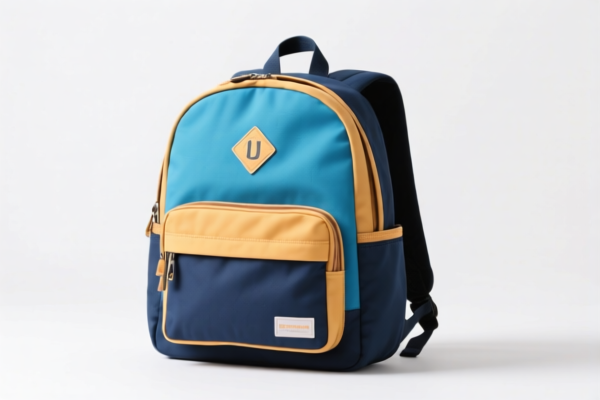
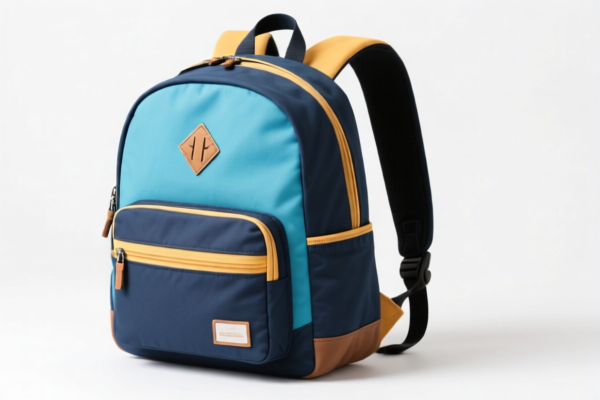
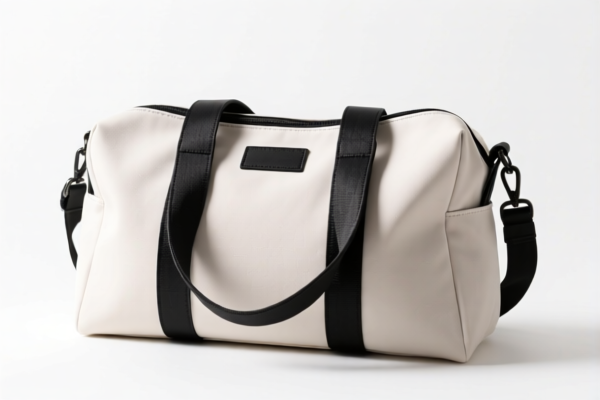
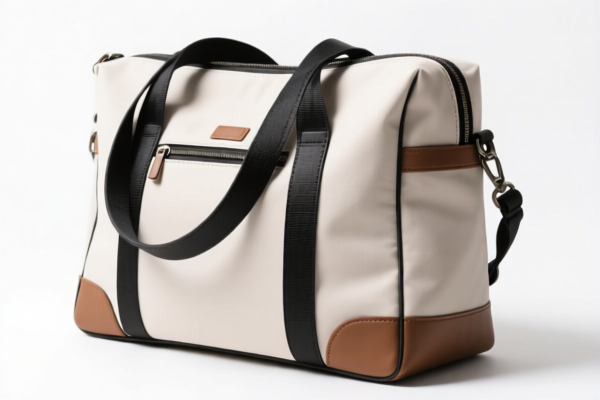
AI分析
🎒 School Backpack (School Bags)
🌐 HS Code Reference & Customs Clearance Guide | 2026 Latest Tariff Analysis | Professional通关 Strategy
📌 Part I: Product Definition & Classification: Do You Really Understand "School Backpacks"?
A School Backpack is a essential item for students, designed to carry books, laptops, and personal items. In international trade, classification depends heavily on material and specific design/purpose.
Classification Key Factors: - Material: Textile/Fabric (布料) vs. Leather/Synthetic Leather (皮革) vs. Paper/Cardboard (纸/纸板). - Form: General Backpacks vs. Specific "Student Bags" (学生包). - Construction: Is it a simple fabric bag or a structured leather bag?
⚠️ Key Distinction Point:
- If made of Fabric/Textile → Generally falls under 4202.12 or 4202.92.
- If made of Leather/Synthetic Leather → Generally falls under 4202.11.
- If made of Paper/Cardboard (rare for backpacks, but possible for specific stationery bags) → Falls under 4820.10.
📦 Part II: HS Code Classification Details (2026 Latest Tariff Authority Comparison)
Based on the provided data, here are the specific HS Codes and their corresponding tax implications for School Backpacks.
| HS Code | Product Description | Material/Form Match | Key Characteristics |
|---|---|---|---|
4202.12.89.10 |
Fabric School Bag | Matches Form: Backpacks; Material: Textile | General fabric backpacks, not specifically "student" labeled but functionally used. |
4202.92.31.20 |
Fabric School Bag | Matches Form: Backpacks; Material: Textile | Specific variant for fabric backpacks, often used for general storage or school use. |
4202.11.00.30 |
Student Bag | Matches Use: Student; Material: Leather/Synthetic Leather | Bags made of leather or synthetic leather, specifically designed for students. |
4202.12.89.20 |
Student Bag | Matches Use: Student; Material: Textile Exterior | Fabric bags explicitly marketed or designed for "Student" use. |
4820.10.40.00 |
Student Bag (Inferred) | Material: Paper/Cardboard or Stationery Use | Note: Unusual for backpacks, but included in data as inferred paper/stationery item. |
🔍 Important Reminder:
- Fabric Backpacks (most common) are primarily classified under 4202.12 or 4202.92.
- Leather/Synthetic Leather Bags are classified under 4202.11.
- Paper/Cardboard items are a special case and may not apply to typical fabric/nylon backpacks.
💰 Part III: 2026 Latest Tariff Rate Breakdown (Including Surtaxes & Policy Add-ons)
✅ Applicable Country: United States (US)
✅ Origin: China (CN)
✅ Effective Time: Current rates apply for imports from China.
🎯 1. Fabric Backpacks (4202.12.89.10 & 4202.92.31.20)
Total Tax Rate: 52.6%
| Item | Details |
|---|---|
| Base Tariff | 17.6% |
| Section 301 Surtax | 25.0% |
| Section 122 Tariff | 10.0% |
| Total Tax | 52.6% |
| Calculation | CIF Value × 52.6% |
| De Minimis Exemption | ❌ Not Eligible (High tariff rates usually disqualify from de minimis benefits depending on final determination) |
📌 Explanation:
- Base Tariff (17.6%): Standard US import duty for textile bags under Chapter 42.
- Section 301 Surtax (25.0%): Additional duty imposed on Chinese goods under Section 301 of the Trade Act.
- Section 122 Tariff (10.0%): Additional duty under Section 122 of the Trade Expansion Act (for national security/economic reasons).
- Combined Total: 52.6%. This is a very high effective tax rate.
🎯 2. Leather/Synthetic Leather Student Bag (4202.11.00.30)
Total Tax Rate: 43.0%
| Item | Details |
|---|---|
| Base Tariff | 8.0% |
| Section 301 Surtax | 25.0% |
| Section 122 Tariff | 10.0% |
| Total Tax | 43.0% |
| Calculation | CIF Value × 43.0% |
| De Minimis Exemption | ❌ Not Eligible |
📌 Explanation:
- Leather bags have a lower Base Tariff (8.0%) compared to fabric bags (17.6%).
- However, the Section 301 (25.0%) and Section 122 (10.0%) surtaxes are still applied.
- Total: 43.0%. Still high, but 9.6% lower than fabric backpacks.
🎯 3. Paper/Cardboard Student Bag (4820.10.40.00)
Total Tax Rate: 35.0%
| Item | Details |
|---|---|
| Base Tariff | 0.0% |
| Section 301 Surtax | 25.0% |
| Section 122 Tariff | 10.0% |
| Total Tax | 35.0% |
| Calculation | CIF Value × 35.0% |
| De Minimis Exemption | ❌ Not Eligible |
📌 Explanation:
- Paper items often have 0% Base Tariff.
- Surcharge taxes still apply, resulting in 35.0% total.
- Note: This code is likely for specific paper-based stationery bags, not typical fabric backpacks.
🛠️ Part IV: Customs Clearance Practical Advice (Avoid Pitfalls)
✅ 1. Required Documentation Checklist (Mandatory)
| Document | Required | Notes |
|---|---|---|
| ✅ Product Specifications | ✔️ | Must clearly state material (e.g., "100% Polyester", "Genuine Leather"). |
| ✅ Commercial Invoice | ✔️ | Clearly describe as "School Backpack" or "Student Bag". |
| ✅ Packing List | ✔️ | Detail contents, weights, and dimensions. |
| ✅ Origin Certificate (CO) | ✔️ | Confirm China origin to apply correct surtaxes. |
| ✅ Material Composition | ✔️ | Crucial for distinguishing between 4202.11 (Leather) and 4202.12 (Textile). |
✅ 2. Declaration Tips (Key Rules)
🔥 "Material is King, Use is Secondary, Name Must Be Precise!"
| Scenario | Correct Declaration | Wrong Practice |
|---|---|---|
| Fabric Backpack | 4202.12.89.10 or 4202.92.31.20 |
Mislabeling as "Leather Bag" → Audit risk. |
| Leather Student Bag | 4202.11.00.30 |
Labeling as "Fabric Bag" → Underpayment risk. |
| Mixed Material Bag | Declare main exterior material | Ambiguous description → Customs delay. |
| Paper/Stationery Bag | 4820.10.40.00 |
Declaring as "Backpack" → Wrong classification. |
✅ 3. Special Cases
| Situation | Advice |
|---|---|
| OEM Custom Bags | Provide design specs to prove material and form. |
| "Student" vs. "General" Bag | If designed for students (with school logos, specific compartments), ensure description reflects this, but material drives HS code more than use. |
| High-Value Luxury Bags | Leather bags (4202.11) have lower base duty, but surtaxes still apply. |
| Small Sample Imports | Even samples are subject to full tax rates if value exceeds de minimis threshold. |
🌍 Part V: Global Market Comparison (2026 Latest)
| Country/Region | Recommended HS Code | Tariff (China Origin) | Notes |
|---|---|---|---|
| 🇺🇸 USA | 4202.12.89.10 |
52.6% | Highest burden due to Section 301 & 122. |
| 🇨🇳 China | 4202.12.89.10 |
20% | Import duty for foreign bags. |
| 🇪🇺 EU | 4202.12.00 |
4% | No Section 301/122 equivalents. |
| 🇬🇧 UK | 4202.12.00 |
4% | Post-Brexit tariff structure. |
| 🇦🇺 Australia | 4202.12.00 |
5% | Lower base rates. |
📌 Conclusion:
- USA is the most expensive market for Chinese-made school backpacks due to 52.6% total tax for fabric bags.
- Leather bags offer a slight advantage (43.0% vs 52.6%).
- EU/UK/Australia are significantly cheaper for clearance (4-5%).
📌 Part VI: Common Errors & Pitfalls (Lessons Learned)
❌ Error 1: Misidentifying Material
👉 Result: Using 4202.12 (Textile) for a leather bag → Overpayment (52.6% vs 43.0%).
👉 Solution: Check material composition certificate.
❌ Error 2: Ignoring Section 122 & 301
👉 Result: Under-declaring tax → Penalties + Interest.
👉 Solution: Always calculate Base + 301 + 122.
❌ Error 3: Vague Description "Bag"
👉 Result: Customs may reclassify → Delays.
👉 Solution: Specify "School Backpack", "Fabric/Leather", "With Compartments".
✅ Correct Declaration Example:
"School Backpack, 15-inch Laptop Compartment, 100% Polyester Fabric, Black, Model XYZ, Origin: China"
🎯 Part VII: Conclusion: Smart Clearance, Cost Savings!
🎯 Key Takeaways:
🔹 "Fabric Backpacks: 52.6% Tax; Leather: 43.0%; Paper: 35.0%."
🔹 "Section 301 (25%) and Section 122 (10%) are unavoidable for China-origin goods."
🔹 "Material determines Base Rate; Use determines Sub-heading."
📌 Pro Tip:
- If your backpacks are made of synthetic leather, confirm if they qualify under 4202.11 (Leather) or 4202.12 (Textile). Some synthetic materials are classified as textile, leading to 52.6% tax.
- Pre-clearance: Consider applying for an Advance Ruling if you have large volumes to ensure correct HS code and avoid penalties.
📣 Immediate Action:
📞 Contact your customs broker with material specs.
📄 Prepare accurate invoices stating "Fabric" or "Leather".
🚀 Optimize supply chain: Consider sourcing from non-China origins if targeting the US market to avoid surtaxes.
✨ Professional Clearance Starts with Accurate Classification!
💼 Every percentage point matters in the final landed cost!
用户评价
关于 HS 编码归类
协调制度(HS)是由世界海关组织(WCO)制定的国际贸易商品分类标准。全球 200 多个国家采用 HS 系统作为海关关税、贸易统计和进出口监管的基础。
每个 HS 编码遵循以下层级结构:
- 章(2 位)——商品大类(例如:第 84 章:机器和机械设备)
- 品目(4 位)——章内的更具体分类
- 子目(6 位)——国际通用细分,所有 WCO 成员国统一使用
- 本国细分(8-10 位)——各国自行扩展的细分编码,如美国 HTSUS 10 位编码
正确的 HS 编码归类对于顺利通关、准确缴纳关税和遵守贸易法规至关重要。错误归类可能导致海关延误、多缴关税或罚款。
从CN进口到US时,适用的关税税率可能包括:
- 最惠国(MFN)税率——适用于 WTO 成员国的标准关税税率
- 普通税率——适用于无贸易协定国家
- 贸易救济关税——附加关税,如 301 条款(反倾销)、232 条款(国家安全)或反补贴税
本页内容仅供参考。如需正式归类,请咨询当地海关或持牌报关代理。