school backpack
CN → US| HS Code | Tariff Rate | Origin | Destination | Doc |
|---|---|---|---|---|
| 4202128910 | 52.6% | CN | US | Official Doc |
| 4202923120 | 52.6% | CN | US | Official Doc |
| 4202110030 | 43.0% | CN | US | Official Doc |
| 4202128920 | 52.6% | CN | US | Official Doc |
| 4820104000 | 35.0% | CN | US | Official Doc |
Product Images
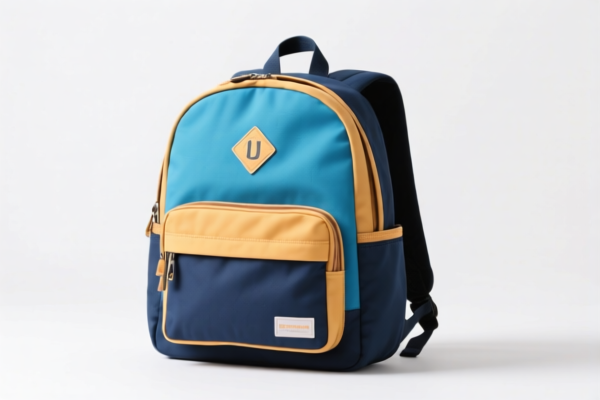
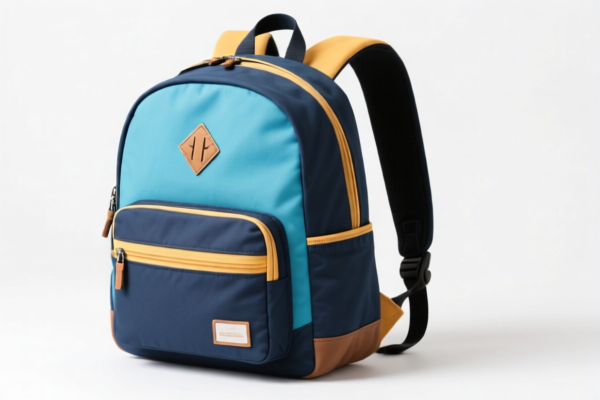
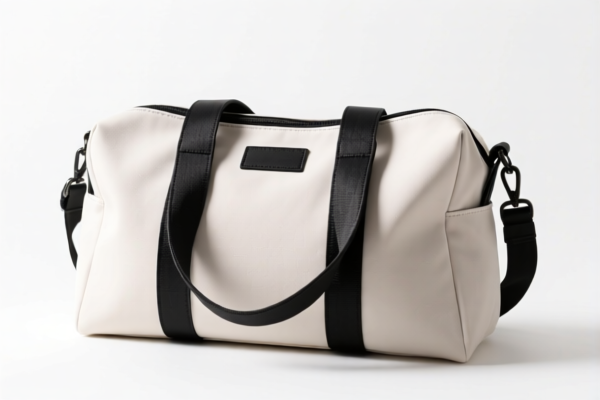
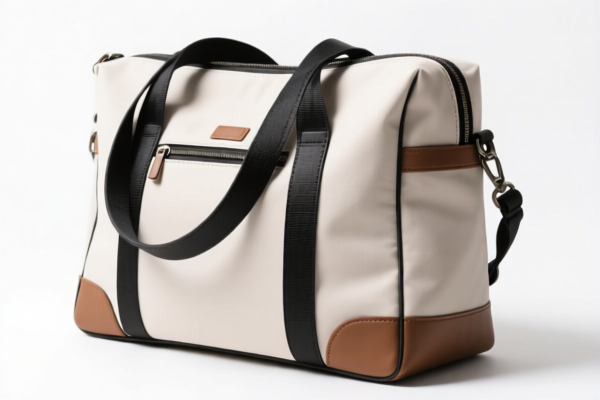
AI Analysis
🎒 School Backpack (School Bags)
🌐 HS Code Reference & Customs Clearance Guide | 2026 Latest Tariff Analysis | Professional通关 Strategy
📌 Part I: Product Definition & Classification: Do You Really Understand "School Backpacks"?
A School Backpack is a essential item for students, designed to carry books, laptops, and personal items. In international trade, classification depends heavily on material and specific design/purpose.
Classification Key Factors: - Material: Textile/Fabric (布料) vs. Leather/Synthetic Leather (皮革) vs. Paper/Cardboard (纸/纸板). - Form: General Backpacks vs. Specific "Student Bags" (学生包). - Construction: Is it a simple fabric bag or a structured leather bag?
⚠️ Key Distinction Point:
- If made of Fabric/Textile → Generally falls under 4202.12 or 4202.92.
- If made of Leather/Synthetic Leather → Generally falls under 4202.11.
- If made of Paper/Cardboard (rare for backpacks, but possible for specific stationery bags) → Falls under 4820.10.
📦 Part II: HS Code Classification Details (2026 Latest Tariff Authority Comparison)
Based on the provided data, here are the specific HS Codes and their corresponding tax implications for School Backpacks.
| HS Code | Product Description | Material/Form Match | Key Characteristics |
|---|---|---|---|
4202.12.89.10 |
Fabric School Bag | Matches Form: Backpacks; Material: Textile | General fabric backpacks, not specifically "student" labeled but functionally used. |
4202.92.31.20 |
Fabric School Bag | Matches Form: Backpacks; Material: Textile | Specific variant for fabric backpacks, often used for general storage or school use. |
4202.11.00.30 |
Student Bag | Matches Use: Student; Material: Leather/Synthetic Leather | Bags made of leather or synthetic leather, specifically designed for students. |
4202.12.89.20 |
Student Bag | Matches Use: Student; Material: Textile Exterior | Fabric bags explicitly marketed or designed for "Student" use. |
4820.10.40.00 |
Student Bag (Inferred) | Material: Paper/Cardboard or Stationery Use | Note: Unusual for backpacks, but included in data as inferred paper/stationery item. |
🔍 Important Reminder:
- Fabric Backpacks (most common) are primarily classified under 4202.12 or 4202.92.
- Leather/Synthetic Leather Bags are classified under 4202.11.
- Paper/Cardboard items are a special case and may not apply to typical fabric/nylon backpacks.
💰 Part III: 2026 Latest Tariff Rate Breakdown (Including Surtaxes & Policy Add-ons)
✅ Applicable Country: United States (US)
✅ Origin: China (CN)
✅ Effective Time: Current rates apply for imports from China.
🎯 1. Fabric Backpacks (4202.12.89.10 & 4202.92.31.20)
Total Tax Rate: 52.6%
| Item | Details |
|---|---|
| Base Tariff | 17.6% |
| Section 301 Surtax | 25.0% |
| Section 122 Tariff | 10.0% |
| Total Tax | 52.6% |
| Calculation | CIF Value × 52.6% |
| De Minimis Exemption | ❌ Not Eligible (High tariff rates usually disqualify from de minimis benefits depending on final determination) |
📌 Explanation:
- Base Tariff (17.6%): Standard US import duty for textile bags under Chapter 42.
- Section 301 Surtax (25.0%): Additional duty imposed on Chinese goods under Section 301 of the Trade Act.
- Section 122 Tariff (10.0%): Additional duty under Section 122 of the Trade Expansion Act (for national security/economic reasons).
- Combined Total: 52.6%. This is a very high effective tax rate.
🎯 2. Leather/Synthetic Leather Student Bag (4202.11.00.30)
Total Tax Rate: 43.0%
| Item | Details |
|---|---|
| Base Tariff | 8.0% |
| Section 301 Surtax | 25.0% |
| Section 122 Tariff | 10.0% |
| Total Tax | 43.0% |
| Calculation | CIF Value × 43.0% |
| De Minimis Exemption | ❌ Not Eligible |
📌 Explanation:
- Leather bags have a lower Base Tariff (8.0%) compared to fabric bags (17.6%).
- However, the Section 301 (25.0%) and Section 122 (10.0%) surtaxes are still applied.
- Total: 43.0%. Still high, but 9.6% lower than fabric backpacks.
🎯 3. Paper/Cardboard Student Bag (4820.10.40.00)
Total Tax Rate: 35.0%
| Item | Details |
|---|---|
| Base Tariff | 0.0% |
| Section 301 Surtax | 25.0% |
| Section 122 Tariff | 10.0% |
| Total Tax | 35.0% |
| Calculation | CIF Value × 35.0% |
| De Minimis Exemption | ❌ Not Eligible |
📌 Explanation:
- Paper items often have 0% Base Tariff.
- Surcharge taxes still apply, resulting in 35.0% total.
- Note: This code is likely for specific paper-based stationery bags, not typical fabric backpacks.
🛠️ Part IV: Customs Clearance Practical Advice (Avoid Pitfalls)
✅ 1. Required Documentation Checklist (Mandatory)
| Document | Required | Notes |
|---|---|---|
| ✅ Product Specifications | ✔️ | Must clearly state material (e.g., "100% Polyester", "Genuine Leather"). |
| ✅ Commercial Invoice | ✔️ | Clearly describe as "School Backpack" or "Student Bag". |
| ✅ Packing List | ✔️ | Detail contents, weights, and dimensions. |
| ✅ Origin Certificate (CO) | ✔️ | Confirm China origin to apply correct surtaxes. |
| ✅ Material Composition | ✔️ | Crucial for distinguishing between 4202.11 (Leather) and 4202.12 (Textile). |
✅ 2. Declaration Tips (Key Rules)
🔥 "Material is King, Use is Secondary, Name Must Be Precise!"
| Scenario | Correct Declaration | Wrong Practice |
|---|---|---|
| Fabric Backpack | 4202.12.89.10 or 4202.92.31.20 |
Mislabeling as "Leather Bag" → Audit risk. |
| Leather Student Bag | 4202.11.00.30 |
Labeling as "Fabric Bag" → Underpayment risk. |
| Mixed Material Bag | Declare main exterior material | Ambiguous description → Customs delay. |
| Paper/Stationery Bag | 4820.10.40.00 |
Declaring as "Backpack" → Wrong classification. |
✅ 3. Special Cases
| Situation | Advice |
|---|---|
| OEM Custom Bags | Provide design specs to prove material and form. |
| "Student" vs. "General" Bag | If designed for students (with school logos, specific compartments), ensure description reflects this, but material drives HS code more than use. |
| High-Value Luxury Bags | Leather bags (4202.11) have lower base duty, but surtaxes still apply. |
| Small Sample Imports | Even samples are subject to full tax rates if value exceeds de minimis threshold. |
🌍 Part V: Global Market Comparison (2026 Latest)
| Country/Region | Recommended HS Code | Tariff (China Origin) | Notes |
|---|---|---|---|
| 🇺🇸 USA | 4202.12.89.10 |
52.6% | Highest burden due to Section 301 & 122. |
| 🇨🇳 China | 4202.12.89.10 |
20% | Import duty for foreign bags. |
| 🇪🇺 EU | 4202.12.00 |
4% | No Section 301/122 equivalents. |
| 🇬🇧 UK | 4202.12.00 |
4% | Post-Brexit tariff structure. |
| 🇦🇺 Australia | 4202.12.00 |
5% | Lower base rates. |
📌 Conclusion:
- USA is the most expensive market for Chinese-made school backpacks due to 52.6% total tax for fabric bags.
- Leather bags offer a slight advantage (43.0% vs 52.6%).
- EU/UK/Australia are significantly cheaper for clearance (4-5%).
📌 Part VI: Common Errors & Pitfalls (Lessons Learned)
❌ Error 1: Misidentifying Material
👉 Result: Using 4202.12 (Textile) for a leather bag → Overpayment (52.6% vs 43.0%).
👉 Solution: Check material composition certificate.
❌ Error 2: Ignoring Section 122 & 301
👉 Result: Under-declaring tax → Penalties + Interest.
👉 Solution: Always calculate Base + 301 + 122.
❌ Error 3: Vague Description "Bag"
👉 Result: Customs may reclassify → Delays.
👉 Solution: Specify "School Backpack", "Fabric/Leather", "With Compartments".
✅ Correct Declaration Example:
"School Backpack, 15-inch Laptop Compartment, 100% Polyester Fabric, Black, Model XYZ, Origin: China"
🎯 Part VII: Conclusion: Smart Clearance, Cost Savings!
🎯 Key Takeaways:
🔹 "Fabric Backpacks: 52.6% Tax; Leather: 43.0%; Paper: 35.0%."
🔹 "Section 301 (25%) and Section 122 (10%) are unavoidable for China-origin goods."
🔹 "Material determines Base Rate; Use determines Sub-heading."
📌 Pro Tip:
- If your backpacks are made of synthetic leather, confirm if they qualify under 4202.11 (Leather) or 4202.12 (Textile). Some synthetic materials are classified as textile, leading to 52.6% tax.
- Pre-clearance: Consider applying for an Advance Ruling if you have large volumes to ensure correct HS code and avoid penalties.
📣 Immediate Action:
📞 Contact your customs broker with material specs.
📄 Prepare accurate invoices stating "Fabric" or "Leather".
🚀 Optimize supply chain: Consider sourcing from non-China origins if targeting the US market to avoid surtaxes.
✨ Professional Clearance Starts with Accurate Classification!
💼 Every percentage point matters in the final landed cost!
Customer Reviews
About HS Code Classification
The Harmonized System (HS) is an internationally standardized nomenclature developed by the World Customs Organization (WCO) to classify traded products. Over 200 countries use the HS system as the basis for customs tariffs, trade statistics, and import/export regulations.
Each HS code follows a hierarchical structure:
- Chapter (2 digits) — Broad category of goods (e.g., Chapter 84: Machinery and Mechanical Appliances)
- Heading (4 digits) — More specific grouping within the chapter
- Subheading (6 digits) — Internationally standardized breakdown, used by all WCO member countries
- National subdivisions (8-10 digits) — Country-specific extensions for further classification, such as US HTSUS 10-digit codes
Correct HS code classification is essential for smooth customs clearance, accurate duty payment, and compliance with trade regulations. Misclassification can lead to customs delays, overpayment of duties, or penalties.
When importing from CN to US, the applicable tariff rates may include:
- Most-Favored-Nation (MFN) rate — The standard duty rate applied to WTO members
- General rate — Applied to countries without trade agreements
- Trade remedy duties — Additional tariffs such as Section 301 (anti-dumping), Section 232 (national security), or countervailing duties
The information provided on this page is for reference purposes only. For official classification, please consult with your local customs authority or a licensed customs broker.