seamless thick gloves
CN → US| HS编码 | 关税税率 | 原产国 | 目的国 | 文档 |
|---|---|---|---|---|
| 3926201010 | 10.0% | CN | US | 官方文档 |
| 3926201020 | 10.0% | CN | US | 官方文档 |
| 6116105510 | 30.7% | CN | US | 官方文档 |
| 6116104810 | 36.1% | CN | US | 官方文档 |
| 4014905000 | 14.2% | CN | US | 官方文档 |
商品图片
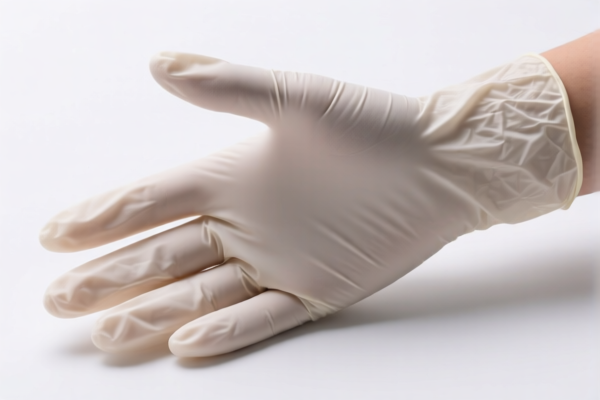
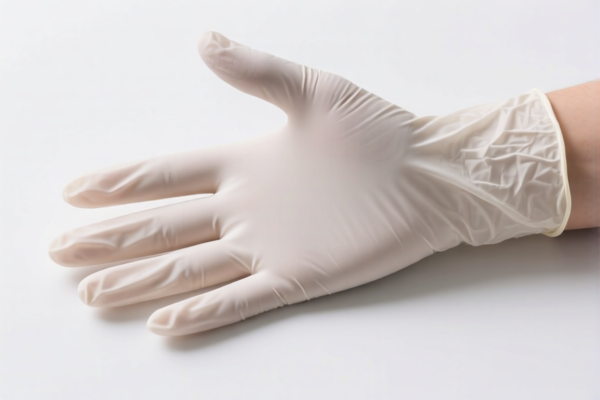
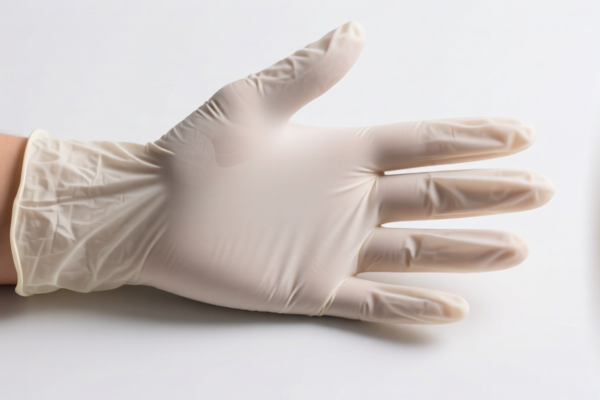

AI分析
🧤 Seamless Thick Gloves (Medical/Industrial Grade)
🌐 HS Code Reference & Customs Clearance Guide | 2026 Latest Tariff Analysis | Professional Clearance Strategy
📌 Part 1: Product Definition & Classification: What are "Seamless Thick Gloves"?
"Seamless Thick Gloves" are high-durability protective or medical gloves characterized by a seamless manufacturing process (eliminating weak points) and a thickened structure (enhancing puncture and chemical resistance). In international trade, classification depends heavily on the material composition (Plastic vs. Rubber/Latex vs. Textile-Coated) and the specific use case (Surgical/Medical vs. General Industrial).
⚠️ Key Classification Distinction:
- If made of Plastic/PVC/Polyethylene for medical/examination use → Likely falls under Chapter 39 (Articles of Plastics).
- If made of Rubber/Latex/Nitrile for medical/hygiene use → Likely falls under Chapter 40 (Rubber Articles).
- If made of Textile with Plastic/Rubber Coating (Imprinted or Covered) → Likely falls under Chapter 61 (Knitted or Crocheted Clothing Accessories).
📦 Part 2: Detailed HS Code Classification (2026 Latest Tariff Authority Comparison)
| HS Code | Product Description | Matching Logic & Summary | Material/Use Characteristics |
|---|---|---|---|
3926.20.10.10 |
Articles of plastic, for surgical or medical purposes | Matches form: "Seamless"; Use: "Surgical/Examination"; Material: Plastic/Rubber-like制品 | Plastic-based, medical grade |
3926.20.10.20 |
Plastic gloves, surgical or medical | Matches: "Surgical" (Use), "Seamless" (Form), "Gloves" (Name), Plastic material logic | Plastic-based, general medical |
6116.10.55.10 |
Gloves, knitted/crocheted, impregnated/coated with plastic | Matches form: "Seamless" (No finger seams); Inferred material: Textile fiber or Rubber/Plastic coating | Textile base with coating |
6116.10.48.10 |
Gloves, knitted/crocheted, covered with plastic/rubber | Matches: Medical/Examination use; Form: Glove; Material: Latex/Synthetic (Imprinted/Covered/Laminated) | Coated textile, medical use |
4014.90.50.00 |
Other articles of vulcanized rubber (other than hard rubber) | Matches: "Gloves" (Hygiene/Medical use); Material: Vulcanized Rubber (Latex/Nitrile) | Pure Rubber/Latex, medical grade |
🔍 Critical Note:
- Chapter 39 applies if the primary material is plastic (e.g., PVC, PE).
- Chapter 61 applies if the base is textile (knitted) but coated/impregnated for protection.
- Chapter 40 applies if the primary material is vulcanized rubber (Latex/Nitrile).
💰 Part 3: 2026 Latest Tariff Rate Breakdown (Including Surcharges & Policy Add-ons)
✅ Applicable Country: United States (US)
✅ Origin: China (CN)
✅ Effective Time: Ongoing (Subject to Section 122 and Base Tariffs)
🎯 1. 3926.20.10.10 & 3926.20.10.20 —— Plastic Medical/Surgical Gloves
| Item | Content |
|---|---|
| Base Tariff | 0.0% (ad valorem) |
| Section 301 Surcharge | 0.0% (Note: Some plastic items may be exempt or have different rates depending on specific sub-headings, but data shows 0%) |
| Section 122 Tariff | +10% (Specific add-on for China-origin goods) |
| Total Tariff Rate | 10.0% |
| Tax Calculation | CIF Value × 10% |
| De Minimis Exemption | ❌ Not Applicable for Section 122 goods in many contexts, or highly restricted. Check specific CBP rulings. |
| Legal Path | Base: 3926.20 → Add-on: Sec 122 (10%) |
📌 Explanation:
- These codes benefit from a 0% base tariff.
- The 10% Section 122 tariff is the primary cost driver.
- Total: 10%. This is relatively low compared to textile or rubber alternatives in this dataset.
🎯 2. 6116.10.55.10 —— Coated/Impregnated Textile Gloves (General/Industrial)
| Item | Content |
|---|---|
| Base Tariff | 13.2% |
| Section 301 Surcharge | +7.5% |
| Section 122 Tariff | +10% |
| Total Tariff Rate | 30.7% |
| Tax Calculation | CIF Value × 30.7% |
| De Minimis Exemption | ❌ Not Applicable (High combined rate) |
| Legal Path | Base: 6116.10.55 → Sec 301: 7.5% → Sec 122: 10% |
📌 Note:
- If the glove is made of knitted textile with plastic/rubber coating, the base tariff is significantly higher (13.2%).
- Total: 30.7%. This is a high-cost classification.
🎯 3. 6116.10.48.10 —— Coated/Impregnated Textile Gloves (Medical/Special)
| Item | Content |
|---|---|
| Base Tariff | 18.6% |
| Section 301 Surcharge | +7.5% |
| Section 122 Tariff | +10% |
| Total Tariff Rate | 36.1% |
| Tax Calculation | CIF Value × 36.1% |
| De Minimis Exemption | ❌ Not Applicable |
| Legal Path | Base: 6116.10.48 → Sec 301: 7.5% → Sec 122: 10% |
📌 Note:
- This code is often used for medical-grade coated gloves (e.g., latex-coated cotton).
- Total: 36.1%. This is the highest tariff among the listed options. Avoid if possible unless the product strictly requires this classification.
🎯 4. 4014.90.50.00 —— Rubber/Latex Medical Gloves
| Item | Content |
|---|---|
| Base Tariff | 4.2% |
| Section 301 Surcharge | 0.0% (Note: Data shows 0% for this specific subheading in the provided list) |
| Section 122 Tariff | +10% |
| Total Tariff Rate | 14.2% |
| Tax Calculation | CIF Value × 14.2% |
| De Minimis Exemption | ❌ Not Applicable |
| Legal Path | Base: 4014.90.50 → Sec 122: 10% |
📌 Note:
- If the gloves are vulcanized rubber (natural latex or nitrile) and not plastic or coated textile, this is often the correct code.
- Total: 14.2%. This is a moderate cost, higher than plastic but significantly lower than coated textiles.
🛠️ Part 4: Customs Clearance Practical Advice (Real-World Pitfall Guide)
✅ 1. Required Documentation Checklist (Non-Negotiable)
| Document | Required? | Explanation |
|---|---|---|
| ✅ Product Specification Sheet | ✔️ | Must detail: Material (Latex vs. PVC vs. Nitrile), Thickness (mil/mm), Seamless process confirmation. |
| ✅ Material Composition Certificate | ✔️ | Critical for distinguishing Chapter 39 (Plastic) vs. Chapter 40 (Rubber) vs. Chapter 61 (Textile+Coating). |
| ✅ Product Photos | ✔️ | Show seamless wrist/hand area and interior texture to prove "seamless" manufacturing. |
| ✅ Medical Device Listing (if applicable) | ✔️ | If claiming "Surgical/Medical" use, FDA registration or 510(k) number may be required for CBP verification. |
| ✅ Commercial Invoice | ✔️ | Clearly state "Seamless Gloves, [Material], [Use]". Avoid vague terms like "Hand Covers". |
| ✅ Country of Origin Certificate | ✔️ | To apply Section 122 (10%) and verify trade remedies. |
✅ 2. Declaration Strategy (Key Mnemonic)
🔥 “Material Determines Chapter, Use Determines Subheading, Seamless is a Feature, Not a Code!”
| Scenario | Correct HS Code | Why? |
|---|---|---|
| PVC/PE Gloves (Plastic) for Surgery | 3926.20.10.10 / 10.20 |
Base tariff 0% + Sec 122 10% = 10%. Best for low-cost plastic. |
| Nitrile/Latex Gloves (Rubber) for Surgery | 4014.90.50.00 |
Base 4.2% + Sec 122 10% = 14.2%. Standard for medical rubber. |
| Cotton Gloves with Latex Coating | 6116.10.55.10 or 48.10 |
Base high (13-18%) + 7.5% + 10% = 30-36%. High cost. Only if textile base is dominant. |
📌 Warning:
- Do NOT declare "Rubber Gloves" if they are actually "Plastic (PVC)" gloves. CBP may reclassify and impose penalties.
- Do NOT declare "Medical Gloves" if they are purely industrial (e.g., heavy-duty chemical handling) without medical certification, as this may trigger additional FDA/CBP scrutiny.
✅ 3. Special Cases & Mitigation
| Scenario | Handling Advice |
|---|---|
| OEM Custom Gloves | Provide client order + design specs. If the client specifies "Plastic," ensure HS code reflects Chapter 39. |
| "Seamless" Marketing Claim | Ensure the product is truly seamless. If seams exist, it might fall under different subheadings or be rejected as non-conforming. |
| Mixed Shipments | If a shipment contains both plastic (3926) and rubber (4014) gloves, declare separately. Mixing can lead to confusion and audits. |
| Origin Tracing | Section 122 (10%) applies to China-origin goods. If gloves are shipped from Vietnam/Malaysia but made in China, they are still subject to 10% if origin is China. |
🌍 Part 5: Global Market Comparison (2026 Update)
| Country/Region | Recommended HS Code | Total Tariff (China Origin) | Key Certification | Notes |
|---|---|---|---|---|
| 🇺🇸 USA | 3926.20.10.10 (Plastic) |
10% | FDA (if medical) | Low tariff for plastic. High for coated textiles. |
| 🇺🇸 USA | 4014.90.50.00 (Rubber) |
14.2% | FDA (if medical) | Moderate tariff. |
| 🇨🇳 China | 3926.20.10.10 |
~5-10% | NMPA (if medical) | Lower base tariffs, no Sec 122. |
| 🇪🇺 EU | 4014.90 (Rubber) |
0-4% | CE (if medical device) | No Section 122 equivalent. |
📌 Conclusion:
- USA Tariffs are driven by Section 122 (10%) for all categories listed.
- Plastic gloves (3926) offer the lowest total duty (10%).
- Rubber gloves (4014) are competitive (14.2%).
- Coated textile gloves (6116) are expensive (30-36%). Avoid this classification unless the product is fundamentally a textile product.
📌 Part 6: Common Mistakes & Pitfalls (Lessons Learned)
❌ Mistake 1: Calling "Latex Gloves" "Plastic Gloves" to get a 0% base rate.
👉 Consequence: CBP reclassifies to 4014, charges back-tariffs + interest.
❌ Mistake 2: Ignoring "Seamless" vs. "Seamed".
👉 Consequence: While "seamless" is a feature, it doesn't change the HS code. However, misrepresenting it may lead to quality disputes.
❌ Mistake 3: Declaring "Medical" without FDA/EU MDR compliance.
👉 Consequence: Shipment held at port. FDA refusal or FDA alert letter.
✅ Correct Practice:
"Seamless Nitrile Examination Gloves, Powder-Free, Medical Grade, ASTM D3578 Compliant, Country of Origin: China"
🎯 Part 7: Conclusion: Precision Classification Saves Money
🎯 Remember the Formula:
🔹 Plastic (39) → 10% Total (Best for low-cost plastic)
🔹 Rubber (40) → 14.2% Total (Best for standard medical rubber)
🔹 Coated Textile (61) → 30.7-36.1% Total (Avoid if possible)🔹 "HS Code determines your cost. Section 122 is the fixed 10% penalty for China. Material determines the base."
📌 Pro Tip:
If your "Seamless Thick Gloves" can be classified as Plastic (PVC/PE) rather than Coated Textile, you can save ~20-25% in tariffs. Always verify the primary material with your supplier before declaring.
📣 Immediate Action:
📞 Contact your customs broker with the Material Safety Data Sheet (MSDS) to confirm polymer composition.
🚀 Apply for Pre-ruling (CBP Ruling Letter) if the shipment value is high to secure the 10% or 14.2% rate and avoid 36% penalties.
✨ Professional Clearance Starts with Accurate Classification!
💼 Your profit margin depends on the last digit of the HS Code!
用户评价
关于 HS 编码归类
协调制度(HS)是由世界海关组织(WCO)制定的国际贸易商品分类标准。全球 200 多个国家采用 HS 系统作为海关关税、贸易统计和进出口监管的基础。
每个 HS 编码遵循以下层级结构:
- 章(2 位)——商品大类(例如:第 84 章:机器和机械设备)
- 品目(4 位)——章内的更具体分类
- 子目(6 位)——国际通用细分,所有 WCO 成员国统一使用
- 本国细分(8-10 位)——各国自行扩展的细分编码,如美国 HTSUS 10 位编码
正确的 HS 编码归类对于顺利通关、准确缴纳关税和遵守贸易法规至关重要。错误归类可能导致海关延误、多缴关税或罚款。
从CN进口到US时,适用的关税税率可能包括:
- 最惠国(MFN)税率——适用于 WTO 成员国的标准关税税率
- 普通税率——适用于无贸易协定国家
- 贸易救济关税——附加关税,如 301 条款(反倾销)、232 条款(国家安全)或反补贴税
本页内容仅供参考。如需正式归类,请咨询当地海关或持牌报关代理。