seamless thick gloves
CN → US| HS Code | Tariff Rate | Origin | Destination | Doc |
|---|---|---|---|---|
| 3926201010 | 10.0% | CN | US | Official Doc |
| 3926201020 | 10.0% | CN | US | Official Doc |
| 6116105510 | 30.7% | CN | US | Official Doc |
| 6116104810 | 36.1% | CN | US | Official Doc |
| 4014905000 | 14.2% | CN | US | Official Doc |
Product Images
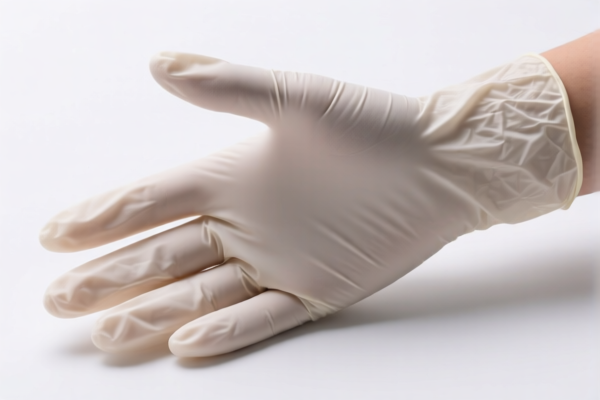
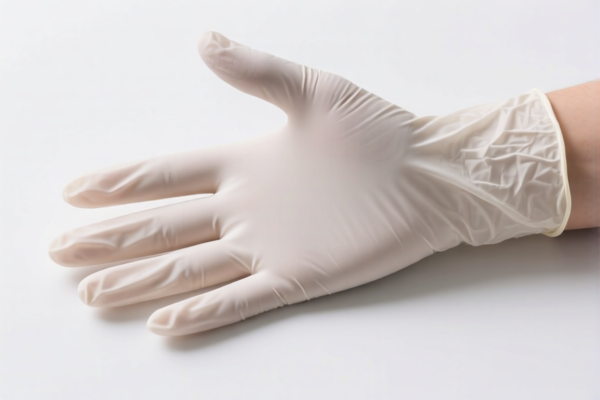
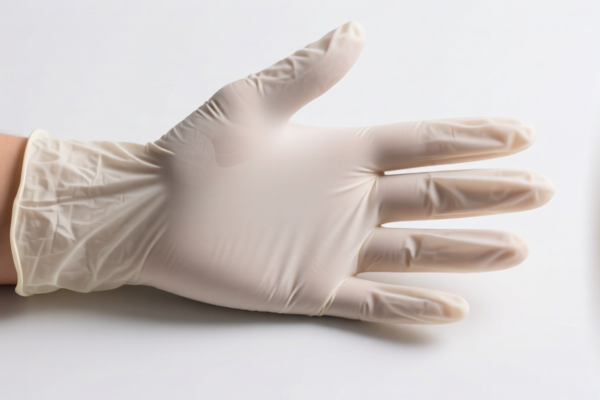

AI Analysis
🧤 Seamless Thick Gloves (Medical/Industrial Grade)
🌐 HS Code Reference & Customs Clearance Guide | 2026 Latest Tariff Analysis | Professional Clearance Strategy
📌 Part 1: Product Definition & Classification: What are "Seamless Thick Gloves"?
"Seamless Thick Gloves" are high-durability protective or medical gloves characterized by a seamless manufacturing process (eliminating weak points) and a thickened structure (enhancing puncture and chemical resistance). In international trade, classification depends heavily on the material composition (Plastic vs. Rubber/Latex vs. Textile-Coated) and the specific use case (Surgical/Medical vs. General Industrial).
⚠️ Key Classification Distinction:
- If made of Plastic/PVC/Polyethylene for medical/examination use → Likely falls under Chapter 39 (Articles of Plastics).
- If made of Rubber/Latex/Nitrile for medical/hygiene use → Likely falls under Chapter 40 (Rubber Articles).
- If made of Textile with Plastic/Rubber Coating (Imprinted or Covered) → Likely falls under Chapter 61 (Knitted or Crocheted Clothing Accessories).
📦 Part 2: Detailed HS Code Classification (2026 Latest Tariff Authority Comparison)
| HS Code | Product Description | Matching Logic & Summary | Material/Use Characteristics |
|---|---|---|---|
3926.20.10.10 |
Articles of plastic, for surgical or medical purposes | Matches form: "Seamless"; Use: "Surgical/Examination"; Material: Plastic/Rubber-like制品 | Plastic-based, medical grade |
3926.20.10.20 |
Plastic gloves, surgical or medical | Matches: "Surgical" (Use), "Seamless" (Form), "Gloves" (Name), Plastic material logic | Plastic-based, general medical |
6116.10.55.10 |
Gloves, knitted/crocheted, impregnated/coated with plastic | Matches form: "Seamless" (No finger seams); Inferred material: Textile fiber or Rubber/Plastic coating | Textile base with coating |
6116.10.48.10 |
Gloves, knitted/crocheted, covered with plastic/rubber | Matches: Medical/Examination use; Form: Glove; Material: Latex/Synthetic (Imprinted/Covered/Laminated) | Coated textile, medical use |
4014.90.50.00 |
Other articles of vulcanized rubber (other than hard rubber) | Matches: "Gloves" (Hygiene/Medical use); Material: Vulcanized Rubber (Latex/Nitrile) | Pure Rubber/Latex, medical grade |
🔍 Critical Note:
- Chapter 39 applies if the primary material is plastic (e.g., PVC, PE).
- Chapter 61 applies if the base is textile (knitted) but coated/impregnated for protection.
- Chapter 40 applies if the primary material is vulcanized rubber (Latex/Nitrile).
💰 Part 3: 2026 Latest Tariff Rate Breakdown (Including Surcharges & Policy Add-ons)
✅ Applicable Country: United States (US)
✅ Origin: China (CN)
✅ Effective Time: Ongoing (Subject to Section 122 and Base Tariffs)
🎯 1. 3926.20.10.10 & 3926.20.10.20 —— Plastic Medical/Surgical Gloves
| Item | Content |
|---|---|
| Base Tariff | 0.0% (ad valorem) |
| Section 301 Surcharge | 0.0% (Note: Some plastic items may be exempt or have different rates depending on specific sub-headings, but data shows 0%) |
| Section 122 Tariff | +10% (Specific add-on for China-origin goods) |
| Total Tariff Rate | 10.0% |
| Tax Calculation | CIF Value × 10% |
| De Minimis Exemption | ❌ Not Applicable for Section 122 goods in many contexts, or highly restricted. Check specific CBP rulings. |
| Legal Path | Base: 3926.20 → Add-on: Sec 122 (10%) |
📌 Explanation:
- These codes benefit from a 0% base tariff.
- The 10% Section 122 tariff is the primary cost driver.
- Total: 10%. This is relatively low compared to textile or rubber alternatives in this dataset.
🎯 2. 6116.10.55.10 —— Coated/Impregnated Textile Gloves (General/Industrial)
| Item | Content |
|---|---|
| Base Tariff | 13.2% |
| Section 301 Surcharge | +7.5% |
| Section 122 Tariff | +10% |
| Total Tariff Rate | 30.7% |
| Tax Calculation | CIF Value × 30.7% |
| De Minimis Exemption | ❌ Not Applicable (High combined rate) |
| Legal Path | Base: 6116.10.55 → Sec 301: 7.5% → Sec 122: 10% |
📌 Note:
- If the glove is made of knitted textile with plastic/rubber coating, the base tariff is significantly higher (13.2%).
- Total: 30.7%. This is a high-cost classification.
🎯 3. 6116.10.48.10 —— Coated/Impregnated Textile Gloves (Medical/Special)
| Item | Content |
|---|---|
| Base Tariff | 18.6% |
| Section 301 Surcharge | +7.5% |
| Section 122 Tariff | +10% |
| Total Tariff Rate | 36.1% |
| Tax Calculation | CIF Value × 36.1% |
| De Minimis Exemption | ❌ Not Applicable |
| Legal Path | Base: 6116.10.48 → Sec 301: 7.5% → Sec 122: 10% |
📌 Note:
- This code is often used for medical-grade coated gloves (e.g., latex-coated cotton).
- Total: 36.1%. This is the highest tariff among the listed options. Avoid if possible unless the product strictly requires this classification.
🎯 4. 4014.90.50.00 —— Rubber/Latex Medical Gloves
| Item | Content |
|---|---|
| Base Tariff | 4.2% |
| Section 301 Surcharge | 0.0% (Note: Data shows 0% for this specific subheading in the provided list) |
| Section 122 Tariff | +10% |
| Total Tariff Rate | 14.2% |
| Tax Calculation | CIF Value × 14.2% |
| De Minimis Exemption | ❌ Not Applicable |
| Legal Path | Base: 4014.90.50 → Sec 122: 10% |
📌 Note:
- If the gloves are vulcanized rubber (natural latex or nitrile) and not plastic or coated textile, this is often the correct code.
- Total: 14.2%. This is a moderate cost, higher than plastic but significantly lower than coated textiles.
🛠️ Part 4: Customs Clearance Practical Advice (Real-World Pitfall Guide)
✅ 1. Required Documentation Checklist (Non-Negotiable)
| Document | Required? | Explanation |
|---|---|---|
| ✅ Product Specification Sheet | ✔️ | Must detail: Material (Latex vs. PVC vs. Nitrile), Thickness (mil/mm), Seamless process confirmation. |
| ✅ Material Composition Certificate | ✔️ | Critical for distinguishing Chapter 39 (Plastic) vs. Chapter 40 (Rubber) vs. Chapter 61 (Textile+Coating). |
| ✅ Product Photos | ✔️ | Show seamless wrist/hand area and interior texture to prove "seamless" manufacturing. |
| ✅ Medical Device Listing (if applicable) | ✔️ | If claiming "Surgical/Medical" use, FDA registration or 510(k) number may be required for CBP verification. |
| ✅ Commercial Invoice | ✔️ | Clearly state "Seamless Gloves, [Material], [Use]". Avoid vague terms like "Hand Covers". |
| ✅ Country of Origin Certificate | ✔️ | To apply Section 122 (10%) and verify trade remedies. |
✅ 2. Declaration Strategy (Key Mnemonic)
🔥 “Material Determines Chapter, Use Determines Subheading, Seamless is a Feature, Not a Code!”
| Scenario | Correct HS Code | Why? |
|---|---|---|
| PVC/PE Gloves (Plastic) for Surgery | 3926.20.10.10 / 10.20 |
Base tariff 0% + Sec 122 10% = 10%. Best for low-cost plastic. |
| Nitrile/Latex Gloves (Rubber) for Surgery | 4014.90.50.00 |
Base 4.2% + Sec 122 10% = 14.2%. Standard for medical rubber. |
| Cotton Gloves with Latex Coating | 6116.10.55.10 or 48.10 |
Base high (13-18%) + 7.5% + 10% = 30-36%. High cost. Only if textile base is dominant. |
📌 Warning:
- Do NOT declare "Rubber Gloves" if they are actually "Plastic (PVC)" gloves. CBP may reclassify and impose penalties.
- Do NOT declare "Medical Gloves" if they are purely industrial (e.g., heavy-duty chemical handling) without medical certification, as this may trigger additional FDA/CBP scrutiny.
✅ 3. Special Cases & Mitigation
| Scenario | Handling Advice |
|---|---|
| OEM Custom Gloves | Provide client order + design specs. If the client specifies "Plastic," ensure HS code reflects Chapter 39. |
| "Seamless" Marketing Claim | Ensure the product is truly seamless. If seams exist, it might fall under different subheadings or be rejected as non-conforming. |
| Mixed Shipments | If a shipment contains both plastic (3926) and rubber (4014) gloves, declare separately. Mixing can lead to confusion and audits. |
| Origin Tracing | Section 122 (10%) applies to China-origin goods. If gloves are shipped from Vietnam/Malaysia but made in China, they are still subject to 10% if origin is China. |
🌍 Part 5: Global Market Comparison (2026 Update)
| Country/Region | Recommended HS Code | Total Tariff (China Origin) | Key Certification | Notes |
|---|---|---|---|---|
| 🇺🇸 USA | 3926.20.10.10 (Plastic) |
10% | FDA (if medical) | Low tariff for plastic. High for coated textiles. |
| 🇺🇸 USA | 4014.90.50.00 (Rubber) |
14.2% | FDA (if medical) | Moderate tariff. |
| 🇨🇳 China | 3926.20.10.10 |
~5-10% | NMPA (if medical) | Lower base tariffs, no Sec 122. |
| 🇪🇺 EU | 4014.90 (Rubber) |
0-4% | CE (if medical device) | No Section 122 equivalent. |
📌 Conclusion:
- USA Tariffs are driven by Section 122 (10%) for all categories listed.
- Plastic gloves (3926) offer the lowest total duty (10%).
- Rubber gloves (4014) are competitive (14.2%).
- Coated textile gloves (6116) are expensive (30-36%). Avoid this classification unless the product is fundamentally a textile product.
📌 Part 6: Common Mistakes & Pitfalls (Lessons Learned)
❌ Mistake 1: Calling "Latex Gloves" "Plastic Gloves" to get a 0% base rate.
👉 Consequence: CBP reclassifies to 4014, charges back-tariffs + interest.
❌ Mistake 2: Ignoring "Seamless" vs. "Seamed".
👉 Consequence: While "seamless" is a feature, it doesn't change the HS code. However, misrepresenting it may lead to quality disputes.
❌ Mistake 3: Declaring "Medical" without FDA/EU MDR compliance.
👉 Consequence: Shipment held at port. FDA refusal or FDA alert letter.
✅ Correct Practice:
"Seamless Nitrile Examination Gloves, Powder-Free, Medical Grade, ASTM D3578 Compliant, Country of Origin: China"
🎯 Part 7: Conclusion: Precision Classification Saves Money
🎯 Remember the Formula:
🔹 Plastic (39) → 10% Total (Best for low-cost plastic)
🔹 Rubber (40) → 14.2% Total (Best for standard medical rubber)
🔹 Coated Textile (61) → 30.7-36.1% Total (Avoid if possible)🔹 "HS Code determines your cost. Section 122 is the fixed 10% penalty for China. Material determines the base."
📌 Pro Tip:
If your "Seamless Thick Gloves" can be classified as Plastic (PVC/PE) rather than Coated Textile, you can save ~20-25% in tariffs. Always verify the primary material with your supplier before declaring.
📣 Immediate Action:
📞 Contact your customs broker with the Material Safety Data Sheet (MSDS) to confirm polymer composition.
🚀 Apply for Pre-ruling (CBP Ruling Letter) if the shipment value is high to secure the 10% or 14.2% rate and avoid 36% penalties.
✨ Professional Clearance Starts with Accurate Classification!
💼 Your profit margin depends on the last digit of the HS Code!
Customer Reviews
About HS Code Classification
The Harmonized System (HS) is an internationally standardized nomenclature developed by the World Customs Organization (WCO) to classify traded products. Over 200 countries use the HS system as the basis for customs tariffs, trade statistics, and import/export regulations.
Each HS code follows a hierarchical structure:
- Chapter (2 digits) — Broad category of goods (e.g., Chapter 84: Machinery and Mechanical Appliances)
- Heading (4 digits) — More specific grouping within the chapter
- Subheading (6 digits) — Internationally standardized breakdown, used by all WCO member countries
- National subdivisions (8-10 digits) — Country-specific extensions for further classification, such as US HTSUS 10-digit codes
Correct HS code classification is essential for smooth customs clearance, accurate duty payment, and compliance with trade regulations. Misclassification can lead to customs delays, overpayment of duties, or penalties.
When importing from CN to US, the applicable tariff rates may include:
- Most-Favored-Nation (MFN) rate — The standard duty rate applied to WTO members
- General rate — Applied to countries without trade agreements
- Trade remedy duties — Additional tariffs such as Section 301 (anti-dumping), Section 232 (national security), or countervailing duties
The information provided on this page is for reference purposes only. For official classification, please consult with your local customs authority or a licensed customs broker.