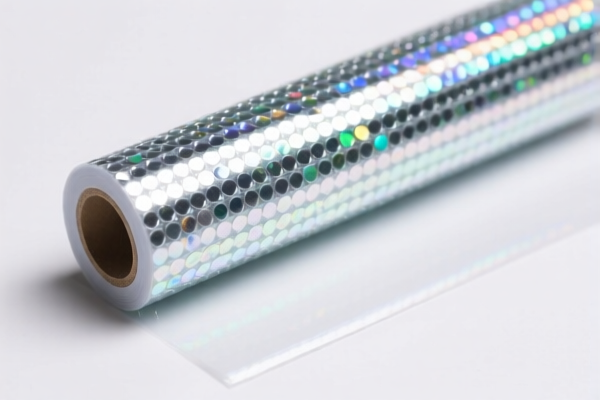
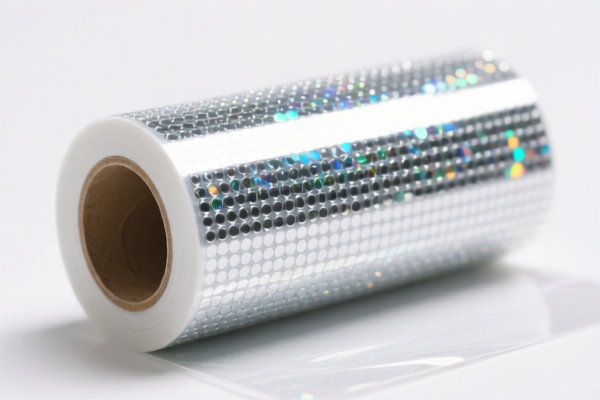
self adhesive plastic construction film roll
CN → US| HS编码 | 关税税率 | 原产国 | 目的国 | 文档 |
|---|---|---|---|---|
| 3919102055 | 40.8% | CN | US | 官方文档 |
| 3919905040 | 40.8% | CN | US | 官方文档 |
| 3920620020 | 39.2% | CN | US | 官方文档 |
| 3920620050 | 39.2% | CN | US | 官方文档 |
| 3919102055 | 40.8% | CN | US | 官方文档 |
商品图片


AI分析
🏗️ Self-Adhesive Plastic Construction Film Roll (Building Films & Tape)
🌐 HS Code Reference & Customs Clearance Guide | 2026 Latest Tariff Analysis | Professional Entry Strategy
📌 1. Product Definition & Classification: What Exactly Are We Importing?
"Self-adhesive Plastic Construction Film Roll" is a broad category that covers various plastic-based adhesive products used in construction, protection, and sealing. In international trade, the classification depends heavily on the specific plastic material (e.g., PET, PVC, PE) and the exact form/function.
Common Variants: * General Plastic Building Films: Often PVC or PE-based, used for moisture barriers or surface protection. * High-Performance PET Films: Polyester-based films, often used for tough surface protection or specialized sealing. * Adhesive Tapes: If the product functions primarily as a tape (even if wide), it may fall under the "adhesive tape" heading.
⚠️ Key Distinction:
- If the product is a broad roll of plastic film with an adhesive coating intended for construction/building applications (general purpose), it often falls under 3919.10.20.55.
- If the product is a high-strength Polyester (PET) film used for specific technical construction purposes (e.g., shoe materials, specific industrial substrates), it may be classified under 3920.62.
- If the product is structurally and functionally identical to transparent adhesive tape, it falls under 3919.90.50.40.
📦 2. HS Code Classification Matrix (2026 Latest Tariff Authority)
| HS Code | Product Description | Application Scenario | Material Form |
|---|---|---|---|
3919.10.20.55 |
Self-adhesive plastic building film rolls, flat shape | General construction films, protective wraps, moisture barriers | Plastic Roll/Film |
3919.90.50.40 |
Self-adhesive plastic products, consistent with transparent tape attributes | Adhesive tapes, sealing tapes, wide adhesive films | Plastic Roll/Film |
3920.62.00.20 |
Plastic films (Polyester/PET), used for footwear/construction materials | High-strength PET films, shoe materials, industrial substrates | Plastic Roll/Film |
3920.62.00.50 |
Special functional PET films, self-adhesive, specific use | High-performance adhesive films, technical polyester films | Plastic Roll/Film |
3919.10.20.55 |
Catch-all: Plastic self-adhesive film rolls | Other plastic adhesive films not specifically categorized elsewhere | Plastic Roll/Film |
🔍 Crucial Note:
- 3919.10 is the general heading for "Self-adhesive plates, sheets, film, foil, tape, strip and other shapes."
- 3920.62 is specific to "Other plates, sheets, film, foil and strip, of polyesters."
- Misclassification between3919(Adhesive specific) and3920(Material specific) can lead to significant discrepancies in duty assessment due to different base rates.
💰 3. 2026 Latest Tariff Rate Breakdown (Including Additional Duties)
✅ Applicable Country: United States (US)
✅ Origin: China (CN)
✅ Effective Date: November 10, 2025 onwards (for subsequent imports)
🎯 1. HS Code 3919.10.20.55 & 3919.90.50.40 — General Adhesive Films/Tapes
| Item | Detail |
|---|---|
| Base Tariff | 5.8% |
| Section 301 Additional Duty | +25.0% |
| 122 Clause Duty (IEEPA) | +10.0% |
| Total Tax Rate | 40.8% |
| Tax Calculation | CIF Value × 40.8% |
| De Minimis Exemption | ❌ Not Available (deny_de_minimis) |
| Legal Basis Path | USITC:3919.10.20.55 → FOOTNOTE:301 → IEEPA:122 |
📌 Explanation:
- The 5.8% base rate is standard for these plastic articles.
- The 25% Section 301 duty applies to most Chinese-made plastics and adhesive products.
- The 10% "122 Clause" duty is an additional levy targeting specific Chinese imports under Executive Orders.
- Total 40.8% is a significant cost factor. De Minimis (Section 321) is explicitly denied for these codes, meaning even small shipments must pay full duty.
🎯 2. HS Code 3920.62.00.20 & 3920.62.00.50 — Polyester (PET) Films
| Item | Detail |
|---|---|
| Base Tariff | 4.2% |
| Section 301 Additional Duty | +25.0% |
| 122 Clause Duty (IEEPA) | +10.0% |
| Total Tax Rate | 39.2% |
| Tax Calculation | CIF Value × 39.2% |
| De Minimis Exemption | ❌ Not Available (deny_de_minimis) |
| Legal Basis Path | USITC:3920.62.00.20 → FOOTNOTE:301 → IEEPA:122 |
📌 Note:
- 39.2% is slightly lower than the 40.8% for general adhesive films because the base rate is lower (4.2% vs 5.8%).
- This classification is valid only if the product is definitively made of Polyester (PET) and meets the specific description of "other plates, sheets, film..."
- If the product is PVC or PE, it cannot use this code. Misclassification as PET when it is PVC is a high-risk compliance error.
🛠️ 4. Customs Clearance Practical Advice (Avoid Pitfalls)
✅ 1. Documentation Checklist (Mandatory)
| Document | Required? | Description |
|---|---|---|
| ✅ Product Specification Sheet | ✔️ | Must detail: Material Composition (PVC/PET/PE), Adhesive Type, Thickness, Width, Roll Length. |
| ✅ Commercial Invoice | ✔️ | Clear description: "Self-Adhesive Plastic Construction Film Roll." Avoid vague terms like "Plastic Sheet." |
| ✅ Packing List | ✔️ | Detail roll dimensions and weight. |
| ✅ Material Safety Data Sheet (MSDS) | ✔️ | For adhesive components, especially if solvents are used. |
| ✅ Certificate of Origin (CO) | ✔️ | Essential to prove Chinese origin for duty calculation. |
| ✅ Test Reports | ✔️ | If claiming PET material, provide lab reports confirming polymer type. |
✅ 2. Declaration Strategy (Key Tips)
🔥 “Material First, Form Second, Adhesive Third!”
| Scenario | Correct Declaration | Wrong Practice |
|---|---|---|
| General Building Film (PVC/PE) | 3919.10.20.55 |
Calling it "Tape" → Risk of 3919.90 scrutiny |
| Adhesive Tape (Wide) | 3919.90.50.40 |
Calling it "Film" → Risk of 3919.10 scrutiny |
| High-Strength PET Film | 3920.62.00.20/50 |
Calling it "General Film" → Misses potential base rate optimization |
| Mixed Rolls | Split Declaration | Declaring all as one code → Customs seizure |
📌 Important:
- If the product is PET, always verify with lab tests. Customs may request chemical analysis.
- If the product is PVC or PE, do not use3920.62(which is exclusively for polyesters). Use3919.10.20.55or3919.90.50.40.
✅ 3. Special Circumstances
| Situation | Recommendation |
|---|---|
| OEM Custom Film | Provide customer specs and material certs. Avoid generic names. |
| Sample Shipments | No De Minimis! Even small samples are subject to 39.2%-40.8% duty. Factor this into cost. |
| Multi-Material Rolls | If layers are different (e.g., PET backing with PVC adhesive), consult a specialist. Often classified by the essential character or the primary layer. |
🌍 5. Global Market Comparison (2026 Latest)
| Country/Region | Recommended HS Code | Tariff (China Origin) | Certification | Notes |
|---|---|---|---|---|
| 🇺🇸 USA | 3919.10.20.55 / 3920.62.00.20 |
39.2% - 40.8% | None Specific | High Duty! 122 Clause applies. De Minimis denied. |
| 🇨🇳 China | 3919.10.20.55 / 3920.62.00.20 |
~5-6% | N/A | Low duty, high domestic consumption. |
| 🇪🇺 EU | 3919.10 / 3920.62 |
~5-6% | REACH | No Section 301 equivalent. |
| 🇬🇧 UK | 3919.10 / 3920.62 |
~5-6% | UKCA | Post-Brexit tariffs similar to EU. |
| 🇯🇵 Japan | 3919.10 / 3920.62 |
~3-5% | PSE (if electrical) | Competitive market. |
📌 Conclusion:
- The US is the most expensive market due to Section 301 + 122 Clause duties.
- EU/Asia have significantly lower barriers, making them more favorable for non-PET films.
- Strategy: For US imports, consider Supply Chain Diversification (e.g., sourcing from Vietnam/Malaysia if possible) to avoid US-China tariffs.
📌 6. Common Errors & Pitfalls (Lessons Learned)
❌ Error 1: Declaring PVC Film as PET Film (3920.62) to save 1.6% duty.
👉 Consequence: Customs lab test reveals PVC → Seizure, Fine, and Back Taxes.
❌ Error 2: Using De Minimis (Section 321) for small samples of 3919.10.20.55.
👉 Consequence: Entry Refused/Delayed. These codes are explicitly excluded from $800 de minimis.
❌ Error 3: Vague Description: "Plastic Roll."
👉 Consequence: Customs cannot classify → Valuation Inquiry, Audit Risk, and Delay.
✅ Correct Declaration Example:
"Self-Adhesive Polyvinyl Chloride (PVC) Construction Film Roll, Width 48in, Thickness 0.5mm, for Moisture Barrier Use, Model ABC-123"
🎯 7. Conclusion: Precise Classification Saves Money!
🎯 Remember the Golden Rules:
🔹 "PET gets 39.2%, PVC/General gets 40.8%."
🔹 "No De Minimis! Pay up on every shipment."
🔹 "Verify Material! Don't guess PET if it's PVC."
📌 Pro Tip:
If you are importing large volumes to the US, consider:
1. Advance Ruling: Request a binding ruling from CBP to confirm HS Code before shipping.
2. Supply Chain Audit: Ensure your suppliers can provide accurate material composition reports.
3. Cost-Benefit Analysis: With 40%+ duties, factor this into your landed cost. Consider if local sourcing or third-country manufacturing is viable.
📣 Immediate Action:
📞 Consult a Customs Broker for pre-classification.
📄 Prepare Material Safety Data Sheets (MSDS).
🚀 Plan for Higher Duties in your US pricing strategy.
✨ Professional Clearance Starts with Accurate Classification!
💼 Your Margins Depend on Precision!
用户评价
关于 HS 编码归类
协调制度(HS)是由世界海关组织(WCO)制定的国际贸易商品分类标准。全球 200 多个国家采用 HS 系统作为海关关税、贸易统计和进出口监管的基础。
每个 HS 编码遵循以下层级结构:
- 章(2 位)——商品大类(例如:第 84 章:机器和机械设备)
- 品目(4 位)——章内的更具体分类
- 子目(6 位)——国际通用细分,所有 WCO 成员国统一使用
- 本国细分(8-10 位)——各国自行扩展的细分编码,如美国 HTSUS 10 位编码
正确的 HS 编码归类对于顺利通关、准确缴纳关税和遵守贸易法规至关重要。错误归类可能导致海关延误、多缴关税或罚款。
从CN进口到US时,适用的关税税率可能包括:
- 最惠国(MFN)税率——适用于 WTO 成员国的标准关税税率
- 普通税率——适用于无贸易协定国家
- 贸易救济关税——附加关税,如 301 条款(反倾销)、232 条款(国家安全)或反补贴税
本页内容仅供参考。如需正式归类,请咨询当地海关或持牌报关代理。