self adhesive plastic construction film roll
CN → US| HS Code | Tariff Rate | Origin | Destination | Doc |
|---|---|---|---|---|
| 3919102055 | 40.8% | CN | US | Official Doc |
| 3919905040 | 40.8% | CN | US | Official Doc |
| 3920620020 | 39.2% | CN | US | Official Doc |
| 3920620050 | 39.2% | CN | US | Official Doc |
| 3919102055 | 40.8% | CN | US | Official Doc |
Product Images


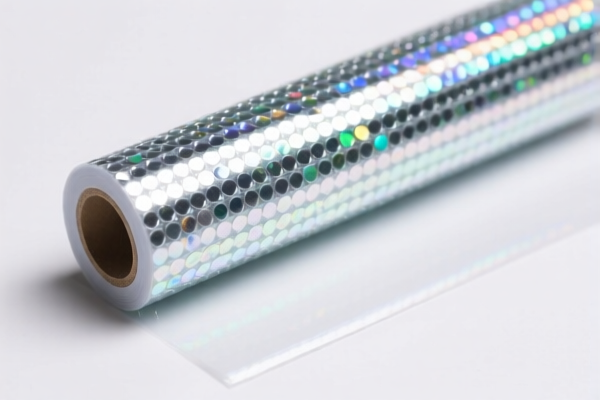
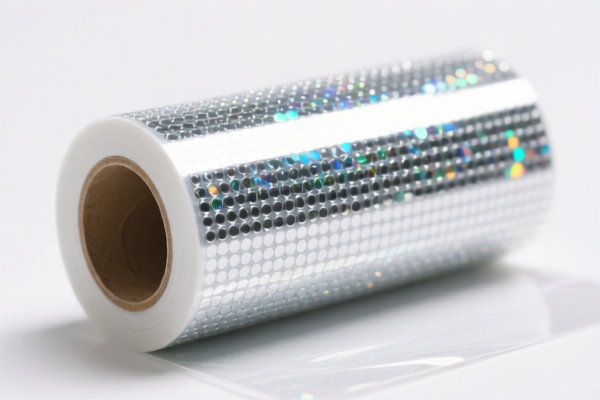
AI Analysis
🏗️ Self-Adhesive Plastic Construction Film Roll (Building Films & Tape)
🌐 HS Code Reference & Customs Clearance Guide | 2026 Latest Tariff Analysis | Professional Entry Strategy
📌 1. Product Definition & Classification: What Exactly Are We Importing?
"Self-adhesive Plastic Construction Film Roll" is a broad category that covers various plastic-based adhesive products used in construction, protection, and sealing. In international trade, the classification depends heavily on the specific plastic material (e.g., PET, PVC, PE) and the exact form/function.
Common Variants: * General Plastic Building Films: Often PVC or PE-based, used for moisture barriers or surface protection. * High-Performance PET Films: Polyester-based films, often used for tough surface protection or specialized sealing. * Adhesive Tapes: If the product functions primarily as a tape (even if wide), it may fall under the "adhesive tape" heading.
⚠️ Key Distinction:
- If the product is a broad roll of plastic film with an adhesive coating intended for construction/building applications (general purpose), it often falls under 3919.10.20.55.
- If the product is a high-strength Polyester (PET) film used for specific technical construction purposes (e.g., shoe materials, specific industrial substrates), it may be classified under 3920.62.
- If the product is structurally and functionally identical to transparent adhesive tape, it falls under 3919.90.50.40.
📦 2. HS Code Classification Matrix (2026 Latest Tariff Authority)
| HS Code | Product Description | Application Scenario | Material Form |
|---|---|---|---|
3919.10.20.55 |
Self-adhesive plastic building film rolls, flat shape | General construction films, protective wraps, moisture barriers | Plastic Roll/Film |
3919.90.50.40 |
Self-adhesive plastic products, consistent with transparent tape attributes | Adhesive tapes, sealing tapes, wide adhesive films | Plastic Roll/Film |
3920.62.00.20 |
Plastic films (Polyester/PET), used for footwear/construction materials | High-strength PET films, shoe materials, industrial substrates | Plastic Roll/Film |
3920.62.00.50 |
Special functional PET films, self-adhesive, specific use | High-performance adhesive films, technical polyester films | Plastic Roll/Film |
3919.10.20.55 |
Catch-all: Plastic self-adhesive film rolls | Other plastic adhesive films not specifically categorized elsewhere | Plastic Roll/Film |
🔍 Crucial Note:
- 3919.10 is the general heading for "Self-adhesive plates, sheets, film, foil, tape, strip and other shapes."
- 3920.62 is specific to "Other plates, sheets, film, foil and strip, of polyesters."
- Misclassification between3919(Adhesive specific) and3920(Material specific) can lead to significant discrepancies in duty assessment due to different base rates.
💰 3. 2026 Latest Tariff Rate Breakdown (Including Additional Duties)
✅ Applicable Country: United States (US)
✅ Origin: China (CN)
✅ Effective Date: November 10, 2025 onwards (for subsequent imports)
🎯 1. HS Code 3919.10.20.55 & 3919.90.50.40 — General Adhesive Films/Tapes
| Item | Detail |
|---|---|
| Base Tariff | 5.8% |
| Section 301 Additional Duty | +25.0% |
| 122 Clause Duty (IEEPA) | +10.0% |
| Total Tax Rate | 40.8% |
| Tax Calculation | CIF Value × 40.8% |
| De Minimis Exemption | ❌ Not Available (deny_de_minimis) |
| Legal Basis Path | USITC:3919.10.20.55 → FOOTNOTE:301 → IEEPA:122 |
📌 Explanation:
- The 5.8% base rate is standard for these plastic articles.
- The 25% Section 301 duty applies to most Chinese-made plastics and adhesive products.
- The 10% "122 Clause" duty is an additional levy targeting specific Chinese imports under Executive Orders.
- Total 40.8% is a significant cost factor. De Minimis (Section 321) is explicitly denied for these codes, meaning even small shipments must pay full duty.
🎯 2. HS Code 3920.62.00.20 & 3920.62.00.50 — Polyester (PET) Films
| Item | Detail |
|---|---|
| Base Tariff | 4.2% |
| Section 301 Additional Duty | +25.0% |
| 122 Clause Duty (IEEPA) | +10.0% |
| Total Tax Rate | 39.2% |
| Tax Calculation | CIF Value × 39.2% |
| De Minimis Exemption | ❌ Not Available (deny_de_minimis) |
| Legal Basis Path | USITC:3920.62.00.20 → FOOTNOTE:301 → IEEPA:122 |
📌 Note:
- 39.2% is slightly lower than the 40.8% for general adhesive films because the base rate is lower (4.2% vs 5.8%).
- This classification is valid only if the product is definitively made of Polyester (PET) and meets the specific description of "other plates, sheets, film..."
- If the product is PVC or PE, it cannot use this code. Misclassification as PET when it is PVC is a high-risk compliance error.
🛠️ 4. Customs Clearance Practical Advice (Avoid Pitfalls)
✅ 1. Documentation Checklist (Mandatory)
| Document | Required? | Description |
|---|---|---|
| ✅ Product Specification Sheet | ✔️ | Must detail: Material Composition (PVC/PET/PE), Adhesive Type, Thickness, Width, Roll Length. |
| ✅ Commercial Invoice | ✔️ | Clear description: "Self-Adhesive Plastic Construction Film Roll." Avoid vague terms like "Plastic Sheet." |
| ✅ Packing List | ✔️ | Detail roll dimensions and weight. |
| ✅ Material Safety Data Sheet (MSDS) | ✔️ | For adhesive components, especially if solvents are used. |
| ✅ Certificate of Origin (CO) | ✔️ | Essential to prove Chinese origin for duty calculation. |
| ✅ Test Reports | ✔️ | If claiming PET material, provide lab reports confirming polymer type. |
✅ 2. Declaration Strategy (Key Tips)
🔥 “Material First, Form Second, Adhesive Third!”
| Scenario | Correct Declaration | Wrong Practice |
|---|---|---|
| General Building Film (PVC/PE) | 3919.10.20.55 |
Calling it "Tape" → Risk of 3919.90 scrutiny |
| Adhesive Tape (Wide) | 3919.90.50.40 |
Calling it "Film" → Risk of 3919.10 scrutiny |
| High-Strength PET Film | 3920.62.00.20/50 |
Calling it "General Film" → Misses potential base rate optimization |
| Mixed Rolls | Split Declaration | Declaring all as one code → Customs seizure |
📌 Important:
- If the product is PET, always verify with lab tests. Customs may request chemical analysis.
- If the product is PVC or PE, do not use3920.62(which is exclusively for polyesters). Use3919.10.20.55or3919.90.50.40.
✅ 3. Special Circumstances
| Situation | Recommendation |
|---|---|
| OEM Custom Film | Provide customer specs and material certs. Avoid generic names. |
| Sample Shipments | No De Minimis! Even small samples are subject to 39.2%-40.8% duty. Factor this into cost. |
| Multi-Material Rolls | If layers are different (e.g., PET backing with PVC adhesive), consult a specialist. Often classified by the essential character or the primary layer. |
🌍 5. Global Market Comparison (2026 Latest)
| Country/Region | Recommended HS Code | Tariff (China Origin) | Certification | Notes |
|---|---|---|---|---|
| 🇺🇸 USA | 3919.10.20.55 / 3920.62.00.20 |
39.2% - 40.8% | None Specific | High Duty! 122 Clause applies. De Minimis denied. |
| 🇨🇳 China | 3919.10.20.55 / 3920.62.00.20 |
~5-6% | N/A | Low duty, high domestic consumption. |
| 🇪🇺 EU | 3919.10 / 3920.62 |
~5-6% | REACH | No Section 301 equivalent. |
| 🇬🇧 UK | 3919.10 / 3920.62 |
~5-6% | UKCA | Post-Brexit tariffs similar to EU. |
| 🇯🇵 Japan | 3919.10 / 3920.62 |
~3-5% | PSE (if electrical) | Competitive market. |
📌 Conclusion:
- The US is the most expensive market due to Section 301 + 122 Clause duties.
- EU/Asia have significantly lower barriers, making them more favorable for non-PET films.
- Strategy: For US imports, consider Supply Chain Diversification (e.g., sourcing from Vietnam/Malaysia if possible) to avoid US-China tariffs.
📌 6. Common Errors & Pitfalls (Lessons Learned)
❌ Error 1: Declaring PVC Film as PET Film (3920.62) to save 1.6% duty.
👉 Consequence: Customs lab test reveals PVC → Seizure, Fine, and Back Taxes.
❌ Error 2: Using De Minimis (Section 321) for small samples of 3919.10.20.55.
👉 Consequence: Entry Refused/Delayed. These codes are explicitly excluded from $800 de minimis.
❌ Error 3: Vague Description: "Plastic Roll."
👉 Consequence: Customs cannot classify → Valuation Inquiry, Audit Risk, and Delay.
✅ Correct Declaration Example:
"Self-Adhesive Polyvinyl Chloride (PVC) Construction Film Roll, Width 48in, Thickness 0.5mm, for Moisture Barrier Use, Model ABC-123"
🎯 7. Conclusion: Precise Classification Saves Money!
🎯 Remember the Golden Rules:
🔹 "PET gets 39.2%, PVC/General gets 40.8%."
🔹 "No De Minimis! Pay up on every shipment."
🔹 "Verify Material! Don't guess PET if it's PVC."
📌 Pro Tip:
If you are importing large volumes to the US, consider:
1. Advance Ruling: Request a binding ruling from CBP to confirm HS Code before shipping.
2. Supply Chain Audit: Ensure your suppliers can provide accurate material composition reports.
3. Cost-Benefit Analysis: With 40%+ duties, factor this into your landed cost. Consider if local sourcing or third-country manufacturing is viable.
📣 Immediate Action:
📞 Consult a Customs Broker for pre-classification.
📄 Prepare Material Safety Data Sheets (MSDS).
🚀 Plan for Higher Duties in your US pricing strategy.
✨ Professional Clearance Starts with Accurate Classification!
💼 Your Margins Depend on Precision!
Customer Reviews
About HS Code Classification
The Harmonized System (HS) is an internationally standardized nomenclature developed by the World Customs Organization (WCO) to classify traded products. Over 200 countries use the HS system as the basis for customs tariffs, trade statistics, and import/export regulations.
Each HS code follows a hierarchical structure:
- Chapter (2 digits) — Broad category of goods (e.g., Chapter 84: Machinery and Mechanical Appliances)
- Heading (4 digits) — More specific grouping within the chapter
- Subheading (6 digits) — Internationally standardized breakdown, used by all WCO member countries
- National subdivisions (8-10 digits) — Country-specific extensions for further classification, such as US HTSUS 10-digit codes
Correct HS code classification is essential for smooth customs clearance, accurate duty payment, and compliance with trade regulations. Misclassification can lead to customs delays, overpayment of duties, or penalties.
When importing from CN to US, the applicable tariff rates may include:
- Most-Favored-Nation (MFN) rate — The standard duty rate applied to WTO members
- General rate — Applied to countries without trade agreements
- Trade remedy duties — Additional tariffs such as Section 301 (anti-dumping), Section 232 (national security), or countervailing duties
The information provided on this page is for reference purposes only. For official classification, please consult with your local customs authority or a licensed customs broker.