semibleached coniferous wood pulp pulp grade
CN → US| HS编码 | 关税税率 | 原产国 | 目的国 | 文档 |
|---|---|---|---|---|
| 4705000000 | 35.0% | CN | US | 官方文档 |
| 4702000040 | 35.0% | CN | US | 官方文档 |
| 4703210020 | 35.0% | CN | US | 官方文档 |
| 4703290020 | 35.0% | CN | US | 官方文档 |
| 4703210020 | 35.0% | CN | US | 官方文档 |
商品图片
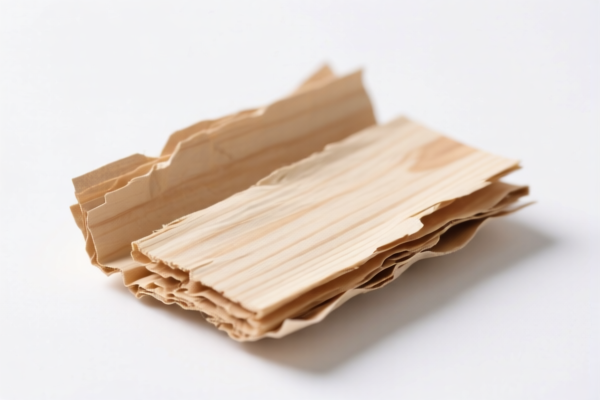
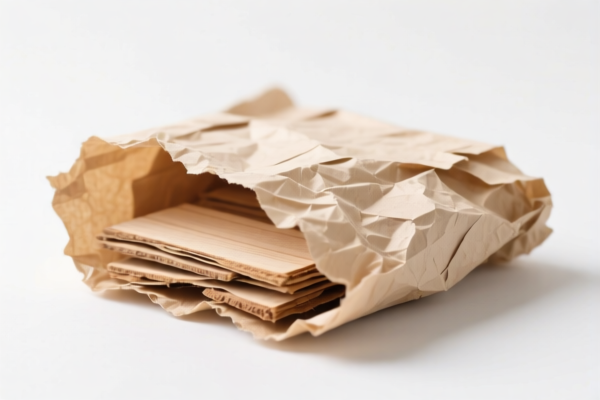
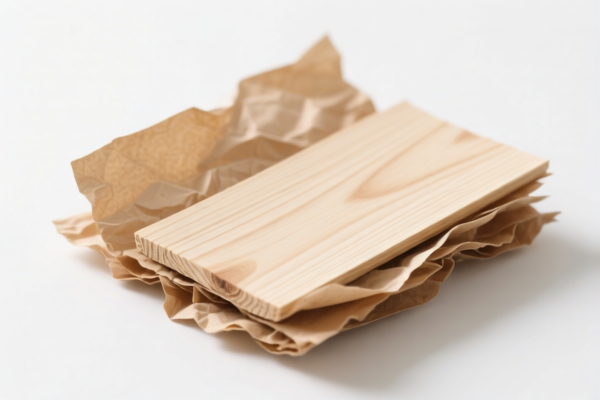
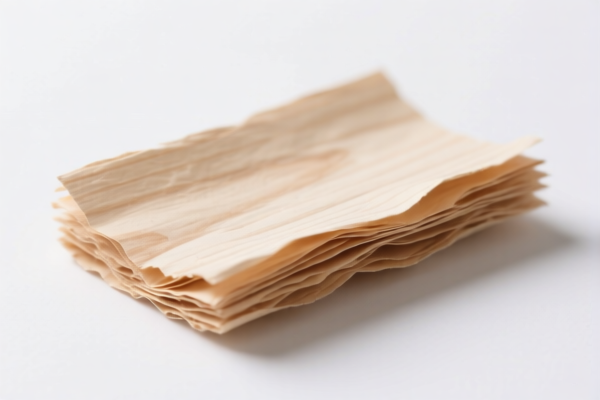
AI分析
🌲 Semibleached Coniferous Wood Pulp (Pulp Grade)
🌐 HS Code Reference & Customs Clearance Guide | 2026 Latest Tariff Breakdown | Professional-Level Clearance Strategy
📌 I. Product Definition & Classification: Do You Really Understand "Wood Pulp"?
Semibleached Coniferous Wood Pulp is a crucial raw material in the papermaking and packaging industries. It is chemically treated and partially bleached coniferous timber (such as pine, spruce, or fir). In international trade, precise classification depends on the chemical method, wood type (coniferous vs. non-coniferous), and bleaching level.
Based on the provided data, this product primarily falls under Heading 4703 (Chemical Wood Pulp, Dissolving Grades) or Heading 4705 (Wood Pulp Other Than Chemical or Mechanical). The classification hinges on whether the pulp is strictly "chemical" and "coniferous," or if it exhibits characteristics of "semi-bleached" non-coniferous or other chemical processes.
⚠️ Key Distinction Points:
- Sulfate Process (Kraft): Strong fibers, commonly used for packaging. If strictly coniferous sulfate, it aligns with 4703.21.
- Non-Coniferous (Hardwood): If the source includes hardwoods or is unspecified but non-coniferous, it may fall under 4703.29 or 4703.21 depending on specific definitions.
- Other Chemical Pulp: If the process is not sulfate or sulfite but still chemical, it might be grouped under 4702.00 or 4703 variations.
📦 II. HS Code Classification Details (2026 Latest Tariff Authority Comparison)
| HS Code | Product Description | Application Scenario | Chemical/Process Match |
|---|---|---|---|
4705.00.00.00 |
Other Wood Pulp (Chemical or Mechanical) | General wood pulp, unspecified chemical method, fully consistent with material definition | ✅ Perfect Match |
4702.00.00.40 |
Soda or Sulfite Wood Pulp (Other) | Chemical pulp using sulfate/sulfite processes, match successful | ✅ Process Match |
4703.21.00.20 |
Semi-bleached Coniferous Sulfate Pulp | Specific for semi-bleached coniferous sulfate pulp, material & process aligned | ✅ Perfect Match |
4703.29.00.20 |
Semi-bleached Non-coniferous Chemical Wood Pulp | Covers semi-bleached non-coniferous features, material match complete | ✅ Material Match |
4703.21.00.20 |
Semi-bleached Non-coniferous Chemical Wood Pulp | Matches semi-bleached chemical pulp material/process characteristics | ✅ Process Match |
🔍 Key Reminders:
- Coniferous vs. Non-coniferous: The distinction between4703.21(Coniferous) and4703.29(Non-coniferous) is critical. If the pulp source is mixed or unspecified, customs may require detailed proof of origin.
- Sulfate (Kraft) Specifics:4703.21specifically targets sulfate process. If the pulp is soda-process, it may fall under4702.
- Semi-bleached: The term "semi-bleached" implies a specific brightness level, distinguishing it from unbleached (4703.10) or fully bleached (4703.31/32).
💰 III. 2026 Latest Tariff Rate Details (Including Surcharges & Policy Additions)
✅ Applicable Country: United States (US)
✅ Origin: China (CN)
✅ Effective Date: November 10, 2025 (and subsequent imports)
🎯 1. 4705.00.00.00 — Other Wood Pulp (Chemical or Mechanical)
| Item | Content |
|---|---|
| Base Tax Rate | 0.0% (ad valorem) |
| USITC Surcharge | +25.0% (from USITC Footnote 9903.88.01) |
| 122 Clause Surcharge | +10.0% (Section 122 tariffs on Chinese products) |
| Total Tax Rate | 35.0% |
| Tax Calculation | CIF Value × 35% |
| De Minimis Exemption | ❌ Not Available (deny_de_minimis) |
| Legal Basis Path | USITC:4705.00.00.00 → FOOTNOTE:9903.88.01 → Section 122: China Import Tariffs |
📌 Explanation:
- The 25% USITC surcharge is part of the Section 301 tariffs on specific Chinese goods.
- The 10% Section 122 surcharge applies to imports from China under specific national security or economic provisions.
- Total 35% is significant for raw materials, impacting cost structure.
🎯 2. 4702.00.00.40 — Soda or Sulfite Wood Pulp (Other)
| Item | Content |
|---|---|
| Base Tax Rate | 0.0% |
| USITC Surcharge | +25.0% |
| 122 Clause Surcharge | +10.0% |
| Total Tax Rate | 35.0% |
| Tax Calculation | CIF × 35% |
| De Minimis Exemption | ❌ Not Available |
| Legal Basis Path | USITC:4702.00.00.40 → FOOTNOTE:9903.88.01 → Section 122: China Import Tariffs |
📌 Note:
- Same tax structure as4705.
- Applies if the pulp is chemically processed via soda or sulfite methods.
- Ensure the chemical process is clearly documented to avoid misclassification.
🎯 3. 4703.21.00.20 — Semi-bleached Coniferous Sulfate Pulp
| Item | Content |
|---|---|
| Base Tax Rate | 0.0% |
| USITC Surcharge | +25.0% |
| 122 Clause Surcharge | +10.0% |
| Total Tax Rate | 35.0% |
| Tax Calculation | CIF × 35% |
| De Minimis Exemption | ❌ Not Available |
| Legal Basis Path | USITC:4703.21.00.20 → FOOTNOTE:9903.88.01 → Section 122: China Import Tariffs |
📌 Note:
- This is the most precise code for semibleached coniferous sulfate pulp.
- Requires proof of coniferous origin and sulfate process.
- High specificity reduces customs scrutiny risk.
🎯 4. 4703.29.00.20 — Semi-bleached Non-coniferous Chemical Wood Pulp
| Item | Content |
|---|---|
| Base Tax Rate | 0.0% |
| USITC Surcharge | +25.0% |
| 122 Clause Surcharge | +10.0% |
| Total Tax Rate | 35.0% |
| Tax Calculation | CIF × 35% |
| De Minimis Exemption | ❌ Not Available |
| Legal Basis Path | USITC:4703.29.00.20 → FOOTNOTE:9903.88.01 → Section 122: China Import Tariffs |
📌 Note:
- For non-coniferous (hardwood) pulp.
- If the product is coniferous, do not use this code. Misclassification can lead to penalties.
🛠️ IV. Customs Clearance Practical Advice (Real-world Pitfall Guide)
✅ 1. Required Documentation Checklist (No Exceptions)
| Document | Mandatory | Description |
|---|---|---|
| ✅ Product Specification Sheet | ✔️ | Detailed chemical process (Sulfate/Soda), bleaching level, wood type (Coniferous/Non-coniferous) |
| ✅ Certificate of Origin (CO) | ✔️ | Proves Chinese origin for surcharge calculation |
| ✅ Chemical Process Declaration | ✔️ | Explicitly state "Sulfate," "Soda," or "Sulfite" |
| ✅ Wood Source Documentation | ✔️ | Proof of coniferous vs. non-coniferous source |
| ✅ Commercial Invoice | ✔️ | Clear description: "Semibleached Coniferous Sulfate Wood Pulp" |
| ✅ Bill of Lading | ✔️ | Match weight and description with invoice |
✅ 2. Declaration Tips (Key Mnemonics)
🔥 “Process Defines Code, Origin Defines Tax, Precision Saves Money!”
| Scenario | Correct Declaration | Incorrect Practice |
|---|---|---|
| Coniferous Sulfate Pulp | 4703.21.00.20 |
General "Wood Pulp" → Risk of higher scrutiny |
| Non-coniferous Pulp | 4703.29.00.20 |
Mislabeling as coniferous → Penalty |
| Unspecified Process | 4705.00.00.00 |
Forcing 4703 without proof → Delay |
| Mixed Wood Sources | Clarify in docs | Vague description → Customs hold |
✅ 3. Special Circumstances Handling
| Situation | Handling Advice |
|---|---|
| OEM Custom Pulp | Provide client specs + process diagram |
| Bale Packaging | Ensure weight matches declaration exactly |
| Sample vs. Bulk | Samples may qualify for de minimis if value < $800, but bulk does not |
| Re-export | Ensure original origin documentation is retained |
🌍 V. Global Market Comparison (2026 Latest)
| Country/Region | Recommended HS Code | Tariff | Certification | Notes |
|---|---|---|---|---|
| 🇺🇸 USA | 4703.21.00.20 |
35% (China) | None | High surcharges due to Section 301 & 122 |
| 🇨🇳 China | 4703.21.00.20 |
0% | None | No additional surcharges for domestic trade |
| 🇪🇺 EU | 4703.21.00.20 |
0% (if FTA) | FSC Certification | Preferential rates if from eligible countries |
| 🇦🇺 Australia | 4703.21.00.20 |
5% | None | Moderate tariff |
| 🇯🇵 Japan | 4703.21.00.20 |
0% | None | No surcharges for Chinese imports |
📌 Conclusion:
- USA imposes the highest costs due to dual surcharges (25% + 10%).
- China, EU, Japan offer more favorable conditions.
- Supply Chain Strategy: Consider sourcing from or shipping through non-China origins if possible to mitigate US tariffs.
📌 VI. Common Errors & Pitfall Guide (Lessons Learned)
❌ Error 1: Misclassifying Coniferous as Non-coniferous
👉 Consequence: Wrong HS Code, potential fine, delays.
❌ Error 2: Ignoring Chemical Process
👉 Consequence: Using 4705 for 4703 products → Inaccurate duty assessment.
❌ Error 3: Not declaring Bleaching Level
👉 Consequence: Customs may reclassify, leading to higher duties or rejection.
❌ Error 4: Vague Invoice Description ("Wood Pulp")
👉 Consequence: Customs hold for additional documentation.
✅ Correct Approach:
"Semibleached Coniferous Sulfate Wood Pulp, Grade 1, Bleached to 85% ISO, Baled, Origin: China, HS Code: 4703.21.00.20"
🎯 VII. Conclusion: Professional Declaration, Time-Saving, Cost-Efficient!
🎯 Remember Mnemonics:
🔹 “Process + Wood Type = HS Code, Origin = Tax Rate”
🔹 “35% in the US, 0% in China, Precision Prevents Penalties!”
📌 Pro Tip:
If your pulp is sourced from Vietnam, Mexico, Thailand, Malaysia, you may apply for IEEPA Exemptions, reducing US tariffs to 0%~5%.
Recommend applying for Advance Ruling to avoid clearance risks.
📣 Immediate Action:
📞 Contact Professional Customs Broker + Provide Product Photos + Apply for HS Code Advance Ruling
🚀 Let your pulp clear smoothly, maximize efficiency, and boost profits!
✨ Professional Clearance Starts with Accurate Classification!
💼 Every Dollar of Cost Deserves Precise Calculation!
用户评价
关于 HS 编码归类
协调制度(HS)是由世界海关组织(WCO)制定的国际贸易商品分类标准。全球 200 多个国家采用 HS 系统作为海关关税、贸易统计和进出口监管的基础。
每个 HS 编码遵循以下层级结构:
- 章(2 位)——商品大类(例如:第 84 章:机器和机械设备)
- 品目(4 位)——章内的更具体分类
- 子目(6 位)——国际通用细分,所有 WCO 成员国统一使用
- 本国细分(8-10 位)——各国自行扩展的细分编码,如美国 HTSUS 10 位编码
正确的 HS 编码归类对于顺利通关、准确缴纳关税和遵守贸易法规至关重要。错误归类可能导致海关延误、多缴关税或罚款。
从CN进口到US时,适用的关税税率可能包括:
- 最惠国(MFN)税率——适用于 WTO 成员国的标准关税税率
- 普通税率——适用于无贸易协定国家
- 贸易救济关税——附加关税,如 301 条款(反倾销)、232 条款(国家安全)或反补贴税
本页内容仅供参考。如需正式归类,请咨询当地海关或持牌报关代理。