shirt cufflinks
CN → US| HS编码 | 关税税率 | 原产国 | 目的国 | 文档 |
|---|---|---|---|---|
| 9606296000 | 37.9% | CN | US | 官方文档 |
| 9606216000 | 39.7% | CN | US | 官方文档 |
| 7113195091 | 15.5% | CN | US | 官方文档 |
| 7113193000 | 23.3% | CN | US | 官方文档 |
| 7117110000 | 25.5% | CN | US | 官方文档 |
商品图片
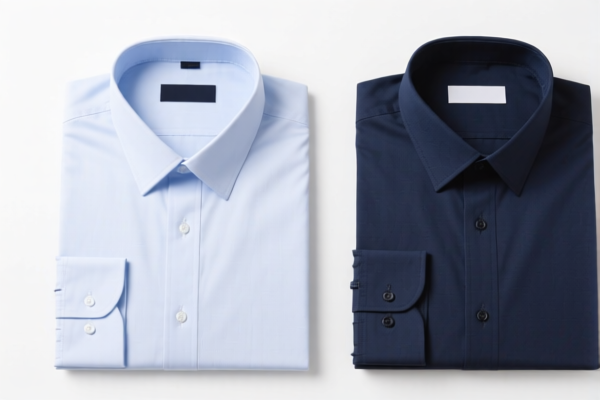
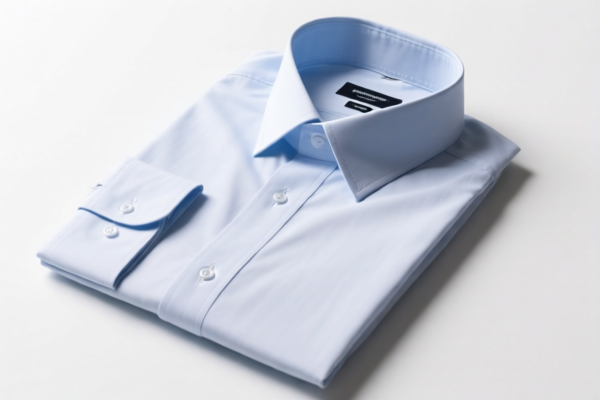
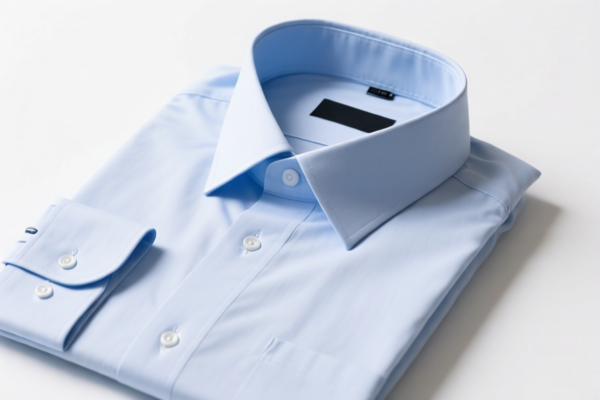
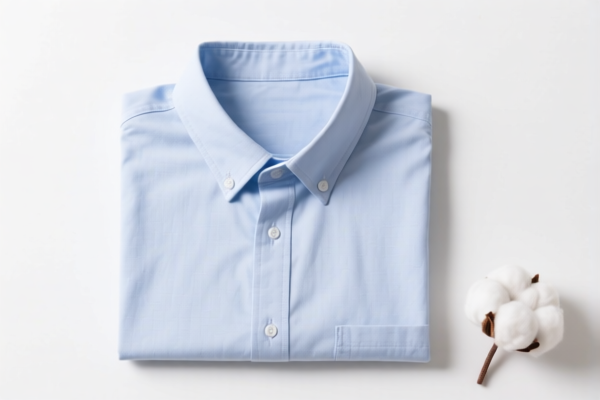
AI分析
🔗 Shirt Cufflinks (Cuff Buttons)
🌐 HS Code Reference & Customs Clearance Guide | 2026 Tax Regime Analysis | Professional Strategy
📌 I. Product Definition & Classification: Do You Know What "Cufflinks" Really Are?
Shirt Cufflinks are decorative fasteners used to join the two sides of a shirt cuff. In international trade, their classification depends heavily on material composition (Plastic, Non-Precious Metal, Precious Metal) and functional intent (Fastener vs. Jewelry).
They fall into two primary logical categories: 1. Fasteners (Buttons/Closures): If viewed strictly as a functional part of clothing (buttons). 2. Jewelry/Accessories: If viewed as ornamental items made of precious metals or stones.
⚠️ Key Distinction Point:
- Material is King: A plastic cufflink is a button; a gold/platinum cufflink is jewelry.
- Form & Function: Does it look like a standard button? Or does it look like a piece of wearable art?
- The "Plastic" Rule: Plastic items often fall under generic buttons, attracting higher punitive tariffs (US Section 232/301).
📦 II. HS Code Classification Details (2026 Authoritative Mapping)
Based on current trade data and the provided tax logic, here are the 5 possible HS Codes for Shirt Cufflinks, ranging from lowest to highest tariff impact.
| HS Code | Classification Logic | Material / Composition | Suitability |
|---|---|---|---|
| 7113.19.50.91 | Jewelry Accessories (Jewelry) | Precious Metal / Gemstones (Generic jewelry niche) | Best for high-value, luxury cufflinks (e.g., Gold, Silver, Diamond-encrusted). |
| 7113.19.30.00 | Jewelry Accessories (Plating) | Gold/Silver Plated (Base metal) | Good for "Costume Jewelry" style made of base metal with precious plating. |
| 7117.11.00.00 | Base Metal Jewelry | Non-Precious Metal (Iron, Zinc, Brass) | Best for standard "business" cufflinks made of standard metals. |
| 9606.29.60.00 | Clothing Fasteners | Any Material (General Button category) | High-risk classification if not clearly jewelry; implies generic button. |
| 9606.21.60.00 | Plastic Buttons | Plastic | Highest Risk: If made of plastic, this is the default "button" category. |
🔍 Critical Logic:
- Jewelry Codes (7113/7117): Generally offer the lowest total tax (15.5% - 25.5%) if the material is clearly non-plastic.
- Button Codes (9606): These attract massive "Add-on" tariffs (25% or 30% total) due to US Section 301/232 restrictions on generic buttons/fasteners.
💰 III. 2026 Tax Rate Deep Dive (Detailed Breakdown)
✅ Target Market: United States (US)
✅ Origin: China (CN)
✅ Regime: Includes Base Tariff + Section 301/232 Add-ons + "122 Clause" (Section 232)
🎯 1. 7113.19.50.91 — LOWEST TAX: Jewelry Category
Why? Classified under "Jewelry" as a generic jewelry accessory. Tax Composition: - Base Duty: 5.5% - Section 301/232 Add-on: 0.0% (No punitive tax on generic jewelry parts) - "122 Clause": 10.0% (New Section 232 penalty)
💰 Total Tax Rate: 15.5%
💡 Analysis: This is the golden classification. If your cufflinks are made of base metal but styled as "jewelry" (e.g., branded, ornamental), this is the target. Avoid the "button" trap.
🎯 2. 7117.11.00.00 — BASE METAL JEWELRY
Why? Specifically for "Base Metal" articles (Iron, Zinc, Copper alloys) used as jewelry. Tax Composition: - Base Duty: 8.0% - Section 301/232 Add-on: 7.5% (Specific to base metal) - "122 Clause": 10.0%
💰 Total Tax Rate: 25.5%
💡 Analysis: A solid choice for standard stainless steel or brass cufflinks. The 7.5% penalty applies to base metals, making it higher than pure jewelry codes but significantly lower than plastic buttons.
🎯 3. 7113.19.30.00 — PRECIOUS METAL PLATING
Why? For items where the base metal is covered in gold or silver (Plated). Tax Composition: - Base Duty: 5.8% - Section 301/232 Add-on: 7.5% - "122 Clause": 10.0%
💰 Total Tax Rate: 23.3%
💡 Analysis: Slightly better than standard base metal due to lower base duty (5.8%), but still carries the base metal penalty. Ideal for "Silver-plated" fashion cufflinks.
🎯 4. 9606.29.60.00 — HIGH TAX: General Buttons
Why? Classified as "Other Buttons" (Clothing fasteners). This triggers the most aggressive US punitive tariffs. Tax Composition: - Base Duty: 2.9% (Low base, but...) - Section 301/232 Add-on: 25.0% (Huge Penalty) - "122 Clause": 10.0%
💰 Total Tax Rate: 37.9%
💡 Analysis: DANGEROUS. Unless the item is clearly a plastic button, do not use this. The 25% penalty is designed to punish generic Chinese fasteners.
🎯 5. 9606.21.60.00 — HIGHEST TAX: Plastic Buttons
Why? Specifically for "Plastic Buttons". The US views plastic fasteners as a strategic target for tariffs. Tax Composition: - Base Duty: 4.7% - Section 301/232 Add-on: 25.0% (Huge Penalty) - "122 Clause": 10.0%
💰 Total Tax Rate: 39.7%
💡 Analysis: WORST CASE SCENARIO. If your product has any plastic component or is wholly plastic, it defaults here. The 25% penalty is non-negotiable.
🛠️ IV. Customs Clearance Strategy & Practical Advice
✅ 1. Material Declaration is Critical
The difference between 15.5% and 39.7% is a 24.2% tax gap. You cannot "hide" the material. - Action: Clearly label the material in your commercial invoice (e.g., "Stainless Steel Cufflinks" vs. "Resin Cufflinks"). - Rule of Thumb: If it's Gold, Silver, or Base Metal, argue for Chapter 71 (Jewelry). - Rule of Thumb: If it's Plastic, you are likely stuck with Chapter 96 (Buttons).
✅ 2. The "Jewelry vs. Fastener" Argument
- Scenario A: You have a luxury silver cufflink with a gemstone.
- Strategy: Classify under 7113.19.50.91.
- Argument: "This is a piece of jewelry intended to be worn, not a functional button to be hidden."
- Scenario B: You have a cheap zinc alloy cufflink.
- Strategy: Classify under 7117.11.00.00.
- Argument: "This is a base metal article of jewelry." DO NOT call it a "Button."
✅ 3. Avoid the "122 Clause" Trap
The 10% "122 Clause" tax applies to ALL the HS codes listed above. - Note: This is a recent Section 232 surcharge (Steel/Aluminum related or general punitive) that applies even to low-tax items. - Implication: Even your best code (15.5%) is now 10% higher than it used to be. Factor this into your pricing immediately.
📌 V. Common Pitfalls & Mistakes (Avoid These!)
| ❌ Mistake | ✅ Consequence | 💡 Correction |
|---|---|---|
| Calling them "Buttons" | Forced into 9606 category (37.9% - 39.7% tax). | Never use the word "Button" on the invoice. Use "Cufflinks" or "Jewelry Accessories". |
| Mixing Plastic & Metal | If plastic is the dominant feature,海关 (Customs) may force 9606.21. | If it's a metal body with plastic inlay, argue for 7117 (Base Metal). |
| Vague Material Description | Customs suspects generic fastener → High penalty. | Be specific: "Stainless Steel," "Silver Plated Zinc," "18k Gold." |
| Ignoring "122 Clause" | Unexpected 10% surcharge on top of base tax. | Calculate Base + Penalty + 10% in your Landed Cost model. |
🌍 VI. Global Market Comparison (Snapshot)
| Market | Best HS Code | Est. Total Duty | Note |
|---|---|---|---|
| 🇺🇸 USA | 7113.19.50.91 |
15.5% | MUST avoid 9606 codes. |
| 🇨🇳 China | 7113.19.50.91 |
5.5% | Low base, no US Section 301. |
| 🇪🇺 EU | 7117.11.00.00 |
~0-2% | Often duty-free for jewelry accessories if value < threshold. |
| 🇯🇵 Japan | 7113.19.50.91 |
8-10% | Moderate tax on jewelry. |
🔑 Key Takeaway: The US is the only market where the distinction between "Jewelry" (Chapter 71) and "Buttons" (Chapter 96) results in a massive tax penalty. In Europe/Asia, the difference is often minor.
🚀 VII. Final Action Plan for Exporters
- Audit Your Inventory: Separate "Plastic Cufflinks" from "Metal Cufflinks".
- Rename Your SKU: Remove "Button" from product titles. Use "Jewelry," "Accessory," or "Fastener (for Clothing - Non-Button)".
- Choose the Right Code:
- Gold/Silver/Jewelry Style: Target 7113.19.50.91 (15.5%).
- Base Metal/Brass: Target 7117.11.00.00 (25.5%).
- Plastic: Prepare for 9606.21.60.00 (39.7%) – Consider raising prices or redesigning.
- Pre-Arrival Ruling: For large shipments, apply for a Binding Tariff Information (BTI) or Advance Ruling from US Customs to confirm your "Jewelry" classification before the container ships.
📌 Pro Tip:
"In the US, a Cufflink is Jewelry (15.5%). A Button is a Fastener (39.7%). One word changes $24,000 in taxes per $100k shipment."
✨ Export with Confidence!
💼 Accurate Classification = Higher Margins.
🚀 Don't let a classification error sink your profit!
用户评价
关于 HS 编码归类
协调制度(HS)是由世界海关组织(WCO)制定的国际贸易商品分类标准。全球 200 多个国家采用 HS 系统作为海关关税、贸易统计和进出口监管的基础。
每个 HS 编码遵循以下层级结构:
- 章(2 位)——商品大类(例如:第 84 章:机器和机械设备)
- 品目(4 位)——章内的更具体分类
- 子目(6 位)——国际通用细分,所有 WCO 成员国统一使用
- 本国细分(8-10 位)——各国自行扩展的细分编码,如美国 HTSUS 10 位编码
正确的 HS 编码归类对于顺利通关、准确缴纳关税和遵守贸易法规至关重要。错误归类可能导致海关延误、多缴关税或罚款。
从CN进口到US时,适用的关税税率可能包括:
- 最惠国(MFN)税率——适用于 WTO 成员国的标准关税税率
- 普通税率——适用于无贸易协定国家
- 贸易救济关税——附加关税,如 301 条款(反倾销)、232 条款(国家安全)或反补贴税
本页内容仅供参考。如需正式归类,请咨询当地海关或持牌报关代理。