slow cooker divider
CN → US| HS编码 | 关税税率 | 原产国 | 目的国 | 文档 |
|---|---|---|---|---|
| 3924104000 | 13.4% | CN | US | 官方文档 |
| 3924103000 | 22.8% | CN | US | 官方文档 |
| 7323999030 | 88.4% | CN | US | 官方文档 |
| 7323930045 | 62.0% | CN | US | 官方文档 |
| 6912004810 | 19.8% | CN | US | 官方文档 |
| 6912002000 | 38.0% | CN | US | 官方文档 |
商品图片
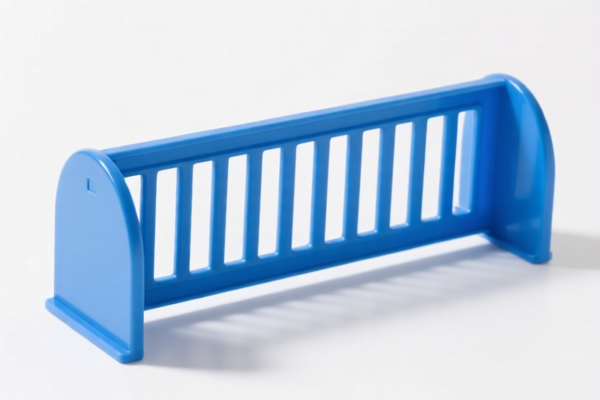
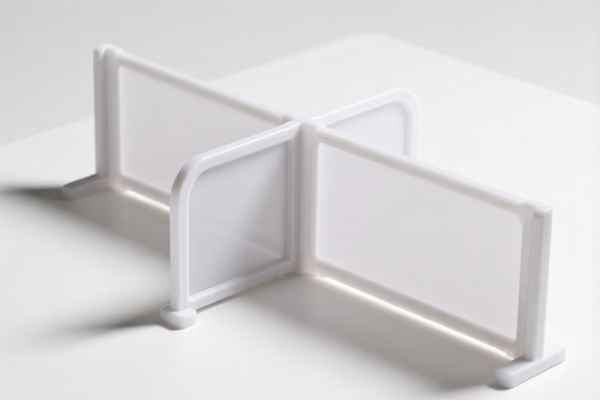
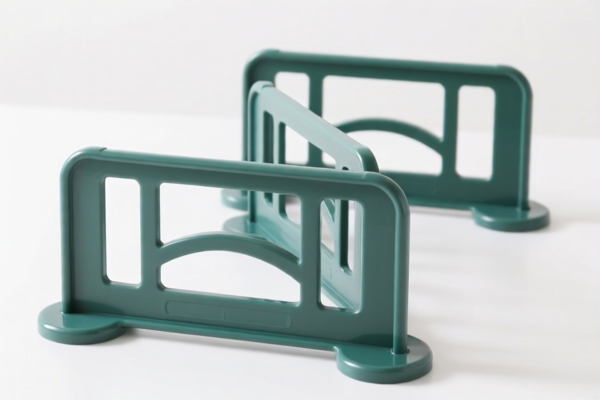
AI分析
🍲 Slow Cooker Divider: Precision HS Classification & US Import Tariff Strategy (2026)
🌐 HS Code Reference & Clearance Guide | 2026 Latest Tariff Analysis | Professional-Level Customs Strategy
📌 Part I: Product Definition & Classification – Do You Really Know What a "Slow Cooker Divider" Is?
A Slow Cooker Divider is typically a plastic or stainless steel insert used within a slow cooker (crockpot) to separate two different types of food, allowing for dual-flavor cooking in a single appliance. It is considered a "part/accessory of kitchenware" or "household article" depending on its material and completeness.
⚠️ Critical Distinction:
- If the divider is plastic and sold as a standalone household item or part of a set → It falls under Chapter 39 (Plastics).
- If the divider is stainless steel and designed for food contact → It falls under Chapter 73 (Iron/Steel Articles).
- If it is ceramic, it falls under Chapter 69 (Ceramics).🚫 Note: The provided
<DATA>does not include specific HS codes for "dividers" as a separate category. Instead, dividers are classified under general tableware/kitchenware subheadings based on their material and function (food contact).
📦 Part II: HS Code Classification Details (Based on Provided DATA)
Since the <DATA> does not list "divider" explicitly, we must map the slow cooker divider to the most appropriate tableware/kitchenware category based on its material.
🟢 Scenario A: Plastic Slow Cooker Divider
Recommended HS Code: 3924.10.40.00
Description: Tableware, kitchenware, other household articles and hygienic or toilet articles, of plastics: Tableware and kitchenware: Other
- Why This Code?: A plastic divider is a kitchenware article made of plastic. Since "divider" is not specifically listed, it falls under "Other" in the plastic tableware/kitchenware category.
- Alternative (If It’s a Tray/Insert): If the divider is shaped like a tray or insert plate, it may fall under:
- HS Code:
3924.10.30.00 - Description: Tableware and kitchenware: Trays
🟡 Scenario B: Stainless Steel Slow Cooker Divider
Recommended HS Code: 7323.93.00.45
Description: Table, kitchen or other household articles... of iron or steel: Other: Of stainless steel: Cooking and kitchen ware: Other: Cooking ware: Other
- Why This Code?: A stainless steel divider used for cooking/food separation is classified as stainless steel cooking ware.
- Alternative (If It’s a General Household Article): If it’s not strictly "cooking ware" but a household accessory:
- HS Code:
7323.99.90.30 - Description: Other: Other: Not coated or plated with precious metal: Other: Other Kitchen or tableware suitable for food or drink contact
🔴 Scenario C: Ceramic Slow Cooker Divider
Recommended HS Code: 6912.00.48.10
Description: Ceramic tableware... other than of porcelain or china: Tableware and kitchenware: Other: Other: Other: Other: Other Suitable for food or drink contact
- Why This Code?: Ceramic dividers used for food contact fall under non-porcelain ceramic tableware/kitchenware.
💰 Part III: 2026 Latest Tariff Rate Breakdown (US Imports from China)
✅ Applicable Country: United States (US)
✅ Origin: China (CN)
✅ Effective Date: 2025–2026 (Current Trade Policy)
🎯 1. Plastic Slow Cooker Divider
| Item | Details |
|---|---|
| HS Code | 3924.10.40.00 (Other plastic kitchenware) |
| Base Tariff | 3.4% |
| Additional Tariff | 0.0% (No Section 301 tariff applied to this subheading) |
| Total Tariff | 3.4% |
| Legal Basis | Standard USITC rate for plastic tableware/kitchenware |
| De Minimis Eligibility | ✅ Yes (If value < $800, can enter under Section 321) |
| Note | If classified as Tray (3924.10.30.00): |
| - Base: 5.3% | |
| - Additional: 7.5% | |
| - Total: 12.8% |
📌 Explanation:
- Plastic kitchenware generally enjoys low tariffs.
- Avoid misclassifying as "Tray" unless it is structurally a tray, as the tariff jumps to 12.8%.
🎯 2. Stainless Steel Slow Cooker Divider
| Item | Details |
|---|---|
| HS Code | 7323.93.00.45 (Stainless steel cooking ware) |
| Base Tariff | 2.0% |
| Additional Tariff | 50.0% (Section 301/Steel & Aluminum Tariff) |
| Total Tariff | 52.0% |
| Legal Basis | IEEPA + USITC footnote for steel/aluminum products |
| De Minimis Eligibility | ❌ No (Subject to additional tariffs regardless of value) |
📌 Explanation:
- Critical Risk: Stainless steel kitchenware is subject to a 50% additional tariff under US trade policies targeting steel/aluminum imports from China.
- Total Cost Impact: Over 50% of the product value.
- Recommendation: Avoid shipping stainless steel dividers from China to the US unless cost-prohibitive risks are absorbed.
🎯 3. Ceramic Slow Cooker Divider
| Item | Details |
|---|---|
| HS Code | 6912.00.48.10 (Non-porcelain ceramic tableware) |
| Base Tariff | 9.8% |
| Additional Tariff | 0.0% |
| Total Tariff | 9.8% |
| Legal Basis | Standard USITC rate for ceramic tableware |
| De Minimis Eligibility | ✅ Yes (If value < $800) |
📌 Explanation:
- Ceramic items are not subject to steel/aluminum tariffs.
- Tariff is moderate at 9.8%.
🎯 4. Iron/Steel (Non-Stainless) Divider
| Item | Details |
|---|---|
| HS Code | 7323.99.90.30 (Other iron/steel kitchenware) |
| Base Tariff | 3.4% |
| Additional Tariff | 50.0% (Steel & Aluminum Tariff) |
| Total Tariff | 78.4% |
| Legal Basis | IEEPA + USITC footnote for steel/aluminum products |
| De Minimis Eligibility | ❌ No |
📌 Explanation:
- Highest Risk: Non-stainless steel/iron kitchenware faces a 78.4% total tariff.
- Recommendation: Do not import this category from China to the US without significant cost mitigation.
🛠️ Part IV: Customs Clearance Practical Advice
✅ 1. Preparation Checklist (Mandatory Documents)
| Document | Requirement | Notes |
|---|---|---|
| ✅ Product Specification Sheet | ✔️ | Must specify material (Plastic/Steel/Ceramic), dimensions, and food-contact certification. |
| ✅ Photos of Product | ✔️ | Clear images showing the divider’s shape, material texture, and any branding. |
| ✅ Commercial Invoice | ✔️ | Must clearly state "Slow Cooker Divider, [Material], for Food Contact". Avoid vague terms like "kitchen accessory." |
| ✅ Bill of Lading/Air Waybill | ✔️ | Ensure package count and weight match invoice. |
| ✅ Certificate of Origin (CO) | ✔️ | Required for tariff verification. |
| ✅ FDA Compliance Documentation | ✔️ | Since it’s for food contact, provide FDA compliance statement or test reports. |
| ✅ Third-Party Test Report | ✔️ | LFGB, FDA, or Prop 65 compliance for plastics/ceramics. |
✅ 2. Declaration Tips (Key Strategies)
🔥 “Material First, Function Second, Name Specific, Tariff Optimized!”
| Scenario | Correct Declaration | Wrong Practice |
|---|---|---|
| Plastic Divider | "Plastic Slow Cooker Divider, Food Contact, Not a Tray" |
Declaring as "Tray" → 12.8% tariff |
| Stainless Steel Divider | "Stainless Steel Cooking Ware, Slow Cooker Insert" |
Declaring as "Plastic" → Customs Audit/Seizure |
| Ceramic Divider | "Ceramic Tableware, Non-Porcelain, Food Contact" |
Vague term "Kitchen Part" → Delays |
| Iron/Steel (Non-Stainless) | "Iron Steel Kitchenware, Food Contact" |
Avoid if possible due to 78.4% tariff |
✅ 3. Special Cases & Mitigation Strategies
| Scenario | Recommendation |
|---|---|
| Plastic Divider (Low Cost) | ✅ Ship via De Minimis (<$800): If individual unit value is low and shipped in small quantities, you may avoid tariffs entirely under Section 321. |
| Stainless Steel Divider | ⚠️ High Tariff Risk: Consider transshipment (if legal), sourcing from non-China origins (e.g., Vietnam, Thailand), or absorbing the 52% cost. |
| Bulk Commercial Shipment | 📦 Apply for Pre-Ruling: Submit an Advance Ruling Request to US CBP to confirm HS Code and tariff applicability before shipment. |
| OEM Custom Dividers | 📝 Provide Design Specs: Include OEM contracts and design drawings to prove customization and avoid "generic" classification disputes. |
🌍 Part V: Global Market Comparison (2026)
| Country/Region | Recommended HS Code | Tariff (China Origin) | Certification | Notes |
|---|---|---|---|---|
| 🇺🇸 USA | 3924.10.40.00 (Plastic) |
3.4% | FDA, Prop 65 | Avoid Steel: 52–78% |
| 🇨🇳 China | 3924.10.40.00 |
5% | CCC | Low import duty |
| 🇪🇺 EU | 3924.10.40.00 |
3.7% | LFGB, REACH | No Section 301 tariffs |
| 🇬🇧 UK | 3924.10.40.00 |
3.7% | UKCA | Post-Brexit standards |
| 🇯🇵 Japan | 3924.10.40.00 |
0% | JIS | No additional tariffs |
📌 Conclusion:
- USA is the most tariff-intensive market for steel/aluminum kitchenware due to Section 301.
- Plastic and Ceramic items remain competitive with <10% tariffs.
- Strategic Recommendation: For US market, prioritize Plastic or Ceramic dividers; avoid Stainless Steel/Iron unless cost-absorbent.
📌 Part VI: Common Errors & Pitfalls (Lessons Learned)
❌ Error 1: Declaring Stainless Steel Divider as Plastic
👉 Consequence: Customs Seizure, Heavy Fines, and Back Taxes
✅ Fix: Accurate material declaration is mandatory.
❌ Error 2: Classifying Plastic Divider as Tray (3924.10.30.00)
👉 Consequence: Tariff jumps from 3.4% → 12.8%
✅ Fix: Ensure description emphasizes "divider/insert," not "tray."
❌ Error 3: Ignoring FDA/Food Contact Compliance
👉 Consequence: Product Rejection at US Border
✅ Fix: Provide FDA compliance documentation.
❌ Error 4: Shipping Steel/Iron Dividers Without Tariff Calculation
👉 Consequence: 78.4% Total Tariff → Profit Margin Destruction
✅ Fix: Avoid steel/iron imports from China to US, or source from alternative countries.
🎯 Part VII: Conclusion – Precision Classification Saves Money!
🎯 Key Takeaways:
🔹 Plastic Dividers: 3.4% Tariff (Best Option)
🔹 Ceramic Dividers: 9.8% Tariff (Moderate)
🔹 Stainless Steel Dividers: 52.0% Tariff (High Risk)
🔹 Iron/Steel Dividers: 78.4% Tariff (Avoid)🔹 "Material Determines Tariff: Plastic Wins, Steel Loses!"
🔹 "De Minimis is Your Friend for Low-Value Plastic Items!"
📌 Pro Tip:
If you are shipping plastic dividers under $800 per shipment, utilize Section 321 De Minimis to enter the US duty-free.
For bulk shipments, apply for an Advance Ruling to ensure correct HS Code classification and avoid post-audit penalties.
📣 Immediate Action:
📞 Contact a Customs Broker: Provide product photos + material specs.
📄 Apply for FDA Compliance: Ensure food-contact safety.
🚀 Optimize HS Code: Choose Plastic or Ceramic for US market efficiency.
✨ Professional Clearance Starts with Accurate Classification!
💼 Every Percent in Tariff is a Percent in Profit!
用户评价
关于 HS 编码归类
协调制度(HS)是由世界海关组织(WCO)制定的国际贸易商品分类标准。全球 200 多个国家采用 HS 系统作为海关关税、贸易统计和进出口监管的基础。
每个 HS 编码遵循以下层级结构:
- 章(2 位)——商品大类(例如:第 84 章:机器和机械设备)
- 品目(4 位)——章内的更具体分类
- 子目(6 位)——国际通用细分,所有 WCO 成员国统一使用
- 本国细分(8-10 位)——各国自行扩展的细分编码,如美国 HTSUS 10 位编码
正确的 HS 编码归类对于顺利通关、准确缴纳关税和遵守贸易法规至关重要。错误归类可能导致海关延误、多缴关税或罚款。
从CN进口到US时,适用的关税税率可能包括:
- 最惠国(MFN)税率——适用于 WTO 成员国的标准关税税率
- 普通税率——适用于无贸易协定国家
- 贸易救济关税——附加关税,如 301 条款(反倾销)、232 条款(国家安全)或反补贴税
本页内容仅供参考。如需正式归类,请咨询当地海关或持牌报关代理。