slow cooker divider
CN → US| HS Code | Tariff Rate | Origin | Destination | Doc |
|---|---|---|---|---|
| 3924104000 | 13.4% | CN | US | Official Doc |
| 3924103000 | 22.8% | CN | US | Official Doc |
| 7323999030 | 88.4% | CN | US | Official Doc |
| 7323930045 | 62.0% | CN | US | Official Doc |
| 6912004810 | 19.8% | CN | US | Official Doc |
| 6912002000 | 38.0% | CN | US | Official Doc |
Product Images
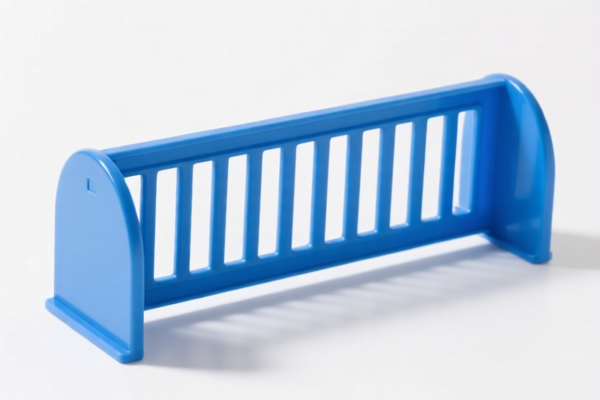
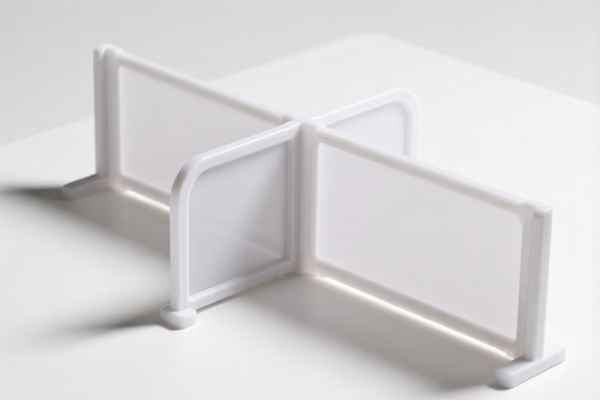
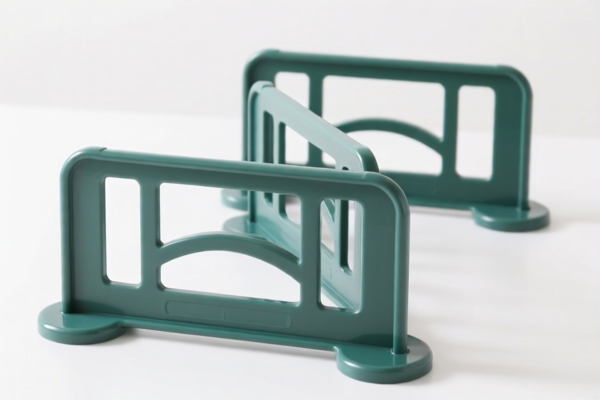
AI Analysis
🍲 Slow Cooker Divider: Precision HS Classification & US Import Tariff Strategy (2026)
🌐 HS Code Reference & Clearance Guide | 2026 Latest Tariff Analysis | Professional-Level Customs Strategy
📌 Part I: Product Definition & Classification – Do You Really Know What a "Slow Cooker Divider" Is?
A Slow Cooker Divider is typically a plastic or stainless steel insert used within a slow cooker (crockpot) to separate two different types of food, allowing for dual-flavor cooking in a single appliance. It is considered a "part/accessory of kitchenware" or "household article" depending on its material and completeness.
⚠️ Critical Distinction:
- If the divider is plastic and sold as a standalone household item or part of a set → It falls under Chapter 39 (Plastics).
- If the divider is stainless steel and designed for food contact → It falls under Chapter 73 (Iron/Steel Articles).
- If it is ceramic, it falls under Chapter 69 (Ceramics).🚫 Note: The provided
<DATA>does not include specific HS codes for "dividers" as a separate category. Instead, dividers are classified under general tableware/kitchenware subheadings based on their material and function (food contact).
📦 Part II: HS Code Classification Details (Based on Provided DATA)
Since the <DATA> does not list "divider" explicitly, we must map the slow cooker divider to the most appropriate tableware/kitchenware category based on its material.
🟢 Scenario A: Plastic Slow Cooker Divider
Recommended HS Code: 3924.10.40.00
Description: Tableware, kitchenware, other household articles and hygienic or toilet articles, of plastics: Tableware and kitchenware: Other
- Why This Code?: A plastic divider is a kitchenware article made of plastic. Since "divider" is not specifically listed, it falls under "Other" in the plastic tableware/kitchenware category.
- Alternative (If It’s a Tray/Insert): If the divider is shaped like a tray or insert plate, it may fall under:
- HS Code:
3924.10.30.00 - Description: Tableware and kitchenware: Trays
🟡 Scenario B: Stainless Steel Slow Cooker Divider
Recommended HS Code: 7323.93.00.45
Description: Table, kitchen or other household articles... of iron or steel: Other: Of stainless steel: Cooking and kitchen ware: Other: Cooking ware: Other
- Why This Code?: A stainless steel divider used for cooking/food separation is classified as stainless steel cooking ware.
- Alternative (If It’s a General Household Article): If it’s not strictly "cooking ware" but a household accessory:
- HS Code:
7323.99.90.30 - Description: Other: Other: Not coated or plated with precious metal: Other: Other Kitchen or tableware suitable for food or drink contact
🔴 Scenario C: Ceramic Slow Cooker Divider
Recommended HS Code: 6912.00.48.10
Description: Ceramic tableware... other than of porcelain or china: Tableware and kitchenware: Other: Other: Other: Other: Other Suitable for food or drink contact
- Why This Code?: Ceramic dividers used for food contact fall under non-porcelain ceramic tableware/kitchenware.
💰 Part III: 2026 Latest Tariff Rate Breakdown (US Imports from China)
✅ Applicable Country: United States (US)
✅ Origin: China (CN)
✅ Effective Date: 2025–2026 (Current Trade Policy)
🎯 1. Plastic Slow Cooker Divider
| Item | Details |
|---|---|
| HS Code | 3924.10.40.00 (Other plastic kitchenware) |
| Base Tariff | 3.4% |
| Additional Tariff | 0.0% (No Section 301 tariff applied to this subheading) |
| Total Tariff | 3.4% |
| Legal Basis | Standard USITC rate for plastic tableware/kitchenware |
| De Minimis Eligibility | ✅ Yes (If value < $800, can enter under Section 321) |
| Note | If classified as Tray (3924.10.30.00): |
| - Base: 5.3% | |
| - Additional: 7.5% | |
| - Total: 12.8% |
📌 Explanation:
- Plastic kitchenware generally enjoys low tariffs.
- Avoid misclassifying as "Tray" unless it is structurally a tray, as the tariff jumps to 12.8%.
🎯 2. Stainless Steel Slow Cooker Divider
| Item | Details |
|---|---|
| HS Code | 7323.93.00.45 (Stainless steel cooking ware) |
| Base Tariff | 2.0% |
| Additional Tariff | 50.0% (Section 301/Steel & Aluminum Tariff) |
| Total Tariff | 52.0% |
| Legal Basis | IEEPA + USITC footnote for steel/aluminum products |
| De Minimis Eligibility | ❌ No (Subject to additional tariffs regardless of value) |
📌 Explanation:
- Critical Risk: Stainless steel kitchenware is subject to a 50% additional tariff under US trade policies targeting steel/aluminum imports from China.
- Total Cost Impact: Over 50% of the product value.
- Recommendation: Avoid shipping stainless steel dividers from China to the US unless cost-prohibitive risks are absorbed.
🎯 3. Ceramic Slow Cooker Divider
| Item | Details |
|---|---|
| HS Code | 6912.00.48.10 (Non-porcelain ceramic tableware) |
| Base Tariff | 9.8% |
| Additional Tariff | 0.0% |
| Total Tariff | 9.8% |
| Legal Basis | Standard USITC rate for ceramic tableware |
| De Minimis Eligibility | ✅ Yes (If value < $800) |
📌 Explanation:
- Ceramic items are not subject to steel/aluminum tariffs.
- Tariff is moderate at 9.8%.
🎯 4. Iron/Steel (Non-Stainless) Divider
| Item | Details |
|---|---|
| HS Code | 7323.99.90.30 (Other iron/steel kitchenware) |
| Base Tariff | 3.4% |
| Additional Tariff | 50.0% (Steel & Aluminum Tariff) |
| Total Tariff | 78.4% |
| Legal Basis | IEEPA + USITC footnote for steel/aluminum products |
| De Minimis Eligibility | ❌ No |
📌 Explanation:
- Highest Risk: Non-stainless steel/iron kitchenware faces a 78.4% total tariff.
- Recommendation: Do not import this category from China to the US without significant cost mitigation.
🛠️ Part IV: Customs Clearance Practical Advice
✅ 1. Preparation Checklist (Mandatory Documents)
| Document | Requirement | Notes |
|---|---|---|
| ✅ Product Specification Sheet | ✔️ | Must specify material (Plastic/Steel/Ceramic), dimensions, and food-contact certification. |
| ✅ Photos of Product | ✔️ | Clear images showing the divider’s shape, material texture, and any branding. |
| ✅ Commercial Invoice | ✔️ | Must clearly state "Slow Cooker Divider, [Material], for Food Contact". Avoid vague terms like "kitchen accessory." |
| ✅ Bill of Lading/Air Waybill | ✔️ | Ensure package count and weight match invoice. |
| ✅ Certificate of Origin (CO) | ✔️ | Required for tariff verification. |
| ✅ FDA Compliance Documentation | ✔️ | Since it’s for food contact, provide FDA compliance statement or test reports. |
| ✅ Third-Party Test Report | ✔️ | LFGB, FDA, or Prop 65 compliance for plastics/ceramics. |
✅ 2. Declaration Tips (Key Strategies)
🔥 “Material First, Function Second, Name Specific, Tariff Optimized!”
| Scenario | Correct Declaration | Wrong Practice |
|---|---|---|
| Plastic Divider | "Plastic Slow Cooker Divider, Food Contact, Not a Tray" |
Declaring as "Tray" → 12.8% tariff |
| Stainless Steel Divider | "Stainless Steel Cooking Ware, Slow Cooker Insert" |
Declaring as "Plastic" → Customs Audit/Seizure |
| Ceramic Divider | "Ceramic Tableware, Non-Porcelain, Food Contact" |
Vague term "Kitchen Part" → Delays |
| Iron/Steel (Non-Stainless) | "Iron Steel Kitchenware, Food Contact" |
Avoid if possible due to 78.4% tariff |
✅ 3. Special Cases & Mitigation Strategies
| Scenario | Recommendation |
|---|---|
| Plastic Divider (Low Cost) | ✅ Ship via De Minimis (<$800): If individual unit value is low and shipped in small quantities, you may avoid tariffs entirely under Section 321. |
| Stainless Steel Divider | ⚠️ High Tariff Risk: Consider transshipment (if legal), sourcing from non-China origins (e.g., Vietnam, Thailand), or absorbing the 52% cost. |
| Bulk Commercial Shipment | 📦 Apply for Pre-Ruling: Submit an Advance Ruling Request to US CBP to confirm HS Code and tariff applicability before shipment. |
| OEM Custom Dividers | 📝 Provide Design Specs: Include OEM contracts and design drawings to prove customization and avoid "generic" classification disputes. |
🌍 Part V: Global Market Comparison (2026)
| Country/Region | Recommended HS Code | Tariff (China Origin) | Certification | Notes |
|---|---|---|---|---|
| 🇺🇸 USA | 3924.10.40.00 (Plastic) |
3.4% | FDA, Prop 65 | Avoid Steel: 52–78% |
| 🇨🇳 China | 3924.10.40.00 |
5% | CCC | Low import duty |
| 🇪🇺 EU | 3924.10.40.00 |
3.7% | LFGB, REACH | No Section 301 tariffs |
| 🇬🇧 UK | 3924.10.40.00 |
3.7% | UKCA | Post-Brexit standards |
| 🇯🇵 Japan | 3924.10.40.00 |
0% | JIS | No additional tariffs |
📌 Conclusion:
- USA is the most tariff-intensive market for steel/aluminum kitchenware due to Section 301.
- Plastic and Ceramic items remain competitive with <10% tariffs.
- Strategic Recommendation: For US market, prioritize Plastic or Ceramic dividers; avoid Stainless Steel/Iron unless cost-absorbent.
📌 Part VI: Common Errors & Pitfalls (Lessons Learned)
❌ Error 1: Declaring Stainless Steel Divider as Plastic
👉 Consequence: Customs Seizure, Heavy Fines, and Back Taxes
✅ Fix: Accurate material declaration is mandatory.
❌ Error 2: Classifying Plastic Divider as Tray (3924.10.30.00)
👉 Consequence: Tariff jumps from 3.4% → 12.8%
✅ Fix: Ensure description emphasizes "divider/insert," not "tray."
❌ Error 3: Ignoring FDA/Food Contact Compliance
👉 Consequence: Product Rejection at US Border
✅ Fix: Provide FDA compliance documentation.
❌ Error 4: Shipping Steel/Iron Dividers Without Tariff Calculation
👉 Consequence: 78.4% Total Tariff → Profit Margin Destruction
✅ Fix: Avoid steel/iron imports from China to US, or source from alternative countries.
🎯 Part VII: Conclusion – Precision Classification Saves Money!
🎯 Key Takeaways:
🔹 Plastic Dividers: 3.4% Tariff (Best Option)
🔹 Ceramic Dividers: 9.8% Tariff (Moderate)
🔹 Stainless Steel Dividers: 52.0% Tariff (High Risk)
🔹 Iron/Steel Dividers: 78.4% Tariff (Avoid)🔹 "Material Determines Tariff: Plastic Wins, Steel Loses!"
🔹 "De Minimis is Your Friend for Low-Value Plastic Items!"
📌 Pro Tip:
If you are shipping plastic dividers under $800 per shipment, utilize Section 321 De Minimis to enter the US duty-free.
For bulk shipments, apply for an Advance Ruling to ensure correct HS Code classification and avoid post-audit penalties.
📣 Immediate Action:
📞 Contact a Customs Broker: Provide product photos + material specs.
📄 Apply for FDA Compliance: Ensure food-contact safety.
🚀 Optimize HS Code: Choose Plastic or Ceramic for US market efficiency.
✨ Professional Clearance Starts with Accurate Classification!
💼 Every Percent in Tariff is a Percent in Profit!
Customer Reviews
About HS Code Classification
The Harmonized System (HS) is an internationally standardized nomenclature developed by the World Customs Organization (WCO) to classify traded products. Over 200 countries use the HS system as the basis for customs tariffs, trade statistics, and import/export regulations.
Each HS code follows a hierarchical structure:
- Chapter (2 digits) — Broad category of goods (e.g., Chapter 84: Machinery and Mechanical Appliances)
- Heading (4 digits) — More specific grouping within the chapter
- Subheading (6 digits) — Internationally standardized breakdown, used by all WCO member countries
- National subdivisions (8-10 digits) — Country-specific extensions for further classification, such as US HTSUS 10-digit codes
Correct HS code classification is essential for smooth customs clearance, accurate duty payment, and compliance with trade regulations. Misclassification can lead to customs delays, overpayment of duties, or penalties.
When importing from CN to US, the applicable tariff rates may include:
- Most-Favored-Nation (MFN) rate — The standard duty rate applied to WTO members
- General rate — Applied to countries without trade agreements
- Trade remedy duties — Additional tariffs such as Section 301 (anti-dumping), Section 232 (national security), or countervailing duties
The information provided on this page is for reference purposes only. For official classification, please consult with your local customs authority or a licensed customs broker.