sm restraint strap
CN → US| HS编码 | 关税税率 | 原产国 | 目的国 | 文档 |
|---|---|---|---|---|
| 6307905010 | 17.5% | CN | US | 官方文档 |
| 6307905020 | 17.5% | CN | US | 官方文档 |
| 4205002000 | 35.0% | CN | US | 官方文档 |
| 3926906090 | 39.2% | CN | US | 官方文档 |
| 3926905900 | 37.4% | CN | US | 官方文档 |
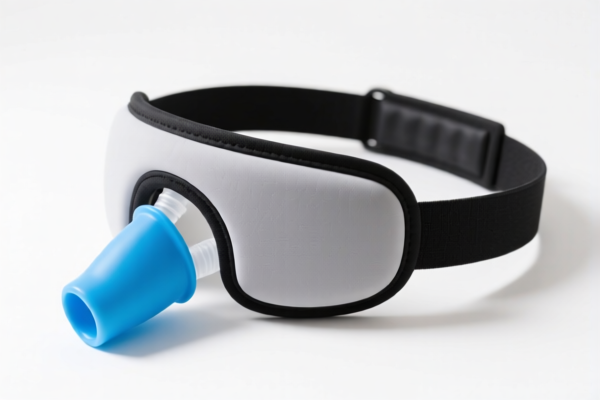
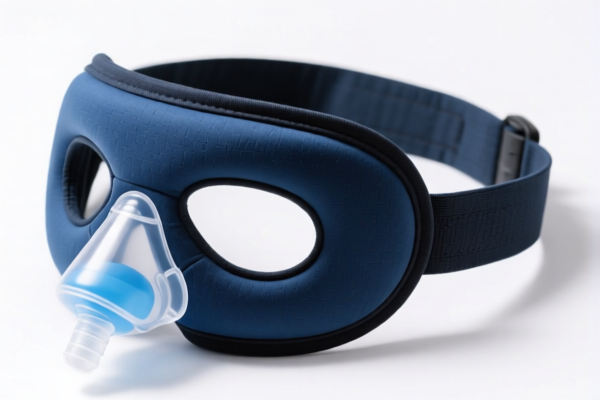
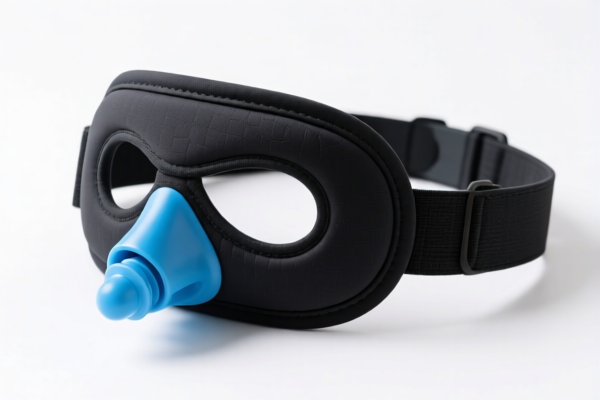
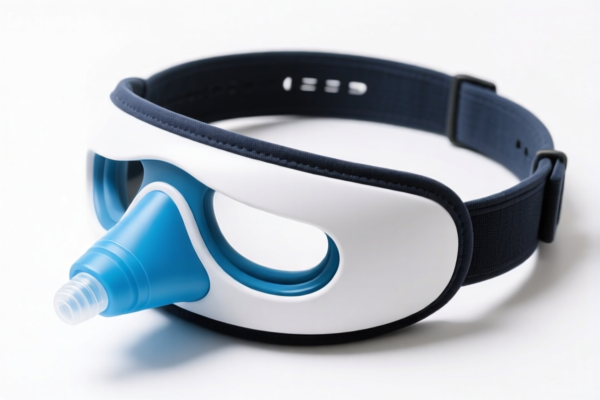
商品图片
AI分析
🎀 SM Restraint Straps: Material-Based Classification & Clearance Guide (2026)
🌐 HS Code Reference & Customs Clearance Strategy | Material Logic Decoded | High-Tariff Avoidance Tactics
📌 I. Product Definition: Why "Material" is the Key to Classification
SM Restraint Straps are specialty accessories used for bondage and restraint. In international trade, they do not have a dedicated "Bondage" HS Code. Instead, they are classified based on their primary material composition under the "Other Made Articles" chapters.
The Critical Distinction:
Customs authorities classify these items strictly by what they are made of, not what they are for. Misclassifying based on "use" leads to severe penalties.
⚠️ Key Classification Rules:
- Cotton/Fabric → Chapter 63 (Other Made Articles)
- Leather/Synthetic Leather → Chapter 42 (Articles of Leather)
- Plastic/Synthetic Fiber → Chapter 39 (Articles of Plastics)
📦 II. HS Code Classification Matrix (Based on Provided Data)
| HS Code | Material Category | Summary Description | Tax Logic |
|---|---|---|---|
6307.90.50.10 |
Cotton or Textile | Cotton or textile material restraint straps. Fits logic of "Other Made Articles" regarding material and form. | Textile-based classification. |
6307.90.50.20 |
Non-Cotton Textile/Fabric | Similar laces/straps made of non-cotton materials. Fits other category rules. | Non-cotton textile classification. |
4205.00.20.00 |
Leather or Synthetic Leather | Leather or synthetic material restraint articles. Fits "Other" category under Leather/Reconstituted Leather. | Leather goods classification. |
3926.90.60.90 |
Plastic or Synthetic Fiber | Plastic or synthetic fiber strap articles. Classified as "Other belts" (non-synchronous). | Plastic goods classification. |
3926.90.59.00 |
Mixed Plastic/Textile | Strap articles containing plastic or textile fibers. Falls under "Other" catch-all principle. | Mixed material classification. |
🔍 Important Note:
- Do NOT try to classify as "Apparel" or "Safety Gear" unless explicitly stated.
- The primary material determines the chapter. If it's a blend, look for the component that gives the essential character.
💰 III. 2026 Tariff Rate Breakdown (Detailed Tax Analysis)
✅ Applicable Country: United States (US)
✅ Origin: China (CN)
✅ Effective Date: 2025/2026 Import Regulations
🎯 1. Textile-Based Straps (6307.90.50.10 & 6307.50.20)
| Item | Details |
|---|---|
| Base Tariff | 0.0% |
| Section 301 (Additional) | 7.5% |
| Section 122 Tariff | 10% |
| Total Effective Rate | 17.5% |
| Tax Calculation | CIF Value × 17.5% |
| Legal Path | Base Tariff → Section 301 (7.5%) → Section 122 (10%) |
📌 Explanation:
- Section 122 Tariff (10%): This is a specific additional levy on certain textile/apparel items.
- Section 301 (7.5%): Standard additional tariff on Chinese textile goods.
- Total: 17.5%. This is the lowest among the provided options for SM straps.
🎯 2. Leather-Based Straps (4205.00.20.00)
| Item | Details |
|---|---|
| Base Tariff | 0.0% |
| Section 301 (Additional) | 25.0% |
| Section 122 Tariff | 10% |
| Total Effective Rate | 35.0% |
| Tax Calculation | CIF Value × 35.0% |
| Legal Path | Base Tariff → Section 301 (25%) → Section 122 (10%) |
📌 Explanation:
- Section 301 (25%): Higher additional tariff for leather goods from China.
- Total: 35.0%. Significantly higher than textile options.
🎯 3. Plastic-Based Straps (3926.90.60.90)
| Item | Details |
|---|---|
| Base Tariff | 4.2% |
| Section 301 (Additional) | 25.0% |
| Section 122 Tariff | 10% |
| Total Effective Rate | 39.2% |
| Tax Calculation | CIF Value × 39.2% |
| Legal Path | Base Tariff (4.2%) → Section 301 (25%) → Section 122 (10%) |
📌 Explanation:
- Base Tariff (4.2%): Unlike textiles/leather, plastics have a base import duty.
- Total: 39.2%. This is the highest tax rate among the options.
🎯 4. Mixed Plastic/Textile Straps (3926.90.59.00)
| Item | Details |
|---|---|
| Base Tariff | 2.4% |
| Section 301 (Additional) | 25.0% |
| Section 122 Tariff | 10% |
| Total Effective Rate | 37.4% |
| Tax Calculation | CIF Value × 37.4% |
| Legal Path | Base Tariff (2.4%) → Section 301 (25%) → Section 122 (10%) |
📌 Explanation:
- Base Tariff (2.4%): Lower base than pure plastic, but still high total.
- Total: 37.4%. Avoid if possible due to high effective rate.
🛠️ IV. Customs Clearance Practical Advice (Avoid Pitfalls)
✅ 1. Critical Documentation Checklist
| Document | Requirement | Why It Matters |
|---|---|---|
| Material Composition Statement | ✔️ Mandatory | Must explicitly state % of Cotton, Leather, Plastic, etc. |
| Product Photos | ✔️ Mandatory | Show material texture (grain for leather, weave for cotton). |
| Functional Description | ✔️ Recommended | "Restraining accessory for adult use only" – helps avoid obscenity flags. |
| Commercial Invoice | ✔️ Mandatory | Must match HS Code description exactly (e.g., "Cotton Restraint Strap"). |
| Certificate of Origin | ✔️ Mandatory | To prove Chinese origin for Section 301/122 calculation. |
✅ 2. Declaration Tips (Key Mnemonics)
🔥 "Material First, Use Second! Cotton Wins, Plastic Loses!"
| Scenario | Correct HS Code | Incorrect Code | Risk |
|---|---|---|---|
| 100% Cotton Strap | 6307.90.50.10 (17.5%) |
4205.00.20.00 |
Overpaying by 17.5% |
| 100% Leather Strap | 4205.00.20.00 (35.0%) |
6307.90.50.10 |
Underpaying → Penalty/Seizure |
| Plastic-Coated Strap | 3926.90.60.90 (39.2%) |
6307.90.50.10 |
Underpaying → Penalty |
| Mixed Fabric/Plastic | 3926.90.59.00 (37.4%) |
6307.90.50.20 |
Underpaying → Penalty |
📌 Warning:
- Never declare as "Safety Equipment" or "Sports Gear" unless it meets specific industrial standards.
- Do not use vague terms like "Accessory" or "Bondage Gear" on the invoice. Use descriptive material terms: "Cotton Strap," "Leather Restraint."
✅ 3. Special Considerations
| Issue | Solution |
|---|---|
| Obscenity/Import Restrictions | Ensure product is marketed for "Adult Use" or "BDSM Community." Avoid suggestive imagery in marketing materials if importing to strict jurisdictions. |
| Mixed Material Products | If the item has both leather and plastic parts, determine which material provides the "Essential Character." Usually, the structural material (leather) dominates. |
| Samples vs. Commercial | Commercial shipments face full tariffs. Samples may qualify for duty exemption if valued under $800 (de minimis), but Section 301/122 often apply even to low-value shipments from China. Check current de minimis rules. |
🌍 V. Global Market Comparison (2026)
| Market | Recommended HS Code | Est. Total Duty | Notes |
|---|---|---|---|
| 🇺🇸 USA | 6307.90.50.10 (Cotton) |
17.5% | Lowest tax. Avoid 3926 codes. |
| 🇪🇺 EU | 6307.90 (Textile) |
~4-12% | No Section 301/122. VAT applies. |
| 🇨🇳 China | 6307.90 (Textile) |
5-10% | Import duty + VAT. |
| 🇬🇧 UK | 6307.90 (Textile) |
~4-12% | Post-Brexit rules apply. |
📌 Conclusion:
- The US is the most expensive market due to Section 301 and Section 122 tariffs.
- Textile (Cotton) straps are the most tax-efficient for US imports (17.5% vs 35-39%).
- Plastic straps are the most expensive to import into the US (39.2%).
📌 VI. Common Mistakes & How to Avoid Them
❌ Mistake 1: Classifying all SM straps as "Textile"
👉 Result: If made of leather, you face 35%+ back-taxes + penalties.
✅ Fix: Always verify material composition.
❌ Mistake 2: Under-declaring value to avoid Section 301
👉 Result: Customs audits, seizure, and blacklisting.
✅ Fix: Declare accurate CIF value.
❌ Mistake 3: Using vague product names
👉 Result: Customs holds shipment for classification review.
✅ Fix: Use precise descriptions: "100% Cotton Woven Restraint Strap."
🎯 VII. Final Strategy: Optimize Your Costs
🎯 Key Takeaway:
🔹 Choose Cotton/Textile materials for US imports to stay at 17.5%.
🔹 Avoid Plastic for US imports due to 39.2% total tariff.
🔹 Leather is mid-range at 35.0% – acceptable if luxury positioning.
📣 Immediate Action Items:
- Verify Material: Check supplier specs for exact material %.
- Select HS Code: Use the table above to pick the correct code.
- Prepare Docs: Draft invoices with precise material descriptions.
- Calculate Landed Cost: Include 17.5% (Cotton) or 35%+ (Leather/Plastic) in your pricing model.
✨ Smart Classification = Smarter Profits!
💼 Don’t let tariffs eat your margin – classify correctly!
用户评价
关于 HS 编码归类
协调制度(HS)是由世界海关组织(WCO)制定的国际贸易商品分类标准。全球 200 多个国家采用 HS 系统作为海关关税、贸易统计和进出口监管的基础。
每个 HS 编码遵循以下层级结构:
- 章(2 位)——商品大类(例如:第 84 章:机器和机械设备)
- 品目(4 位)——章内的更具体分类
- 子目(6 位)——国际通用细分,所有 WCO 成员国统一使用
- 本国细分(8-10 位)——各国自行扩展的细分编码,如美国 HTSUS 10 位编码
正确的 HS 编码归类对于顺利通关、准确缴纳关税和遵守贸易法规至关重要。错误归类可能导致海关延误、多缴关税或罚款。
从CN进口到US时,适用的关税税率可能包括:
- 最惠国(MFN)税率——适用于 WTO 成员国的标准关税税率
- 普通税率——适用于无贸易协定国家
- 贸易救济关税——附加关税,如 301 条款(反倾销)、232 条款(国家安全)或反补贴税
本页内容仅供参考。如需正式归类,请咨询当地海关或持牌报关代理。