storage container
CN → US| HS编码 | 关税税率 | 原产国 | 目的国 | 文档 |
|---|---|---|---|---|
| 4202999000 | 55.0% | CN | US | 官方文档 |
| 3923102000 | 35.0% | CN | US | 官方文档 |
| 3926908700 | 40.3% | CN | US | 官方文档 |
| 4421999880 | 38.3% | CN | US | 官方文档 |
| 4823908680 | 35.0% | CN | US | 官方文档 |
| 4421919880 | 38.3% | CN | US | 官方文档 |
商品图片
AI分析
📦 Storage Containers: HS Code Classification & US Customs Clearance Guide (2026)
🌐 HS Code Reference & Clearance Strategy | Comprehensive Tariff Analysis | Expert Compliance Guide
📌 Part 1: Product Definition & Classification Logic
Storage containers are versatile organizational tools used for household, office, or industrial purposes. In international trade, they are not classified under a single HS code. The correct classification depends heavily on the primary material and specific intended use.
Common categories include:
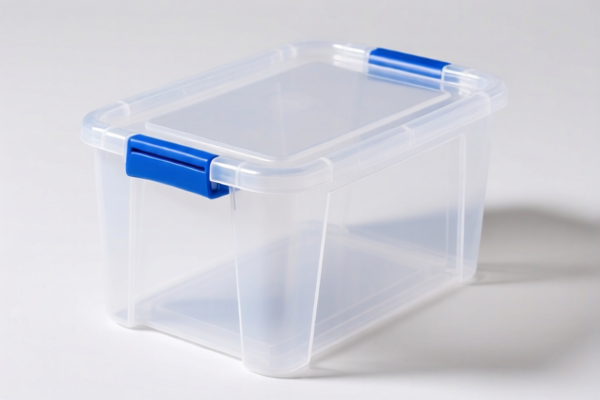
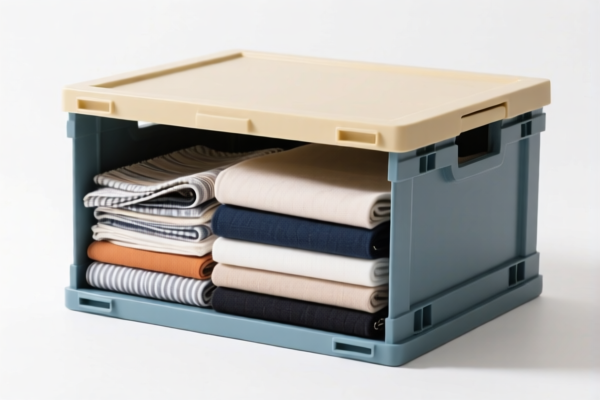
- Plastic Storage Boxes: Rigid, molded containers for general storage.
- Textile/Non-Woven Bags: Soft-sided boxes or bins made of fabric.
- Wooden Storage Units: Rigid containers made of wood.
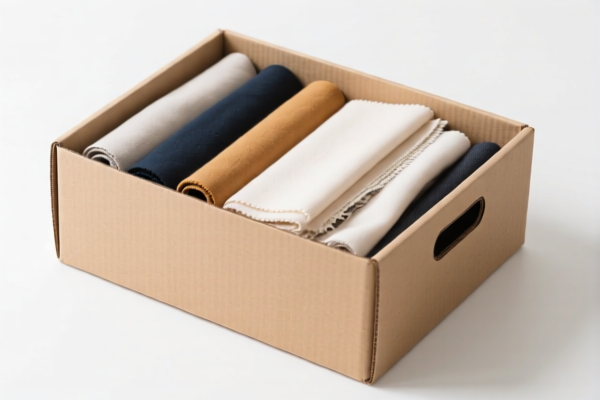
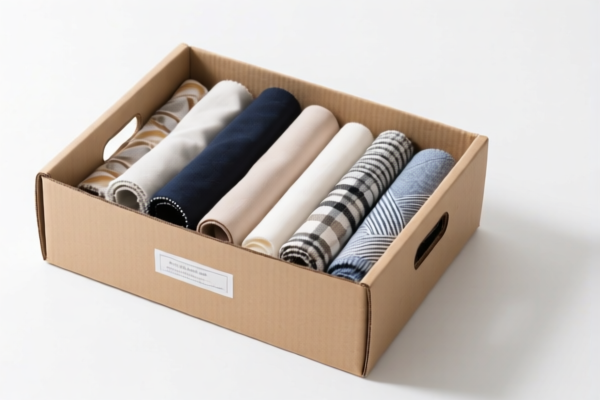
- Paper/Cardboard Containers: Folding boxes or structured paper packaging.
⚠️ Critical Distinction:
- If the item is rigid plastic and intended for general storage → Likely Chapter 39 or Chapter 42.
- If the item is textile-based (e.g., non-woven fabric bins) → Likely Chapter 42 or Chapter 63.
- If the item is wooden → Likely Chapter 44.
- If the item is cardboard/paper → Likely Chapter 48.
📋 Part 2: HS Code Classification Details (Based on Provided Data)
| HS Code | Product Description | Material / Use Case | Tax Rate Summary |
|---|---|---|---|
4202.99.90.00 |
Other containers and bags, not elsewhere specified | Plastic, textile, or cardboard materials; general-purpose containers | 55.0% |
3923.10.20.00 |
Articles for the conveyance or packing of goods, of plastics | Plastic storage boxes; fits "plastic packaging" characteristics | 35.0% |
3926.90.87.00 |
Other articles of plastics | Plastic card/organizer boxes; file-binding/organizing use | 40.3% |
4421.99.98.80 |
Other wooden articles | Wooden or mixed-material storage units; fallback for wood | 38.3% |
4823.90.86.80 |
Other paper/cardboard articles | Cardboard or paper-based storage boxes; structural paper goods | 35.0% |
🔍 Key Insight:
- Plastic containers generally fall under Chapter 39 (Plastics). The exact sub-code depends on whether it’s considered "packing" (3923.10) or "other plastic articles" (3926.90).
- Textile/fabric bins often fall under Chapter 42 (4202.99.90.00), but may have higher tariff exposure.
- Wooden and Paper containers are categorized under their respective material chapters (44 and 48).
💰 Part 3: 2026 US Tariff Rate Breakdown (Detailed)
✅ Applicable Country: United States (US)
✅ Origin: China (CN)
✅ Effective Date: 2025-11-10 (Includes subsequent imports)
🎯 1. 4202.99.90.00 – Other Containers & Bags (Textile/Cardboard/Plastic)
| Item | Detail |
|---|---|
| Base Duty | 20.0% |
| Section 301 Duty | +25.0% |
| IEEPA Duty (Section 122) | +10.0% |
| Total Effective Rate | 55.0% |
| Calculation Basis | CIF Value × 55.0% |
| De Minimis Exemption | ❌ Not Eligible |
| Legal Path | Base: 4202.99.90.00 → Sec301: 25% → IEEPA: 10% |
📌 Explanation:
- This is the highest tax bracket among the options.
- It applies to containers made of textile materials, mixed materials, or cardboard that do not fit neatly into plastic/wood/paper specific codes.
- Risk Alert: High tariff burden. Consider reclassifying if the material allows.
🎯 2. 3923.10.20.00 – Plastic Articles for Packing (Plastic Storage Boxes)
| Item | Detail |
|---|---|
| Base Duty | 0.0% |
| Section 301 Duty | +25.0% |
| IEEPA Duty (Section 122) | +10.0% |
| Total Effective Rate | 35.0% |
| Calculation Basis | CIF Value × 35.0% |
| De Minimis Exemption | ❌ Not Eligible |
| Legal Path | Base: 3923.10.20.00 → Sec301: 25% → IEEPA: 10% |
📌 Explanation:
- Recommended for standard plastic storage boxes.
- Base duty is 0%, making the total tax lower than the textile/mixed category.
- Fits the definition of "articles for conveyance or packing" made of plastic.
🎯 3. 3926.90.87.00 – Other Plastic Articles (Card Organizers/Small Plastics)
| Item | Detail |
|---|---|
| Base Duty | 5.3% |
| Section 301 Duty | +25.0% |
| IEEPA Duty (Section 122) | +10.0% |
| Total Effective Rate | 40.3% |
| Calculation Basis | CIF Value × 40.3% |
| De Minimis Exemption | ❌ Not Eligible |
| Legal Path | Base: 3926.90.87.00 → Sec301: 25% → IEEPA: 10% |
📌 Explanation:
- Applies to plastic items that are not for general packing (e.g., specific organizers, file holders, decorative plastic containers).
- Higher base duty (5.3%) makes it less favorable than3923.10.20.00for general storage boxes.
🎯 4. 4421.99.98.80 – Other Wooden Articles
| Item | Detail |
|---|---|
| Base Duty | 3.3% |
| Section 301 Duty | +25.0% |
| IEEPA Duty (Section 122) | +10.0% |
| Total Effective Rate | 38.3% |
| Calculation Basis | CIF Value × 38.3% |
| De Minimis Exemption | ❌ Not Eligible |
| Legal Path | Base: 4421.99.98.80 → Sec301: 25% → IEEPA: 10% |
📌 Explanation:
- Applies to wooden storage boxes or units.
- Base duty is 3.3%, but the total remains high due to additional tariffs.
🎯 5. 4823.90.86.80 – Other Paper/Cardboard Articles
| Item | Detail |
|---|---|
| Base Duty | 0.0% |
| Section 301 Duty | +25.0% |
| IEEPA Duty (Section 122) | +10.0% |
| Total Effective Rate | 35.0% |
| Calculation Basis | CIF Value × 35.0% |
| De Minimis Exemption | ❌ Not Eligible |
| Legal Path | Base: 4823.90.86.80 → Sec301: 25% → IEEPA: 10% |
📌 Explanation:
- Applies to cardboard/paper storage boxes (e.g., folding boxes, structured paper bins).
- Same total rate as plastic packing boxes (35.0%), but base duty is also 0%.
🛠️ Part 4: Customs Clearance Practical Advice
✅ 1. Essential Documentation Checklist
| Document | Required | Notes |
|---|---|---|
| Product Specifications | ✔️ | Must include material composition (e.g., 100% Plastic, Mixed Textile). |
| Product Photos | ✔️ | Show clear views of material texture, structure, and any labels. |
| Commercial Invoice | ✔️ | Clearly state "Storage Container" and material type. |
| Packing List | ✔️ | Detail contents, weight, and dimensions. |
| Material Certificates | ✔️ | If claiming plastic/wood, provide material test reports if requested. |
✅ 2. Classification Strategy & Pitfalls
🔥 Golden Rule: "Material First, Function Second!"
| Scenario | Recommended HS Code | Total Tax | Why? |
|---|---|---|---|
| Rigid Plastic Box | 3923.10.20.00 |
35.0% | Best for general plastic storage. Lower base duty. |
| Cardboard Box | 4823.90.86.80 |
35.0% | Best for paper-based containers. Zero base duty. |
| Wooden Crate/Box | 4421.99.98.80 |
38.3% | Only if wood is the primary material. |
| Fabric/Non-Woven Bin | 4202.99.90.00 |
55.0% | Avoid if possible. Highest tax. Try to reclassify if plastic parts dominate. |
| Plastic Organizer (Small) | 3926.90.87.00 |
40.3% | Only if it’s a small accessory, not a general container. |
⚠️ Common Mistakes:
- Misclassifying Plastic as "Textile": If your plastic box has fabric handles, it might still be classified as plastic if plastic is the primary material. Don’t default to4202.99.90.00unless it’s truly fabric-heavy.
- Ignoring IEEPA Tariffs: All the above rates include the 10% IEEPA duty. Never assume only 25% (Section 301) applies.
- Splitting Shipments: Do not split a set of containers into multiple HS codes to save tax. CBP may penalize for "fragmented valuation."
🌍 Part 5: Market Comparison (US Focus)
| Market | Recommended HS Code | Total Tax (China Origin) | Notes |
|---|---|---|---|
| 🇺🇸 USA | 3923.10.20.00 (Plastic) |
35.0% | High tariffs apply. Plan pricing accordingly. |
| 🇨🇳 China | 3923.10.20.00 |
~5-10% | Lower taxes. No Section 301/IEEPA. |
| 🇪🇺 EU | Varies by material | Varies (0-6%) | No Section 301. CE marking may be required. |
| 🇨🇦 Canada | 3923.10.20.00 |
~6-10% | CUSMA may offer benefits for eligible goods. |
📌 Conclusion:
- The US market is the most expensive due to Section 301 and IEEPA tariffs.
- Plastic (3923.10.20.00) and Paper (4823.90.86.80) are the most tax-efficient at 35%.
- Textile/Mixed (4202.99.90.00) is the most expensive at 55%. Avoid unless necessary.
📌 Part 6: Final Recommendations
- Material Declaration: Ensure your supplier’s invoice clearly states the primary material (e.g., "Polypropylene Plastic," "Cardboard").
- Pre-Ruling: For high-volume shipments, consider applying for a US Customs Ruling to confirm the HS code and avoid post-import audits.
- Cost Calculation: Always budget for 35-55% total landed cost impact from tariffs alone.
- Labeling: Ensure products are labeled "Made in China" clearly to comply with Country of Origin marking laws.
🚀 Pro Tip:
If you are importing plastic storage containers, aim for3923.10.20.00. It offers a 0% base duty, reducing the total tax burden to 35% (vs. 55% for textile/mixed). This can save significant margin per unit.
✨ Precision in Classification = Savings in Tariffs!
💼 Contact your freight forwarder to verify material composition before shipping!
用户评价
关于 HS 编码归类
协调制度(HS)是由世界海关组织(WCO)制定的国际贸易商品分类标准。全球 200 多个国家采用 HS 系统作为海关关税、贸易统计和进出口监管的基础。
每个 HS 编码遵循以下层级结构:
- 章(2 位)——商品大类(例如:第 84 章:机器和机械设备)
- 品目(4 位)——章内的更具体分类
- 子目(6 位)——国际通用细分,所有 WCO 成员国统一使用
- 本国细分(8-10 位)——各国自行扩展的细分编码,如美国 HTSUS 10 位编码
正确的 HS 编码归类对于顺利通关、准确缴纳关税和遵守贸易法规至关重要。错误归类可能导致海关延误、多缴关税或罚款。
从CN进口到US时,适用的关税税率可能包括:
- 最惠国(MFN)税率——适用于 WTO 成员国的标准关税税率
- 普通税率——适用于无贸易协定国家
- 贸易救济关税——附加关税,如 301 条款(反倾销)、232 条款(国家安全)或反补贴税
本页内容仅供参考。如需正式归类,请咨询当地海关或持牌报关代理。