sweatshirts
CN → US| HS编码 | 关税税率 | 原产国 | 目的国 | 文档 |
|---|---|---|---|---|
| 6110202046 | 34.0% | CN | US | 官方文档 |
| 6110303041 | 49.5% | CN | US | 官方文档 |
| 6108920030 | 33.5% | CN | US | 官方文档 |
| 6108910030 | 26.0% | CN | US | 官方文档 |
| 6207913020 | 23.6% | CN | US | 官方文档 |
商品图片
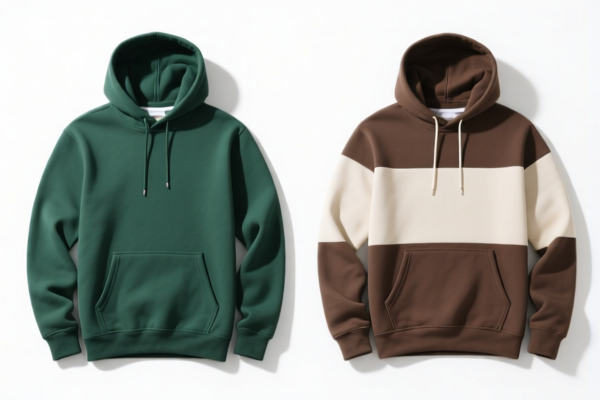
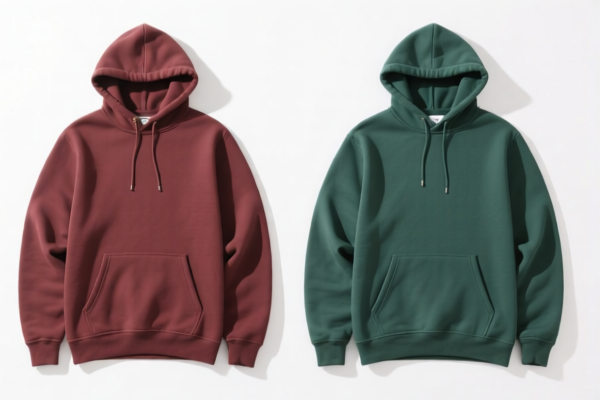
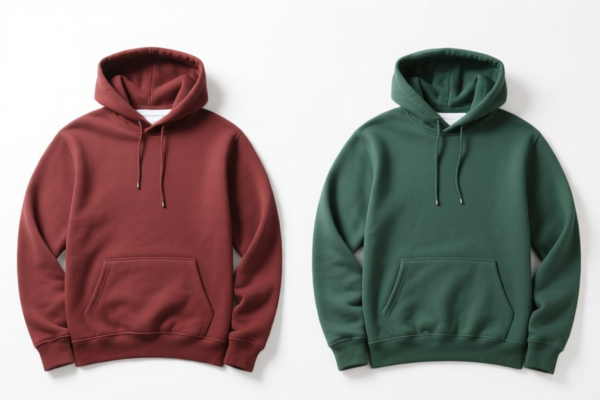

AI分析
👕 Sweatshirts & Hoodies: The Ultimate HS Code & Tariff Breakdown
🌐 HS Code Reference & Customs Clearance Guide | 2026 Latest Tariff Analysis | Professional Entry Strategy
📌 One, Two, Three, Four: Decoding the Cotton & Fiber Maze
Sweatshirts are not just "comfortable clothing." In international trade, they are a high-volume, high-compliance category where material composition and gender targeting dictate your tax bill. A slight misclassification can mean the difference between a 23.6% tax burden and a 49.5% nightmare.
⚠️ Critical Distinction:
- Knitted vs. Woven: Most sweatshirts are knitted (tricot/interlock), falling under Chapter 61. Woven sweatpants (less common) fall under Chapter 62. - Material Matters: Cotton (Natural) vs. Synthetic (Man-made Fiber). This shifts the HS Code and the Base Duty rate significantly. - Gender Specifics: "Men's" and "Women's" classifications often have different base duty rates due to historical tariff structures.
📦 Two, HS Code Classification Matrix (Based on Provided Data)
Below is the exact mapping from your data source. Note that the data provided covers Knitted Sweatshirts (Chapter 61) and Knitted Sweatpants/Trousers (Chapter 61 & 62).
| HS Code | Product Summary | Material/Gender | Total Tax Rate | Key Tax Components |
|---|---|---|---|---|
6110.20.20.46 |
Women's Cotton Knitted Sweatshirt | Women / Cotton | 34.0% | Base: 16.5% + Sec 301: 7.5% + Sec 122: 10% |
6110.30.30.41 |
Men's Man-made Fiber or Cotton Knitted Sweatshirt | Men / Synthetic or Cotton | 49.5% | Base: 32.0% + Sec 301: 7.5% + Sec 122: 10% |
6108.92.00.30 |
Women's/Girls' Cotton/Synthetic Knitted Sweatpants | Women/Girls / Mix | 33.5% | Base: 16.0% + Sec 301: 7.5% + Sec 122: 10% |
6108.91.00.30 |
Cotton Knitted Sweatpants (General/Other) | General / Cotton | 26.0% | Base: 8.5% + Sec 301: 7.5% + Sec 122: 10% |
6207.91.30.20 |
Cotton Knitted Sweatpants (Underwear/Shorts Type) | General / Cotton | 23.6% | Base: 6.1% + Sec 301: 7.5% + Sec 122: 10% |
🔍 Observation:
- Men's Sweatshirts are taxed the highest (49.5%) due to a high Base Duty (32.0%). - Women's Sweatshirts are significantly cheaper (34.0%) due to a lower Base Duty (16.5%). - Sweatpants generally have lower base duties than sweatshirts, ranging from 6.1% to 16.0%.
💰 Three, Tariff Structure Detailed Analysis
✅ Applicable Region: USA (Implied by "Section 122" and high combined rates)
✅ Origin: China (CN) (Implied by Section 301/122 additions)
✅ Structure: The tax is composed of three distinct layers.
🎯 1. The "Base Duty" (The Variable)
This is the standard Most Favored Nation (MFN) rate determined by the HS Code.
* Women's Sweater (6110.20): 16.5% – Moderate
* Men's Sweater (6110.30): 32.0% – High
* Sweatpants (6108.91/92): 8.5% – 16.0% – Low to Moderate
* Cotton Sweatpants (Special 6207.91): 6.1% – Lowest
📌 Why the gap?
The US Tariff Schedule historically places higher base duties on men's knitwear compared to women's or children's wear. If you are importing men's cotton sweatshirts, expect a heavy base hit.
🎯 2. The "Section 301" Surcharge (The Constant)
- Rate: +7.5%
- Source: Trade Remedy Council (Section 301 tariffs on Chinese goods).
- Applicability: Applies to ALL items listed above, regardless of material or gender.
- Note: This is a flat addition to the ad valorem rate.
🎯 3. The "Section 122" Surcharge (The Policy Add-on)
- Rate: +10%
- Source: Section 122 of the Trade Act of 1974 (Emergency Import Relief).
- Applicability: Applied to specific categories to balance trade deficits.
- Note: This is also an ad valorem addition.
🧮 Total Tax Calculation Formula
$ \text{Total Tax} = \text{Base Duty} + 7.5\% (\text{Sec 301}) + 10\% (\text{Sec 122}) $
Verification Examples: * Women's Cotton Sweatshirt: $16.5 + 7.5 + 10 = \mathbf{34.0\%}$ ✅ * Men's Syn-Cotton Sweatshirt: $32.0 + 7.5 + 10 = \mathbf{49.5\%}$ ✅ * Cotton Sweatpants (General): $8.5 + 7.5 + 10 = \mathbf{26.0\%}$ ✅
🛠️ Four, Customs Clearance Practical Advice
✅ 1. Material Declaration is King
Customs officers will scrutinize the fiber content label on the garment.
* "100% Cotton": Triggers codes like 6110.20.20.46 (Women) or 6108.91.00.30 (Pants).
* "Polyester Blend" or "Man-made Fiber": Triggers codes like 6110.30.30.41 (Men) or 6108.92.00.30 (Women).
* Risk: If you declare "Sweatshirt" but the label says "80% Polyester, 20% Cotton," and you use the Cotton HS Code, you risk misclassification penalties.
✅ 2. Gender Classification Nuances
- Unisex Sweatshirts: Generally declared as Men's (
6110.30) if they lack specific female tailoring (waist shaping, bust darts). This is dangerous because Men's base duty (32%) is nearly double Women's base duty (16.5%). - Strategy: If the garment is cut for females (even if labeled "Unisex"), declare as Women's (
6110.20) to save 15.5% in base duty.
✅ 3. Sweatpants vs. Sweatshirts
- Sweatpants are cheaper to tax. If you are designing a "Set," consider if the pants can be classified under the lower base duty codes (
6108.91or6207.91). - Underwear/Shorts Exception: Note code
6207.91.30.20(23.6% total). This applies to Cotton Knitted Sweatpants categorized as underwear/shorts. Ensure the product truly fits "shorts/underwear" definition (e.g., boxers, briefs style) to access this low rate.
✅ 4. Documentation Checklist
| Document | Requirement | Reason |
|---|---|---|
| Commercial Invoice | List HS Code explicitly | Prevents reclassification by CBP |
| Packing List | Detail item count by gender | Ensures correct duty split (Men vs. Women) |
| Label Photos | Show Fiber Content (e.g., "100% Cotton") | Verifies Base Duty rate (16.5% vs 32.0%) |
| Manufacturer Certificate | Proof of Origin | Critical for Sec 301/122 applicability |
🌍 Five, Global Market Comparison (Contextual Note)
- 🇺🇸 USA: High total tax (23.6% – 49.5%) due to Sec 301 & 122. Focus on Men's vs. Women's duty difference.
- 🇪🇺 EU: Generally lower base duties for textiles (0-12%), no Sec 301/122. Total tax significantly lower than US.
- 🇨🇳 China: Import duties vary, but often lower for raw cotton. Export subsidies may apply.
📌 Conclusion:
- The US market is the most expensive for Chinese-origin sweatshirts due to layered tariffs. - Men's Cotton/Synthetic Sweatshirts are the most expensive item (49.5%). - Women's Cotton Sweatshirts offer a 15.5% saving in base duty compared to Men's. - Sweatpants are a better margin product due to lower base duties (23.6% – 33.5%).
📌 Six, Common Mistakes & Pitfalls
❌ Mistake 1: Declaring "Unisex" as "Men's" when it's clearly female-cut.
👉 Consequence: Paying 32% base instead of 16.5%. Loss of 15.5% margin.
❌ Mistake 2: Ignoring the "Man-made Fiber" definition in 6110.30.30.41.
👉 Consequence: If you have a Men's Polyester sweatshirt, it falls under 6110.30. If you wrongly declare it as Cotton (6110.20), you risk fraud charges and seizure.
❌ Mistake 3: Assuming "Sweatpants" are always 6108.91.
👉 Consequence: If they are women's, use 6108.92 (16% base). If they are "underwear/shorts" type, use 6207.91 (6.1% base). Saving up to 10% base duty.
✅ Correct Approach:
"Women's 100% Cotton Knitted Crewneck Sweatshirt, Model W-100, Labeled 'Made in China', HS 6110.20.20.46"
🎯 Seven, Final Verdict & Action Plan
🎯 Key Takeaway:
🔹 Women's Cotton Sweatshirts are the "Sweet Spot" (34% Total).
🔹 Men's Syn-Cotton Sweatshirts are the "Black Hole" (49.5% Total).
🔹 Sweatpants are the "Margin Saver" (23.6% - 33.5% Total).
🚀 Action Items:
1. Audit your SKU List: Separate Men's, Women's, and Unisex items.
2. Verify Fiber Content: Ensure tags match the HS Code (Cotton vs. Synthetic).
3. Optimize Cuts: Use female cuts for "Unisex" items to qualify for lower Women's duties.
4. Pre-Rule: If importing large volumes, request a Customs Binding Ruling to confirm the HS Code for specific designs.
✨ Pro Tip:
Always keep the garment label photo handy. CBP will ask: "Is this 100% Cotton or Poly-Cotton Blends?" The answer determines if you pay 16.5% or 32.0% base duty. Don't guess!
📞 Contact a Licensed Customs Broker to validate your HS Codes before shipping.
💼 Precision in Classification = Profit in Your Pocket.
用户评价
关于 HS 编码归类
协调制度(HS)是由世界海关组织(WCO)制定的国际贸易商品分类标准。全球 200 多个国家采用 HS 系统作为海关关税、贸易统计和进出口监管的基础。
每个 HS 编码遵循以下层级结构:
- 章(2 位)——商品大类(例如:第 84 章:机器和机械设备)
- 品目(4 位)——章内的更具体分类
- 子目(6 位)——国际通用细分,所有 WCO 成员国统一使用
- 本国细分(8-10 位)——各国自行扩展的细分编码,如美国 HTSUS 10 位编码
正确的 HS 编码归类对于顺利通关、准确缴纳关税和遵守贸易法规至关重要。错误归类可能导致海关延误、多缴关税或罚款。
从CN进口到US时,适用的关税税率可能包括:
- 最惠国(MFN)税率——适用于 WTO 成员国的标准关税税率
- 普通税率——适用于无贸易协定国家
- 贸易救济关税——附加关税,如 301 条款(反倾销)、232 条款(国家安全)或反补贴税
本页内容仅供参考。如需正式归类,请咨询当地海关或持牌报关代理。