table tray
CN → US| HS编码 | 关税税率 | 原产国 | 目的国 | 文档 |
|---|---|---|---|---|
| 4421999880 | 38.3% | CN | US | 官方文档 |
| 4421919880 | 38.3% | CN | US | 官方文档 |
| 7323999080 | 88.4% | CN | US | 官方文档 |
| 7323999030 | 88.4% | CN | US | 官方文档 |
| 3924104000 | 13.4% | CN | US | 官方文档 |
商品图片
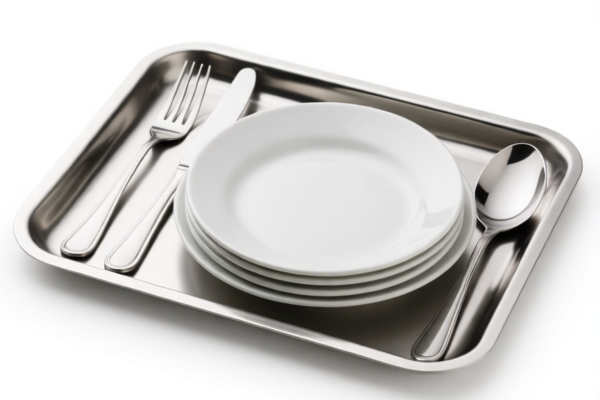
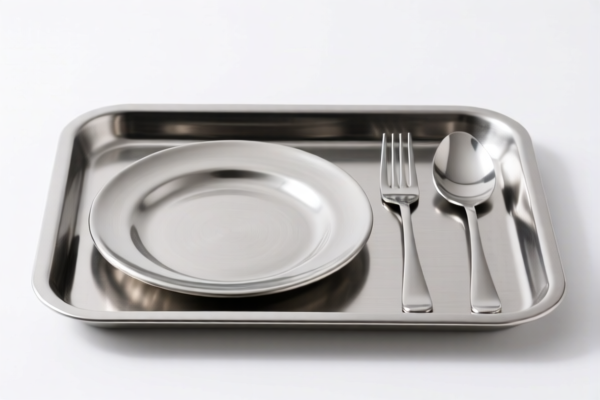
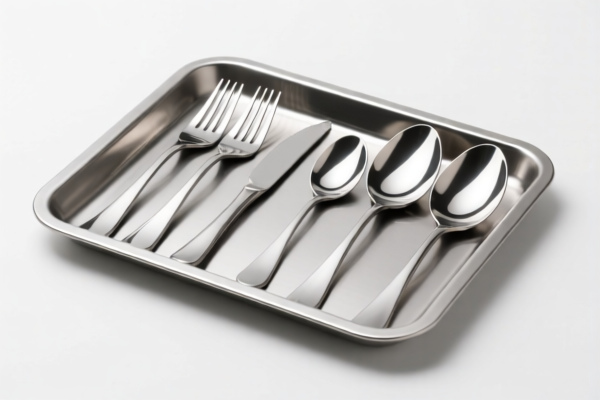
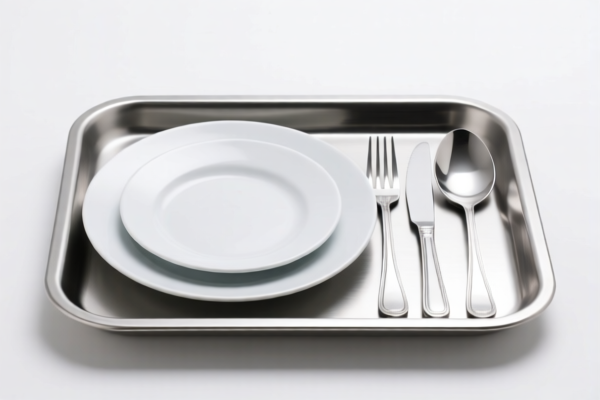
AI分析
🍷 Table Trays (Display & Serving Trays)
🌐 HS Code Reference & Customs Clearance Guide | 2026 Latest Tariff Analysis | Professional Logistics Strategy
📌 I. Product Definition & Classification: What Exactly is a "Table Tray"?
A Table Tray is a versatile flat or slightly concave platform used for carrying, displaying, or serving items on a table. In international trade, its Harmonized System (HS) code is strictly determined by its material.
1. Wooden/Composite Wooden Trays (展示托盘)
Used for displaying goods (retail, exhibitions) or serving. Material: Wood, bamboo, or composite wood.
2. Metal Trays (酒托盘/餐桌用品)
Used for serving wine, cutlery, or dining purposes. Material: Iron, steel, aluminum, or other metal.
3. Plastic Trays (酒托盘/餐具)
Used for serving drinks, snacks, or as household utensils. Material: Plastic (polypropylene, melamine, etc.).
⚠️ Key Distinction:
- If the material is Wood/Bamboo → HS Chapter 44
- If the material is Metal (Iron/Steel) → HS Chapter 73
- If the material is Plastic → HS Chapter 39
- Misclassification Risk: Declaring a steel tray as wood to avoid tariffs will trigger customs audits, fines, and potential seizure.
📦 II. HS Code Classification Details (2026 Tariff Schedule)
Based on the provided data, here are the precise HS codes for Table Trays categorized by material:
| HS Code | Product Description | Material | Use Case | Tax Rate (Total) |
|---|---|---|---|---|
4421.99.98.80 |
Wooden Display Tray (Other wooden articles) | Wood / Composite Wood | Retail display, exhibition, general serving | 38.3% |
4421.91.98.80 |
Wooden Display Tray (Other bamboo/wooden articles) | Wood / Bamboo | Retail display, exhibition, general serving | 38.3% |
7323.99.90.80 |
Wine/Dining Tray (Tableware, kitchenware) | Iron / Steel | Wine serving, dining tableware | 88.4% |
7323.99.90.30 |
Metal Tray (Tableware, dining utensils) | Metal (Steel/Aluminum/Copper) | Dining tableware, serving | 88.4% |
3924.10.40.00 |
Plastic Tray (Household/Restaurant articles) | Plastic | Wine serving, household use, dining | 13.4% |
🔍 Critical Note:
- Metal trays face the highest tariffs due to specific anti-dumping/Section 301-style add-ons.
- Wooden trays have moderate tariffs but are subject to specific "Section 122" add-ons.
- Plastic trays are the most tariff-efficient option in this dataset.
💰 III. 2026 Latest Tariff Rate Breakdown (Detailed Tax Clauses)
✅ Target Market: USA (implied by Section 122 and 301-style tariffs)
✅ Origin: China (CN)
✅ Effective Date: Current policies apply (Section 122 & Additional Tariffs)
🎯 1. Wooden Trays (4421.99.98.80 / 4421.91.98.80)
| Item | Detail |
|---|---|
| Base Tariff | 3.3% |
| Additional Tariff | 25.0% (Section 301 style) |
| Section 122 Tariff | 10% (Specific to certain wood products) |
| Total Tax Rate | 38.3% |
| Calculation | CIF Value × 38.3% |
| Legal Basis | Base duty + 25% add-on + 10% Section 122 duty |
📌 Explanation:
- The 25% is a standard punitive/additional tariff for Chinese wood products.
- The 10% is a specific "Section 122" duty, likely targeting specific wooden articles.
- Total Burden: Nearly 38.5% of the product value.
🎯 2. Metal Trays (Iron/Steel) (7323.99.90.80 / 7323.99.90.30)
| Item | Detail |
|---|---|
| Base Tariff | 3.4% |
| Additional Tariff | 25.0% |
| Section 122 Tariff | 10% |
| Steel/Aluminum/Copper Surcharge | 50% (Specific add-on for steel/aluminum/copper products) |
| Total Tax Rate | 88.4% |
| Calculation | CIF Value × 88.4% |
| Legal Basis | Base + 25% + 10% + 50% Special Material Surcharge |
📌 WARNING:
- The 50% surcharge for "Steel, Aluminum, Copper Products" is the primary driver of this high rate.
- This makes steel trays extremely expensive to import.
- Total Burden: Almost doubling the cost of the product.
🎯 3. Plastic Trays (3924.10.40.00)
| Item | Detail |
|---|---|
| Base Tariff | 3.4% |
| Additional Tariff | 0.0% (No Section 301 add-on for this specific plastic subheading) |
| Section 122 Tariff | 10% |
| Total Tax Rate | 13.4% |
| Calculation | CIF Value × 13.4% |
| Legal Basis | Base + 10% Section 122 |
📌 Advantage:
- Lowest Tax Rate among all materials.
- No additional 25% or 50% punitive tariffs apply here.
- Cost Efficiency: Significantly lower than wood (38.3%) and metal (88.4%).
🛠️ IV. Customs Clearance Practical Advice (Avoiding Pitfalls)
✅ 1. Documentation Checklist
| Document | Requirement | Reason |
|---|---|---|
| Commercial Invoice | Clearly state Material (e.g., "Solid Wood," "Stainless Steel," "PP Plastic") | Customs uses material to determine HS Code. Vague terms like "Tray" lead to delays. |
| Product Photos | High-res images showing surface texture, joints, and material finish | Proves material type (e.g., wood grain vs. metal sheen). |
| Material Certificate | For metal trays, provide alloy composition if requested | Verifies if it falls under the "50% surcharge" category. |
| Origin Declaration | Certify Country of Origin (CN) | Determines eligibility for Section 122 and Additional Tariffs. |
✅ 2. HS Code Selection Strategy
| Scenario | Recommended HS Code | Why? |
|---|---|---|
| Budget-Friendly Export | 3924.10.40.00 (Plastic) |
13.4% tax. Lowest cost, no heavy surcharges. |
| High-End Retail Display | 4421.99.98.80 (Wood) |
38.3% tax. Acceptable for high-value displayed goods. |
| Premium Metal Serving | 7323.99.90.80 (Steel) |
88.4% tax. Only viable if product margin is very high. |
🚫 Common Mistake:
- Declaring a Steel Tray as Plastic to save taxes.
- Result: Customs inspection will reveal the material → Fine + Seizure + Back Taxes.
- Declaring a Wood Tray as Metal (or vice versa).
- Result: Misclassification penalty + delay.
✅ 3. Special Tips for Section 122 & Add-Ons
- Section 122 (10%): Applies to all three categories in the provided data. This is a fixed cost you cannot avoid unless you change the origin.
- Steel Surcharge (50%): Only applies to HS 7323 (Iron/Steel).
- Mitigation Strategy: If possible, design the tray using Aluminum (if not subject to the same 50% rule) or Wood/Plastic to avoid the 88.4% rate.
- Note: The data shows HS 7323.99.90.30 also hits 88.4%, so "Metal" is broadly penalized.
🌍 V. Global Market Comparison (2026)
| Market | Recommended Material | Est. Total Tax | Notes |
|---|---|---|---|
| 🇺🇸 USA | Plastic (3924.10.40.00) |
13.4% | Steel/Wood face heavy Section 301 & 122 duties. |
| 🇪🇺 EU | Wood/Metal/Plastic | 0-6.5% | No Section 122. VAT applies (19-21%). |
| 🇨🇳 China | Any | 0-10% | Export duties are low; import duties vary by material. |
| 🇬🇧 UK | Any | 0-12% | Post-Brexit tariffs apply. No US-style punitive duties. |
📌 Conclusion for US Market:
- Plastic is the only cost-effective option.
- Wood is moderately expensive.
- Metal (Steel) is prohibitively expensive due to the 50% material surcharge.
📌 VI. Common Errors & Pitfalls (Lessons Learned)
❌ Error 1: Using "Tableware" as the description without specifying material.
👉 Result: Customs assigns the highest default rate or delays for inspection.
✅ Fix: Use "Plastic Dining Tray, PP Material, Model XYZ".
❌ Error 2: Ignoring the "Section 122" duty for wood products.
👉 Result: Underestimated landed cost by 10%.
✅ Fix: Always add 10% to wood product tax calculations.
❌ Error 3: Assuming all "Metal" is the same.
👉 Result: Failing to see that Steel triggers a 50% surcharge, while Aluminum might not (check specific subheadings).
✅ Fix: Verify the exact metal type and corresponding HS subheading.
🎯 VII. Conclusion: Choose Material Wisely!
🎯 Key Takeaway:
🔹 For US Market: Plastic is King (13.4% tax).
🔹 Wood is Middle Ground (38.3% tax).
🔹 Steel is Costly (88.4% tax due to 50% surcharge).
📌 Action Plan:
1. Audit your Bill of Materials (BOM): Confirm the exact material.
2. Consult your Broker: Ask if any plastic subheadings have lower Section 122 applicability.
3. Consider Material Shift: If exporting steel trays to the US, consider switching to plastic or wood alternatives to save ~75% in duties.
✨ Professional Clearance Starts with Accurate Classification!
💼 Your Margins Depend on Your HS Code!
用户评价
关于 HS 编码归类
协调制度(HS)是由世界海关组织(WCO)制定的国际贸易商品分类标准。全球 200 多个国家采用 HS 系统作为海关关税、贸易统计和进出口监管的基础。
每个 HS 编码遵循以下层级结构:
- 章(2 位)——商品大类(例如:第 84 章:机器和机械设备)
- 品目(4 位)——章内的更具体分类
- 子目(6 位)——国际通用细分,所有 WCO 成员国统一使用
- 本国细分(8-10 位)——各国自行扩展的细分编码,如美国 HTSUS 10 位编码
正确的 HS 编码归类对于顺利通关、准确缴纳关税和遵守贸易法规至关重要。错误归类可能导致海关延误、多缴关税或罚款。
从CN进口到US时,适用的关税税率可能包括:
- 最惠国(MFN)税率——适用于 WTO 成员国的标准关税税率
- 普通税率——适用于无贸易协定国家
- 贸易救济关税——附加关税,如 301 条款(反倾销)、232 条款(国家安全)或反补贴税
本页内容仅供参考。如需正式归类,请咨询当地海关或持牌报关代理。