table tray
CN → US| HS Code | Tariff Rate | Origin | Destination | Doc |
|---|---|---|---|---|
| 4421999880 | 38.3% | CN | US | Official Doc |
| 4421919880 | 38.3% | CN | US | Official Doc |
| 7323999080 | 88.4% | CN | US | Official Doc |
| 7323999030 | 88.4% | CN | US | Official Doc |
| 3924104000 | 13.4% | CN | US | Official Doc |
Product Images
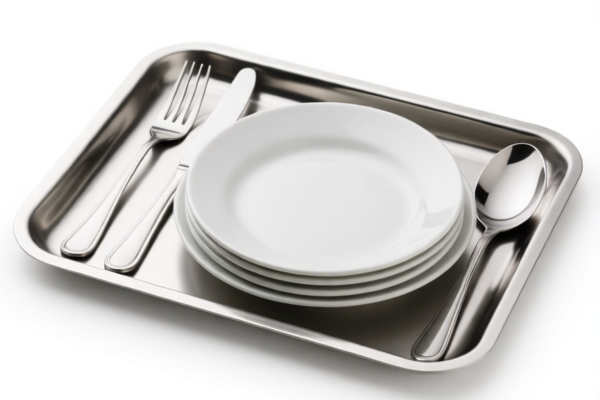
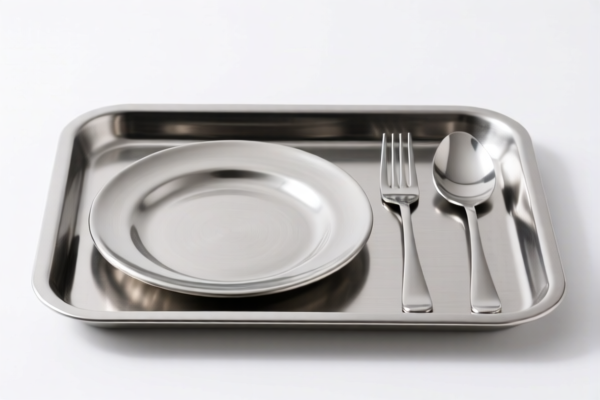
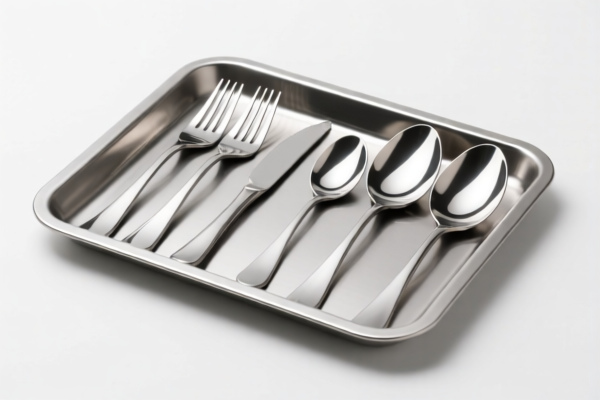
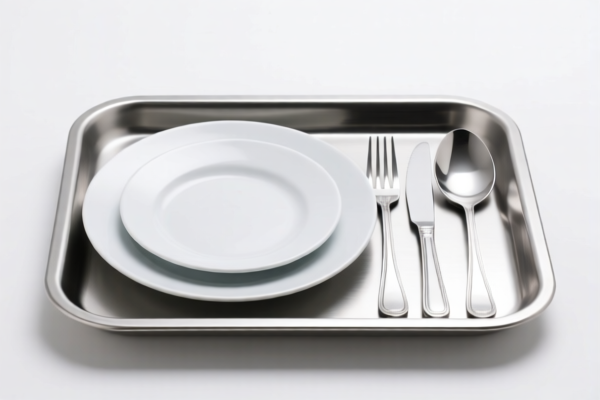
AI Analysis
🍷 Table Trays (Display & Serving Trays)
🌐 HS Code Reference & Customs Clearance Guide | 2026 Latest Tariff Analysis | Professional Logistics Strategy
📌 I. Product Definition & Classification: What Exactly is a "Table Tray"?
A Table Tray is a versatile flat or slightly concave platform used for carrying, displaying, or serving items on a table. In international trade, its Harmonized System (HS) code is strictly determined by its material.
1. Wooden/Composite Wooden Trays (展示托盘)
Used for displaying goods (retail, exhibitions) or serving. Material: Wood, bamboo, or composite wood.
2. Metal Trays (酒托盘/餐桌用品)
Used for serving wine, cutlery, or dining purposes. Material: Iron, steel, aluminum, or other metal.
3. Plastic Trays (酒托盘/餐具)
Used for serving drinks, snacks, or as household utensils. Material: Plastic (polypropylene, melamine, etc.).
⚠️ Key Distinction:
- If the material is Wood/Bamboo → HS Chapter 44
- If the material is Metal (Iron/Steel) → HS Chapter 73
- If the material is Plastic → HS Chapter 39
- Misclassification Risk: Declaring a steel tray as wood to avoid tariffs will trigger customs audits, fines, and potential seizure.
📦 II. HS Code Classification Details (2026 Tariff Schedule)
Based on the provided data, here are the precise HS codes for Table Trays categorized by material:
| HS Code | Product Description | Material | Use Case | Tax Rate (Total) |
|---|---|---|---|---|
4421.99.98.80 |
Wooden Display Tray (Other wooden articles) | Wood / Composite Wood | Retail display, exhibition, general serving | 38.3% |
4421.91.98.80 |
Wooden Display Tray (Other bamboo/wooden articles) | Wood / Bamboo | Retail display, exhibition, general serving | 38.3% |
7323.99.90.80 |
Wine/Dining Tray (Tableware, kitchenware) | Iron / Steel | Wine serving, dining tableware | 88.4% |
7323.99.90.30 |
Metal Tray (Tableware, dining utensils) | Metal (Steel/Aluminum/Copper) | Dining tableware, serving | 88.4% |
3924.10.40.00 |
Plastic Tray (Household/Restaurant articles) | Plastic | Wine serving, household use, dining | 13.4% |
🔍 Critical Note:
- Metal trays face the highest tariffs due to specific anti-dumping/Section 301-style add-ons.
- Wooden trays have moderate tariffs but are subject to specific "Section 122" add-ons.
- Plastic trays are the most tariff-efficient option in this dataset.
💰 III. 2026 Latest Tariff Rate Breakdown (Detailed Tax Clauses)
✅ Target Market: USA (implied by Section 122 and 301-style tariffs)
✅ Origin: China (CN)
✅ Effective Date: Current policies apply (Section 122 & Additional Tariffs)
🎯 1. Wooden Trays (4421.99.98.80 / 4421.91.98.80)
| Item | Detail |
|---|---|
| Base Tariff | 3.3% |
| Additional Tariff | 25.0% (Section 301 style) |
| Section 122 Tariff | 10% (Specific to certain wood products) |
| Total Tax Rate | 38.3% |
| Calculation | CIF Value × 38.3% |
| Legal Basis | Base duty + 25% add-on + 10% Section 122 duty |
📌 Explanation:
- The 25% is a standard punitive/additional tariff for Chinese wood products.
- The 10% is a specific "Section 122" duty, likely targeting specific wooden articles.
- Total Burden: Nearly 38.5% of the product value.
🎯 2. Metal Trays (Iron/Steel) (7323.99.90.80 / 7323.99.90.30)
| Item | Detail |
|---|---|
| Base Tariff | 3.4% |
| Additional Tariff | 25.0% |
| Section 122 Tariff | 10% |
| Steel/Aluminum/Copper Surcharge | 50% (Specific add-on for steel/aluminum/copper products) |
| Total Tax Rate | 88.4% |
| Calculation | CIF Value × 88.4% |
| Legal Basis | Base + 25% + 10% + 50% Special Material Surcharge |
📌 WARNING:
- The 50% surcharge for "Steel, Aluminum, Copper Products" is the primary driver of this high rate.
- This makes steel trays extremely expensive to import.
- Total Burden: Almost doubling the cost of the product.
🎯 3. Plastic Trays (3924.10.40.00)
| Item | Detail |
|---|---|
| Base Tariff | 3.4% |
| Additional Tariff | 0.0% (No Section 301 add-on for this specific plastic subheading) |
| Section 122 Tariff | 10% |
| Total Tax Rate | 13.4% |
| Calculation | CIF Value × 13.4% |
| Legal Basis | Base + 10% Section 122 |
📌 Advantage:
- Lowest Tax Rate among all materials.
- No additional 25% or 50% punitive tariffs apply here.
- Cost Efficiency: Significantly lower than wood (38.3%) and metal (88.4%).
🛠️ IV. Customs Clearance Practical Advice (Avoiding Pitfalls)
✅ 1. Documentation Checklist
| Document | Requirement | Reason |
|---|---|---|
| Commercial Invoice | Clearly state Material (e.g., "Solid Wood," "Stainless Steel," "PP Plastic") | Customs uses material to determine HS Code. Vague terms like "Tray" lead to delays. |
| Product Photos | High-res images showing surface texture, joints, and material finish | Proves material type (e.g., wood grain vs. metal sheen). |
| Material Certificate | For metal trays, provide alloy composition if requested | Verifies if it falls under the "50% surcharge" category. |
| Origin Declaration | Certify Country of Origin (CN) | Determines eligibility for Section 122 and Additional Tariffs. |
✅ 2. HS Code Selection Strategy
| Scenario | Recommended HS Code | Why? |
|---|---|---|
| Budget-Friendly Export | 3924.10.40.00 (Plastic) |
13.4% tax. Lowest cost, no heavy surcharges. |
| High-End Retail Display | 4421.99.98.80 (Wood) |
38.3% tax. Acceptable for high-value displayed goods. |
| Premium Metal Serving | 7323.99.90.80 (Steel) |
88.4% tax. Only viable if product margin is very high. |
🚫 Common Mistake:
- Declaring a Steel Tray as Plastic to save taxes.
- Result: Customs inspection will reveal the material → Fine + Seizure + Back Taxes.
- Declaring a Wood Tray as Metal (or vice versa).
- Result: Misclassification penalty + delay.
✅ 3. Special Tips for Section 122 & Add-Ons
- Section 122 (10%): Applies to all three categories in the provided data. This is a fixed cost you cannot avoid unless you change the origin.
- Steel Surcharge (50%): Only applies to HS 7323 (Iron/Steel).
- Mitigation Strategy: If possible, design the tray using Aluminum (if not subject to the same 50% rule) or Wood/Plastic to avoid the 88.4% rate.
- Note: The data shows HS 7323.99.90.30 also hits 88.4%, so "Metal" is broadly penalized.
🌍 V. Global Market Comparison (2026)
| Market | Recommended Material | Est. Total Tax | Notes |
|---|---|---|---|
| 🇺🇸 USA | Plastic (3924.10.40.00) |
13.4% | Steel/Wood face heavy Section 301 & 122 duties. |
| 🇪🇺 EU | Wood/Metal/Plastic | 0-6.5% | No Section 122. VAT applies (19-21%). |
| 🇨🇳 China | Any | 0-10% | Export duties are low; import duties vary by material. |
| 🇬🇧 UK | Any | 0-12% | Post-Brexit tariffs apply. No US-style punitive duties. |
📌 Conclusion for US Market:
- Plastic is the only cost-effective option.
- Wood is moderately expensive.
- Metal (Steel) is prohibitively expensive due to the 50% material surcharge.
📌 VI. Common Errors & Pitfalls (Lessons Learned)
❌ Error 1: Using "Tableware" as the description without specifying material.
👉 Result: Customs assigns the highest default rate or delays for inspection.
✅ Fix: Use "Plastic Dining Tray, PP Material, Model XYZ".
❌ Error 2: Ignoring the "Section 122" duty for wood products.
👉 Result: Underestimated landed cost by 10%.
✅ Fix: Always add 10% to wood product tax calculations.
❌ Error 3: Assuming all "Metal" is the same.
👉 Result: Failing to see that Steel triggers a 50% surcharge, while Aluminum might not (check specific subheadings).
✅ Fix: Verify the exact metal type and corresponding HS subheading.
🎯 VII. Conclusion: Choose Material Wisely!
🎯 Key Takeaway:
🔹 For US Market: Plastic is King (13.4% tax).
🔹 Wood is Middle Ground (38.3% tax).
🔹 Steel is Costly (88.4% tax due to 50% surcharge).
📌 Action Plan:
1. Audit your Bill of Materials (BOM): Confirm the exact material.
2. Consult your Broker: Ask if any plastic subheadings have lower Section 122 applicability.
3. Consider Material Shift: If exporting steel trays to the US, consider switching to plastic or wood alternatives to save ~75% in duties.
✨ Professional Clearance Starts with Accurate Classification!
💼 Your Margins Depend on Your HS Code!
Customer Reviews
About HS Code Classification
The Harmonized System (HS) is an internationally standardized nomenclature developed by the World Customs Organization (WCO) to classify traded products. Over 200 countries use the HS system as the basis for customs tariffs, trade statistics, and import/export regulations.
Each HS code follows a hierarchical structure:
- Chapter (2 digits) — Broad category of goods (e.g., Chapter 84: Machinery and Mechanical Appliances)
- Heading (4 digits) — More specific grouping within the chapter
- Subheading (6 digits) — Internationally standardized breakdown, used by all WCO member countries
- National subdivisions (8-10 digits) — Country-specific extensions for further classification, such as US HTSUS 10-digit codes
Correct HS code classification is essential for smooth customs clearance, accurate duty payment, and compliance with trade regulations. Misclassification can lead to customs delays, overpayment of duties, or penalties.
When importing from CN to US, the applicable tariff rates may include:
- Most-Favored-Nation (MFN) rate — The standard duty rate applied to WTO members
- General rate — Applied to countries without trade agreements
- Trade remedy duties — Additional tariffs such as Section 301 (anti-dumping), Section 232 (national security), or countervailing duties
The information provided on this page is for reference purposes only. For official classification, please consult with your local customs authority or a licensed customs broker.