tea pot
CN → US| HS编码 | 关税税率 | 原产国 | 目的国 | 文档 |
|---|---|---|---|---|
| 7615107155 | 63.1% | CN | US | 官方文档 |
| 7615103025 | 70.6% | CN | US | 官方文档 |
| 6911104100 | 16.3% | CN | US | 官方文档 |
| 6911108010 | 38.3% | CN | US | 官方文档 |
| 7323930045 | 62.0% | CN | US | 官方文档 |
商品图片
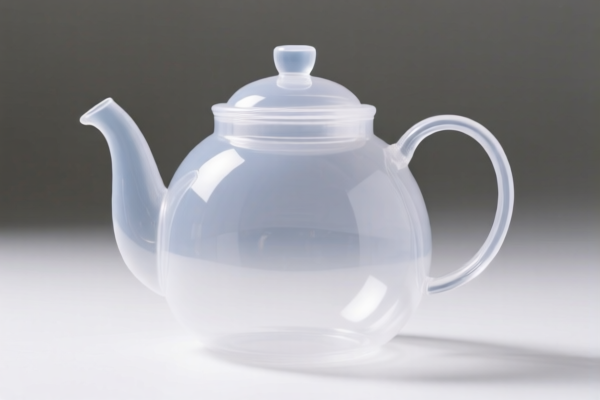
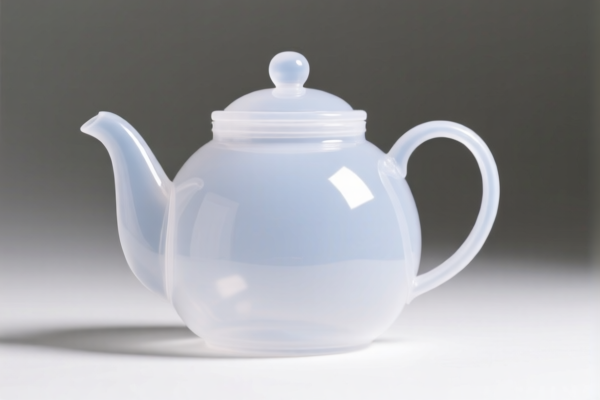
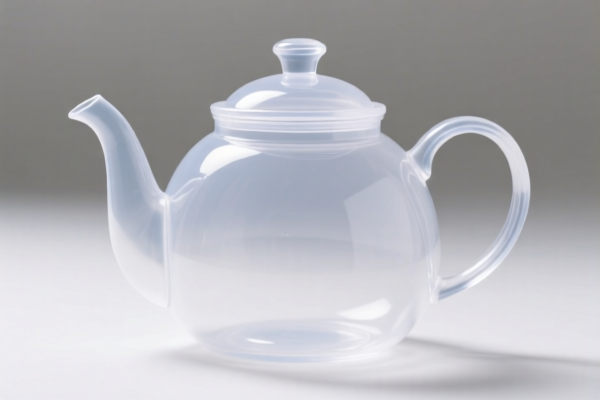
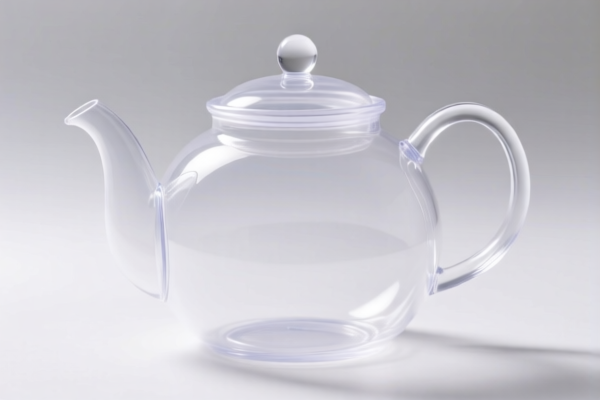
AI分析
🍵 Tea Pot / Coffee Pot (Kitchenware Analysis)
🌐 HS Code Reference & Customs Clearance Guide | 2026 Latest Tariff Analysis | Professional Clearance Strategy
📌 I. Product Definition & Classification: What Exactly Is a "Tea Pot"?
In international trade, the term "Tea Pot" is ambiguous. It can refer to traditional ceramic vessels, modern metal brewers, or electric appliances. For the purpose of this analysis, we focus on non-electric kitchenware (manual brewing vessels), as per the provided <DATA>.
The classification hinges primarily on Material and Specific Use: * Metal Vessels (Stainless Steel, Aluminum, etc.): Often grouped under general kitchen metalware. * Ceramic/Glass Vessels: Classified under specific ceramic or glass subheadings.
⚠️ Key Distinction:
- If the pot is metal and used for cooking/preparation → Likely 7323 or 7615.
- If the pot is ceramic and used for household/kitchen use → Likely 6911.
- Electric pots are NOT included in the provided data (typically HS 8516).
📦 II. HS Code Classification Details (Based on Provided Data)
| HS Code | Summary Description | Primary Material | Estimated Total Tax Rate |
|---|---|---|---|
7615.10.71.55 |
Inferred as metal (e.g., stainless steel or aluminum) coffee pot for kitchen use | Metal (Aluminum/Steel) | 63.1% |
7615.10.30.25 |
Aluminum pot fitting kitchenware attributes | Aluminum | 70.6% |
6911.10.41.00 |
Kitchenware, Ceramic material | Ceramic | 16.3% |
6911.10.80.10 |
Kitchenware, possibly Ceramic, Glass, or Metal | Mixed/Ambiguous | 38.3% |
7323.93.00.45 |
Cooking & Kitchen utensils, possibly Metal | Metal (Steel/Alloy) | 62.0% |
🔍 Analysis:
- Ceramic (6911) offers the lowest tax burden (16.3%) among the options.
- Metal (7615/7323) incurs significantly higher taxes due to Section 232 (Steel/Aluminum) tariffs, pushing rates above 60%.
- The ambiguity in 6911.10.80.10 suggests a higher base tariff due to uncertainty or broader categorization.
💰 III. 2026 Latest Tariff Rate Breakdown (With Surcharges)
✅ Applicable Country: United States (US)
✅ Origin: China (CN)
✅ Effective Date: Current rates apply including Section 301 and Section 232 surcharges.
🎯 1. 6911.10.41.00 —— Ceramic Kitchenware (Best Option)
| Item | Detail |
|---|---|
| Base Tariff | 6.3% |
| Section 301 Surcharge | 0.0% (Note: Data indicates 0% for this specific subheading in the provided context) |
| Section 122/Other Surcharges | 10% |
| Total Tax Rate | 16.3% |
| Tax Calculation | CIF Value × 16.3% |
| De Minimis Eligibility | ❌ Generally No (Below $800 threshold usually applies to all, but commercial clearance follows this rate) |
| Legal Basis | USITC Harmonized Tariff Schedule (HTS) for Ceramic Tableware/Household Articles |
📌 Explanation:
- This is the most cost-effective classification for non-metal tea pots.
- The low surcharge indicates that ceramic goods are not heavily targeted by the Section 232 (Steel/Aluminum) tariffs, only standard Section 301 or specific product exclusions may apply.
- Recommendation: If your product is ceramic, ensure it is clearly declared as "Ceramic Tea Pot" to avoid misclassification into metal categories.
🎯 2. 7615.10.71.55 & 7615.10.30.25 —— Aluminum Kitchenware (High Cost)
| Item | Detail |
|---|---|
| Base Tariff | 3.1% |
| Section 301 Surcharge | 0.0% (for .71.55) / 7.5% (for .30.25) |
| Section 232 Surcharge | 50% (Steel, Aluminum, Copper Products) |
| Total Tax Rate | 63.1% (.71.55) / 70.6% (.30.25) |
| Tax Calculation | CIF Value × 63.1% or 70.6% |
| De Minimis Eligibility | ❌ No |
| Legal Basis | IEEPA:9903.01.25 → USITC:7615.10.xxxx → FOOTNOTE:Section 232 |
📌 Explanation:
- Aluminum pots fall under Section 232, which imposes a 50% additional tariff.
- This makes aluminum tea pots extremely expensive to import into the US.
- Recommendation: Avoid importing pure aluminum kitchenware unless the profit margin can absorb a 60%+ tax increase. Consider stainless steel alternatives if certified under different subheadings, but steel also faces high tariffs (see below).
🎯 3. 7323.93.00.45 —— Steel/Metal Kitchenware (High Cost)
| Item | Detail |
|---|---|
| Base Tariff | 2.0% |
| Section 301 Surcharge | 0.0% |
| Section 232 Surcharge | 50% |
| Total Tax Rate | 62.0% |
| Tax Calculation | CIF Value × 62.0% |
| De Minimis Eligibility | ❌ No |
📌 Explanation:
- Similar to aluminum, steel kitchenware is subject to the 50% Section 232 tariff.
- While the base tariff is lower (2.0% vs 3.1%), the high surcharge dominates the cost.
🎯 4. 6911.10.80.10 —— Ambiguous Kitchenware (Medium-High Cost)
| Item | Detail |
|---|---|
| Base Tariff | 20.8% |
| Section 301 Surcharge | 7.5% |
| Section 122 Surcharges | 10% |
| Total Tax Rate | 38.3% |
| Tax Calculation | CIF Value × 38.3% |
📌 Explanation:
- This code seems to apply to items where the material is not clearly ceramic or falls into a broader "other" category.
- The higher base tariff (20.8%) suggests it is not the primary classification for standard ceramic ware.
- Risk: Misclassification here could lead to audits if customs determines the item is clearly ceramic (which should be 6911.10.41.00 at 16.3%).
🛠️ IV. Customs Clearance Practical Advice (Avoid Pitfalls)
✅ 1. Document Preparation Checklist
| Document | Required? | Notes |
|---|---|---|
| ✅ Product Description | ✔️ | Must specify Material (e.g., "100% Porcelain Ceramic" vs. "Stainless Steel"). Ambiguity leads to higher tariffs. |
| ✅ Material Certification | ✔️ | Provide mill certificates for metal or material test reports for ceramic. |
| ✅ Product Photos | ✔️ | Show handle, lid, and interior material. |
| ✅ Commercial Invoice | ✔️ | Clearly state "Ceramic Tea Pot" or "Aluminum Coffee Pot" to match HS Code. |
| ✅ HS Code Pre-Ruling | ✔️ | Highly recommended for metal items due to Section 232 complexity. |
✅ 2. Declaration Strategy
| Scenario | Recommended HS Code | Reason |
|---|---|---|
| Ceramic Tea Pot | 6911.10.41.00 |
Lowest tax (16.3%). Clearly declare as "Ceramic". |
| Stainless Steel Pot | 7323.93.00.45 |
Subject to 50% Section 232. Accept high cost or redesign material. |
| Aluminum Pot | 7615.10.71.55 |
Subject to 50% Section 232. High cost. |
| Mixed Material (e.g., Ceramic body, Metal lid) | 6911.10.41.00 (Primary) |
If ceramic is the essential character, classify as ceramic. Avoid 6911.10.80.10 to prevent higher base rates. |
🔥 Critical Tip:
"Material is Destiny!"
- If you sell Ceramic, declare Ceramic.
- If you sell Metal, be prepared for ~62-70% tax.
- Do NOT declare a steel pot as ceramic to evade Section 232. Customs will verify material and impose back taxes + penalties.
✅ 3. Special Considerations for Section 232
- Section 232 applies to steel, aluminum, and copper products.
- Exemptions: Very limited for consumer kitchenware. Ensure your supplier does not have a valid Country of Origin exemption (e.g., if aluminum is mined/processed in a non-targeted country, but rare for China origin).
- Cost Impact: The 50% surcharge is non-negotiable for most Chinese-origin metal kitchenware. Factor this into your pricing strategy.
🌍 V. Global Market Comparison (2026)
| Country | Recommended HS Code | Est. Tax Rate (China Origin) | Notes |
|---|---|---|---|
| 🇺🇸 USA | 6911.10.41.00 |
16.3% (Ceramic) 62-70% (Metal) |
Section 232 & 301 apply heavily to metal. |
| 🇨🇳 China | 6911.10.41.00 |
~5-7% (Export/Import) | Low tariffs for domestic trade; export duties may apply. |
| 🇪🇺 EU | 6911.10.41.00 |
~6.5% | No Section 232 equivalent. Metal tariffs are moderate (~5-8%). |
| 🇬🇧 UK | 6911.10.41.00 |
~6.5% | Post-Brexit tariffs similar to EU for ceramics. |
📌 Conclusion:
- Ceramic tea pots are highly competitive in the US market due to low tariffs (16.3%).
- Metal tea pots face prohibitive tariffs in the US (60%+), making them less competitive compared to EU or domestic markets.
- Strategy: Prioritize ceramic or non-steel/non-aluminum materials (e.g., glass, if applicable) for US exports to minimize tax burden.
📌 VI. Common Mistakes & Pitfalls (Lessons Learned)
❌ Mistake 1: Declaring an Aluminum Pot as "Kitchen Utensil" without material specification.
👉 Consequence: Customs may assess it as Steel/Aluminum under Section 232 → 50% Surcharge.
❌ Mistake 2: Using 6911.10.80.10 for Ceramic Pots.
👉 Consequence: Higher base tariff (20.8% vs 6.3%) → Unnecessary cost increase.
❌ Mistake 3: Ignoring Section 232 for Metal Products.
👉 Consequence: Budgeting errors. A 100% tax increase on material cost can wipe out profits.
✅ Correct Action:
"Ceramic Tea Pot, Porcelain, White, 500ml" →
6911.10.41.00
"Stainless Steel Coffee Pot" →7323.93.00.45(Prepare for 62% tax)
🎯 VII. Conclusion: Strategic Sourcing for US Market
🎯 Key Takeaway:
🔹 Ceramic = Low Tax (16.3%) → Go for Ceramic if targeting the US.
🔹 Metal = High Tax (62-70%) → Avoid Metal unless premium pricing is justified.
🔹 Be Precise in material description to avoid misclassification penalties.
📌 Pro Tip:
If your product is Glass, check if it fits under 6911.10.80.10 or similar. If not explicitly covered in the provided data, consult a customs broker, as glass may have different tariff treatments. However, based on the data, Ceramic is the safest and most cost-effective route.
📣 Immediate Action:
📞 Confirm Material: Ask suppliers for exact material composition.
📊 Calculate Landed Cost: Add 16.3% (Ceramic) or 62%+ (Metal) to your COGS.
📝 Declare Accurately: Use "Ceramic Tea Pot" for the best outcome.
✨ Smart Classification, Higher Profits!
💼 Don’t let Section 232 steal your margin!
用户评价
关于 HS 编码归类
协调制度(HS)是由世界海关组织(WCO)制定的国际贸易商品分类标准。全球 200 多个国家采用 HS 系统作为海关关税、贸易统计和进出口监管的基础。
每个 HS 编码遵循以下层级结构:
- 章(2 位)——商品大类(例如:第 84 章:机器和机械设备)
- 品目(4 位)——章内的更具体分类
- 子目(6 位)——国际通用细分,所有 WCO 成员国统一使用
- 本国细分(8-10 位)——各国自行扩展的细分编码,如美国 HTSUS 10 位编码
正确的 HS 编码归类对于顺利通关、准确缴纳关税和遵守贸易法规至关重要。错误归类可能导致海关延误、多缴关税或罚款。
从CN进口到US时,适用的关税税率可能包括:
- 最惠国(MFN)税率——适用于 WTO 成员国的标准关税税率
- 普通税率——适用于无贸易协定国家
- 贸易救济关税——附加关税,如 301 条款(反倾销)、232 条款(国家安全)或反补贴税
本页内容仅供参考。如需正式归类,请咨询当地海关或持牌报关代理。