tea pot
CN → US| HS Code | Tariff Rate | Origin | Destination | Doc |
|---|---|---|---|---|
| 7615107155 | 63.1% | CN | US | Official Doc |
| 7615103025 | 70.6% | CN | US | Official Doc |
| 6911104100 | 16.3% | CN | US | Official Doc |
| 6911108010 | 38.3% | CN | US | Official Doc |
| 7323930045 | 62.0% | CN | US | Official Doc |
Product Images
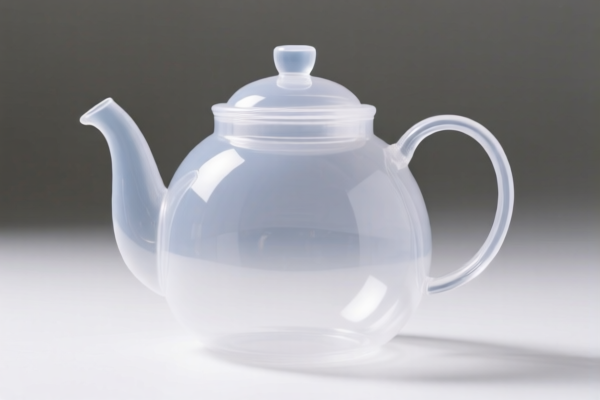
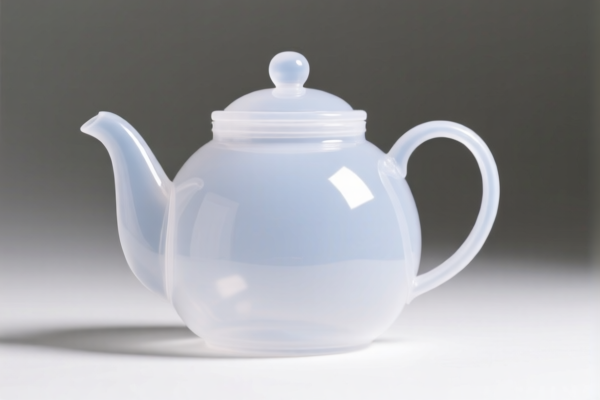
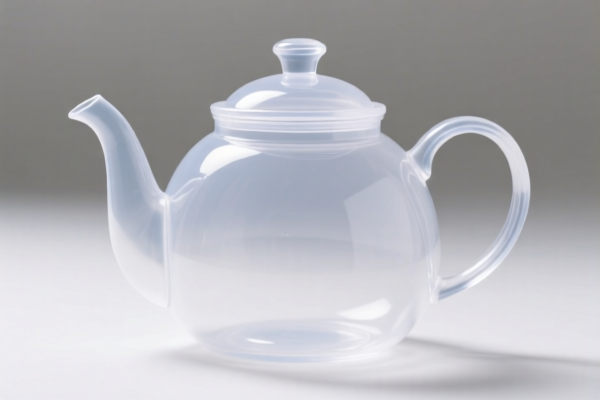
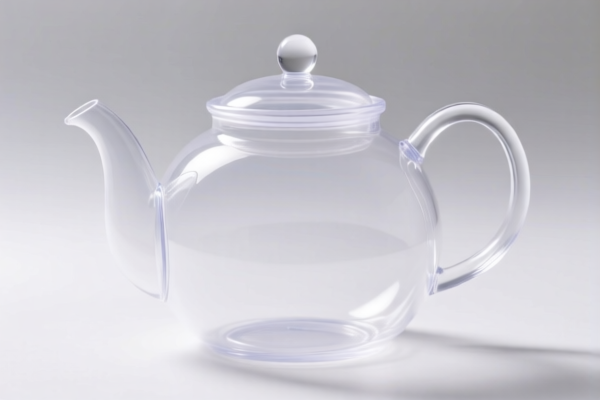
AI Analysis
🫖 Tea Pot (Kitchen Utensils & Cookware)
🌐 HS Code Reference & Customs Clearance Guide | 2026 Latest Tariff Analysis | Professional-Level Clearance Strategy
📌 I. Product Definition & Classification: Do You Really Understand "Tea Pot"?
A tea pot is a fundamental item in the kitchenware industry, primarily used for brewing and serving tea. In international trade, its classification heavily depends on material and specific usage. According to the provided data, tea pots are generally categorized into three main material categories: Metal (Aluminum/Stainless Steel), Ceramic, and Other Metals (Iron/Steel).
⚠️ Key Distinction Points:
- Material is King:
- If made of Aluminum or Stainless Steel → Classified under Chapter 76 or 73.
- If made of Ceramic → Classified under Chapter 69.
- Usage Context:
- Kitchen utensils/cookware vs. specific coffee/tea appliances.
- The summary explicitly mentions "Kitchen Utensils" (厨房用具) for all listed HS codes.
📦 II. HS Code Classification Details (Based on Provided Data)
| HS Code | Material/Summary | Total Tax Rate | Key Tax Components |
|---|---|---|---|
| 7615.10.71.55 | Aluminum/Stainless Steel (Inferred) | 63.1% | Base: 3.1%, Sec 301: 0%, Sec 232 (Steel/Al): 50% |
| 7615.10.30.25 | Aluminum/Stainless Steel (Inferred) | 70.6% | Base: 3.1%, Sec 301: 7.5%, Sec 232 (Steel/Al): 50% |
| 6911.10.41.00 | Ceramic | 16.3% | Base: 6.3%, Sec 301: 0%, Sec 122: 10% |
| 6911.10.80.10 | Ceramic/Glass/Metal (Inferred) | 38.3% | Base: 20.8%, Sec 301: 7.5%, Sec 122: 10% |
| 7323.93.00.45 | Iron/Steel/Stainless Steel | 62.0% | Base: 2.0%, Sec 301: 0%, Sec 232 (Steel/Al): 50% |
🔍 Important Note:
- The data indicates that Ceramic tea pots generally enjoy lower total tax rates (16.3% or 38.3%) compared to Metal ones (62.0%–70.6%).
- The high tax on metal tea pots is largely driven by the Sec 232 Tariff (50%) for steel and aluminum products.
💰 III. Detailed Tariff Rate Explanation (Including Additional Taxes)
✅ Applicable Country: USA (US)
✅ Origin: China (CN) (Inferred from Sec 301/122/232 context)
✅ 生效时间: Current active tariffs (2026 context)
🎯 1. 7615.10.71.55 & 7615.10.30.25 —— Metal Tea Pots (Aluminum/Stainless Steel)
| Item | Content |
|---|---|
| Base Duty | 3.1% (Ad Valorem) |
| Sec 301 Tariff (加征关税) | 0.0% (for .71.55) or 7.5% (for .30.25) |
| Sec 232 Tariff (钢,铝铜制品加征关税) | +50% (Critical Cost Driver) |
| Sec 122 Tariff | 0% (Not applicable for these specific metal classifications in the data) |
| Total Tax Rate | 63.1% or 70.6% |
| Tax Calculation | CIF Value × Total Rate |
| De Minimis Exemption | ❌ Not Applicable (Due to high Sec 232/301 rates) |
| Legal Basis | USITC:7615.10 + Sec 232 Footnotes + Sec 301 Tariff List |
📌 Explanation:
- The 50% Sec 232 Tariff is applied to steel and aluminum products for national security reasons. This is the biggest cost factor.
- The difference between 63.1% and 70.6% comes from the Sec 301 Tariff (0% vs 7.5%).
- Result: Extremely high duty, significantly impacting profitability.
🎯 2. 6911.10.41.00 —— Ceramic Tea Pots
| Item | Content |
|---|---|
| Base Duty | 6.3% |
| Sec 301 Tariff | 0.0% |
| Sec 122 Tariff (10% Section) | +10% |
| Total Tax Rate | 16.3% |
| Tax Calculation | CIF Value × 16.3% |
| De Minimis Exemption | ❌ Not Applicable (Standard practice for ceramic goods from CN, though base rate is lower) |
| Legal Basis | USITC:6911.10 + Sec 122 Tariff List |
📌 Explanation:
- Ceramic tea pots face no Sec 232 tariff (since they are not steel/aluminum).
- The 10% Sec 122 tariff applies to certain articles of China.
- Result: Lowest cost option among the listed classifications. Highly recommended if product design allows for ceramic material.
🎯 3. 7323.93.00.45 —— Iron/Steel Tea Pots
| Item | Content |
|---|---|
| Base Duty | 2.0% |
| Sec 301 Tariff | 0.0% |
| Sec 232 Tariff (Steel/Al) | +50% |
| Sec 122 Tariff | 0% |
| Total Tax Rate | 62.0% |
| Tax Calculation | CIF Value × 62.0% |
| De Minimis Exemption | ❌ Not Applicable |
| Legal Basis | USITC:7323.93 + Sec 232 Footnotes |
📌 Explanation:
- Similar to the Aluminum category, the 50% Sec 232 tariff dominates the cost.
- The base duty is lower (2.0% vs 3.1%), resulting in a slightly lower total rate (62.0% vs 63.1%) than the Aluminum category.
🎯 4. 6911.10.80.10 —— Other Ceramic/Glass/Metal Tea Pots
| Item | Content |
|---|---|
| Base Duty | 20.8% |
| Sec 301 Tariff | 7.5% |
| Sec 122 Tariff | 10% |
| Total Tax Rate | 38.3% |
| Tax Calculation | CIF Value × 38.3% |
| De Minimis Exemption | ❌ Not Applicable |
| Legal Basis | USITC:6911.10 + Sec 301/122 Tariffs |
📌 Explanation:
- This code seems to apply to "Other" ceramic items or mixed materials not covered by the first ceramic code.
- Higher base duty (20.8%) makes it more expensive than6911.10.41.00but cheaper than the metal options.
🛠️ IV. Customs Clearance Practical Advice (Avoid Pitfalls)
✅ 1. Material Declaration is Critical
| Scenario | Correct Declaration | Error Consequence |
|---|---|---|
| Aluminum Tea Pot | "Aluminum Tea Pot, Kitchen Utensil" | Misclassification → Penalty + Back Taxes |
| Ceramic Tea Pot | "Ceramic Tea Pot, Kitchen Utensil" | Misclassification → Higher Tax Rate |
| Stainless Steel Tea Pot | "Stainless Steel Tea Pot, Kitchen Utensil" | Ambiguity → Seizure or Delay |
| Mixed Material | Specify Main Material (e.g., "Ceramic Body with Metal Lid") | Risk of being classified under highest tax rate |
🔥 Key Tip:
"Material Determines Tax!"
- Ceramic = ~16-38% Tax
- Metal (Steel/Al) = ~62-70% Tax
If possible, choose Ceramic material for the US market to save ~40% in tariffs.
✅ 2. Required Documents for Clearance
| Document | Requirement | Notes |
|---|---|---|
| Commercial Invoice | Must specify Material (e.g., "100% Ceramic") | Avoid vague terms like "Household Item" |
| Product Photos | Clear view of material texture and labeling | Show any "Ceramic" or "Stainless Steel" marks |
| Packing List | Detail weight and dimensions | Essential for Sec 122/301 calculations |
| Origin Certificate | If applicable | For potential exemptions (rare for CN origin) |
| FCC/CE Certificates | If electronic (e.g., electric tea pot) | Not required for manual tea pots |
✅ 3. Special Considerations for Sec 232 Tariffs
| Issue | Recommendation |
|---|---|
| Steel/Aluminum | Check if the product qualifies for any national security exemptions (very rare for consumer goods). |
| Transshipment | Do NOT try to reroute through Vietnam/Mexico without substantial transformation. US CBP closely monitors "tea pot" origins from Asia. |
| Small Package (De Minimis) | Do NOT rely on $800 de minimis exemption. Sec 232 and Sec 301 tariffs usually apply to de minimis shipments if the HS code is flagged. |
🌍 V. Global Market Comparison (2026 Context)
| Region | Recommended HS Code | Est. Total Tax | Notes |
|---|---|---|---|
| 🇺🇸 USA | 6911.10.41.00 (Ceramic) |
16.3% | Lowest tax for ceramic. Metal faces 50% Sec 232. |
| 🇺🇸 USA | 7615.10.71.55 (Aluminum) |
63.1% | High cost due to Sec 232. |
| 🇪🇺 EU | 7323.93.00 |
~5-7% | No Sec 232/301. Lower base duty. |
| 🇬🇧 UK | 7323.93.00 |
~5-7% | Post-Brexit tariffs may vary slightly. |
| 🇨🇳 China | 7323.93.00 |
5-10% | Domestic trade benefits from lower VAT/ tariffs. |
📌 Conclusion:
- USA is the most challenging market for Metal tea pots due to Sec 232 (50%).
- Ceramic tea pots are the best choice for USA export in terms of tariff efficiency.
📌 VI. Common Mistakes & Pitfalls (Lessons Learned)
❌ Mistake 1: Declaring a Stainless Steel tea pot as Ceramic to avoid Sec 232.
👉 Consequence: CBP inspection will reveal the metal material → Penalty + 50% Back Taxes + Fraud Investigation.
❌ Mistake 2: Ignoring the Sec 301 Tariff difference between .71.55 (0%) and .30.25 (7.5%).
👉 Consequence: Underpayment by 7.5% on high-value shipments → Seizure and Liquidation.
❌ Mistake 3: Using "Kitchen Utensil" as the only description without specifying Material.
👉 Consequence: CBP will assign a "catch-all" code with the highest possible tariff (often the metal rate).
✅ Correct Declaration Example:
"Ceramic Tea Pot, Hand-made, 100% Porcelain, Kitchen Utensil, Model XYZ, Made in China"
(Use HS Code:6911.10.41.00for lowest tax)
🎯 VII. Conclusion: Smart Classification, Cost Optimization!
🎯 Remember This Rule:
🔹 "Ceramic is King in the USA! Metal Pays the Penalty!"
🔹 Sec 232 (50%) is the Death Toll for Steel/Aluminum Tea Pots.
🔹 Declare Material Clearly to Avoid CBP Audits.
📌 Pro Tip:
If you must export Metal Tea Pots to the USA:
1. Optimize Packaging: Reduce CIF value where legal (e.g., separate shipping for heavy packaging).
2. Check for Exemptions: Are there any specific HTS subcategories excluded from Sec 232? (Unlikely for general consumer goods).
3. Consider DDP/DAP: Factor the 62-70% tax into your pricing strategy.
📣 Immediate Action:
📞 Consult a Customs Broker to verify the exact HS code for your specific product sample.
🚀 Switch to Ceramic if your design allows, and Save 40-50% in Duties!
✨ Professional Customs Clearance Starts with Accurate Classification!
💼 Every Dollar Saved in Tariffs is Pure Profit!
Customer Reviews
About HS Code Classification
The Harmonized System (HS) is an internationally standardized nomenclature developed by the World Customs Organization (WCO) to classify traded products. Over 200 countries use the HS system as the basis for customs tariffs, trade statistics, and import/export regulations.
Each HS code follows a hierarchical structure:
- Chapter (2 digits) — Broad category of goods (e.g., Chapter 84: Machinery and Mechanical Appliances)
- Heading (4 digits) — More specific grouping within the chapter
- Subheading (6 digits) — Internationally standardized breakdown, used by all WCO member countries
- National subdivisions (8-10 digits) — Country-specific extensions for further classification, such as US HTSUS 10-digit codes
Correct HS code classification is essential for smooth customs clearance, accurate duty payment, and compliance with trade regulations. Misclassification can lead to customs delays, overpayment of duties, or penalties.
When importing from CN to US, the applicable tariff rates may include:
- Most-Favored-Nation (MFN) rate — The standard duty rate applied to WTO members
- General rate — Applied to countries without trade agreements
- Trade remedy duties — Additional tariffs such as Section 301 (anti-dumping), Section 232 (national security), or countervailing duties
The information provided on this page is for reference purposes only. For official classification, please consult with your local customs authority or a licensed customs broker.