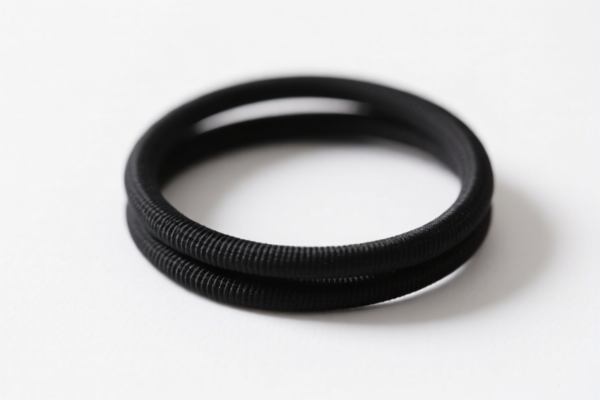
textile tie
CN → US| HS编码 | 关税税率 | 原产国 | 目的国 | 文档 |
|---|---|---|---|---|
| 6117808710 | 15.0% | CN | US | 官方文档 |
| 6117802000 | 18.7% | CN | US | 官方文档 |
| 8306210000 | 22.0% | CN | US | 官方文档 |
| 8306290000 | 10.0% | CN | US | 官方文档 |
| 8306210000 | 22.0% | CN | US | 官方文档 |
商品图片



AI分析
👔 Textile Tie (Necktie / Neck Scarf)
🌐 HS Code Reference & Clearance Guide | 2026 Latest Tariff Analysis | Professional Strategy for Ties
📌 I. Product Definition & Classification: Do You Really Understand "Textile Ties"?
A Textile Tie is a formal accessory primarily designed to be worn around the neck. In international trade, its classification depends heavily on material composition (Silk vs. Cotton vs. Other) and construction.
Key Material Scenarios: 1. Silk Ties: High-value, smooth texture, often made of 100% silk or silk-blends. 2. Cotton/Other Fabric Ties: Casual or business-casual, made of cotton, wool, or synthetic blends. 3. Decorative Clips (Tie Clips): Separate metal accessories used to secure the tie, classified under hardware/jewelry chapters depending on material.
⚠️ Critical Distinction:
- Silk Content: If the tie contains silk (or silk waste), it often falls under 6117.80.20.00 (higher tax due to specific material duties).
- Cotton/Other: If the tie is cotton or other non-silk fabrics, it falls under 6117.80.87.10 (different tax structure).
- Separate Accessories: Tie Clips are not classified with the tie itself. They are categorized under metal accessories (8306) or jewelry (7113) based on the metal type.
📦 II. HS Code Classification Details (2026 Latest Tariff Authority)
| HS Code | Product Description | Material Composition | Applicable Scenario |
|---|---|---|---|
| 6117.80.87.10 | Textile Ties | Cotton or Non-Silk Fabrics | Business ties, casual ties, knitted ties made of cotton or synthetic blends. |
| 6117.80.20.00 | Textile Ties | Silk or Silk Waste | Premium formal ties, luxury scarves, high-end silk accessories. |
| 8306.29.00.00 | Tie Clips | Base Metal (Non-Precious) | Standard decorative clips, stainless steel, brass, zinc alloy clips. |
| 8306.21.00.00 | Tie Clips | Base Metal (Decorative) | Highly decorative clips, possibly plated, standard fashion accessories. |
| 7113.19.50.91 | Tie Clips | Precious Metal / Plated | Luxury gold/silver clips, jewelry-grade tie accessories. |
🔍 Focus Reminder:
- Silk ties (6117.80.20.00) generally attract higher total tariffs (18.7%) compared to cotton ties (15.0%).
- Tie Clips are never classified under the "6117" (Clothing Accessories) chapter unless they are integral parts of the tie (which is rare). They are always separated as 8306 or 7113.
💰 III. 2026 Latest Tariff Rate Breakdown (Including Additional Taxes & Policy Surcharges)
✅ Applicable Country: United States (US)
✅ Origin: China (CN)
✅ Effective Time: 2025 onwards (Current Policy)
🎯 1. 6117.80.87.10 — Textile Ties (Cotton/Non-Silk)
| Item | Content |
|---|---|
| Base Tariff | 5.0% (Standard MFN Rate) |
| Section 301 Surcharges | 0.0% (No additional Section 301 duty for this specific subheading in this dataset) |
| Section 122 Tariff | +10% (Specific to Chinese textiles/apparel) |
| Total Tariff | 15.0% |
| Tax Calculation | CIF Value × 15.0% |
| De Minimis Exemption | ❌ No (Not applicable for commercial imports) |
| Legal Path | Base: 6117.80.87.10 → Sec 122: 10% surcharge |
📌 Explanation:
- This category applies to cotton or non-silk ties.
- The 10% Section 122 is a specific "10% additional duty" imposed on Chinese textile products.
- Total Cost: 15%. This is the most favorable option for non-silk ties.
🎯 2. 6117.80.20.00 — Textile Ties (Silk or Silk Waste)
| Item | Content |
|---|---|
| Base Tariff | 1.2% (Lower base rate for silk) |
| Section 301 Surcharges | +7.5% (Section 301 specific surcharge for silk products) |
| Section 122 Tariff | +10% (Section 122 surcharge applies) |
| Total Tariff | 18.7% |
| Tax Calculation | CIF Value × 18.7% |
| De Minimis Exemption | ❌ No |
| Legal Path | Base: 6117.80.20.00 → Sec 301: 7.5% → Sec 122: 10% |
📌 Warning:
- Even though the Base Tariff (1.2%) is very low, the Section 301 (7.5%) and Section 122 (10%) surcharges add up significantly.
- Total Cost: 18.7%. This is 3.7% higher than cotton ties.
- Strategy: If your tie contains any silk (even 50%), this higher rate applies. Avoid mixing silk with other fabrics unless necessary.
🎯 3. 8306.29.00.00 & 8306.21.00.00 — Tie Clips (Base Metal)
| HS Code | Item | Base | Sec 301 | Sec 122 | Total |
|---|---|---|---|---|---|
| 8306.29.00.00 | Standard Base Metal Clip | 0.0% | 0.0% | +10% | 10.0% |
| 8306.21.00.00 | Decorative Base Metal Clip | 4.5% | 7.5% | +10% | 22.0% |
📌 Analysis:
- Standard Clips (8306.29): Low base tariff, but still subject to the 10% Section 122 duty. Total: 10%.
- Decorative Clips (8306.21): Higher base (4.5%) + 7.5% Section 301 + 10% Section 122. Total: 22.0%.
- Strategy: Decorative clips are expensive to import. If the clip is simple (plain bar), aim for 8306.29. If it's highly ornamental, expect 22%.
🎯 4. 7113.19.50.91 — Tie Clips (Precious Metal / Plated)
| Item | Content |
|---|---|
| Base Tariff | 5.5% |
| Section 301 Surcharges | 0.0% |
| Section 122 Tariff | +10% |
| Total Tariff | 15.5% |
| Tax Calculation | CIF Value × 15.5% |
| De Minimis Exemption | ❌ No |
📌 Note:
- Precious metal clips have a higher base tariff (5.5%) but no Section 301 surcharge.
- Total: 15.5%. This is competitive with cotton ties but more expensive than standard base metal clips.
🛠️ IV. Clearance Practical Suggestions (Real-World Pitfall Avoidance)
✅ 1. Material Declaration is Critical
| Scenario | Correct Action | Risk if Wrong |
|---|---|---|
| Silk vs. Cotton | Must declare exact material %. If >50% silk, use 6117.80.20.00. | Misdeclaring silk as cotton → Underpayment → Penalties + Back Taxes (3.7% diff). |
| Tie Clips Separation | Never declare tie clips as part of the tie's HS Code. | Merged declaration → Customs rejects or re-classes all items at highest rate. |
| Plating on Clips | Gold-plated base metal = 7113 (if valuable) or 8306 (if standard). | Confusion leads to 22% vs 10% rate errors. |
✅ 2. Declaration Best Practices (Golden Rules)
🔥 "Material Clear, Clips Separate, Silk High Tax!"
| Situation | Correct Declaration | Error to Avoid |
|---|---|---|
| Silk Tie | "100% Silk Necktie" → 6117.80.20.00 | Calling it "Cotton Tie" → Audit risk |
| Cotton Tie | "100% Cotton Necktie" → 6117.80.87.10 | Calling it "Silk Tie" → Unnecessary 3.7% cost |
| Tie Clip (Metal) | "Stainless Steel Tie Clip" → 8306.29.00.00 | Declaring as "Clothing Accessory" (6117) → Rejection |
| Luxury Clip | "Gold Plated Tie Clip" → 7113.19.50.91 | Declaring as "Base Metal" → Underpayment |
✅ 3. Special Handling for Bulk Shipments
| Case | Recommendation |
|---|---|
| Mixed Bundles (Tie + Clip) | Split the invoice! Declare ties under 6117, clips under 8306/7113. Do not bundle them into one line item. |
| Unbranded/Tie Samples | If no brand, ensure material description is precise. "Textile Tie" is too vague. |
| Section 122 Coverage | Remember: All Chinese-origin ties and clips listed above are subject to the 10% Section 122 duty. No exemptions usually apply. |
🌍 V. Market Comparison (US vs. Others)
| Market | Recommended HS Code | Tariff (China Origin) | Key Requirement |
|---|---|---|---|
| 🇺🇸 USA | 6117.80.20.00 (Silk) 6117.80.87.10 (Cotton) 8306/7113 (Clips) |
15.0% ~ 22.0% | Section 301 & Section 122 apply. High tax on silk/decorative clips. |
| 🇪🇺 EU | Same HS Codes | ~0% ~ 6% | No Section 301/122. Generally lower tariffs for textiles. |
| 🇨🇳 China | Same HS Codes | ~4% ~ 8% | No Section 301. Base rates apply. |
📌 Conclusion:
- US Import is the most expensive market for textile ties and clips due to the Section 122 (10%) and Section 301 layers.
- Silk ties and Decorative clips face the highest penalties.
- Cotton ties are the most cost-effective option for US importers.
📌 VI. Common Mistakes & Pitfalls (Lessons Learned)
❌ Mistake 1: Declaring a Silk Tie as "Cotton Tie" to save money.
👉 Result: Customs inspection reveals fiber content → Back tax + 20% penalty.
❌ Mistake 2: Bundling Tie Clips with Ties under one HS Code (6117).
👉 Result: Customs rejects the entry because clips are hardware (8306) or jewelry (7113). Delay + Demurrage.
❌ Mistake 3: Ignoring the 10% Section 122 on all items.
👉 Result: Underestimating landed cost by 10% → Profit margin collapse.
❌ Mistake 4: Calling a Gold-plated clip a "Base Metal Clip" (8306).
👉 Result: If it exceeds value thresholds, it must be 7113. Under-declaring leads to seizure.
✅ Correct Practice:
"100% Silk Necktie (6117.80.20.00) + Stainless Steel Tie Bar (8306.29.00.00)"
Separate line items, precise material description, accurate HS codes.
🎯 VII. Conclusion: Precise Classification = Maximum Profit!
🎯 Remember the Mantra:
🔹 "Silk = 18.7%, Cotton = 15.0%!"
🔹 "Clips Separate, Metal Type Matters!"
🔹 "Section 122 is 10% for EVERYTHING!"
📌 Pro Tip:
If your business involves mixed material ties (e.g., Silk + Cotton blend), consult a customs broker immediately. The classification might shift based on the principal material or weight percentage, potentially changing your duty from 15% to 18.7%.
📣 Act Now:
📞 Contact a Customs Broker + Provide Material Reports + Verify HS Codes
🚀 Optimize your Ties & Clips logistics, save 3.7% on Silk, avoid 22% on decorative clips!
✨ Professional Clearance Starts with Accurate Classification!
💼 Your every dollar of tax cost deserves precise calculation!
用户评价
关于 HS 编码归类
协调制度(HS)是由世界海关组织(WCO)制定的国际贸易商品分类标准。全球 200 多个国家采用 HS 系统作为海关关税、贸易统计和进出口监管的基础。
每个 HS 编码遵循以下层级结构:
- 章(2 位)——商品大类(例如:第 84 章:机器和机械设备)
- 品目(4 位)——章内的更具体分类
- 子目(6 位)——国际通用细分,所有 WCO 成员国统一使用
- 本国细分(8-10 位)——各国自行扩展的细分编码,如美国 HTSUS 10 位编码
正确的 HS 编码归类对于顺利通关、准确缴纳关税和遵守贸易法规至关重要。错误归类可能导致海关延误、多缴关税或罚款。
从CN进口到US时,适用的关税税率可能包括:
- 最惠国(MFN)税率——适用于 WTO 成员国的标准关税税率
- 普通税率——适用于无贸易协定国家
- 贸易救济关税——附加关税,如 301 条款(反倾销)、232 条款(国家安全)或反补贴税
本页内容仅供参考。如需正式归类,请咨询当地海关或持牌报关代理。