textile tie
CN → US| HS Code | Tariff Rate | Origin | Destination | Doc |
|---|---|---|---|---|
| 6117808710 | 15.0% | CN | US | Official Doc |
| 6117802000 | 18.7% | CN | US | Official Doc |
| 8306210000 | 22.0% | CN | US | Official Doc |
| 8306290000 | 10.0% | CN | US | Official Doc |
| 8306210000 | 22.0% | CN | US | Official Doc |
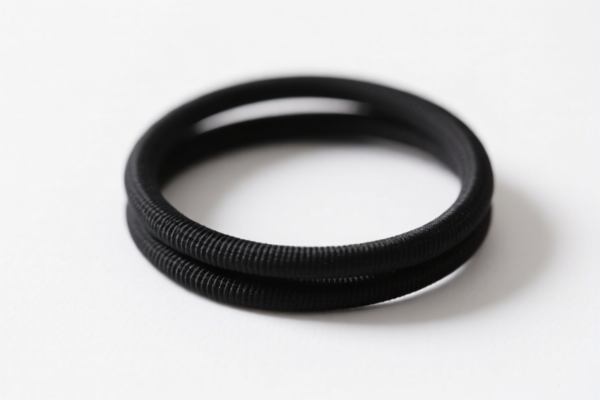
Product Images



AI Analysis
👔 Textile Tie (Necktie / Neck Scarf)
🌐 HS Code Reference & Clearance Guide | 2026 Latest Tariff Analysis | Professional Strategy for Ties
📌 I. Product Definition & Classification: Do You Really Understand "Textile Ties"?
A Textile Tie is a formal accessory primarily designed to be worn around the neck. In international trade, its classification depends heavily on material composition (Silk vs. Cotton vs. Other) and construction.
Key Material Scenarios: 1. Silk Ties: High-value, smooth texture, often made of 100% silk or silk-blends. 2. Cotton/Other Fabric Ties: Casual or business-casual, made of cotton, wool, or synthetic blends. 3. Decorative Clips (Tie Clips): Separate metal accessories used to secure the tie, classified under hardware/jewelry chapters depending on material.
⚠️ Critical Distinction:
- Silk Content: If the tie contains silk (or silk waste), it often falls under 6117.80.20.00 (higher tax due to specific material duties).
- Cotton/Other: If the tie is cotton or other non-silk fabrics, it falls under 6117.80.87.10 (different tax structure).
- Separate Accessories: Tie Clips are not classified with the tie itself. They are categorized under metal accessories (8306) or jewelry (7113) based on the metal type.
📦 II. HS Code Classification Details (2026 Latest Tariff Authority)
| HS Code | Product Description | Material Composition | Applicable Scenario |
|---|---|---|---|
| 6117.80.87.10 | Textile Ties | Cotton or Non-Silk Fabrics | Business ties, casual ties, knitted ties made of cotton or synthetic blends. |
| 6117.80.20.00 | Textile Ties | Silk or Silk Waste | Premium formal ties, luxury scarves, high-end silk accessories. |
| 8306.29.00.00 | Tie Clips | Base Metal (Non-Precious) | Standard decorative clips, stainless steel, brass, zinc alloy clips. |
| 8306.21.00.00 | Tie Clips | Base Metal (Decorative) | Highly decorative clips, possibly plated, standard fashion accessories. |
| 7113.19.50.91 | Tie Clips | Precious Metal / Plated | Luxury gold/silver clips, jewelry-grade tie accessories. |
🔍 Focus Reminder:
- Silk ties (6117.80.20.00) generally attract higher total tariffs (18.7%) compared to cotton ties (15.0%).
- Tie Clips are never classified under the "6117" (Clothing Accessories) chapter unless they are integral parts of the tie (which is rare). They are always separated as 8306 or 7113.
💰 III. 2026 Latest Tariff Rate Breakdown (Including Additional Taxes & Policy Surcharges)
✅ Applicable Country: United States (US)
✅ Origin: China (CN)
✅ Effective Time: 2025 onwards (Current Policy)
🎯 1. 6117.80.87.10 — Textile Ties (Cotton/Non-Silk)
| Item | Content |
|---|---|
| Base Tariff | 5.0% (Standard MFN Rate) |
| Section 301 Surcharges | 0.0% (No additional Section 301 duty for this specific subheading in this dataset) |
| Section 122 Tariff | +10% (Specific to Chinese textiles/apparel) |
| Total Tariff | 15.0% |
| Tax Calculation | CIF Value × 15.0% |
| De Minimis Exemption | ❌ No (Not applicable for commercial imports) |
| Legal Path | Base: 6117.80.87.10 → Sec 122: 10% surcharge |
📌 Explanation:
- This category applies to cotton or non-silk ties.
- The 10% Section 122 is a specific "10% additional duty" imposed on Chinese textile products.
- Total Cost: 15%. This is the most favorable option for non-silk ties.
🎯 2. 6117.80.20.00 — Textile Ties (Silk or Silk Waste)
| Item | Content |
|---|---|
| Base Tariff | 1.2% (Lower base rate for silk) |
| Section 301 Surcharges | +7.5% (Section 301 specific surcharge for silk products) |
| Section 122 Tariff | +10% (Section 122 surcharge applies) |
| Total Tariff | 18.7% |
| Tax Calculation | CIF Value × 18.7% |
| De Minimis Exemption | ❌ No |
| Legal Path | Base: 6117.80.20.00 → Sec 301: 7.5% → Sec 122: 10% |
📌 Warning:
- Even though the Base Tariff (1.2%) is very low, the Section 301 (7.5%) and Section 122 (10%) surcharges add up significantly.
- Total Cost: 18.7%. This is 3.7% higher than cotton ties.
- Strategy: If your tie contains any silk (even 50%), this higher rate applies. Avoid mixing silk with other fabrics unless necessary.
🎯 3. 8306.29.00.00 & 8306.21.00.00 — Tie Clips (Base Metal)
| HS Code | Item | Base | Sec 301 | Sec 122 | Total |
|---|---|---|---|---|---|
| 8306.29.00.00 | Standard Base Metal Clip | 0.0% | 0.0% | +10% | 10.0% |
| 8306.21.00.00 | Decorative Base Metal Clip | 4.5% | 7.5% | +10% | 22.0% |
📌 Analysis:
- Standard Clips (8306.29): Low base tariff, but still subject to the 10% Section 122 duty. Total: 10%.
- Decorative Clips (8306.21): Higher base (4.5%) + 7.5% Section 301 + 10% Section 122. Total: 22.0%.
- Strategy: Decorative clips are expensive to import. If the clip is simple (plain bar), aim for 8306.29. If it's highly ornamental, expect 22%.
🎯 4. 7113.19.50.91 — Tie Clips (Precious Metal / Plated)
| Item | Content |
|---|---|
| Base Tariff | 5.5% |
| Section 301 Surcharges | 0.0% |
| Section 122 Tariff | +10% |
| Total Tariff | 15.5% |
| Tax Calculation | CIF Value × 15.5% |
| De Minimis Exemption | ❌ No |
📌 Note:
- Precious metal clips have a higher base tariff (5.5%) but no Section 301 surcharge.
- Total: 15.5%. This is competitive with cotton ties but more expensive than standard base metal clips.
🛠️ IV. Clearance Practical Suggestions (Real-World Pitfall Avoidance)
✅ 1. Material Declaration is Critical
| Scenario | Correct Action | Risk if Wrong |
|---|---|---|
| Silk vs. Cotton | Must declare exact material %. If >50% silk, use 6117.80.20.00. | Misdeclaring silk as cotton → Underpayment → Penalties + Back Taxes (3.7% diff). |
| Tie Clips Separation | Never declare tie clips as part of the tie's HS Code. | Merged declaration → Customs rejects or re-classes all items at highest rate. |
| Plating on Clips | Gold-plated base metal = 7113 (if valuable) or 8306 (if standard). | Confusion leads to 22% vs 10% rate errors. |
✅ 2. Declaration Best Practices (Golden Rules)
🔥 "Material Clear, Clips Separate, Silk High Tax!"
| Situation | Correct Declaration | Error to Avoid |
|---|---|---|
| Silk Tie | "100% Silk Necktie" → 6117.80.20.00 | Calling it "Cotton Tie" → Audit risk |
| Cotton Tie | "100% Cotton Necktie" → 6117.80.87.10 | Calling it "Silk Tie" → Unnecessary 3.7% cost |
| Tie Clip (Metal) | "Stainless Steel Tie Clip" → 8306.29.00.00 | Declaring as "Clothing Accessory" (6117) → Rejection |
| Luxury Clip | "Gold Plated Tie Clip" → 7113.19.50.91 | Declaring as "Base Metal" → Underpayment |
✅ 3. Special Handling for Bulk Shipments
| Case | Recommendation |
|---|---|
| Mixed Bundles (Tie + Clip) | Split the invoice! Declare ties under 6117, clips under 8306/7113. Do not bundle them into one line item. |
| Unbranded/Tie Samples | If no brand, ensure material description is precise. "Textile Tie" is too vague. |
| Section 122 Coverage | Remember: All Chinese-origin ties and clips listed above are subject to the 10% Section 122 duty. No exemptions usually apply. |
🌍 V. Market Comparison (US vs. Others)
| Market | Recommended HS Code | Tariff (China Origin) | Key Requirement |
|---|---|---|---|
| 🇺🇸 USA | 6117.80.20.00 (Silk) 6117.80.87.10 (Cotton) 8306/7113 (Clips) |
15.0% ~ 22.0% | Section 301 & Section 122 apply. High tax on silk/decorative clips. |
| 🇪🇺 EU | Same HS Codes | ~0% ~ 6% | No Section 301/122. Generally lower tariffs for textiles. |
| 🇨🇳 China | Same HS Codes | ~4% ~ 8% | No Section 301. Base rates apply. |
📌 Conclusion:
- US Import is the most expensive market for textile ties and clips due to the Section 122 (10%) and Section 301 layers.
- Silk ties and Decorative clips face the highest penalties.
- Cotton ties are the most cost-effective option for US importers.
📌 VI. Common Mistakes & Pitfalls (Lessons Learned)
❌ Mistake 1: Declaring a Silk Tie as "Cotton Tie" to save money.
👉 Result: Customs inspection reveals fiber content → Back tax + 20% penalty.
❌ Mistake 2: Bundling Tie Clips with Ties under one HS Code (6117).
👉 Result: Customs rejects the entry because clips are hardware (8306) or jewelry (7113). Delay + Demurrage.
❌ Mistake 3: Ignoring the 10% Section 122 on all items.
👉 Result: Underestimating landed cost by 10% → Profit margin collapse.
❌ Mistake 4: Calling a Gold-plated clip a "Base Metal Clip" (8306).
👉 Result: If it exceeds value thresholds, it must be 7113. Under-declaring leads to seizure.
✅ Correct Practice:
"100% Silk Necktie (6117.80.20.00) + Stainless Steel Tie Bar (8306.29.00.00)"
Separate line items, precise material description, accurate HS codes.
🎯 VII. Conclusion: Precise Classification = Maximum Profit!
🎯 Remember the Mantra:
🔹 "Silk = 18.7%, Cotton = 15.0%!"
🔹 "Clips Separate, Metal Type Matters!"
🔹 "Section 122 is 10% for EVERYTHING!"
📌 Pro Tip:
If your business involves mixed material ties (e.g., Silk + Cotton blend), consult a customs broker immediately. The classification might shift based on the principal material or weight percentage, potentially changing your duty from 15% to 18.7%.
📣 Act Now:
📞 Contact a Customs Broker + Provide Material Reports + Verify HS Codes
🚀 Optimize your Ties & Clips logistics, save 3.7% on Silk, avoid 22% on decorative clips!
✨ Professional Clearance Starts with Accurate Classification!
💼 Your every dollar of tax cost deserves precise calculation!
Customer Reviews
About HS Code Classification
The Harmonized System (HS) is an internationally standardized nomenclature developed by the World Customs Organization (WCO) to classify traded products. Over 200 countries use the HS system as the basis for customs tariffs, trade statistics, and import/export regulations.
Each HS code follows a hierarchical structure:
- Chapter (2 digits) — Broad category of goods (e.g., Chapter 84: Machinery and Mechanical Appliances)
- Heading (4 digits) — More specific grouping within the chapter
- Subheading (6 digits) — Internationally standardized breakdown, used by all WCO member countries
- National subdivisions (8-10 digits) — Country-specific extensions for further classification, such as US HTSUS 10-digit codes
Correct HS code classification is essential for smooth customs clearance, accurate duty payment, and compliance with trade regulations. Misclassification can lead to customs delays, overpayment of duties, or penalties.
When importing from CN to US, the applicable tariff rates may include:
- Most-Favored-Nation (MFN) rate — The standard duty rate applied to WTO members
- General rate — Applied to countries without trade agreements
- Trade remedy duties — Additional tariffs such as Section 301 (anti-dumping), Section 232 (national security), or countervailing duties
The information provided on this page is for reference purposes only. For official classification, please consult with your local customs authority or a licensed customs broker.