trunk actuator
CN → US| HS编码 | 关税税率 | 原产国 | 目的国 | 文档 |
|---|---|---|---|---|
| 8431499005 | 85.0% | CN | US | 官方文档 |
| 8501524000 | 38.7% | CN | US | 官方文档 |
| 8431310060 | 85.0% | CN | US | 官方文档 |
商品图片
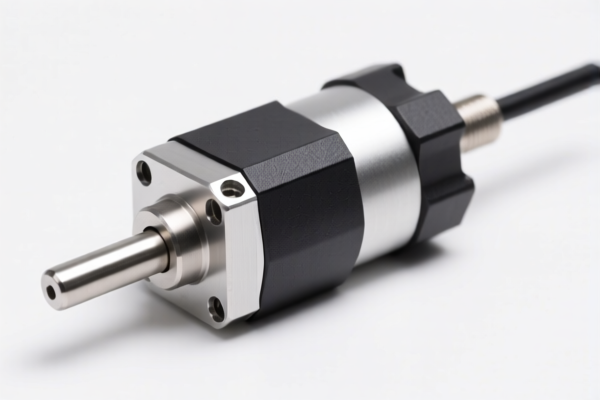
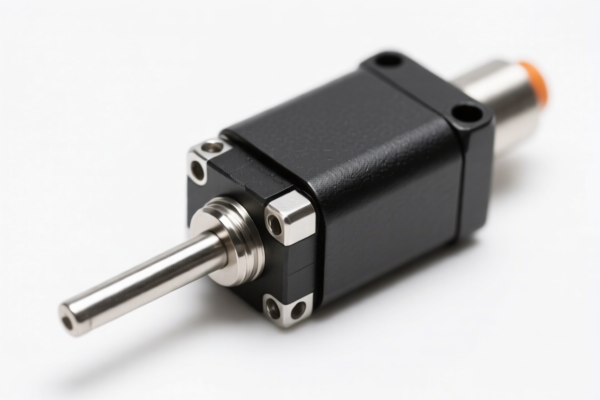
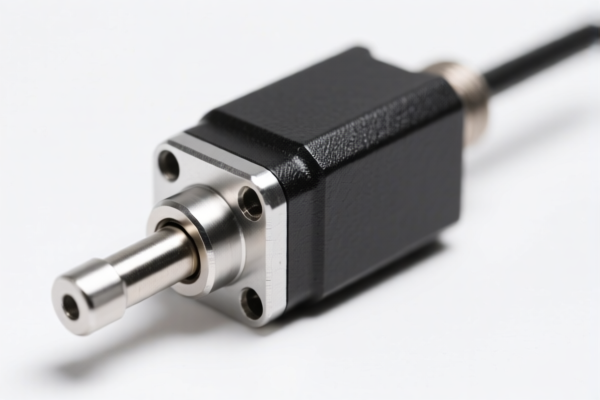
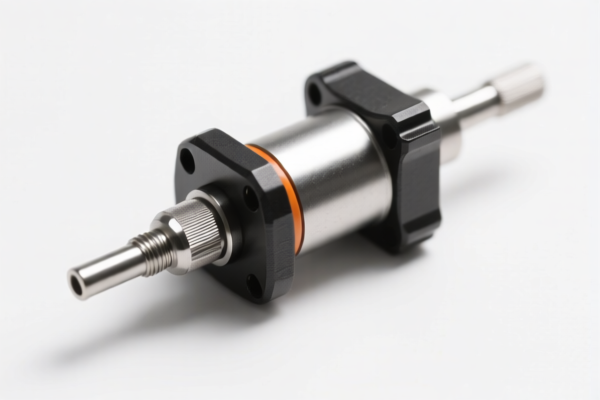
AI分析
🚗 Trunk Actuator (Power Tailgate/Trunk Lid Actuators)
🌐 HS Code Reference & Customs Clearance Guide | 2026 Latest Tariff Analysis | Professional Clearance Strategy
📌 I. Product Definition & Classification: What Exactly is a "Trunk Actuator"?
A Trunk Actuator is an electromechanical device used to automatically open, close, or latch the trunk lid (boot lid) or tailgate of a vehicle. It functions as the core component of a Power Tailgate System.
In international trade, classification depends heavily on its functional integration: * Pure Actuator/Linear Motor: A component that provides linear motion or locking force, often classified as a mechanical part or an electric motor component. * Integrated Motor Assembly: If it functions primarily as a rotary electric motor driving a gear system, it may fall under electric motor classifications.
⚠️ Key Distinction:
- If the item is a standalone linear actuator used to push/pull the trunk lid → It is likely a Mechanical Part or Accessory.
- If the item is primarily a small electric motor with a built-in gear reduction for rotation → It may be classified as an Electric Motor Component.
📦 II. HS Code Classification Details (2026 Latest Tariff Authority Cross-Reference)
Based on the provided data, here are the three potential HS Codes with their logical derivations:
| HS Code | Product Description | Application Scenario | Classification Logic |
|---|---|---|---|
8431.31.00.60 |
Mechanical Parts (Metal/Plastic Actuators) | Standalone linear actuators, plastic/metal housing, non-specific mechanical function. | Mechanical Nature: Classified as a "part of machinery" made of metal or plastic. Fits the attribute of "non-specific mechanical parts." |
8431.49.90.05 |
Parts & Accessories for Vehicles | Attachments installed on vehicles, specifically for mechanical operation (e.g., trunk opening mechanisms). | Vehicle Accessory: Infered as a vehicle mechanical component. It is an accessory attached to the vehicle's machinery, fitting the definition of "parts/accessories for machinery." |
8501.52.40.00 |
Electric Motors/Generators (Parts) | Actuators functioning as drive units, providing motive power/output. | Motor/Drive Function: Based on usage, the actuator serves as a drive component. Its power output function aligns with Electric Motors and their parts. |
🔍 Critical Insight:
-8431.31.00.60: Best for linear actuators where the primary identity is a mechanical push/pull device.
-8431.49.90.05: Best for assembly units specifically recognized as vehicle parts/accessories.
-8501.52.40.00: Best if the device is predominantly an electric motor with integrated gearing, focusing on the electrical drive aspect.
💰 III. 2026 Latest Tariff Rate Breakdown (Including Additional Taxes & Policy Surcharges)
✅ Applicable Country: United States (US)
✅ Country of Origin: China (CN)
✅ Effective Date: Current (Includes Section 301 & IEEPA surcharges)
🎯 1. 8431.31.00.60 — Mechanical Parts (Actuators)
| Item | Content |
|---|---|
| Base Tariff | 0.0% (ad valorem) |
| Section 301 Surcharge | +25.0% (From USITC Footnote 9903.88.01) |
| Section 232 Surcharge | +50% (For Steel, Aluminum, or Copper Products under Section 232) |
| Total Tariff Rate | 85.0% |
| Tax Calculation | CIF Value × 85.0% |
| De Minimis Eligibility | ❌ No (deny_de_minimis) |
| Legal Basis Path | Section 232 (Steel/Al/Cu) + Section 301 → 8431.31.00.60 |
📌 Explanation:
- Base Rate: 0% for many mechanical parts.
- Section 301: Standard 25% surcharge on Chinese goods.
- Section 232: If the actuator housing is steel, aluminum, or copper, an additional 50% applies.
- Total: 85% is extremely high. Material composition matters! If it’s mostly plastic, Section 232 might not apply, but customs often scrutinize this.
🎯 2. 8431.49.90.05 — Vehicle Parts/Accessories
| Item | Content |
|---|---|
| Base Tariff | 0.0% (ad valorem) |
| Section 301 Surcharge | +25.0% (From USITC Footnote 9903.88.01) |
| Section 232 Surcharge | +50% (For Steel, Aluminum, or Copper Products under Section 232) |
| Total Tariff Rate | 85.0% |
| Tax Calculation | CIF Value × 85.0% |
| De Minimis Eligibility | ❌ No (deny_de_minimis) |
| Legal Basis Path | Section 232 (Steel/Al/Cu) + Section 301 → 8431.49.90.05 |
📌 Explanation:
- Identical tax structure to the previous code.
- Risk: If declared as a "vehicle part," customs may still apply Section 232 if metal components exceed thresholds.
- Total: 85%. High cost impact.
🎯 3. 8501.52.40.00 — Electric Motors/Generators (Parts)
| Item | Content |
|---|---|
| Base Tariff | 3.7% (ad valorem) |
| Section 301 Surcharge | +25.0% (From USITC Footnote 9903.88.01) |
| Section 122 Surcharge | +10% (Specific surcharge for certain goods) |
| Section 232 Surcharge | Not Applicable (Unless pure metal content triggers it, but generally motors are exempt if not primarily steel/al) |
| Total Tariff Rate | 38.7% |
| Tax Calculation | CIF Value × 38.7% |
| De Minimis Eligibility | ❌ No (deny_de_minimis) |
| Legal Basis Path | Section 301 + Section 122 → 8501.52.40.00 |
📌 Explanation:
- Base Rate: 3.7% (standard for many electric motors).
- Section 301: 25% surcharge applies.
- Section 122: Additional 10% surcharge.
- Section 232: Typically not applied to electric motors unless they are purely steel/aluminum structures without electrical components.
- Total: 38.7%. This is the lowest effective rate among the three options.
🛠️ IV. Customs Clearance Practical Advice (Real-World Pitfall Avoidance)
✅ 1. Preparation Checklist (Non-Negotiable)
| Document | Required | Explanation |
|---|---|---|
| ✅ Product Specification Sheet | ✔️ | Must detail: Voltage, Power (Watts), Type (Linear/Rotary), Material (Plastic/Metal ratio). |
| ✅ Circuit Diagram / Schematic | ✔️ | Crucial to prove it is an electric device (supporting 8501) vs. a mechanical part (8431). |
| ✅ Product Photos (Labeled) | ✔️ | Show connections, connectors, and any metal housing. |
| ✅ Commercial Invoice | ✔️ | Describe accurately: "Electric Linear Actuator for Vehicle Trunk, Model XYZ, 12V DC, 50W" |
| ✅ Bill of Lading | ✔️ | Ensure packaging matches invoice details. |
✅ 2. Declaration Strategy (Key Mantra)
🔥 "Motor Function Wins, Mechanism Loses Tax!"
| Scenario | Recommended HS Code | Risk if Misdeclared |
|---|---|---|
| Electric Motor with Gears | 8501.52.40.00 |
Declaring as 8431 → 85% Tax (vs 38.7%) |
| Pure Mechanical Pusher | 8431.31.00.60 |
Declaring as 8501 → Customs Rejection (No electrical function) |
| Vehicle-Specific Assembly | 8431.49.90.05 |
Declaring as 8501 → Customs Rejection (Not a motor) |
📌 Strategic Advice:
- Priority: Try to classify under8501.52.40.00to save ~46% in taxes compared to the8431codes.
- Justification: Emphasize the electric motor aspect. Describe it as an "Electric Motor Assembly for Trunk Lactuation" rather than just a "Plastic/Metal Actuator."
- Material Check: If using8431codes, ensure no steel/aluminum/copper content > thresholds to avoid the 50% Section 232 hit.
✅ 3. Special Cases
| Scenario | Handling Advice |
|---|---|
| Hydraulic Actuator | Not covered here. Likely different HS Code. |
| OEM Custom Actuator | Provide OEM drawings to prove it is a "part of a machine" (8431) or "motor" (8501). |
| Mixed Shipment | Separate electric actuators (8501) from purely mechanical parts (8431) to optimize tax. |
🌍 V. Global Market Comparison (2026 Update)
| Country/Region | Recommended HS Code | Effective Tariff (CN Origin) | Certification |
|---|---|---|---|
| 🇺🇸 USA | 8501.52.40.00 |
38.7% (Best Option) | FCC (if wireless), UL/CE |
| 🇺🇸 USA | 8431.31.00.60 |
85.0% (If metal/plastic part) | No specific |
| 🇪🇺 EU | 8501.52.40.00 |
0% - 3% | CE, RoHS |
| 🇨🇳 China | 8501.52.40.00 |
3.7% - 5% | CCC (if applicable) |
📌 Conclusion:
- USA: High tariffs apply.8501is significantly cheaper than8431.
- EU/China: Tariffs are low, so classification is less critical for cost, but accuracy is still needed for compliance.
📌 VI. Common Errors & Pitfalls (Lessons Learned)
❌ Mistake 1: Declaring an Electric Actuator as a Mechanical Part (8431)
👉 Result: Pay 85% tax instead of 38.7%.
👉 Fix: Provide electrical specs to support 8501.
❌ Mistake 2: Ignoring Section 232 on 8431 codes
👉 Result: If the actuator has a steel housing, you face an extra 50% on top of 25%.
👉 Fix: Choose 8501 to avoid Section 232 entirely.
❌ Mistake 3: Vague Description ("Part for Car")
👉 Result: Customs delay, manual inspection, potential misclassification.
👉 Fix: Use precise terms: "12V DC Electric Linear Actuator, 50W, for Power Tailgate."
✅ Correct Declaration Example:
"Electric Motor Assembly (Actuator) for Vehicle Trunk, 12V DC, 50W, Model XYZ, FCC Certified"
🎯 VII. Conclusion: Professional Declaration, Save Costs, Speed Up Clearance!
🎯 Remember the Mantra:
🔹 "Electric Motor Wins, Mechanism Pays Double!"
🔹 "HS Code Decides Fate, 38% vs 85%, Don't Let It Slide!"
📌 Pro Tip:
If your actuator is originally from Vietnam, Mexico, or Thailand, you may be eligible for IEEPA/USMCA exemptions, reducing tariffs to 0%~5%.
Recommend applying for an Advance Ruling from US Customs (CBP) to lock in the 8501.52.40.00 classification before shipping.
📣 Immediate Action:
📞 Contact a professional broker + Provide electrical specs + Apply for HS Code Advance Ruling
🚀 Let your Trunk Actuators Clear Smoothly, Export Efficiently, and Boost Profits!
✨ Professional Customs Clearance Starts with Precise Classification!
💼 Every Penny of Cost, Deserves Precise Calculation!
用户评价
关于 HS 编码归类
协调制度(HS)是由世界海关组织(WCO)制定的国际贸易商品分类标准。全球 200 多个国家采用 HS 系统作为海关关税、贸易统计和进出口监管的基础。
每个 HS 编码遵循以下层级结构:
- 章(2 位)——商品大类(例如:第 84 章:机器和机械设备)
- 品目(4 位)——章内的更具体分类
- 子目(6 位)——国际通用细分,所有 WCO 成员国统一使用
- 本国细分(8-10 位)——各国自行扩展的细分编码,如美国 HTSUS 10 位编码
正确的 HS 编码归类对于顺利通关、准确缴纳关税和遵守贸易法规至关重要。错误归类可能导致海关延误、多缴关税或罚款。
从CN进口到US时,适用的关税税率可能包括:
- 最惠国(MFN)税率——适用于 WTO 成员国的标准关税税率
- 普通税率——适用于无贸易协定国家
- 贸易救济关税——附加关税,如 301 条款(反倾销)、232 条款(国家安全)或反补贴税
本页内容仅供参考。如需正式归类,请咨询当地海关或持牌报关代理。