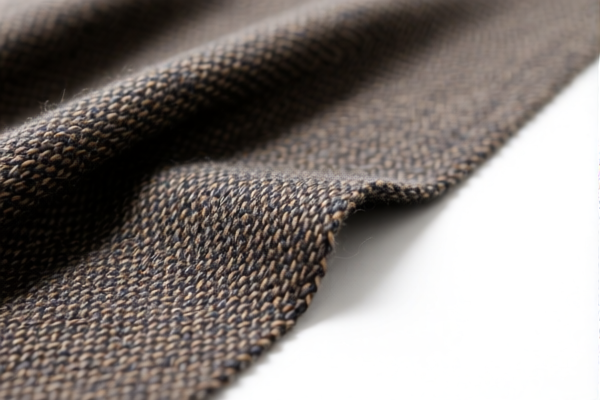
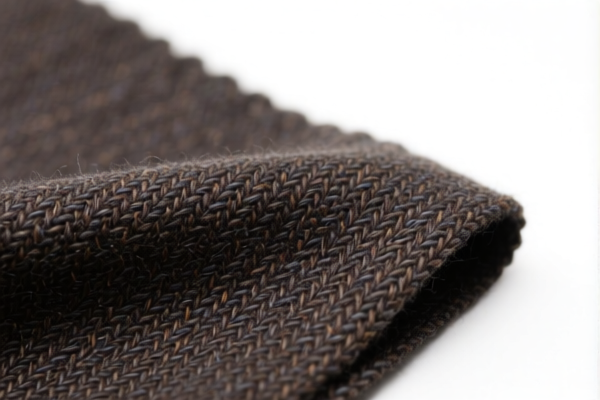
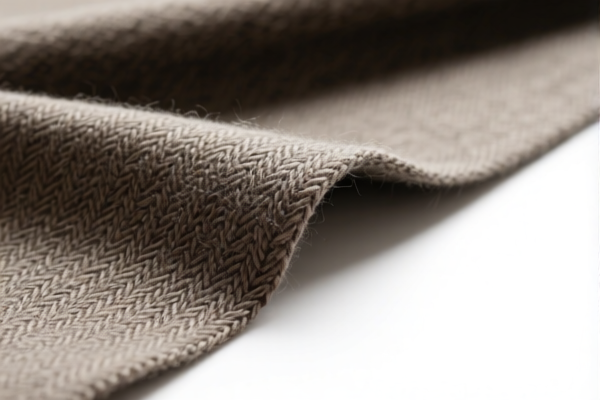
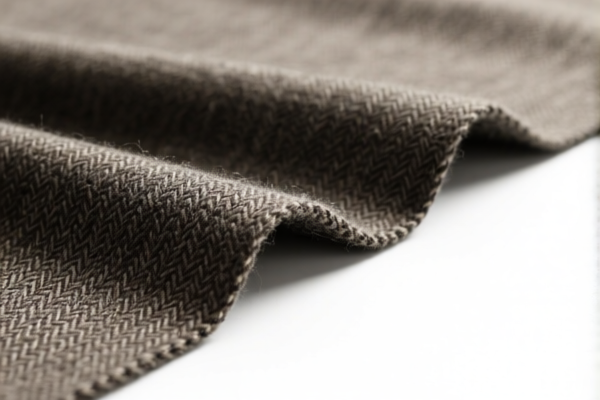
viscose blended combed wool fabric
CN → US| HS编码 | 关税税率 | 原产国 | 目的国 | 文档 |
|---|---|---|---|---|
| 5111196060 | 60.0% | CN | US | 官方文档 |
| 5111909000 | 60.0% | CN | US | 官方文档 |
| 5112196010 | 60.0% | CN | US | 官方文档 |
| 6302390010 | 21.8% | CN | US | 官方文档 |
| 5112196040 | 60.0% | CN | US | 官方文档 |
商品图片
AI分析
🧶 Viscose Blended Combed Wool Fabric: The Ultimate US Customs Classification & Tax Breakdown (2026)
🌐 HS Code Reference & Customs Clearance Guide | 2026 Latest Tariff Rates | Professional Compliance Strategy
📌 I. Product Definition: What Exactly is "Viscose Blended Combed Wool Fabric"?
Viscose Blended Combed Wool Fabric is a high-end textile material characterized by a unique fusion of natural fiber durability and synthetic fiber drape. In international trade, it is strictly defined by two key processing stages: * Combed Wool: The wool fibers have been mechanically combed to remove short staples and align them parallel, resulting in a smoother, stronger, and more luxurious yarn. * Viscose Blend: Viscose (rayon) fibers are mixed with the wool to reduce cost, improve drape, and enhance dyeability.
⚠️ Critical Distinction:
- Is it a finished fabric (for sewing into garments or bedding)? → Falls under Chapter 51 (Wool Fabrics) or Chapter 63 (Other Made Up Textiles). - Is it a finished bed linen (sheets/duvet covers)? → Falls under Chapter 63. - Key Determinant: The form of the product at the time of importation. Most "fabrics" are imported as rolls (Chapter 51), while "bedding sets" are finished goods (Chapter 63).
📦 II. HS Code Classification Details (2026 Latest Tariff Authority)
Based on the provided data, the classification depends on the specific composition and final form of the product. Here is the authoritative breakdown:
| HS Code | Product Description | Key Characteristics | Classification Logic |
|---|---|---|---|
| 5111.19.60.60 | Wool Blended Combed Bedding Fabric | Material: Wool; Form: Fabric | Primary wool content, combed, classified as bedding-related fabric. |
| 5111.90.90.00 | Wool Blended Combed Fabric (General) | Material: Wool Blend; Form: Fabric | Worsted wool woven fabric, other than high-shear count or specific sub-categories. |
| 5112.19.60.10 | Combed Wool Blended Fabric | Material: Wool Blend; Form: Fabric | Matches features of combed wool woven fabric; high precision in fiber alignment. |
| 5112.19.60.40 | Combed Wool Blended Fabric | Material: Wool Blend; Form: Fabric | Inferred based on material consistency; similar to above but different sub-sub-class. |
| 6302.39.00.10 | Wool Blended Bedding Material | Material: Meets Wool Req.; Form: Bedding-Related | Classified as "Bedding and similar articles for bed," specifically sheets/textile materials. |
🔍 Note:
- 5111 vs. 5112: Chapter 51 covers "Wool, Animal Hair or Down and Fabrics Thereof." 5111 is for Worsted Wool Fabrics (fine count, combed). 5112 is also for worsted but often implies different weight/weave structures. Both require "Combed" status. - 6302: Only applies if the fabric is specifically identified as "Bedding and similar articles for bed" (e.g., sheets, pillowcases, duvet covers) rather than raw fabric rolls.
💰 III. 2026 Latest Tariff Rate Details (Including Surtaxes & Policy Add-ons)
✅ Applicable Country: United States (US)
✅ Country of Origin: China (CN)
✅ Effective Time: Post-November 2025 (Current Regulatory Framework)
🎯 1. Classification Group A: Wool Fabric Rolls (HS Codes 5111.19.60.60, 5111.90.90.00, 5112.19.60.10, 5112.19.60.40)
These codes represent raw/semi-finished fabrics. They are subject to high trade barriers due to their textile origin and China sourcing.
| Item | Content |
|---|---|
| Base Tariff Rate | 25.0% (Ad Valorem, Standard MFN for Wool Fabrics) |
| Section 301 Surtax | +25.0% (USITC Footnote for Chinese Textiles) |
| Section 122 Tariff | +10.0% (Specific Add-on for certain Wool/Textile categories under recent executive actions) |
| Total Tariff Rate | 60.0% |
| Tax Calculation | CIF Value × 60% |
| De Minimis Exemption | ❌ Not Applicable (Section 321 does not apply to textiles from China) |
| Legal Basis Path | HTSUS:5111/5112 → USITC:301-List-4 → EO-122-Textile |
📌 Explanation:
- Base 25%: The standard Most Favored Nation (MFN) duty for combed wool woven fabrics. - 301 Surtax 25%: Imposed on Chinese-made textiles under the Trade Act of 1974, Section 301. - Section 122 10%: A recent policy add-on targeting specific wool and textile imports to protect domestic manufacturing. - Total 60%: This is an extremely high effective duty rate. Importers must factor this into their landed cost significantly.
🎯 2. Classification Group B: Bedding Material/Articles (HS Code 6302.39.00.10)
This code applies if the item is classified as "Bedding and similar articles for bed" (e.g., sheets, pillowcases) rather than general fabric rolls.
| Item | Content |
|---|---|
| Base Tariff Rate | 4.3% (Ad Valorem, Lower rate for Made-Up Bedding) |
| Section 301 Surtax | +7.5% (Reduced 301 rate for certain bedding articles vs. raw fabric) |
| Section 122 Tariff | +10.0% (Same policy add-on applies) |
| Total Tariff Rate | 21.8% |
| Tax Calculation | CIF Value × 21.8% |
| De Minimis Exemption | ❌ Not Applicable |
| Legal Basis Path | HTSUS:6302 → USITC:301-List-3 → EO-122-Textile |
📌 Explanation:
- Base 4.3%: Finished bedding articles generally face lower base tariffs than raw fabrics. - 301 Surtax 7.5%: Certain bedding articles are on a lower tariff list than general textiles. - Section 122 10%: Still applies. - Total 21.8%: Significantly lower than the 60% rate for raw fabric. This makes strategic classification critical.
🛠️ IV. Customs Clearance Practical Advice (Battle-Tested Pitfall Guide)
✅ 1. Document Checklist (Non-Negotiable)
| Document | Required | Explanation |
|---|---|---|
| ✅ Product Specification Sheet | ✔️ | Must detail: Fiber composition (e.g., 50% Wool, 50% Viscose), Weight (GSM), Weave Type (e.g., Satin, Twill), and Finish. |
| ✅ Fiber Content Label | ✔️ | Accurate labeling is crucial for HS Code 5111/5112 vs. 6302. |
| ✅ Commercial Invoice | ✔️ | Clearly state: "Woven Fabric Rolls" OR "Finished Bed Sheets". Do not use vague terms like "Textile Material." |
| ✅ Packing List | ✔️ | Show dimensions/weight per roll to confirm "Fabric" status. |
| ✅ Certificate of Origin | ✔️ | Proof of China origin is mandatory for 301/122 calculation. |
| ✅ Lab Test Report (Optional but Recommended) | ✔️ | To verify "Combed" status and wool content percentage. |
✅ 2. Classification Strategy (Key Tips)
🔥 “Fabric Rolls = 60%, Bedding Articles = 21.8%! Choose Wisely!”
| Scenario | Correct HS Code | Risk of Misclassification |
|---|---|---|
| Importing fabric rolls for future manufacturing | 5111.19.60.60 / 5111.90.90.00 / 5112.19.60.10 / 5112.19.60.40 |
⚠️ High Risk if misclassified as bedding → Penalty for underpayment. |
| Importing finished sheets/duvet covers | 6302.39.00.10 |
⚠️ High Risk if misclassified as fabric → Penalty for underpayment (21.8% vs 60%). |
| Viscose content > 50% | May fall under Chapter 54/55 | ❌ Critical Error → HS Code changes completely to synthetic fiber fabrics. |
📌 Important Note on "Viscose Blend":
- If viscose is the major component (>50%), the fabric may no longer be classified under Chapter 51 (Wool) but under Chapter 54 (Synthetic Filament) or Chapter 55 (Staple Fibers).
- Check Fiber Composition! If wool < 50%, the HS Codes provided above are INVALID.
✅ 3. Special Handling for Section 122 & 301
| Issue | Solution |
|---|---|
| Section 122 10% Tariff | This is a new add-on. Ensure your customs broker is aware of the "122" clause for wool/textile imports. |
| De Minimis Exemption | ❌ Do NOT attempt to use Section 321 ($800) for these goods from China. They are explicitly excluded or subject to higher scrutiny. |
| Anti-Dumping/Countervailing Duties | Check if specific wool blends from China face AD/CVD. Most standard blends do not, but verify with HTSUS cross-reference. |
🌍 V. Global Market Comparison (2026)
| Market | Recommended HS Code | Total Tariff (China Origin) | Notes |
|---|---|---|---|
| 🇺🇸 USA | 5111.19.60.60 (Fabric) |
60.0% | High 301 + 122 tariffs. |
| 🇺🇸 USA | 6302.39.00.10 (Bedding) |
21.8% | Lower rate if finished article. |
| 🇨🇳 China | 5111.19.60.60 |
~5-8% | Low import tariff; VAT 13% applies. |
| 🇪🇺 EU | 5111.19.60.60 |
~12-16% | No Section 301 equivalent, but EBA may not apply to China. |
| 🇬🇧 UK | 5111.19.60.60 |
~12-16% | Post-Brexit tariffs similar to EU. |
📌 Conclusion:
- The US is the most expensive market for this product due to layered tariffs (Base + 301 + 122). - Strategy: If possible, import finished bedding articles (6302.39.00.10) rather than raw fabric to save ~38% in duties. - Alternative: Source from non-China countries (e.g., Vietnam, India) to avoid Section 301 and 122 tariffs entirely (tariff drops to ~5-12%).
📌 VI. Common Mistakes & Pitfalls (Lessons Learned)
❌ Mistake 1: Classifying Wool-Rich Fabric as Cotton Fabric
👉 Consequence: HS Code mismatch → Seizure + Fines. Wool has distinct Chapter 51 rules.
❌ Mistake 2: Ignoring Viscose Percentage
👉 Consequence: If viscose > 50%, Chapter 51 is incorrect → Re-classification to Chapter 54/55 → Different duty rates.
❌ Mistake 3: Assuming De Minimis applies
👉 Consequence: US CBP strictly encludes Chinese textiles from Section 321. Attempting this leads to package detention.
❌ Mistake 4: Mislabeling "Bedding"
👉 Consequence: If you import fabric rolls but label them "Bed Sheets" to get 21.8%, CBP will reject this based on packing/usage evidence → Back-tariffed at 60%.
✅ Best Practice:
- Be 100% transparent about Fiber Content and Product Form.
- Use Advance Rulings with US CBP if classification is ambiguous.
- Calculate Landed Cost including the 60% or 21.8% tariff before pricing.
🎯 VII. Conclusion: Strategic Importing for Wool-Viscose Blends
🎯 Remember This Rule:
🔹 "Fabric Rolls = 60%, Finished Bedding = 21.8%."
🔹 "Viscose Over 50% = Change Chapter!"
🔹 "China Origin = 301 + 122 = High Cost."
📌 Pro Tip:
If your volume is high, consider Near-Shoring (Mexico/Vietnam) to bypass US tariffs entirely. For smaller volumes, ensure strict documentation to avoid CBP audits on the "Combed Wool" status.
📣 Immediate Action Items:
📞 Contact Your Customs Broker with the exact fiber breakdown.
📄 Request an Advance Ruling for HS Code5111.19.60.60or6302.39.00.10.
📊 Re-price Your Goods to account for the 60% or 21.8% duty burden.
✨ Professional Customs Clearance Starts with Accurate Classification!
💼 Your Profit Margin Depends on Getting This Right!
用户评价
关于 HS 编码归类
协调制度(HS)是由世界海关组织(WCO)制定的国际贸易商品分类标准。全球 200 多个国家采用 HS 系统作为海关关税、贸易统计和进出口监管的基础。
每个 HS 编码遵循以下层级结构:
- 章(2 位)——商品大类(例如:第 84 章:机器和机械设备)
- 品目(4 位)——章内的更具体分类
- 子目(6 位)——国际通用细分,所有 WCO 成员国统一使用
- 本国细分(8-10 位)——各国自行扩展的细分编码,如美国 HTSUS 10 位编码
正确的 HS 编码归类对于顺利通关、准确缴纳关税和遵守贸易法规至关重要。错误归类可能导致海关延误、多缴关税或罚款。
从CN进口到US时,适用的关税税率可能包括:
- 最惠国(MFN)税率——适用于 WTO 成员国的标准关税税率
- 普通税率——适用于无贸易协定国家
- 贸易救济关税——附加关税,如 301 条款(反倾销)、232 条款(国家安全)或反补贴税
本页内容仅供参考。如需正式归类,请咨询当地海关或持牌报关代理。