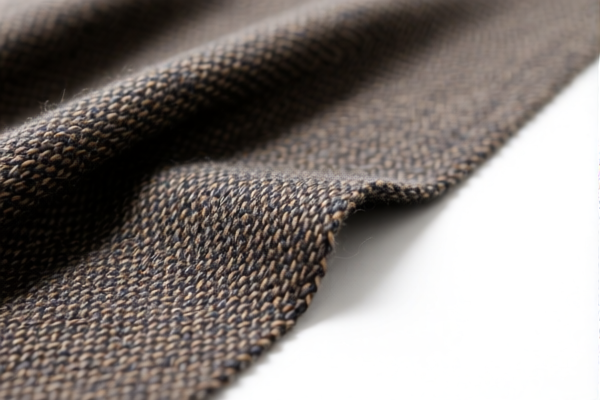
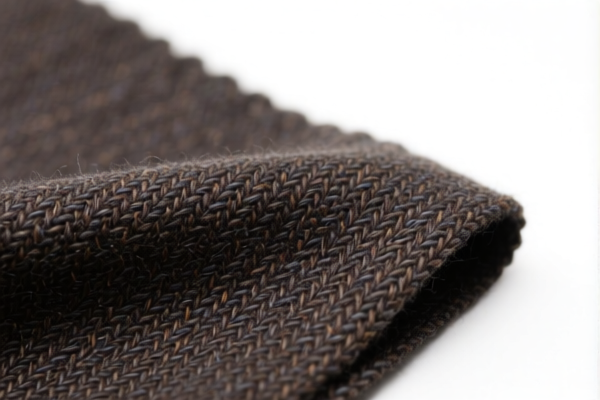
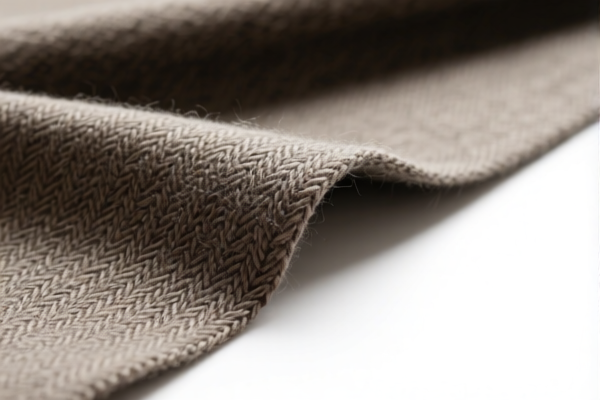
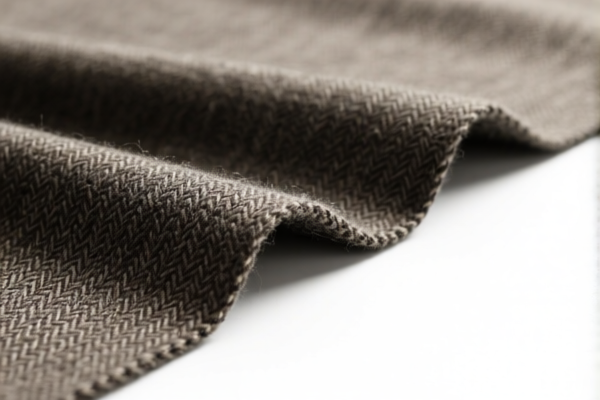
viscose blended combed wool fabric
CN → US| HS Code | Tariff Rate | Origin | Destination | Doc |
|---|---|---|---|---|
| 5111196060 | 60.0% | CN | US | Official Doc |
| 5111909000 | 60.0% | CN | US | Official Doc |
| 5112196010 | 60.0% | CN | US | Official Doc |
| 6302390010 | 21.8% | CN | US | Official Doc |
| 5112196040 | 60.0% | CN | US | Official Doc |
Product Images
AI Analysis
🧶 Viscose Blended Combed Wool Fabric: The Ultimate US Customs Classification & Tax Breakdown (2026)
🌐 HS Code Reference & Customs Clearance Guide | 2026 Latest Tariff Rates | Professional Compliance Strategy
📌 I. Product Definition: What Exactly is "Viscose Blended Combed Wool Fabric"?
Viscose Blended Combed Wool Fabric is a high-end textile material characterized by a unique fusion of natural fiber durability and synthetic fiber drape. In international trade, it is strictly defined by two key processing stages: * Combed Wool: The wool fibers have been mechanically combed to remove short staples and align them parallel, resulting in a smoother, stronger, and more luxurious yarn. * Viscose Blend: Viscose (rayon) fibers are mixed with the wool to reduce cost, improve drape, and enhance dyeability.
⚠️ Critical Distinction:
- Is it a finished fabric (for sewing into garments or bedding)? → Falls under Chapter 51 (Wool Fabrics) or Chapter 63 (Other Made Up Textiles). - Is it a finished bed linen (sheets/duvet covers)? → Falls under Chapter 63. - Key Determinant: The form of the product at the time of importation. Most "fabrics" are imported as rolls (Chapter 51), while "bedding sets" are finished goods (Chapter 63).
📦 II. HS Code Classification Details (2026 Latest Tariff Authority)
Based on the provided data, the classification depends on the specific composition and final form of the product. Here is the authoritative breakdown:
| HS Code | Product Description | Key Characteristics | Classification Logic |
|---|---|---|---|
| 5111.19.60.60 | Wool Blended Combed Bedding Fabric | Material: Wool; Form: Fabric | Primary wool content, combed, classified as bedding-related fabric. |
| 5111.90.90.00 | Wool Blended Combed Fabric (General) | Material: Wool Blend; Form: Fabric | Worsted wool woven fabric, other than high-shear count or specific sub-categories. |
| 5112.19.60.10 | Combed Wool Blended Fabric | Material: Wool Blend; Form: Fabric | Matches features of combed wool woven fabric; high precision in fiber alignment. |
| 5112.19.60.40 | Combed Wool Blended Fabric | Material: Wool Blend; Form: Fabric | Inferred based on material consistency; similar to above but different sub-sub-class. |
| 6302.39.00.10 | Wool Blended Bedding Material | Material: Meets Wool Req.; Form: Bedding-Related | Classified as "Bedding and similar articles for bed," specifically sheets/textile materials. |
🔍 Note:
- 5111 vs. 5112: Chapter 51 covers "Wool, Animal Hair or Down and Fabrics Thereof." 5111 is for Worsted Wool Fabrics (fine count, combed). 5112 is also for worsted but often implies different weight/weave structures. Both require "Combed" status. - 6302: Only applies if the fabric is specifically identified as "Bedding and similar articles for bed" (e.g., sheets, pillowcases, duvet covers) rather than raw fabric rolls.
💰 III. 2026 Latest Tariff Rate Details (Including Surtaxes & Policy Add-ons)
✅ Applicable Country: United States (US)
✅ Country of Origin: China (CN)
✅ Effective Time: Post-November 2025 (Current Regulatory Framework)
🎯 1. Classification Group A: Wool Fabric Rolls (HS Codes 5111.19.60.60, 5111.90.90.00, 5112.19.60.10, 5112.19.60.40)
These codes represent raw/semi-finished fabrics. They are subject to high trade barriers due to their textile origin and China sourcing.
| Item | Content |
|---|---|
| Base Tariff Rate | 25.0% (Ad Valorem, Standard MFN for Wool Fabrics) |
| Section 301 Surtax | +25.0% (USITC Footnote for Chinese Textiles) |
| Section 122 Tariff | +10.0% (Specific Add-on for certain Wool/Textile categories under recent executive actions) |
| Total Tariff Rate | 60.0% |
| Tax Calculation | CIF Value × 60% |
| De Minimis Exemption | ❌ Not Applicable (Section 321 does not apply to textiles from China) |
| Legal Basis Path | HTSUS:5111/5112 → USITC:301-List-4 → EO-122-Textile |
📌 Explanation:
- Base 25%: The standard Most Favored Nation (MFN) duty for combed wool woven fabrics. - 301 Surtax 25%: Imposed on Chinese-made textiles under the Trade Act of 1974, Section 301. - Section 122 10%: A recent policy add-on targeting specific wool and textile imports to protect domestic manufacturing. - Total 60%: This is an extremely high effective duty rate. Importers must factor this into their landed cost significantly.
🎯 2. Classification Group B: Bedding Material/Articles (HS Code 6302.39.00.10)
This code applies if the item is classified as "Bedding and similar articles for bed" (e.g., sheets, pillowcases) rather than general fabric rolls.
| Item | Content |
|---|---|
| Base Tariff Rate | 4.3% (Ad Valorem, Lower rate for Made-Up Bedding) |
| Section 301 Surtax | +7.5% (Reduced 301 rate for certain bedding articles vs. raw fabric) |
| Section 122 Tariff | +10.0% (Same policy add-on applies) |
| Total Tariff Rate | 21.8% |
| Tax Calculation | CIF Value × 21.8% |
| De Minimis Exemption | ❌ Not Applicable |
| Legal Basis Path | HTSUS:6302 → USITC:301-List-3 → EO-122-Textile |
📌 Explanation:
- Base 4.3%: Finished bedding articles generally face lower base tariffs than raw fabrics. - 301 Surtax 7.5%: Certain bedding articles are on a lower tariff list than general textiles. - Section 122 10%: Still applies. - Total 21.8%: Significantly lower than the 60% rate for raw fabric. This makes strategic classification critical.
🛠️ IV. Customs Clearance Practical Advice (Battle-Tested Pitfall Guide)
✅ 1. Document Checklist (Non-Negotiable)
| Document | Required | Explanation |
|---|---|---|
| ✅ Product Specification Sheet | ✔️ | Must detail: Fiber composition (e.g., 50% Wool, 50% Viscose), Weight (GSM), Weave Type (e.g., Satin, Twill), and Finish. |
| ✅ Fiber Content Label | ✔️ | Accurate labeling is crucial for HS Code 5111/5112 vs. 6302. |
| ✅ Commercial Invoice | ✔️ | Clearly state: "Woven Fabric Rolls" OR "Finished Bed Sheets". Do not use vague terms like "Textile Material." |
| ✅ Packing List | ✔️ | Show dimensions/weight per roll to confirm "Fabric" status. |
| ✅ Certificate of Origin | ✔️ | Proof of China origin is mandatory for 301/122 calculation. |
| ✅ Lab Test Report (Optional but Recommended) | ✔️ | To verify "Combed" status and wool content percentage. |
✅ 2. Classification Strategy (Key Tips)
🔥 “Fabric Rolls = 60%, Bedding Articles = 21.8%! Choose Wisely!”
| Scenario | Correct HS Code | Risk of Misclassification |
|---|---|---|
| Importing fabric rolls for future manufacturing | 5111.19.60.60 / 5111.90.90.00 / 5112.19.60.10 / 5112.19.60.40 |
⚠️ High Risk if misclassified as bedding → Penalty for underpayment. |
| Importing finished sheets/duvet covers | 6302.39.00.10 |
⚠️ High Risk if misclassified as fabric → Penalty for underpayment (21.8% vs 60%). |
| Viscose content > 50% | May fall under Chapter 54/55 | ❌ Critical Error → HS Code changes completely to synthetic fiber fabrics. |
📌 Important Note on "Viscose Blend":
- If viscose is the major component (>50%), the fabric may no longer be classified under Chapter 51 (Wool) but under Chapter 54 (Synthetic Filament) or Chapter 55 (Staple Fibers).
- Check Fiber Composition! If wool < 50%, the HS Codes provided above are INVALID.
✅ 3. Special Handling for Section 122 & 301
| Issue | Solution |
|---|---|
| Section 122 10% Tariff | This is a new add-on. Ensure your customs broker is aware of the "122" clause for wool/textile imports. |
| De Minimis Exemption | ❌ Do NOT attempt to use Section 321 ($800) for these goods from China. They are explicitly excluded or subject to higher scrutiny. |
| Anti-Dumping/Countervailing Duties | Check if specific wool blends from China face AD/CVD. Most standard blends do not, but verify with HTSUS cross-reference. |
🌍 V. Global Market Comparison (2026)
| Market | Recommended HS Code | Total Tariff (China Origin) | Notes |
|---|---|---|---|
| 🇺🇸 USA | 5111.19.60.60 (Fabric) |
60.0% | High 301 + 122 tariffs. |
| 🇺🇸 USA | 6302.39.00.10 (Bedding) |
21.8% | Lower rate if finished article. |
| 🇨🇳 China | 5111.19.60.60 |
~5-8% | Low import tariff; VAT 13% applies. |
| 🇪🇺 EU | 5111.19.60.60 |
~12-16% | No Section 301 equivalent, but EBA may not apply to China. |
| 🇬🇧 UK | 5111.19.60.60 |
~12-16% | Post-Brexit tariffs similar to EU. |
📌 Conclusion:
- The US is the most expensive market for this product due to layered tariffs (Base + 301 + 122). - Strategy: If possible, import finished bedding articles (6302.39.00.10) rather than raw fabric to save ~38% in duties. - Alternative: Source from non-China countries (e.g., Vietnam, India) to avoid Section 301 and 122 tariffs entirely (tariff drops to ~5-12%).
📌 VI. Common Mistakes & Pitfalls (Lessons Learned)
❌ Mistake 1: Classifying Wool-Rich Fabric as Cotton Fabric
👉 Consequence: HS Code mismatch → Seizure + Fines. Wool has distinct Chapter 51 rules.
❌ Mistake 2: Ignoring Viscose Percentage
👉 Consequence: If viscose > 50%, Chapter 51 is incorrect → Re-classification to Chapter 54/55 → Different duty rates.
❌ Mistake 3: Assuming De Minimis applies
👉 Consequence: US CBP strictly encludes Chinese textiles from Section 321. Attempting this leads to package detention.
❌ Mistake 4: Mislabeling "Bedding"
👉 Consequence: If you import fabric rolls but label them "Bed Sheets" to get 21.8%, CBP will reject this based on packing/usage evidence → Back-tariffed at 60%.
✅ Best Practice:
- Be 100% transparent about Fiber Content and Product Form.
- Use Advance Rulings with US CBP if classification is ambiguous.
- Calculate Landed Cost including the 60% or 21.8% tariff before pricing.
🎯 VII. Conclusion: Strategic Importing for Wool-Viscose Blends
🎯 Remember This Rule:
🔹 "Fabric Rolls = 60%, Finished Bedding = 21.8%."
🔹 "Viscose Over 50% = Change Chapter!"
🔹 "China Origin = 301 + 122 = High Cost."
📌 Pro Tip:
If your volume is high, consider Near-Shoring (Mexico/Vietnam) to bypass US tariffs entirely. For smaller volumes, ensure strict documentation to avoid CBP audits on the "Combed Wool" status.
📣 Immediate Action Items:
📞 Contact Your Customs Broker with the exact fiber breakdown.
📄 Request an Advance Ruling for HS Code5111.19.60.60or6302.39.00.10.
📊 Re-price Your Goods to account for the 60% or 21.8% duty burden.
✨ Professional Customs Clearance Starts with Accurate Classification!
💼 Your Profit Margin Depends on Getting This Right!
Customer Reviews
About HS Code Classification
The Harmonized System (HS) is an internationally standardized nomenclature developed by the World Customs Organization (WCO) to classify traded products. Over 200 countries use the HS system as the basis for customs tariffs, trade statistics, and import/export regulations.
Each HS code follows a hierarchical structure:
- Chapter (2 digits) — Broad category of goods (e.g., Chapter 84: Machinery and Mechanical Appliances)
- Heading (4 digits) — More specific grouping within the chapter
- Subheading (6 digits) — Internationally standardized breakdown, used by all WCO member countries
- National subdivisions (8-10 digits) — Country-specific extensions for further classification, such as US HTSUS 10-digit codes
Correct HS code classification is essential for smooth customs clearance, accurate duty payment, and compliance with trade regulations. Misclassification can lead to customs delays, overpayment of duties, or penalties.
When importing from CN to US, the applicable tariff rates may include:
- Most-Favored-Nation (MFN) rate — The standard duty rate applied to WTO members
- General rate — Applied to countries without trade agreements
- Trade remedy duties — Additional tariffs such as Section 301 (anti-dumping), Section 232 (national security), or countervailing duties
The information provided on this page is for reference purposes only. For official classification, please consult with your local customs authority or a licensed customs broker.