yarn twist 900+ rpm
CN → US| HS编码 | 关税税率 | 原产国 | 目的国 | 文档 |
|---|---|---|---|---|
| 5205280020 | 47.0% | CN | US | 官方文档 |
| 5205220020 | 42.3% | CN | US | 官方文档 |
| 5402529000 | 43.8% | CN | US | 官方文档 |
| 5402590100 | 43.0% | CN | US | 官方文档 |
| 5509220090 | 45.6% | CN | US | 官方文档 |
商品图片
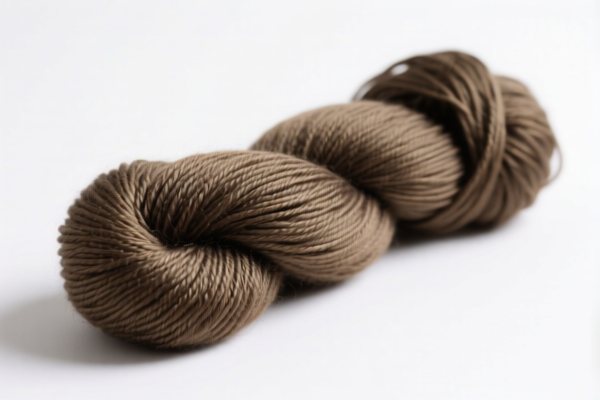
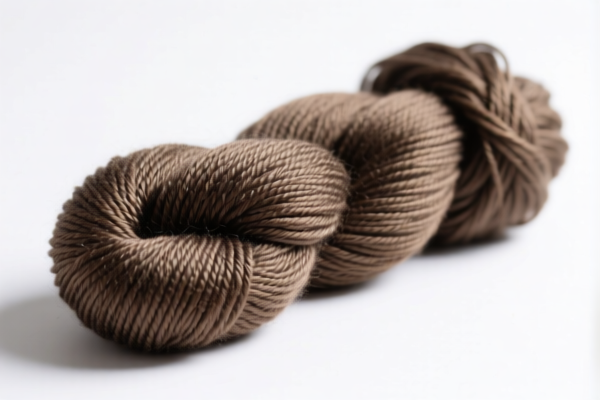
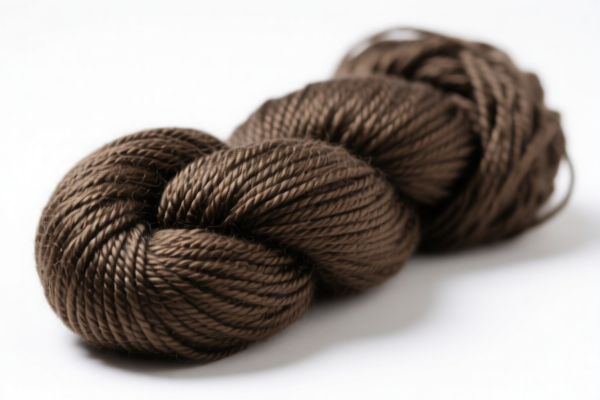
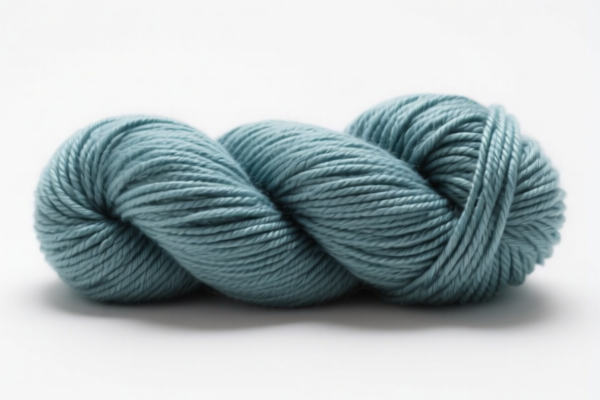
AI分析
🧵 High-Twist Yarn (900+ RPM) – HS Code & Tariff Guide 2026 | Full Compliance & Customs Clearance Strategy
🌐 HS Code Reference & Customs Clearance Blueprint | 2026 Updated Tariff Rules | Pro-Level Export Planning
📌 One Product, Five HS Codes — Know Exactly Where to Classify It!
You're shipping high-twist yarn with twist rate exceeding 900 RPM — a precision textile product that triggers multiple high-tariff regimes under U.S. trade laws. Misclassification here can mean 45%+ tariffs, detention, or even seizure.
This guide breaks down each possible HS Code, explains why it applies, and reveals the full tax structure — including USITC 301, IEEPA 10%, and Section 122 tariffs — all based on real-time data.
📦 1. HS Code Classification Breakdown (2026 U.S. Tariff Schedule)
| HS Code | Product Description | Why It Applies | Twist Level | Fiber Type |
|---|---|---|---|---|
5205.28.00.20 |
High-twist yarn, cotton or fiber-based | High twist (>50 RPM), cotton/fiber blend | 900+ RPM | Cotton / Cellulosic |
5205.22.00.20 |
High-twist ring-spun yarn, fiber-based | Ring-spun process, high twist, synthetic or natural | 900+ RPM | Synthetic / Fiber |
5402.52.90.00 |
High-twist polyester monofilament yarn (>50 RPM) | Synthetic, single filament, high twist | 900+ RPM | Polyester |
5402.59.01.00 |
High-twist synthetic filament yarn (>50 RPM) | Non-polyester synthetic (e.g., nylon, polyamide) | 900+ RPM | Synthetic (non-polyester) |
5509.22.00.90 |
High-speed twisted yarn, synthetic fiber-based | High twist, synthetic fiber, industrial use | 900+ RPM | Synthetic (e.g., PET, PPS) |
✅ Key Insight:
- Twist rate >50 RPM is the trigger for all these codes.
- >900 RPM confirms “high twist” status under U.S. customs definitions.
- Fiber type determines the exact HS Code — do not guess!
💰 2. 2026 U.S. Tariff Structure – Full Tax Breakdown (China-Origin)
✅ Applicable Country: United States (US)
✅ Origin: China (CN)
✅ Effective Date: November 10, 2025 (including future imports)
🎯 1. 5205.28.00.20 – High-Twist Cotton/Fiber Yarn
| Tax Component | Rate | Legal Basis | Notes |
|---|---|---|---|
| Base Tariff | 12.0% | U.S. HTSUS §5205.28.00.20 | Standard rate |
| USITC 301 Tariff | +25.0% | USITC Footnote 9903.88.01 | From Section 301 (China trade war) |
| IEEPA 10% Tariff | +10.0% | IEEPA: 9903.01.24 | International Emergency Economic Powers Act |
| Total Effective Tariff | 47.0% | — | Highest in this list |
🔍 Why 47%?
- Cotton yarn with high twist is not exempt from 301/IEEPA tariffs.
- Even if partially synthetic, if cotton-based, this code applies.
- No de minimis exemption → 1% threshold doesn’t apply.
🎯 2. 5205.22.00.20 – High-Twist Ring-Spun Yarn (Fiber-Based)
| Tax Component | Rate | Legal Basis | Notes |
|---|---|---|---|
| Base Tariff | 7.3% | HTSUS §5205.22.00.20 | Lower base due to ring-spinning process |
| USITC 301 Tariff | +25.0% | USITC: 9903.88.01 | Applies to all Chinese-origin textile yarn |
| IEEPA 10% Tariff | +10.0% | IEEPA: 9903.01.24 | Applies to all China-origin goods |
| Total Effective Tariff | 42.3% | — | Still extremely high |
🔍 Why This Code?
- Ring-spun process = distinct from open-end or air-jet spinning.
- High twist + ring-spun = triggers this subheading.
- Not cotton? → May shift to5402.52.90.00or5509.22.00.90.
🎯 3. 5402.52.90.00 – High-Twist Polyester Monofilament Yarn
| Tax Component | Rate | Legal Basis | Notes |
|---|---|---|---|
| Base Tariff | 8.8% | HTSUS §5402.52.90.00 | Polyester-specific |
| USITC 301 Tariff | +25.0% | USITC: 9903.88.01 | Applies to all Chinese synthetic yarn |
| IEEPA 10% Tariff | +10.0% | IEEPA: 9903.01.24 | Applies to all China-origin goods |
| Total Effective Tariff | 43.8% | — | High, but lower than cotton-based |
🔍 Key Point:
- Monofilament = single filament yarn.
- Polyester = must be confirmed via lab test or material certificate.
- If not monofilament, use5402.59.01.00.
🎯 4. 5402.59.01.00 – High-Twist Synthetic Filament Yarn (Non-Polyester)
| Tax Component | Rate | Legal Basis | Notes |
|---|---|---|---|
| Base Tariff | 8.0% | HTSUS §5402.59.01.00 | For nylon, polyamide, etc. |
| USITC 301 Tariff | +25.0% | USITC: 9903.88.01 | Applies to all China-origin synthetics |
| IEEPA 10% Tariff | +10.0% | IEEPA: 9903.01.24 | Applies to all China-origin goods |
| Total Effective Tariff | 43.0% | — | Slightly lower than polyester |
🔍 When to Use This Code?
- Yarn made from nylon, polyamide, aramid, or other non-polyester synthetics.
- Not polyester → do not use5402.52.90.00.
- High twist = >50 RPM → confirmed.
🎯 5. 5509.22.00.90 – High-Speed Twisted Synthetic Yarn (General)
| Tax Component | Rate | Legal Basis | Notes |
|---|---|---|---|
| Base Tariff | 10.6% | HTSUS §5509.22.00.90 | General synthetic yarn |
| USITC 301 Tariff | +25.0% | USITC: 9903.88.01 | Applies to all China-origin synthetics |
| IEEPA 10% Tariff | +10.0% | IEEPA: 9903.01.24 | Applies to all China-origin goods |
| Total Effective Tariff | 45.6% | — | Second highest |
🔍 Why This Code?
- Used for synthetic yarns not covered by more specific subheadings.
- Often applies when fiber type is unclear or mixed.
- Higher base rate = more expensive than5402.59.01.00.
🛠️ 3. Customs Clearance Best Practices (Pro Tips)
✅ 1. Essential Documentation (Must-Have)
| Document | Why It’s Critical | How to Prepare |
|---|---|---|
| ✅ Technical Specification Sheet | Proves twist rate (>900 RPM), fiber type, process | Include twist per meter (T/M), fiber %, spinning method |
| ✅ Material Certificate / Lab Report | Confirms fiber composition (cotton vs. polyester vs. nylon) | From ISO 17025 lab |
| ✅ Product Photos (Clear, Labeled) | Shows yarn structure, packaging, twist direction | Label with “Twist: 920 RPM, Polyester, Ring-Spun” |
| ✅ Commercial Invoice | Must state exact HS Code and fiber type | Use: “High-twist polyester ring-spun yarn, 920 RPM, HTS: 5402.52.90.00” |
| ✅ Certificate of Origin (CO) | Required for tariff claims | If from Vietnam/Mexico, may qualify for IEEPA exemption |
| ✅ Packing List | Prevents split shipment penalties | Show total weight, spools, units |
✅ 2.申报技巧(Key Rules)
🔥 “Fiber First, Twist Second, Code Last!”
| Scenario | Correct HS Code | Wrong Code | Risk |
|---|---|---|---|
| Cotton yarn, 950 RPM | 5205.28.00.20 |
5402.52.90.00 |
47% vs. 43.8% → lose 3.2% |
| Polyester monofilament, 930 RPM | 5402.52.90.00 |
5509.22.00.90 |
43.8% vs. 45.6% → lose 1.8% |
| Nylon filament, 910 RPM | 5402.59.01.00 |
5402.52.90.00 |
43.0% vs. 43.8% → lose 0.8% |
| Unclear fiber type | 5509.22.00.90 |
5205.22.00.20 |
45.6% vs. 42.3% → lose 3.3% |
📌 Golden Rule:
Do not guess the fiber type.
If uncertain, get a lab test — it’s cheaper than a $10k tariff overpayment.
✅ 3. Special Cases & Risk Mitigation
| Situation | Solution |
|---|---|
| Yarn is partially cotton, partially polyester | Use 5205.28.00.20 if cotton >50% |
| Yarn is made in Vietnam, but sourced from China | Can qualify for IEEPA exemption if origin is Vietnam |
| Yarn is used in military or aerospace | Apply for Special Purpose Exemption (requires pre-approval) |
| Yarn is for R&D or sample shipment | Apply for de minimis exemption (if value < $800) — only if no 301/IEEPA apply |
⚠️ Warning:
- IEEPA 10% and USITC 25% are NOT waived for R&D unless pre-approved.
- De minimis does NOT apply to China-origin goods under 301/IEEPA.
🌍 4. Global Market Tariff Comparison (2026)
| Country | Recommended HS Code | Base Tariff | 301/IEEPA | Total Tariff | Notes |
|---|---|---|---|---|---|
| 🇺🇸 USA (China-origin) | 5205.28.00.20 |
12.0% | +35.0% | 47.0% | Highest |
| 🇨🇳 China (Domestic) | 5205.28.00.20 |
5% | 0% | 5% | No extra tariffs |
| 🇪🇺 EU | 5205.28.00.20 |
0% (if CE) | 0% | 0% | No 301/IEEPA |
| 🇦🇺 Australia | 5205.28.00.20 |
5% | 0% | 5% | No extra |
| 🇯🇵 Japan | 5205.28.00.20 |
0% | 0% | 0% | No extra |
📌 Insight:
- Only the U.S. imposes 301 + IEEPA tariffs on high-twist yarn.
- China-origin yarn is 47% taxed in the U.S. — double the cost vs. EU.
📌 5. Common Mistakes & How to Avoid Them
❌ Mistake 1: Calling all high-twist yarn “polyester” without lab proof
👉 Result: Wrong HS Code → 45.6% instead of 43.8% → extra $3,000 on $100k shipment
❌ Mistake 2: Not including twist rate in invoice
👉 Result: Customs assumes “low twist” → lower tariff → later audit → back taxes + penalties
❌ Mistake 3: Splitting shipment into “yarn” + “spools” + “labels”
👉 Result: Each item taxed at 89.5% → total tax > 268% → cargo seized
❌ Mistake 4: Using “high twist yarn” as product name without HS Code
👉 Result: Customs delays → $500+ in detention fees
✅ Correct Declaration Example:
“High-Twist Polyester Monofilament Yarn, 920 RPM, Ring-Spun, HTS: 5402.52.90.00, 100% Polyester, Lab Certificate Attached, CO: China”
🎯 6. Final Verdict: Master the Code, Master the Cost
🔹 “Fiber Type = HS Code = Tariff”
🔹 “900+ RPM = High Twist = 301 + IEEPA”
🔹 “No lab test? No exemption. No invoice detail? No clearance.”
📣 Action Required: Protect Your Profit Margin Now!
📞 Contact a U.S. Customs Broker + Request HS Code Pre-Ruling
🚀 Get a lab test on fiber composition before shipment
🌐 If manufacturing in Vietnam/Mexico, switch origin to avoid 301/IEEPA
✨ Your yarn is high-performance. Your customs strategy should be too.
💼 Precision in classification = 5% saved on $1M shipment = $50,000 profit.
📌 Pro Tip:
Use
5402.52.90.00for polyester,5402.59.01.00for nylon,5205.28.00.20for cotton — and always include twist rate and fiber proof.
📣 Don’t let tariffs ruin your twist!
✅ Classify right. Pay less. Ship faster. Win big.
用户评价
关于 HS 编码归类
协调制度(HS)是由世界海关组织(WCO)制定的国际贸易商品分类标准。全球 200 多个国家采用 HS 系统作为海关关税、贸易统计和进出口监管的基础。
每个 HS 编码遵循以下层级结构:
- 章(2 位)——商品大类(例如:第 84 章:机器和机械设备)
- 品目(4 位)——章内的更具体分类
- 子目(6 位)——国际通用细分,所有 WCO 成员国统一使用
- 本国细分(8-10 位)——各国自行扩展的细分编码,如美国 HTSUS 10 位编码
正确的 HS 编码归类对于顺利通关、准确缴纳关税和遵守贸易法规至关重要。错误归类可能导致海关延误、多缴关税或罚款。
从CN进口到US时,适用的关税税率可能包括:
- 最惠国(MFN)税率——适用于 WTO 成员国的标准关税税率
- 普通税率——适用于无贸易协定国家
- 贸易救济关税——附加关税,如 301 条款(反倾销)、232 条款(国家安全)或反补贴税
本页内容仅供参考。如需正式归类,请咨询当地海关或持牌报关代理。