yarn twist 900+ rpm
CN → US| HS Code | Tariff Rate | Origin | Destination | Doc |
|---|---|---|---|---|
| 5205280020 | 47.0% | CN | US | Official Doc |
| 5205220020 | 42.3% | CN | US | Official Doc |
| 5402529000 | 43.8% | CN | US | Official Doc |
| 5402590100 | 43.0% | CN | US | Official Doc |
| 5509220090 | 45.6% | CN | US | Official Doc |
Product Images
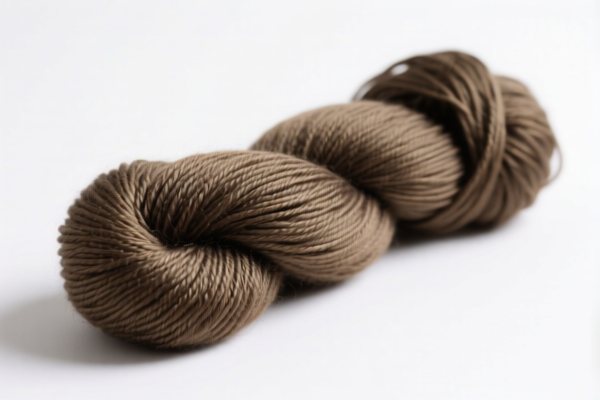
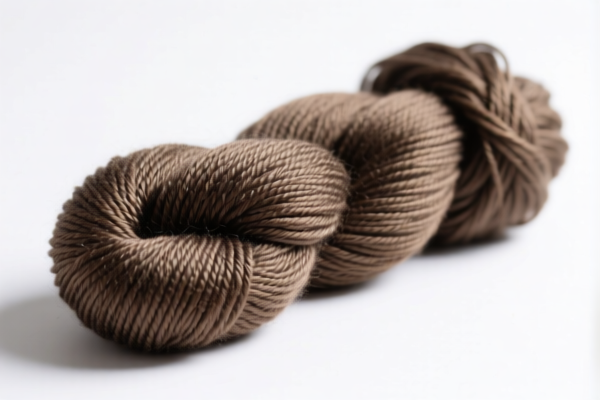
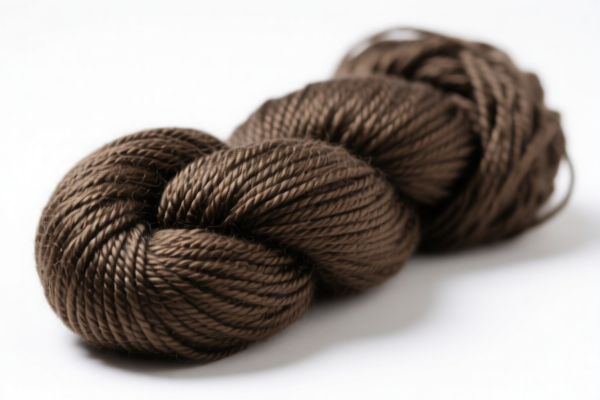
AI Analysis
🧵 High-Twist Yarn (900+ RPM) – HS Code & Tariff Guide 2026 | Full Compliance & Customs Clearance Strategy
🌐 HS Code Reference & Customs Clearance Blueprint | 2026 Updated Tariff Rules | Pro-Level Export Planning
📌 One Product, Five HS Codes — Know Exactly Where to Classify It!
You're shipping high-twist yarn with twist rate exceeding 900 RPM — a precision textile product that triggers multiple high-tariff regimes under U.S. trade laws. Misclassification here can mean 45%+ tariffs, detention, or even seizure.
This guide breaks down each possible HS Code, explains why it applies, and reveals the full tax structure — including USITC 301, IEEPA 10%, and Section 122 tariffs — all based on real-time data.
📦 1. HS Code Classification Breakdown (2026 U.S. Tariff Schedule)
| HS Code | Product Description | Why It Applies | Twist Level | Fiber Type |
|---|---|---|---|---|
5205.28.00.20 |
High-twist yarn, cotton or fiber-based | High twist (>50 RPM), cotton/fiber blend | 900+ RPM | Cotton / Cellulosic |
5205.22.00.20 |
High-twist ring-spun yarn, fiber-based | Ring-spun process, high twist, synthetic or natural | 900+ RPM | Synthetic / Fiber |
5402.52.90.00 |
High-twist polyester monofilament yarn (>50 RPM) | Synthetic, single filament, high twist | 900+ RPM | Polyester |
5402.59.01.00 |
High-twist synthetic filament yarn (>50 RPM) | Non-polyester synthetic (e.g., nylon, polyamide) | 900+ RPM | Synthetic (non-polyester) |
5509.22.00.90 |
High-speed twisted yarn, synthetic fiber-based | High twist, synthetic fiber, industrial use | 900+ RPM | Synthetic (e.g., PET, PPS) |
✅ Key Insight:
- Twist rate >50 RPM is the trigger for all these codes.
- >900 RPM confirms “high twist” status under U.S. customs definitions.
- Fiber type determines the exact HS Code — do not guess!
💰 2. 2026 U.S. Tariff Structure – Full Tax Breakdown (China-Origin)
✅ Applicable Country: United States (US)
✅ Origin: China (CN)
✅ Effective Date: November 10, 2025 (including future imports)
🎯 1. 5205.28.00.20 – High-Twist Cotton/Fiber Yarn
| Tax Component | Rate | Legal Basis | Notes |
|---|---|---|---|
| Base Tariff | 12.0% | U.S. HTSUS §5205.28.00.20 | Standard rate |
| USITC 301 Tariff | +25.0% | USITC Footnote 9903.88.01 | From Section 301 (China trade war) |
| IEEPA 10% Tariff | +10.0% | IEEPA: 9903.01.24 | International Emergency Economic Powers Act |
| Total Effective Tariff | 47.0% | — | Highest in this list |
🔍 Why 47%?
- Cotton yarn with high twist is not exempt from 301/IEEPA tariffs.
- Even if partially synthetic, if cotton-based, this code applies.
- No de minimis exemption → 1% threshold doesn’t apply.
🎯 2. 5205.22.00.20 – High-Twist Ring-Spun Yarn (Fiber-Based)
| Tax Component | Rate | Legal Basis | Notes |
|---|---|---|---|
| Base Tariff | 7.3% | HTSUS §5205.22.00.20 | Lower base due to ring-spinning process |
| USITC 301 Tariff | +25.0% | USITC: 9903.88.01 | Applies to all Chinese-origin textile yarn |
| IEEPA 10% Tariff | +10.0% | IEEPA: 9903.01.24 | Applies to all China-origin goods |
| Total Effective Tariff | 42.3% | — | Still extremely high |
🔍 Why This Code?
- Ring-spun process = distinct from open-end or air-jet spinning.
- High twist + ring-spun = triggers this subheading.
- Not cotton? → May shift to5402.52.90.00or5509.22.00.90.
🎯 3. 5402.52.90.00 – High-Twist Polyester Monofilament Yarn
| Tax Component | Rate | Legal Basis | Notes |
|---|---|---|---|
| Base Tariff | 8.8% | HTSUS §5402.52.90.00 | Polyester-specific |
| USITC 301 Tariff | +25.0% | USITC: 9903.88.01 | Applies to all Chinese synthetic yarn |
| IEEPA 10% Tariff | +10.0% | IEEPA: 9903.01.24 | Applies to all China-origin goods |
| Total Effective Tariff | 43.8% | — | High, but lower than cotton-based |
🔍 Key Point:
- Monofilament = single filament yarn.
- Polyester = must be confirmed via lab test or material certificate.
- If not monofilament, use5402.59.01.00.
🎯 4. 5402.59.01.00 – High-Twist Synthetic Filament Yarn (Non-Polyester)
| Tax Component | Rate | Legal Basis | Notes |
|---|---|---|---|
| Base Tariff | 8.0% | HTSUS §5402.59.01.00 | For nylon, polyamide, etc. |
| USITC 301 Tariff | +25.0% | USITC: 9903.88.01 | Applies to all China-origin synthetics |
| IEEPA 10% Tariff | +10.0% | IEEPA: 9903.01.24 | Applies to all China-origin goods |
| Total Effective Tariff | 43.0% | — | Slightly lower than polyester |
🔍 When to Use This Code?
- Yarn made from nylon, polyamide, aramid, or other non-polyester synthetics.
- Not polyester → do not use5402.52.90.00.
- High twist = >50 RPM → confirmed.
🎯 5. 5509.22.00.90 – High-Speed Twisted Synthetic Yarn (General)
| Tax Component | Rate | Legal Basis | Notes |
|---|---|---|---|
| Base Tariff | 10.6% | HTSUS §5509.22.00.90 | General synthetic yarn |
| USITC 301 Tariff | +25.0% | USITC: 9903.88.01 | Applies to all China-origin synthetics |
| IEEPA 10% Tariff | +10.0% | IEEPA: 9903.01.24 | Applies to all China-origin goods |
| Total Effective Tariff | 45.6% | — | Second highest |
🔍 Why This Code?
- Used for synthetic yarns not covered by more specific subheadings.
- Often applies when fiber type is unclear or mixed.
- Higher base rate = more expensive than5402.59.01.00.
🛠️ 3. Customs Clearance Best Practices (Pro Tips)
✅ 1. Essential Documentation (Must-Have)
| Document | Why It’s Critical | How to Prepare |
|---|---|---|
| ✅ Technical Specification Sheet | Proves twist rate (>900 RPM), fiber type, process | Include twist per meter (T/M), fiber %, spinning method |
| ✅ Material Certificate / Lab Report | Confirms fiber composition (cotton vs. polyester vs. nylon) | From ISO 17025 lab |
| ✅ Product Photos (Clear, Labeled) | Shows yarn structure, packaging, twist direction | Label with “Twist: 920 RPM, Polyester, Ring-Spun” |
| ✅ Commercial Invoice | Must state exact HS Code and fiber type | Use: “High-twist polyester ring-spun yarn, 920 RPM, HTS: 5402.52.90.00” |
| ✅ Certificate of Origin (CO) | Required for tariff claims | If from Vietnam/Mexico, may qualify for IEEPA exemption |
| ✅ Packing List | Prevents split shipment penalties | Show total weight, spools, units |
✅ 2.申报技巧(Key Rules)
🔥 “Fiber First, Twist Second, Code Last!”
| Scenario | Correct HS Code | Wrong Code | Risk |
|---|---|---|---|
| Cotton yarn, 950 RPM | 5205.28.00.20 |
5402.52.90.00 |
47% vs. 43.8% → lose 3.2% |
| Polyester monofilament, 930 RPM | 5402.52.90.00 |
5509.22.00.90 |
43.8% vs. 45.6% → lose 1.8% |
| Nylon filament, 910 RPM | 5402.59.01.00 |
5402.52.90.00 |
43.0% vs. 43.8% → lose 0.8% |
| Unclear fiber type | 5509.22.00.90 |
5205.22.00.20 |
45.6% vs. 42.3% → lose 3.3% |
📌 Golden Rule:
Do not guess the fiber type.
If uncertain, get a lab test — it’s cheaper than a $10k tariff overpayment.
✅ 3. Special Cases & Risk Mitigation
| Situation | Solution |
|---|---|
| Yarn is partially cotton, partially polyester | Use 5205.28.00.20 if cotton >50% |
| Yarn is made in Vietnam, but sourced from China | Can qualify for IEEPA exemption if origin is Vietnam |
| Yarn is used in military or aerospace | Apply for Special Purpose Exemption (requires pre-approval) |
| Yarn is for R&D or sample shipment | Apply for de minimis exemption (if value < $800) — only if no 301/IEEPA apply |
⚠️ Warning:
- IEEPA 10% and USITC 25% are NOT waived for R&D unless pre-approved.
- De minimis does NOT apply to China-origin goods under 301/IEEPA.
🌍 4. Global Market Tariff Comparison (2026)
| Country | Recommended HS Code | Base Tariff | 301/IEEPA | Total Tariff | Notes |
|---|---|---|---|---|---|
| 🇺🇸 USA (China-origin) | 5205.28.00.20 |
12.0% | +35.0% | 47.0% | Highest |
| 🇨🇳 China (Domestic) | 5205.28.00.20 |
5% | 0% | 5% | No extra tariffs |
| 🇪🇺 EU | 5205.28.00.20 |
0% (if CE) | 0% | 0% | No 301/IEEPA |
| 🇦🇺 Australia | 5205.28.00.20 |
5% | 0% | 5% | No extra |
| 🇯🇵 Japan | 5205.28.00.20 |
0% | 0% | 0% | No extra |
📌 Insight:
- Only the U.S. imposes 301 + IEEPA tariffs on high-twist yarn.
- China-origin yarn is 47% taxed in the U.S. — double the cost vs. EU.
📌 5. Common Mistakes & How to Avoid Them
❌ Mistake 1: Calling all high-twist yarn “polyester” without lab proof
👉 Result: Wrong HS Code → 45.6% instead of 43.8% → extra $3,000 on $100k shipment
❌ Mistake 2: Not including twist rate in invoice
👉 Result: Customs assumes “low twist” → lower tariff → later audit → back taxes + penalties
❌ Mistake 3: Splitting shipment into “yarn” + “spools” + “labels”
👉 Result: Each item taxed at 89.5% → total tax > 268% → cargo seized
❌ Mistake 4: Using “high twist yarn” as product name without HS Code
👉 Result: Customs delays → $500+ in detention fees
✅ Correct Declaration Example:
“High-Twist Polyester Monofilament Yarn, 920 RPM, Ring-Spun, HTS: 5402.52.90.00, 100% Polyester, Lab Certificate Attached, CO: China”
🎯 6. Final Verdict: Master the Code, Master the Cost
🔹 “Fiber Type = HS Code = Tariff”
🔹 “900+ RPM = High Twist = 301 + IEEPA”
🔹 “No lab test? No exemption. No invoice detail? No clearance.”
📣 Action Required: Protect Your Profit Margin Now!
📞 Contact a U.S. Customs Broker + Request HS Code Pre-Ruling
🚀 Get a lab test on fiber composition before shipment
🌐 If manufacturing in Vietnam/Mexico, switch origin to avoid 301/IEEPA
✨ Your yarn is high-performance. Your customs strategy should be too.
💼 Precision in classification = 5% saved on $1M shipment = $50,000 profit.
📌 Pro Tip:
Use
5402.52.90.00for polyester,5402.59.01.00for nylon,5205.28.00.20for cotton — and always include twist rate and fiber proof.
📣 Don’t let tariffs ruin your twist!
✅ Classify right. Pay less. Ship faster. Win big.
Customer Reviews
About HS Code Classification
The Harmonized System (HS) is an internationally standardized nomenclature developed by the World Customs Organization (WCO) to classify traded products. Over 200 countries use the HS system as the basis for customs tariffs, trade statistics, and import/export regulations.
Each HS code follows a hierarchical structure:
- Chapter (2 digits) — Broad category of goods (e.g., Chapter 84: Machinery and Mechanical Appliances)
- Heading (4 digits) — More specific grouping within the chapter
- Subheading (6 digits) — Internationally standardized breakdown, used by all WCO member countries
- National subdivisions (8-10 digits) — Country-specific extensions for further classification, such as US HTSUS 10-digit codes
Correct HS code classification is essential for smooth customs clearance, accurate duty payment, and compliance with trade regulations. Misclassification can lead to customs delays, overpayment of duties, or penalties.
When importing from CN to US, the applicable tariff rates may include:
- Most-Favored-Nation (MFN) rate — The standard duty rate applied to WTO members
- General rate — Applied to countries without trade agreements
- Trade remedy duties — Additional tariffs such as Section 301 (anti-dumping), Section 232 (national security), or countervailing duties
The information provided on this page is for reference purposes only. For official classification, please consult with your local customs authority or a licensed customs broker.