


🧤 All about Gloves: Uses, Import Classifications & What You Should Know
Gloves are among the most universal handwear products in the world — used everywhere from construction sites to medical clinics, winter outdoors to household chores. But beyond their practical use, importing gloves into the U.S. involves understanding how they’re classified under the international Harmonized System (HS) and what tariffs apply. Here’s a comprehensive look at glove types, HS codes, and import considerations.
🧤 What Are Gloves & Why They Matter
Gloves are protective hand coverings designed for many purposes:
- Work and safety: rugged protection for construction, warehouse, or industrial jobs
- Everyday wear: warmth and comfort in cold weather
- Specialized tasks: chemical resistance, cut protection, medical use, etc.
Each glove type differs in material, design, and use case, and these differences also affect how customs classify them for import.
📦 HS Code Breakdown for Gloves (CN → US)
When you import gloves from China to the United States, customs determines the correct HS (Harmonized System) code based on materials and intended use. This affects the tariff you’ll pay. Below are common classifications and current tariff rates:
🧥 1. 6216003500 – Ordinary Gloves
- General-purpose gloves not specialized by material or use
- Total Duty: ~22.8%
- A basic classification for non-specialized gloves
- Ideal for everyday wear gloves or simple fabric gloves
🛡️ 2. 6216002110 – Protective Gloves
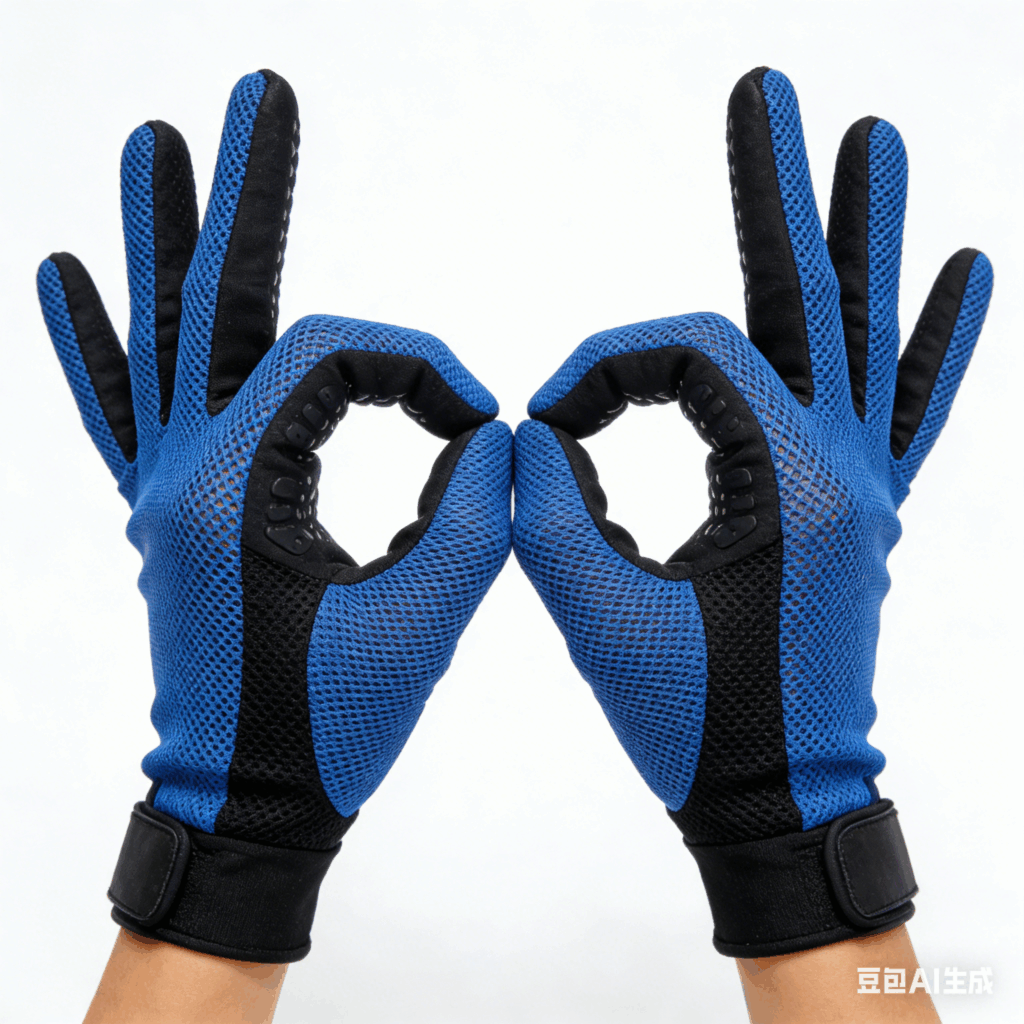
- Gloves intended for protection (e.g., work or industrial gloves)
- Includes both a specific duty (cents/kg) and an ad valorem duty (percentage)
- Tariff: 20.6¢/kg + ~10.3% + additional duty
- Best for gloves that serve protective roles like abrasion resistance or impact protection
🔹 3. 3926201050 – Plastic Protective Gloves
- Gloves entirely made of plastic
- Lower base tariff but still subject to additional duty
- Good classification for disposable plastic gloves or simple molded plastic handwear
🧶 4. 6116109500 – Knitted/Crocheted Gloves
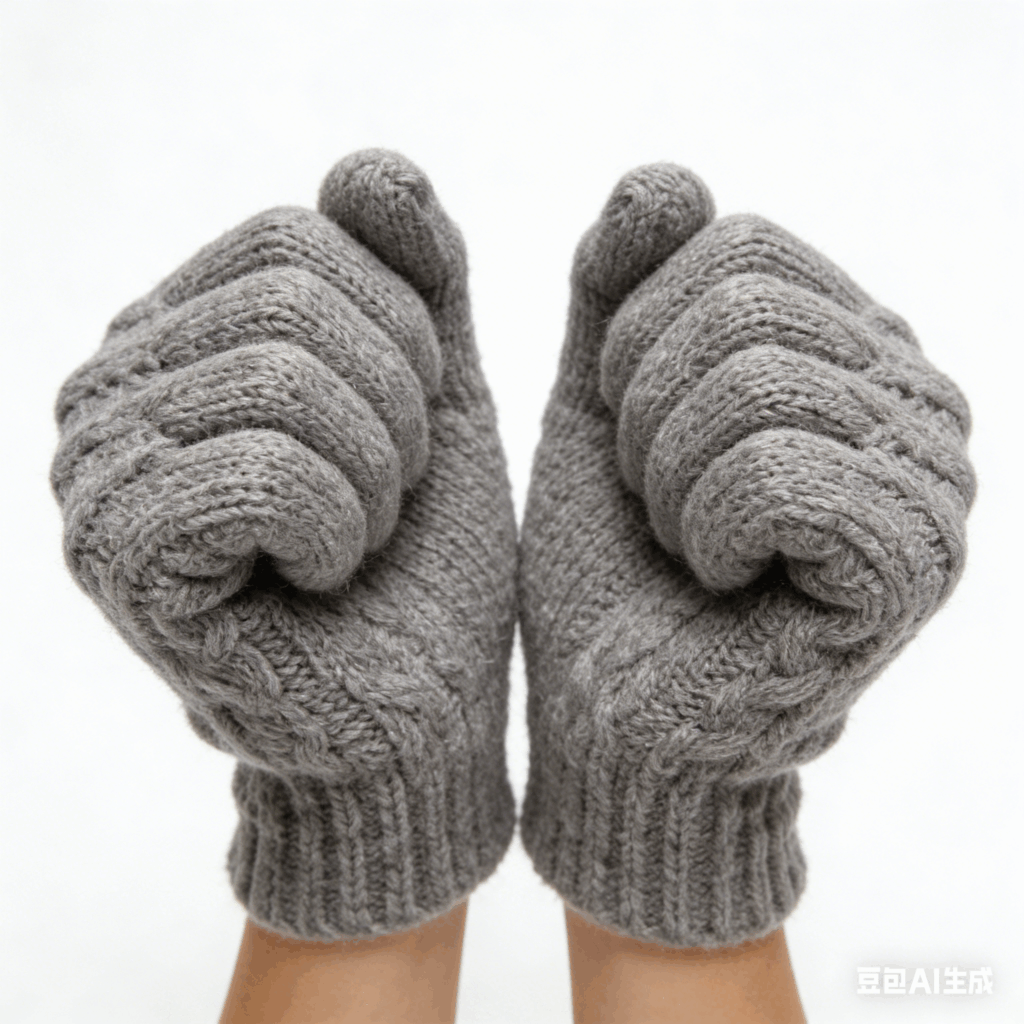
- Fabric gloves that are knitted or crocheted, often with some coating
- Total Duty: ~34.5% after combined tariffs
- Typical for cotton or mixed fiber gloves with protective coatings
🧰 5. 3926203000 – Plastic Work Gloves
- Plastic gloves designed for work use
- Total Duty: ~48.0%
- Often applies when the glove material and construction fit neither basic plastic nor fabric categories
📊 Why This Matters for Importers
🏷️ Tariff Planning
Different HS codes mean different tariffs. Even small changes in material or labeling can shift your product from one category to another, significantly affecting import costs.
📄 Documentation and Classification
Accurate classification isn’t just about paying the right tariff — it helps avoid customs delays or penalties. Supporting documentation that clearly describes the glove’s material, construction, and intended use will make classification smoother.
💡 Material Matters
For instance, plastic gloves are taxed differently from knitted gloves with coatings. Similarly, gloves designed specifically for work or protective use can fall into more complex tariffs.
🧠 Final Thoughts
Gloves might seem simple — but when it comes to international trade, there’s a lot behind the scenes. From HS codes to tariff planning, understanding how trade classifications work can help you save on costs and ensure smooth customs clearance.
Whether you’re importing knit gloves for winter wear, heavy-duty work gloves, or everyday hand protection, knowing your HS code and related tariffs puts you one step ahead in supply chain planning and cost management.